Last Updated on October 11, 2026 by D. Ruddy
Mulch vs bag leaves before winter is a common dilemma for homeowners trying to protect their garden beds from harsh cold weather. Choosing the right method ensures your soil stays healthy and plants survive the frost season.
Simply put, using shredded mulch is generally superior to leaving whole bagged leaves because it prevents matting, allows water penetration, and decomposes faster to enrich the soil without smothering plant roots during winter dormancy.
Key Takeaways
- Shredded mulch provides better insulation than whole leaves by allowing air and moisture circulation.
- Whole bagged leaves can create a dense barrier that traps excess moisture and promotes fungal growth.
- Applying organic matter early helps regulate soil temperature and protects root systems from freeze-thaw cycles.
- Using a mower to shred leaves turns waste into free, nutrient-rich fertilizer for spring planting.
What Is the Role of Winter Mulching?
Winter mulching acts as a protective blanket for your garden soil. It stabilizes ground temperatures and prevents extreme fluctuations that damage plant roots. This process is vital for perennial plants that need consistent conditions to survive dormancy.
The primary goal is not just warmth but also moisture retention. Frozen soil cannot absorb water, leading to desiccation where plants dry out despite snow cover. Proper mulching mitigates this risk significantly.
🍂 The Silent Lawn Killer: Damp Leaves Will Suffocate Your Grass
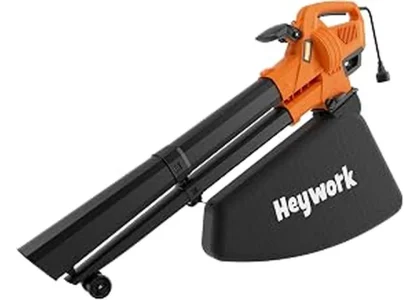
Trapped wet leaves create a breeding ground for destructive snow mold. Clear the yard fast with a high-power cordless blower before the ground freezes.
Additionally, mulch suppresses weed seeds from germinating during mild spells. It keeps the soil structure intact by preventing erosion from wind and rain. These benefits apply whether you use straw, wood chips, or processed leaves.
- Regulates soil temperature to prevent heaving.
- Retains essential moisture during frozen periods.
- Suppresses dormant weed seed germination.
- Prevents topsoil erosion from winter storms.
- Adds organic matter as it slowly breaks down.
- Protects shallow-rooted perennials from freezing.
- Improves overall soil health for spring recovery.
How Do Whole Bagged Leaves Affect Soil?
Leaving whole leaves on garden beds often causes more harm than good. They tend to clump together when wet, forming an impermeable layer over the soil. This barrier blocks sunlight and prevents necessary gas exchange.
Water pools beneath these mats, creating soggy conditions that lead to root rot. Fungi thrive in these damp environments, spreading disease to nearby plants. The lack of airflow accelerates decay rather than controlled decomposition.
Moreover, whole leaves take much longer to break down compared to shredded material. By spring, they may still sit on the surface, looking messy and hindering new growth. This delays the gardening season and requires extra cleanup effort.
| Issue | Impact on Plants |
|---|---|
| Matting Effect | Blocks light and air flow to soil surface. |
| Moisture Trapping | Causes root rot and fungal diseases. |
| Slow Decomposition | Nutrients remain locked away until late spring. |
| Pest Habitat | Attracts slugs, snails, and rodents seeking shelter. |
| Visual Clutter | Makes garden look unkempt throughout winter months. |
This table highlights why unprocessed leaves are risky for delicate plant roots during cold seasons.
Warning: Never pile thick layers of whole leaves directly against tree trunks or shrub stems. This contact encourages bark decay and invites pests into the main plant structure.
Deal🍂 The Silent Lawn Killer: Damp Leaves Will Suffocate Your Grass
Trapped wet leaves create a breeding ground for destructive snow mold. Clear the yard fast with a high-power cordless blower before the ground freezes.
00Days 00Hrs 00Min 00SecSecure your Lawn As an Amazon Associate I earn from qualifying purchases.
Why Shredded Mulch Outperforms Whole Leaves
Shredded leaves mimic the texture and function of commercial wood mulch effectively. The smaller pieces allow water and air to pass through easily. This permeability ensures the soil underneath remains breathable and hydrated.
Decomposition happens at a manageable rate, releasing nutrients steadily into the earth. Microorganisms break down the finer particles faster than large sheets. This creates a rich humus layer ready for spring planting.
Visually, shredded mulch looks neat and professional in landscape designs. It stays in place better during windy days compared to loose whole leaves. You avoid the constant battle of raking them back onto beds after storms.
- Apply a two-to-three-inch layer of shredded material.
- Keep the mulch away from direct stem contact.
- Rake lightly if compaction occurs after heavy rain.
- Add fresh shreds in mid-winter if coverage thins.
- Mix into topsoil slightly in early spring.
These steps ensure optimal protection without overwhelming the plant’s base.
Comparing Cost and Labor Efficiency
Buying bagged mulch involves significant expense and transportation logistics. Prices vary by region but often exceed fifty dollars per cubic yard delivered. You also pay for the labor of hauling and spreading it manually.
🍂 The Silent Lawn Killer: Damp Leaves Will Suffocate Your Grass
Trapped wet leaves create a breeding ground for destructive snow mold. Clear the yard fast with a high-power cordless blower before the ground freezes.
In contrast, processing your own leaves costs nothing but time and fuel. A standard lawnmower handles most residential leaf volumes efficiently. This DIY approach saves money while recycling garden waste locally.
Labor intensity differs too. Spreading purchased mulch requires lifting heavy bags and shoveling. Shredding leaves happens as you mow, combining two tasks into one.
However, collecting the shredded debris might require a second pass with a blower or vacuum.
| Factor | Bagged Commercial Mulch | Shredded Homegrown Leaves |
|---|---|---|
| Initial Cost | High ($5-$15 per bag) | Low (Fuel and equipment wear) |
| Labor Effort | Moderate (Hauling and spreading) | Low (Mowing and blowing) |
| Nutrient Value | Variable depending on source | High nitrogen and potassium content |
| Aesthetic Consistency | Uniform color and size | Natural variation in colors |
| Environmental Impact | Transport emissions and packaging waste | Carbon neutral local recycling |
The financial and ecological advantages clearly favor utilizing existing garden resources.
Tip: For best results, run your mower over dry leaves. Wet leaves clog the deck and produce uneven chunks that mat down more easily.
🍂 The Silent Lawn Killer: Damp Leaves Will Suffocate Your Grass
Trapped wet leaves create a breeding ground for destructive snow mold. Clear the yard fast with a high-power cordless blower before the ground freezes.
When to Use Whole Leaves Instead
There are specific scenarios where whole leaves serve a purpose. Compost bins benefit greatly from carbon-rich brown materials like dry leaves. Mixing them with green kitchen scraps balances the compost ratio perfectly.
Garden paths covered in whole leaves provide temporary traction and cushioning. They suppress weeds along walkways without needing permanent installation. Raking them off in spring restores the path surface easily.
Some native wildflowers prefer minimal disturbance. Leaving a thin layer of whole leaves mimics forest floor conditions. This supports pollinators that hibernate under leaf litter during winter months.
- Use in active compost piles for carbon balance.
- Cover informal garden paths for weed suppression.
- Leave in designated wildlife habitat zones untouched.
- Place under deciduous trees for natural nutrient cycling.
- Avoid near vegetable gardens or annual flower beds.
Context determines whether whole leaves are helpful or harmful tools.
Step-by-Step Guide to Effective Winter Prep
Start by cleaning up debris once hard frosts kill the tops of perennials. Remove dead stalks and dispose of diseased plant parts separately. Healthy cuttings can stay to feed insects and birds.
Next, gather fallen leaves from lawns and driveways. Pile them centrally for easy access. Run a mulching mower over the stacks repeatedly until fragments are small enough to fit between fingers.
🍂 The Silent Lawn Killer: Damp Leaves Will Suffocate Your Grass
Trapped wet leaves create a breeding ground for destructive snow mold. Clear the yard fast with a high-power cordless blower before the ground freezes.
Finally, distribute the shredded mixture around vulnerable plants. Aim for a depth of three inches. Ensure there is a gap between the mulch and the crown of the plant to prevent rot.
- Wait for several consecutive nights below freezing.
- Cut back dead perennial foliage carefully.
- Collect all loose leaves from paved areas.
- Shred leaves using a dedicated mulcher or mower.
- Spread evenly around plant bases avoiding stems.
- Check coverage after first major storm event.
Timing matters. Applying too early insulates soil while it is still warm, encouraging premature growth. Wait until the ground freezes initially before adding the final winter layer.
Important: According to university extension services, applying mulch after the ground has frozen prevents mice from nesting under the insulation during warmer autumn days.
Common Mistakes to Avoid
Many gardeners make the error of piling mulch high against trunks. This “volcano” effect traps moisture against the bark. It leads to fungal infections and attracts borers that destroy trees.
Another frequent mistake is using too little material. Thin layers fail to insulate effectively. Temperature swings still penetrate the soil, causing root damage.
🍂 The Silent Lawn Killer: Damp Leaves Will Suffocate Your Grass
Trapped wet leaves create a breeding ground for destructive snow mold. Clear the yard fast with a high-power cordless blower before the ground freezes.
Always measure depth with a ruler.
Ignoring drainage issues worsens problems in clay soils. Heavy mulch retains even more water. If your area floods regularly, consider raised beds instead of relying solely on surface mulching.
- Do not mound mulch against tree trunks.
- Avoid applying less than two inches of depth.
- Never use fresh grass clippings alone for winter.
- Do not ignore signs of pest infestation under mulch.
- Refrain from mixing synthetic chemicals with organic mulch.
- Stop raking aggressively around shallow-rooted plants.
Correct technique preserves both aesthetic appeal and biological health.
Frequently Asked Questions
Can I leave whole leaves on my lawn all winter?
No, whole leaves block sunlight and trap moisture, which suffocates grass crowns. This often results in bare patches and fungal diseases like snow mold come springtime. Always shred or remove them promptly.
Is shredded leaf mulch as good as wood chips?
Yes, for short-term seasonal protection, shredded leaves offer similar insulation benefits. They also add more immediate nutrients to the soil as they decompose faster than hardwood chips. Both options work well depending on availability.
How thick should the mulch layer be?
Aim for two to four inches of loose, fluffy material around plants. Too thick restricts air flow, while too thin offers inadequate thermal protection. Adjust based on local climate severity and plant sensitivity.
🍂 The Silent Lawn Killer: Damp Leaves Will Suffocate Your Grass
Trapped wet leaves create a breeding ground for destructive snow mold. Clear the yard fast with a high-power cordless blower before the ground freezes.
Should I remove mulch in the spring?
You do not need to remove it entirely; simply rake it away from plant stems. As temperatures rise, pull the mulch back to expose soil to sun warmth. Leave the rest to continue breaking down naturally.
Do pine needles work better than broadleaf mulch?
Pine needles acidify soil slightly, making them ideal for blueberries and azaleas. Broadleaf mulch is pH-neutral and suits most general garden plants. Choose based on the specific acidity needs of your vegetation.
Final Thoughts
Choosing between mulch vs bag leaves before winter ultimately favors shredded organic matter for its versatility and cost-effectiveness. It protects roots, feeds soil biology, and maintains garden aesthetics without the downsides of matting. Embrace this sustainable practice to nurture healthier landscapes year-round.