Last Updated on October 11, 2026 by D. Ruddy
Preparing your lawn for winter is the single most effective action you can take to ensure a lush, green spring. Neglecting fall maintenance often leads to bare patches and weed infestations that plague yards throughout the following growing season.
Simply put, winterizing your grass involves cleaning up debris, adjusting mowing heights, aerating soil, applying fall fertilizer, and overseeding thin spots. These steps protect root systems from cold stress and set the stage for vigorous growth when temperatures rise again next spring.
Key Takeaways
- Lawn preparation for winter prevents disease by removing leaf litter that traps moisture against grass blades.
- Aeration relieves soil compaction, allowing water, air, and nutrients to reach deep into the root zone effectively.
- Fall fertilization focuses on root development rather than top growth, storing energy for early spring emergence.
- Overseeding fills in bald spots while cool weather provides ideal germination conditions for new grass seed.
- Proper mowing height reduces snow mold risk and ensures plants have enough leaf surface for photosynthesis during mild days.
Why Clearing Debris Matters Now
Leaves and twigs left on the ground create a suffocating mat over your grass. This layer blocks sunlight and traps excess moisture directly against the plant crown. Prolonged exposure to these damp, dark conditions invites fungal diseases like snow mold.
You must remove all organic matter before the first hard frost arrives. Use a mulching mower to chop fine pieces back into the soil as compost if possible. However, thick piles should be bagged or raked away completely to prevent smothering.
🍂 The Silent Lawn Killer: Damp Leaves Will Suffocate Your Grass
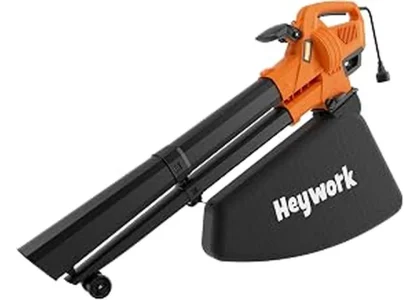
Trapped wet leaves create a breeding ground for destructive snow mold. Clear the yard fast with a high-power cordless blower before the ground freezes.
- Rake heavy leaf accumulation immediately after it falls to avoid wet mats forming.
- Mow frequently during late summer and early fall to keep clippings small and manageable.
- Remove sticks, toys, and garden ornaments stored on the lawn surface.
- Clean gutters and downspouts to prevent ice dams from dumping excessive water onto turf.
- Dispose of diseased plant material separately; do not compost infected leaves.
- Check drainage areas to ensure water flows away from the house foundation and lawn.
Warning: Leaving even a thin layer of wet leaves over winter can kill large sections of grass due to lack of oxygen and light penetration. Do not assume rain will wash them away safely.
How to Adjust Mowing Height Correctly
Your final cut of the season sets the tone for winter survival. Cutting too short stresses the plant and exposes roots to freezing temperatures. Cutting too tall encourages bending and matting under snow cover.
The University of Minnesota Extension recommends lowering your blade gradually over several weeks. Aim for a final height between 2.5 and 3 inches depending on your grass type. Cool-season grasses like Kentucky Bluegrass tolerate slightly taller cuts better than warm-season varieties transitioning to dormancy.
| Grass Type | Ideal Fall Height | Reasoning |
|---|---|---|
| Kentucky Bluegrass | 2.5 – 3.0 inches | Prevents matting while maintaining root insulation. |
| Perennial Ryegrass | 2.0 – 2.5 inches | Fine texture requires shorter cut to avoid tangling. |
| Tall Fescue | 3.0 – 3.5 inches | Deep roots support taller blades for drought resilience. |
| Bermuda Grass | 1.0 – 1.5 inches | Warm-season grass goes dormant; low cut aids transition. |
This table highlights how different species require tailored approaches. Always sharpen your mower blades before this final pass. Dull blades tear grass tissue, creating open wounds susceptible to infection during cold months.
What Is Aeration and Why You Need It
Soil compaction restricts root expansion and limits access to essential resources. Foot traffic, machinery, and weather patterns compress earth layers over time. Core aeration physically removes plugs of soil to break up this density.
Perform this task when soil is moist but not saturated. Ideally, schedule it two to four weeks before the first expected freeze. This timing allows the holes to remain open long enough for subsequent treatments to penetrate deeply.
🍂 The Silent Lawn Killer: Damp Leaves Will Suffocate Your Grass
Trapped wet leaves create a breeding ground for destructive snow mold. Clear the yard fast with a high-power cordless blower before the ground freezes.
- Water the lawn thoroughly one day prior to soften the ground.
- Mark sprinkler heads and utility lines with flags to avoid damage.
- Run the core aerator across the entire area in north-south direction.
- Make a second pass east-west to maximize hole coverage per square foot.
- Leave soil cores on the surface to decompose naturally and return nutrients.
- Rake lightly only if cores are excessively large and uneven.
Tip: Rent a plug aerator instead of using spike tools. Spikes merely push soil aside without relieving compaction, whereas plugs extract physical volume to create true space.
Aerated lawns show improved water infiltration rates by up to fifty percent according to studies by the Turfgrass Science Department at Penn State. This efficiency saves money on irrigation and reduces runoff pollution entering local waterways.
How to Apply Fall Fertilizer Properly
Nitrogen drives top growth, which wastes energy reserves needed for winter survival. Potassium strengthens cell walls and improves cold tolerance. Phosphorus supports robust root establishment crucial for anchoring plants through frozen periods.
Select a slow-release granular formula specifically labeled for fall application. Look for an N-P-K ratio such as 24-0-12 or similar variations emphasizing potassium. Avoid quick-release synthetic nitrogen sources that stimulate tender shoots vulnerable to frost damage.
- Calibrate your spreader based on product instructions for accurate dosage.
- Apply evenly across the whole yard including edges near sidewalks.
- Water gently after spreading to activate pellets and move them into soil.
- Skip fertilization if temperatures drop below forty degrees Fahrenheit consistently.
- Do not apply within fifteen feet of wells or streams to protect water quality.
- Store leftover bags in sealed containers away from pets and children.
Timing is critical. The optimal window occurs when daytime highs hover around sixty degrees. Applying too early risks stimulating unwanted growth before dormancy sets in fully.
Too late means nutrients sit unused until spring thaw begins.
🍂 The Silent Lawn Killer: Damp Leaves Will Suffocate Your Grass
Trapped wet leaves create a breeding ground for destructive snow mold. Clear the yard fast with a high-power cordless blower before the ground freezes.
What Are the Benefits of Overseeding?
Bare spots weaken overall turf density and invite weeds to colonize gaps. Cool autumn nights provide perfect germination environments free from extreme heat stress. New seedlings establish strong root systems before facing harsh winter elements.
Choose blends suited to your climate zone and shade levels. Mix perennial ryegrass for quick color with fescues for durability. Ensure good seed-to-soil contact by raking lightly after broadcasting seeds over aerated holes.
| Seed Variety | Germination Time | Best Use Case |
|---|---|---|
| Perennial Ryegrass | 5-10 Days | Fast repair of worn paths and high-traffic zones. |
| Tall Fescue | 7-14 Days | Drought-tolerant areas with moderate sun exposure. |
| Kentucky Bluegrass | 14-30 Days | Self-repairing spreads via rhizomes in full sun. |
| Shade Mix Blend | 10-20 Days | Under tree canopies receiving limited direct light. |
Keep newly seeded areas consistently moist but not soggy. Light daily watering sessions work best initially. Reduce frequency once sprouts emerge visibly above the soil line.
Protect young shoots from bird predation using netting if necessary.
Important: Do not walk on freshly overseeded lawns until they reach three-inch height. Compacted soil kills delicate emerging roots permanently requiring reseeding later.
Common Mistakes to Avoid During Prep
Homeowners often rush tasks or skip steps assuming nature handles everything. Ignoring pH balance leads to nutrient lockout regardless of fertilizer amounts applied. Testing soil annually reveals deficiencies invisible to the naked eye.
🍂 The Silent Lawn Killer: Damp Leaves Will Suffocate Your Grass
Trapped wet leaves create a breeding ground for destructive snow mold. Clear the yard fast with a high-power cordless blower before the ground freezes.
Another frequent error involves cutting grass too short right before snowfall. Scalping removes vital leaf mass required for carbohydrate storage. Plants enter winter weakened and prone to dieback despite adequate root health otherwise.
- Failing to test soil pH results in ineffective lime or sulfur applications.
- Using stale herbicides loses potency leading to unchecked weed proliferation.
- Ignoring drainage issues causes standing water that freezes and cracks surfaces.
- Applying pre-emergent crabgrass preventers in fall harms beneficial microbial activity.
- Neglecting equipment maintenance spreads disease pathogens between properties inadvertently.
- Overwatering during mild spells promotes shallow rooting habits detrimental to stability.
Address each mistake proactively rather than reactively waiting for symptoms appear next May. Prevention costs less than remediation efforts involving sod replacement or extensive regrading projects downstream.
Frequently Asked Questions
When should I stop mowing my lawn?
Stop mowing when grass growth slows significantly due to dropping temperatures. Typically, this happens when daytime highs stay below fifty degrees Fahrenheit. Continue until the last comfortable dry day before persistent snow cover arrives.
Is it okay to leave grass clippings on the lawn?
Yes, leaving short clippings adds organic matter and nutrients back into the soil. Only bag them if they form thick mats blocking airflow. Fine mulched bits decompose quickly enhancing microbial diversity beneath the surface layer efficiently.
Can I aerate if I already fertilized?
Aerate before fertilizing for maximum effectiveness. Holes allow granules to settle deeper where roots absorb them readily. Doing so afterward minimizes benefits since nutrients may wash off compacted surfaces during irrigation events easily.
What temperature triggers winter dormancy?
Dormancy usually initiates when soil temperatures dip below fifty-five degrees Fahrenheit. Air temps fluctuate more wildly making soil readings more reliable indicators. Monitor local extension service forecasts for precise regional guidance tailored to your specific microclimate conditions accurately.
🍂 The Silent Lawn Killer: Damp Leaves Will Suffocate Your Grass
Trapped wet leaves create a breeding ground for destructive snow mold. Clear the yard fast with a high-power cordless blower before the ground freezes.
Should I water my lawn in winter?
Only water during extended dry spells above freezing point. Snow melt provides sufficient moisture generally speaking. Deep soaking once monthly helps evergreen shrubs nearby share resources without drowning turfgrass crowns unnecessarily risking rot complications severely.
Final Thoughts
Investing effort now guarantees dividends come springtime revival. Consistent care builds resilient ecosystems capable of withstand environmental pressures gracefully. Your neighbors will envy the vibrant carpet stretching across your property boundaries proudly.