Last Updated on October 23, 2026 by D. Ruddy
Fall is the ideal time to revive your lawn with overseeding and fertilization. How to overseed and fertilize lawn in fall involves preparing the soil, choosing the right grass seed, and applying fertilizer at the correct time. This process helps thicken your lawn, fill bare spots, and strengthen roots before winter.
Doing it right ensures a lush, green lawn come spring.
Overseeding and fertilizing in fall gives your lawn a head start for spring growth. Use a slow-release fertilizer and water deeply after seeding. The best time is 6-8 weeks before the first frost.
Why Fall Is the Best Time for Overseeding and Fertilizing
Fall offers the perfect conditions for lawn recovery and growth. The soil is still warm from summer, which helps seeds germinate quickly, while cooler air temperatures reduce stress on new grass. Weeds are also less aggressive in fall, giving your new grass a better chance to establish itself.
According to the National Association of Landscape Professionals, lawns overseeded in fall can see up to a 50% improvement in density by spring. The combination of warm soil and cool air creates an ideal environment for root development.
- Soil temperature stays warm (60-75°F), promoting seed germination
- Cooler air reduces water evaporation, keeping soil moist
- Fewer weeds compete with new grass seedlings
- Grass focuses on root growth, not top growth, before winter
- Fall rains help reduce the need for manual watering
Tip: Aim to complete overseeding at least 30 days before the first expected frost in your area. This gives new grass enough time to establish roots.
What You Need for Overseeding and Fertilizing
Gathering the right tools and materials ensures a smooth overseeding and fertilizing process. You don’t need expensive equipment, but having the basics will make the job easier and more effective.
| Tool/Material | Purpose |
|---|---|
| Lawn mower | Cut existing grass short (1-2 inches) before overseeding |
| Rake or dethatcher | Remove thatch and loosen topsoil for better seed contact |
| Broadcast or drop spreader | Evenly distribute seed and fertilizer |
| High-quality grass seed | Choose a blend suited for your climate and lawn type |
| Slow-release fertilizer | Provides steady nutrients for new grass growth |
| Garden hose or sprinkler | Water deeply after seeding and fertilizing |
For best results, select a grass seed blend that matches your existing lawn. If your lawn is mostly Kentucky bluegrass, for example, choose a bluegrass blend. For mixed lawns, a sun-and-shade mix works well. Fertilizer should have a high nitrogen content (20-30%) to promote leaf and root growth.
Step 1: Prepare Your Lawn for Overseeding
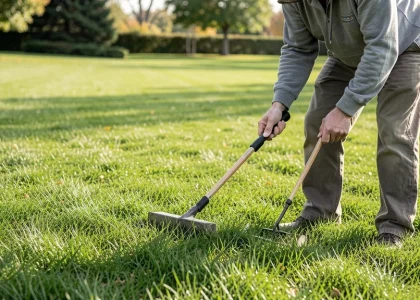
Proper preparation is key to successful overseeding. Start by mowing your lawn shorter than usual—about 1 to 2 inches. This allows seed to reach the soil more easily. Next, remove any debris, leaves, or clippings that could block seed-to-soil contact.
- Mow the lawn to 1-2 inches in height
- Rake the lawn to remove thatch and loosen the top ¼ inch of soil
- Remove leaves, sticks, and other debris
- Aerate compacted soil with a core aerator for better seed penetration
- Test soil pH (ideal range is 6.0-7.5) and amend if necessary
Warning: Avoid overseeding if your lawn has active disease or pest issues. Treat these problems first to prevent new grass from being damaged.
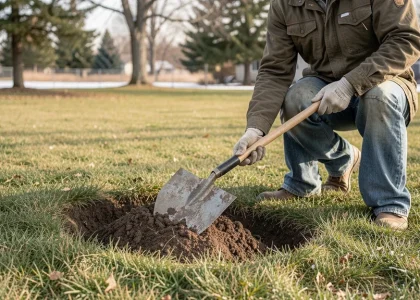
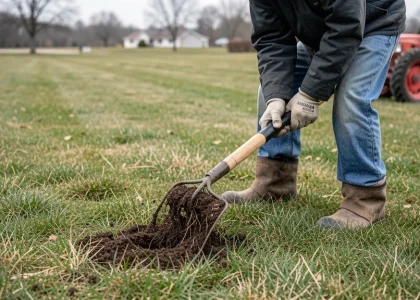
Soil preparation is often overlooked but critical. If your soil is compacted, use a core aerator to pull small plugs of soil out, creating holes for seed and fertilizer. This improves water and nutrient absorption. For bare spots, loosen the soil with a rake before seeding.
Step 2: Choose the Right Grass Seed and Fertilizer
Not all grass seed and fertilizer are created equal. The right choice depends on your lawn type, climate, and specific needs. For cool-season grasses like Kentucky bluegrass, fescue, or ryegrass, fall is the perfect time for overseeding. Warm-season grasses like Bermuda or Zoysia may need a different approach.
- Grass Seed Selection: Pick a high-quality seed blend that matches your existing lawn. Look for seeds with a high germination rate (90% or higher) and low weed content (less than 0.5%).
- Fertilizer Type: Use a slow-release nitrogen fertilizer (e.g., 20-0-5 or 24-0-6) to feed the lawn steadily over time. Avoid quick-release fertilizers, as they can burn new grass.
- Seed-to-Soil Contact: Ensure seeds make direct contact with the soil for better germination. Use a rake or overseeder to work seeds into the top layer of soil.
- Organic Options: For an organic approach, use compost or manure-based fertilizers. These improve soil health while providing nutrients.
| Grass Type | Best Seed Blend | Recommended Fertilizer |
|---|---|---|
| Kentucky Bluegrass | Bluegrass mix | 20-0-5 slow-release |
| Tall Fescue | Fescue blend | 24-0-6 slow-release |
| Perennial Ryegrass | Ryegrass or sun/shade mix | 18-0-4 slow-release |
| Bermuda (Warm Season) | Bermuda blend | 16-4-8 slow-release |
For most homeowners, a sun-and-shade mix works well for overseeding. This blend typically includes Kentucky bluegrass, fescue, and ryegrass, offering versatility for different light conditions.
Step 3: Apply Seed and Fertilizer Correctly
Timing and technique matter when applying seed and fertilizer. Start by spreading the seed evenly using a broadcast or drop spreader. For small areas, you can hand-seed, but a spreader ensures even coverage. After seeding, lightly rake the area to work the seeds into the soil.
- Calibrate Your Spreader: Adjust the spreader settings according to the seed and fertilizer bag instructions. This ensures you apply the correct amount.
- Apply Seed First: Spread the seed in two passes—first in one direction, then perpendicular to the first pass. This creates even coverage.
- Lightly Rake: Use a rake to gently work the seeds into the top ¼ inch of soil. Avoid burying seeds too deep, as they need light to germinate.
- Apply Fertilizer: Use a spreader to apply fertilizer evenly. Water lightly afterward to help it settle into the soil.
- Water Thoroughly: Water the lawn deeply (about ½ inch) immediately after applying seed and fertilizer. Keep the soil moist but not soggy for the first 2-3 weeks.
Important: Avoid walking on the lawn for at least 24 hours after overseeding to prevent disturbing the seeds. If you must walk on it, do so lightly and avoid dragging your feet.
For best results, overseed and fertilize on a calm day to prevent wind from blowing seed or fertilizer away. Early morning or late afternoon is ideal to reduce evaporation.
Step 4: Watering Schedule for New Grass
Watering is the most critical part of overseeding success. New grass seeds need consistent moisture to germinate and establish roots. The goal is to keep the soil moist but not waterlogged.
- First 2 Weeks: Water lightly twice a day (morning and afternoon) for 10-15 minutes per session. This keeps the soil surface moist without washing away seeds.
- Weeks 3-4: Reduce watering to once a day for 20-30 minutes. The goal is to encourage deeper root growth.
- After Germination: Once grass reaches 1-2 inches tall, water deeply (½ inch) 2-3 times per week. This helps roots grow deeper into the soil.
- Avoid Overwatering: Too much water can cause seeds to rot or wash away. Check soil moisture by pressing a finger into the soil—it should feel damp but not muddy.
- Adjust for Rain: If rain provides enough moisture, skip watering for that day. Use a rain gauge to track rainfall.
According to the University of Minnesota Extension, new grass seed requires about 1 inch of water per week, including rainfall, for optimal germination. Early morning watering is best to reduce evaporation and fungal growth.
Common Mistakes to Avoid
Even with the best intentions, it’s easy to make mistakes during overseeding and fertilizing. Avoiding these common pitfalls can mean the difference between a lush lawn and a patchy one.
| Mistake | Why It’s a Problem | How to Fix It |
|---|---|---|
| Skipping soil preparation | Seeds won’t make good contact with soil, reducing germination | Rake and aerate before seeding |
| Using old or low-quality seed | Low germination rates lead to thin, patchy grass | Buy fresh, high-quality seed with high germination rate |
| Over- or under-fertilizing | Too much fertilizer burns grass; too little starves it | Follow bag instructions for application rates |
| Not watering enough | Seeds dry out and fail to germinate | Water lightly twice daily for first 2 weeks |
| Mowing too soon | Can uproot new grass before it establishes | Wait until new grass reaches 3-4 inches tall |
Another common mistake is overseeding at the wrong time. If you seed too late in the fall, the new grass may not have enough time to establish roots before winter. Aim to finish overseeding at least 6-8 weeks before the first frost in your area.
Post-Overseeding Lawn Care Tips
Once your new grass starts growing, proper care ensures it thrives. The first few weeks are critical for establishing a strong root system. Here’s how to care for your lawn after overseeding and fertilizing.
- Mowing: Wait until the new grass reaches 3-4 inches tall before mowing. Set your mower blade to 2.5-3 inches to avoid cutting too short.
- Fertilizing Again: Apply a second round of fertilizer 4-6 weeks after overseeding to continue feeding the new grass.
- Leaf Management: Keep the lawn free of leaves and debris, which can smother new grass. Use a leaf blower or rake gently.
- Foot Traffic: Limit foot traffic on the lawn for the first 4-6 weeks to avoid damaging new grass.
- Weed Control: Avoid using herbicides until the new grass has been mowed at least 3-4 times. Herbicides can harm young grass.
Tip: If bare spots appear after overseeding, lightly rake the area and add more seed. Keep the soil moist until the new grass germinates.
Fall is also a good time to test your soil pH. If your soil is too acidic (pH below 6.0) or too alkaline (pH above 7.5), amending it with lime or sulfur can improve grass growth. A pH test kit is inexpensive and available at most garden centers.
Best Grass Types for Overseeding in Fall
Choosing the right grass type for overseeding depends on your climate, lawn conditions, and personal preferences. Cool-season grasses thrive in fall, while warm-season grasses may need a different approach.
- Kentucky Bluegrass: Ideal for cool climates with full sun to partial shade. Known for its lush, green appearance and good cold tolerance. Germinates in 14-30 days.
- Tall Fescue: Drought-tolerant and durable, great for high-traffic areas. Handles partial shade well. Germinates in 7-14 days.
- Perennial Ryegrass: Fast-germinating (5-10 days) and often used in mixes for quick coverage. Works well in sun and partial shade.
- Fine Fescue: Shade-tolerant and low-maintenance. Good for areas with less sunlight. Germinates in 10-14 days.
- Bermuda Grass: Warm-season grass that goes dormant in winter. Best for southern climates. Overseed with ryegrass in fall for winter color.
| Grass Type | Germination Time | Shade Tolerance | Drought Tolerance |
|---|---|---|---|
| Kentucky Bluegrass | 14-30 days | Moderate | Moderate |
| Tall Fescue | 7-14 days | High | High |
| Perennial Ryegrass | 5-10 days | Moderate | Low |
| Fine Fescue | 10-14 days | High | Moderate |
For most homeowners in cooler climates, a mix of Kentucky bluegrass, tall fescue, and perennial ryegrass offers the best balance of durability, appearance, and quick germination.
Frequently Asked Questions
Can I overseed and fertilize at the same time?
Yes, you can overseed and fertilize simultaneously. In fact, it’s recommended to apply a starter fertilizer with your seed to provide essential nutrients for germination. Just ensure the fertilizer is slow-release and won’t burn the new grass.
How long does it take for overseeded grass to grow?
Germination time varies by grass type. Perennial ryegrass can sprout in as little as 5-10 days, while Kentucky bluegrass may take 14-30 days. Most grasses will show visible growth within 2-3 weeks under ideal conditions.
Do I need to aerate before overseeding?
Aerating before overseeding is highly recommended, especially if your soil is compacted. Core aeration pulls small plugs of soil out, creating holes for seed and fertilizer to penetrate deeper. This improves seed-to-soil contact and root growth.
What’s the best fertilizer for overseeding in fall?
A slow-release nitrogen fertilizer with a ratio like 20-0-5 or 24-0-6 is ideal for fall overseeding. These fertilizers provide steady nutrients without burning new grass. Look for products labeled as “starter fertilizer” for best results.
How often should I water after overseeding?
Water lightly twice a day (morning and afternoon) for the first 2 weeks to keep the soil moist. After germination, reduce watering to once a day for 20-30 minutes. Once grass is established, water deeply 2-3 times per week.
Final Thoughts
How to overseed and fertilize lawn in fall is a straightforward process that can transform your lawn. By preparing the soil, choosing the right seed and fertilizer, and following a consistent watering schedule, you’ll give your lawn the best chance to thrive. Avoid common mistakes like skipping soil prep or underwatering, and your lawn will reward you with thicker, greener grass next spring.