Last Updated on October 11, 2026 by D. Ruddy
Maintaining a snow blower before storage is the single most effective way to ensure your machine starts reliably next winter. Skipping this step often leads to clogged carburetors, rusted components, and expensive repairs when you need the equipment most.
Simply put, proper off-season care prevents fuel degradation and corrosion. Drain old gas, clean the chute, lubricate moving parts, and store the unit in a dry place. This routine takes less than an hour but saves hundreds in repair costs.
Key Takeaways
- Snow blower maintenance prevents costly engine failures caused by stale fuel.
- Cleaning the auger housing stops ice buildup from damaging rubber belts.
- Lubricating pivot points ensures smooth operation after months of dormancy.
- Dry storage protects metal components from rust and electrical shorts.
- Battery removal extends lifespan and prevents acid leaks during winter.
Why You Must Clean the Chute and Auger Housing
Ice accumulation is the silent killer of snow blowers. Even small amounts of packed snow left inside the housing will freeze into hard chunks that strain the drive belt and shear pins. Thorough cleaning removes moisture traps where rust begins to form immediately.
You should wait for the machine to cool down completely before starting. Use a plastic scraper or wooden stick to dislodge heavy packs. Avoid metal tools that can scratch protective coatings on the internal surfaces.
🍂 The Silent Lawn Killer: Damp Leaves Will Suffocate Your Grass
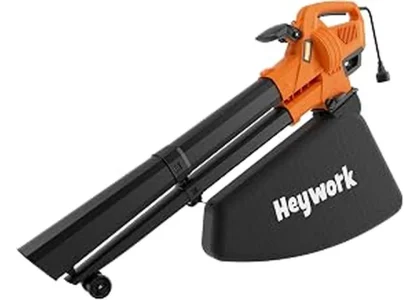
Trapped wet leaves create a breeding ground for destructive snow mold. Clear the yard fast with a high-power cordless blower before the ground freezes.
Scratches become breeding grounds for corrosion later.
- Remove all visible snow from the intake area using a stiff brush.
- Check the shear bolts for bending or shearing damage.
- Inspect the rubber auger paddles for cracks or excessive wear.
- Clear debris like rocks or sticks trapped in the mechanism.
- Wipe down the exterior with a damp cloth to remove salt residue.
- Allow the interior to air dry fully before covering the machine.
Warning: Never use sharp metal objects to scrape ice from rubber augers. This damages the material and causes imbalance during future operations.
How to Handle Fuel System Maintenance Correctly
Ethanol-blended gasoline degrades rapidly when sitting idle. Moisture absorption separates from the fuel, causing phase separation. This sludge clogs carburetor jets and injectors.
According to the EPA, untreated ethanol fuel can degrade within thirty days under poor conditions.
You have two viable options here. Either run the tank empty until the engine stalls, or add a stabilizer if storing for more than three months. Running it dry is safer for older machines without electronic fuel injection.
Stabilizers work best for modern units with complex fuel systems.
🍂 The Silent Lawn Killer: Damp Leaves Will Suffocate Your Grass
Trapped wet leaves create a breeding ground for destructive snow mold. Clear the yard fast with a high-power cordless blower before the ground freezes.
| Method | Best For | Risk Factor |
|---|---|---|
| Drain Tank Completely | Carbureted engines | Low risk of gumming |
| Add Fuel Stabilizer | Fuel injected engines | Requires correct dosage |
| Leave Old Gas | Nobody | High chance of failure |
If you choose stabilization, fill the tank nearly full to minimize condensation space. Run the engine for five minutes to circulate treated fuel through the system. Check the owner manual for specific brand recommendations regarding additive types.
What Are the Essential Lubrication Points?
Metal-on-metal friction causes seizing during long periods of inactivity. Grease displaces moisture and creates a barrier against oxidation. Focus on high-stress areas where movement occurs frequently during operation.
Neglecting these spots leads to stiff controls and broken linkages.
Apply white lithium grease to all zerk fittings and exposed pivots. Pay special attention to the wheel axles and steering mechanisms. These components bear the weight of the machine and resist turning when frozen shut.
A little effort now saves significant force later.
- Grease the auger release cable ends and pulleys.
- Lubricate the chute rotation gears and crank handle.
- Apply oil to the throttle and choke linkage rods.
- Grease the wheel bearings if they are accessible via zerks.
- Treat the drive belt with a dedicated belt dressing spray.
Belt conditioning sprays prevent cracking and glazing. Dry rot makes belts snap under load unexpectedly. Spray lightly along both sides of the belt while rotating the pulley manually.
🍂 The Silent Lawn Killer: Damp Leaves Will Suffocate Your Grass
Trapped wet leaves create a breeding ground for destructive snow mold. Clear the yard fast with a high-power cordless blower before the ground freezes.
Ensure no overspray hits hot exhaust components or brake pads.
How Does Battery Care Impact Longevity?
Cold weather drains battery capacity significantly. Leaving a discharged battery connected invites sulfation. Lead-acid batteries suffer permanent capacity loss if stored empty.
Lithium-ion cells face safety risks if deeply depleted for extended periods.
Disconnect the negative terminal first to prevent short circuits. Remove the battery entirely if possible. Store it indoors at room temperature away from direct sunlight.
Charge it halfway for optimal preservation chemistry. Top it off monthly if storage exceeds six months.
🍂 The Silent Lawn Killer: Damp Leaves Will Suffocate Your Grass
Trapped wet leaves create a breeding ground for destructive snow mold. Clear the yard fast with a high-power cordless blower before the ground freezes.
- Clean terminals with baking soda and water solution.
- Coat posts with petroleum jelly to stop corrosion.
- Store upright to prevent electrolyte leakage.
- Avoid freezing temperatures which crack casings.
- Reconnect only after warming up to ambient temp.
Important: Modern smart chargers maintain float voltage automatically. Using one eliminates the need for monthly manual checks.
Where Should You Store the Machine Safely?
Environment dictates preservation success. Damp garages accelerate rust formation on steel frames. Direct UV exposure degrades plastic housings and rubber seals.
Choose a location that balances temperature stability and humidity control.
Ideal spots include heated sheds or insulated basements. If outdoor storage is unavoidable, use a waterproof cover designed specifically for power equipment. Generic tarps trap condensation underneath.
Breathable covers allow moisture vapor to escape while blocking rain and snow.
| Storage Location | Humidity Risk | Temperature Stability |
|---|---|---|
| Heated Garage | Low | High |
| Unheated Shed | Medium | Variable |
| Outdoor Covered | High | Poor |
Raise the machine slightly off concrete floors using pallets or ramps. Concrete draws moisture upward through capillary action. Air circulation beneath the chassis prevents bottom-side rust.
🍂 The Silent Lawn Killer: Damp Leaves Will Suffocate Your Grass
Trapped wet leaves create a breeding ground for destructive snow mold. Clear the yard fast with a high-power cordless blower before the ground freezes.
Secure wheels with chocks to prevent rolling accidents during storage.
Which Common Mistakes Ruin Winter Equipment?
Many owners assume mechanical simplicity means low maintenance needs. However, precision tolerances in augers and transmissions demand careful handling. Ignoring minor issues compounds them into major failures over time.
Proactive inspection catches problems early.
Do not forget to check spark plugs. Fouled plugs cause misfires and hard starting. Replace them annually regardless of condition.
Inspect air filters for dirt blockage. Clogged filters reduce efficiency and increase fuel consumption drastically.
- Leaving oil unchanged allows acidic contaminants to eat bearings.
- Ignoring worn shear pins reduces protection against jammed augers.
- Failing to tighten loose bolts causes vibration damage.
- Storing with wet clothes or gear inside attracts pests.
- Using incompatible fuels voids manufacturer warranties instantly.
Change the engine oil before storage, not after. Used oil contains combustion byproducts that corrode internal parts. Fresh oil coats cylinders and protects against rust during downtime.
🍂 The Silent Lawn Killer: Damp Leaves Will Suffocate Your Grass
Trapped wet leaves create a breeding ground for destructive snow mold. Clear the yard fast with a high-power cordless blower before the ground freezes.
Consult your service guide for viscosity grades suitable for cold climates.
Frequently Asked Questions
Can I leave my snow blower outside in winter?
Yes, but only with a breathable, waterproof cover. Standard tarps trap moisture and cause rapid rusting. Elevate the unit off the ground to prevent water pooling underneath.
Regular inspections help catch pest infestations early.
How often should I change the oil?
Change oil every season before storage or after fifty hours of use. Dirty oil accelerates wear on pistons and rings. Always replace the filter simultaneously.
Use synthetic blends for better cold-weather flow properties.
🍂 The Silent Lawn Killer: Damp Leaves Will Suffocate Your Grass
Trapped wet leaves create a breeding ground for destructive snow mold. Clear the yard fast with a high-power cordless blower before the ground freezes.
Do I need to disconnect the battery?
Removing the battery preserves its charge longer and prevents drain on vehicle electronics. Store it indoors at moderate temperatures. Recharge it partially before putting it away.
Deep discharge kills lead-acid cells permanently.
Is fuel stabilizer really necessary?
For storage exceeding thirty days, yes. Ethanol absorbs water quickly, leading to phase separation. Stabilizers neutralize acidity and keep fuel fresh.
Without them, carburetor cleaning becomes inevitable eventually.
What happens if I skip cleaning the chute?
Packed snow freezes into solid blocks that stress drive belts. Shear pins may break prematurely under load. Rust forms on inner walls due to retained moisture.
Cleaning ensures smooth discharge next season.
🍂 The Silent Lawn Killer: Damp Leaves Will Suffocate Your Grass
Trapped wet leaves create a breeding ground for destructive snow mold. Clear the yard fast with a high-power cordless blower before the ground freezes.
Final Thoughts
Maintaining a snow blower before storage requires minimal time but delivers maximum reliability. Focus on drying out the system, protecting moving parts, and securing safe placement. These steps extend the life of your investment significantly.
Prepare properly today so tomorrow’s storm finds you ready.