Compost and fertilizer both feed your lawn. But they work in completely different ways. One feeds the soil. The other feeds the plant. Knowing the difference changes how you care for your grass.
I use both compost and fertilizer on my lawn. But not at the same time and not for the same reasons. Here is when to use each one.
What Compost Does for Your Lawn
Compost is decomposed organic matter. Leaves, grass clippings, food scraps, and wood chips broken down into a dark crumbly material. Compost feeds the soil life. Earthworms, bacteria, fungi. The tiny workers that keep soil healthy.
Compost improves soil structure. It loosens clay soil. It helps sandy soil hold water. It adds organic matter that feeds microbes for months. Compost does not have high NPK numbers. It is usually around 1-1-1 or 2-1-1. But those numbers do not tell the story.
Compost builds long-term soil health. It is a slow, steady improvement. You will not see your lawn turn deep green overnight. But over a year or two, your soil becomes richer and your grass grows stronger.
What Fertilizer Does for Your Lawn
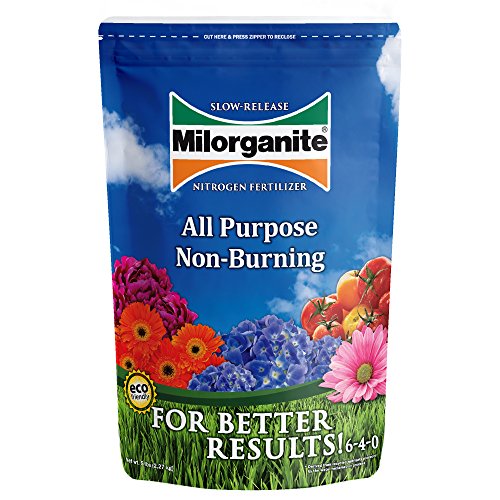
Fertilizer delivers concentrated nutrients directly to grass plants. Nitrogen for green growth. Phosphorus for roots. Potassium for stress tolerance. The NPK numbers are high. Synthetic fertilizers might be 30-0-4. Even organic fertilizers like Milorganite are 6-4-0.
🍂 The Silent Lawn Killer: Damp Leaves Will Suffocate Your Grass
Trapped wet leaves create a breeding ground for destructive snow mold. Clear the yard fast with a high-power cordless blower before the ground freezes.
Fertilizer works fast. Synthetic fertilizer greens up grass in a week. Organic fertilizer takes two weeks. Compost takes months to show visible results. Fertilizer is for the plant. Compost is for the soil.
Compost vs Fertilizer: Side-by-Side
| Feature | Compost | Fertilizer |
|---|---|---|
| Feeds | Soil life | Grass plants |
| Speed | Slow (months) | Fast (days to weeks) |
| NPK | Low, around 1-1-1 | High, up to 30-0-4 |
| Improves soil structure | Yes | No |
| Burn risk | Zero | Moderate to high |
| Application rate | 1/4 to 1/2 inch layer | Pounds per 1,000 sq ft |
| Cost per application | $30-60 (bulk delivery) | $15-30 per bag |
When to Use Compost on Your Lawn
I top-dress my lawn with compost once per year in early spring. I spread a quarter inch layer across the entire lawn. It looks messy for about a week. Then it filters down into the grass and disappears.
Compost is best for improving poor soil. If you have heavy clay, sandy soil, or compacted ground, compost makes a bigger difference than fertilizer. Fix the soil first. Then fertilize for maintenance.
Compost is also great after aeration. The compost fills the aeration holes and gets organic matter deep into the root zone. I always apply compost right after aerating.
When to Use Fertilizer on Your Lawn
Fertilizer is for regular feeding during the growing season. I fertilize four times per year. Spring, early summer, early fall, and late fall. Each feeding gives grass a targeted nutrient boost.
Fertilizer is best when your soil is already in decent shape. If your pH is right and your soil drains well, fertilizer is all you need for a green lawn. You do not need compost every year on good soil.
🍂 The Silent Lawn Killer: Damp Leaves Will Suffocate Your Grass
Trapped wet leaves create a breeding ground for destructive snow mold. Clear the yard fast with a high-power cordless blower before the ground freezes.
Use fertilizer when you need fast results. A party in two weeks? Synthetic fertilizer greens up the lawn in time. Compost will not show results for months.
Can You Use Compost and Fertilizer Together?
Yes. I do it every year. Compost in early spring to build soil. Then regular fertilizer feedings through the growing season. The compost improves the soil structure. The fertilizer provides the nutrients. They work together.
But space them apart. Do not apply compost and fertilizer on the same day. Wait at least two weeks between applications. You want the compost to start breaking down before adding concentrated fertilizer on top.
The Best Strategy for Most Homeowners
Year one: focus on compost. Top-dress in spring and fall. Fix the soil foundation. If your soil is poor, no amount of fertilizer will give you a great lawn.
Year two and beyond: compost once in spring. Fertilize three to four times during the growing season. This maintains soil health while giving grass the nutrients it needs for color and growth.
This strategy transformed my lawn. The first year of compost made my clay soil workable. The fertilizer feedings keep it green. Together they produce a lawn that neighbors ask about.
🍂 The Silent Lawn Killer: Damp Leaves Will Suffocate Your Grass
Trapped wet leaves create a breeding ground for destructive snow mold. Clear the yard fast with a high-power cordless blower before the ground freezes.
Frequently Asked Questions
Can I use compost instead of fertilizer?
Compost can replace fertilizer if your soil is already in good shape. Compost provides slow-release nutrients and improves soil health. But for a deep green lawn that grows fast, you will want fertilizer too. Compost alone gives a healthy but not perfectly manicured lawn.
How much compost do I need for my lawn?
For top-dressing, apply a quarter to half inch layer. That equals about one cubic yard of compost per 1,000 square feet. A half-inch layer covers about 500 square feet per cubic yard.
Is compost or fertilizer better for a new lawn?
Compost is better before seeding a new lawn. Till one to two inches of compost into the top six inches of soil. This creates the perfect seedbed. After the grass is established, switch to fertilizer for ongoing feeding.
Can too much compost hurt my lawn?
Yes. Too much compost smothers grass. Stick to a quarter to half inch layer when top-dressing. Thicker layers block sunlight and air from reaching the grass. More is not better with compost.

🍂 The Silent Lawn Killer: Damp Leaves Will Suffocate Your Grass
Trapped wet leaves create a breeding ground for destructive snow mold. Clear the yard fast with a high-power cordless blower before the ground freezes.