Last Updated on October 22, 2026 by D. Ruddy
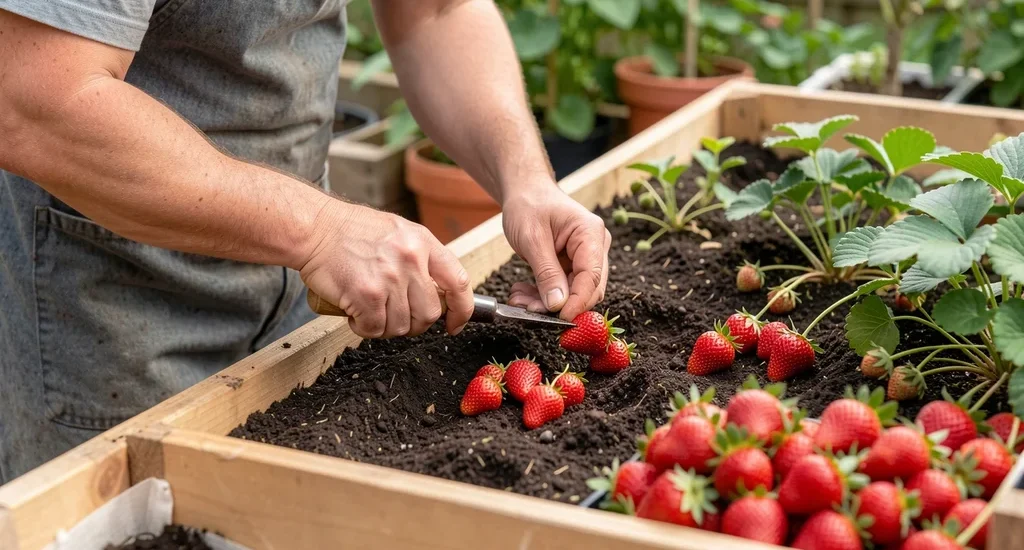
There’s nothing quite like the taste of fresh, homegrown strawberries picked straight from your garden. Learning how to grow strawberries is easier than you think, and with the right care, you can enjoy sweet, juicy berries season after season. Whether you have a spacious backyard or just a small balcony, strawberries are adaptable and rewarding to cultivate.
You can grow strawberries successfully by choosing the right variety, planting in well-draining soil, and ensuring they get 6-10 hours of sunlight daily. With proper watering and care, your plants will thrive and produce abundant fruit.
What You Need to Get Started
Before you start, gather the essentials to set your strawberry plants up for success. The right tools and materials make the process smoother and increase your chances of a bountiful harvest. Here’s what you’ll need:
- Healthy strawberry plants or seeds: Choose disease-resistant varieties like ‘Albion’, ‘Seascape’, or ‘Chandler’ for beginners.
- Well-draining soil: Strawberries thrive in slightly acidic soil with a pH between 5.5 and 6.8. Use a mix of compost and garden soil for best results.
- Containers or garden space: You can grow strawberries in pots, hanging baskets, raised beds, or directly in the ground. Ensure containers have drainage holes.
- Fertilizer: A balanced, organic fertilizer or compost helps provide the nutrients strawberries need for growth.
- Mulch: Use straw or pine needles to retain moisture, suppress weeds, and keep the fruit clean.
- Watering can or drip irrigation: Strawberries need consistent moisture, so a reliable watering system is key.
- Gardening tools: A trowel, pruners, and gloves will help with planting and maintenance.
According to the University of California Agriculture & Natural Resources, strawberries require consistent moisture but hate soggy roots. This makes proper drainage a non-negotiable factor for success.
Choosing the Best Strawberry Varieties
Not all strawberries are created equal. Some varieties are better suited for certain climates, while others excel in containers or produce fruit at different times of the year. Here’s a breakdown of the most popular types:
| Type | Description | Best For |
|---|---|---|
| June-bearing | Produces one large harvest in early summer. Ideal for fresh eating, jams, and freezing. | Cold climates, garden beds |
| Everbearing | Produces two to three smaller harvests throughout the growing season. | Containers, hanging baskets |
| Day-neutral | Produces fruit continuously as long as temperatures are between 40°F and 90°F. | Mild climates, year-round growing |
For beginners, day-neutral varieties like ‘Albion’ or ‘Seascape’ are excellent choices because they produce fruit throughout the growing season. If you live in a colder climate, June-bearing strawberries might be your best bet for a single, abundant harvest.
Tip: If space is limited, opt for everbearing or day-neutral varieties. They’re perfect for containers and small gardens, and they’ll keep producing berries all season long.
Step by Step How to Plant Strawberries
Planting strawberries correctly gives them the best start for healthy growth and a productive harvest. Follow these steps to ensure your plants establish well and thrive.
- Pick the right time: Plant strawberries in early spring or late summer/early fall, depending on your climate. This allows the plants to establish roots before extreme temperatures hit. In warmer climates, fall planting is often more successful.
- Prepare the soil: Loosen the soil to a depth of at least 12 inches and mix in plenty of compost or aged manure. Strawberries prefer slightly acidic soil with a pH between 5.5 and 6.8. Test your soil if you’re unsure—kits are available at most garden centers.
- Space the plants properly: If planting in rows, space plants 18–24 inches apart with 3–4 feet between rows. For containers, ensure each plant has at least 8–10 inches of space. Crowding leads to disease and poor fruit production.
- Plant at the right depth: Dig a hole large enough to accommodate the roots. Place the plant so the crown (where the leaves meet the roots) sits just above the soil line. Burying the crown too deep can cause rot, while planting it too high can dry out the roots.
- Water thoroughly: After planting, give each plant a deep watering to help settle the soil and eliminate air pockets. Keep the soil consistently moist but not waterlogged during the first few weeks.
- Add mulch: Apply a 2–3 inch layer of straw, pine needles, or shredded leaves around the plants to retain moisture, suppress weeds, and protect the fruit from soil-borne diseases. Avoid using plastic mulch, as it can trap too much moisture.
The Old Farmer’s Almanac recommends planting strawberries on a cloudy day or in the late afternoon to reduce stress on the plants. This helps prevent wilting and gives them a better chance to acclimate to their new home.
Warning: Avoid planting strawberries where tomatoes, peppers, or potatoes have grown recently. These plants can leave behind diseases like verticillium wilt, which can harm strawberries.
Strawberry Care Tips for Healthy Growth
Strawberries are relatively low-maintenance, but they do require consistent care to produce the best fruit. Proper watering, fertilizing, and pruning will keep your plants healthy and productive for years.
Watering
Strawberries need consistent moisture, especially during the fruiting season. Aim to keep the soil evenly moist but not soggy. Here’s how to water them effectively:
- Frequency: Water deeply 1–2 times per week, depending on rainfall and temperature. In hot, dry weather, you may need to water every other day.
- Method: Use a drip irrigation system or soaker hose to water at the base of the plants. Avoid wetting the leaves to reduce the risk of fungal diseases like gray mold.
- Morning watering: Water early in the day so the foliage has time to dry before evening. This helps prevent fungal growth.
- Mulch retention: Mulch helps retain moisture, so check the soil beneath it. If the top inch of soil feels dry, it’s time to water.
Fertilizing
Strawberries are heavy feeders and benefit from regular fertilization. However, too much fertilizer can lead to excessive leafy growth and fewer berries. Stick to these guidelines:
- Timing: Fertilize at planting time, then again every 3–4 weeks during the growing season. Stop fertilizing in late summer to avoid encouraging new growth that could be damaged by frost.
- Type of fertilizer: Use a balanced, organic fertilizer (10-10-10) or compost. Avoid high-nitrogen fertilizers, as they promote leafy growth at the expense of fruit.
- Application: Sprinkle fertilizer around the base of the plants, keeping it at least 6 inches away from the crown. Water thoroughly after applying.
Pruning and Maintenance
Regular pruning keeps strawberry plants healthy and productive. Remove old or damaged leaves to improve airflow and reduce disease risk. Here’s what to do:
- Remove runners: Unless you want to propagate new plants, pinch off runners (long stems that produce baby plants) to direct the plant’s energy toward fruit production.
- Thin plants: If your strawberry bed becomes crowded, thin out older plants after 2–3 years to make room for new, more productive ones.
- Renovate June-bearing strawberries: After harvest, mow or cut back the foliage to about 1 inch above the crown. This encourages new growth and a better harvest next year.
According to the University of Minnesota Extension, strawberry plants typically produce well for 2–3 years before their yield declines. Renovating or replacing plants every few years ensures consistent production.
Common Strawberry Growing Mistakes to Avoid
Even experienced gardeners can make mistakes when growing strawberries. Being aware of these common pitfalls will help you avoid them and ensure a successful harvest.
- Overcrowding plants: Planting strawberries too close together leads to poor air circulation, which increases the risk of fungal diseases. Always follow spacing guidelines based on the variety you’re growing.
- Ignoring soil quality: Strawberries need well-draining, slightly acidic soil. Planting in heavy clay or sandy soil without amendment can stunt growth and reduce fruit production.
- Inconsistent watering: Fluctuating moisture levels can cause berries to split or develop poor flavor. Use mulch to retain moisture and water consistently, especially during dry spells.
- Skipping mulch: Mulch isn’t just for looks—it keeps the fruit clean, retains moisture, and suppresses weeds. Without it, your strawberries are more susceptible to rot and pests.
- Over-fertilizing: Too much fertilizer, especially high-nitrogen types, results in lush foliage but few berries. Stick to a balanced fertilizer and follow the recommended application rates.
- Neglecting pest control: Strawberries attract pests like slugs, snails, and birds. Use organic pest control methods like diatomaceous earth, row covers, or companion planting to protect your crop.
Important: If you notice yellowing leaves or stunted growth, your plants may be suffering from a nutrient deficiency or disease. Test your soil and adjust your care routine as needed.
How to Protect Strawberries from Pests and Diseases
Strawberries are a favorite snack for many pests, and they’re also prone to certain diseases. Taking proactive steps to protect your plants ensures a healthy, productive crop. Here’s how to keep common issues at bay:
Common Pests
Several pests enjoy strawberries as much as we do. Here’s how to identify and manage them:
| Pest | Signs of Damage | Control Methods |
|---|---|---|
| Slugs and Snails | Holes in berries, slime trails on leaves | Handpick, use beer traps, or apply diatomaceous earth. Copper tape around beds can also deter them. |
| Birds | Missing or pecked berries | Use bird netting or reflective tape. Plant decoy crops like raspberries to distract them. |
| Spider Mites | Yellow or bronzed leaves, fine webbing | Spray plants with water to dislodge mites. Use insecticidal soap or neem oil for severe infestations. |
| Aphids | Curled leaves, sticky residue (honeydew) | Introduce beneficial insects like ladybugs. Use insecticidal soap or a strong blast of water. |
Common Diseases
Strawberries are susceptible to fungal and bacterial diseases, especially in wet or humid conditions. Here’s how to prevent and treat them:
- Gray Mold (Botrytis): This fungal disease causes fuzzy gray growth on berries and leaves. It thrives in wet conditions. To prevent it, ensure good air circulation, avoid overhead watering, and remove infected plant parts immediately. Apply fungicide if necessary.
- Powdery Mildew: White, powdery spots on leaves indicate this fungal issue. It’s common in crowded plants. Space plants properly, water at the base, and remove affected leaves. Neem oil can help control it.
- Verticillium Wilt: This soil-borne fungus causes wilting, yellowing, and stunted growth. Avoid planting strawberries in soil where tomatoes, potatoes, or peppers have grown. Remove and destroy infected plants.
- Leaf Spot: Circular purple or brown spots on leaves can lead to defoliation. Remove infected leaves and avoid overhead watering. Fungicides can help in severe cases.
The University of California Statewide Integrated Pest Management Program reports that strawberry plants grown in raised beds or containers often experience fewer disease issues due to improved drainage and air circulation.
Harvesting Strawberries the Right Way
Knowing when and how to pick strawberries ensures you get the best flavor and quality. Harvesting at the right time also encourages the plant to produce more fruit. Here’s what you need to know:
When to Harvest
Strawberries are ready to pick when they’re fully red, from the tip to the stem. The berries should be firm but slightly soft to the touch. Here are some signs to look for:
- Color: The entire berry, including the area near the stem, should be a deep, even red. White or green patches mean the berry isn’t ripe yet.
- Size: Strawberries reach their full size when ripe. Smaller berries may still be growing.
- Texture: Gently squeeze the berry. It should yield slightly but not be mushy. Overripe strawberries will feel soft and may have a fermented smell.
- Season: June-bearing strawberries typically ripen over a 2–3 week period in early summer. Everbearing and day-neutral varieties produce fruit throughout the growing season.
How to Pick Strawberries
Picking strawberries correctly prevents damage to the plant and the fruit. Follow these steps for the best results:
- Use the right technique: Grasp the stem just above the berry and gently twist or pull. Avoid pulling the berry itself, as this can damage the plant.
- Pick with the stem intact: Leaving a small piece of stem attached to the berry helps prevent bruising and extends its shelf life.
- Harvest regularly: Check your plants every 2–3 days during peak production. Ripe strawberries can spoil quickly, especially in hot weather.
- Handle with care: Strawberries bruise easily, so place them gently in your container. Use shallow containers to avoid crushing the berries at the bottom.
Tip: Harvest strawberries in the morning when they’re cool and firm. This helps them stay fresh longer. Avoid picking berries when they’re wet, as this can lead to mold.
Storing and Preserving Strawberries
Fresh strawberries are best enjoyed right after picking, but you can store them for a few days or preserve them for later use. Here’s how to extend their shelf life:
- Short-term storage: Store unwashed strawberries in the refrigerator in a single layer on a paper towel-lined container. They’ll keep for 3–5 days. Wash them just before eating to prevent spoilage.
- Freezing: Wash, dry, and remove the stems from the berries. Spread them in a single layer on a baking sheet and freeze until solid. Transfer to a freezer bag or container. Frozen strawberries keep for up to 12 months and are great for smoothies or baking.
- Drying: Slice strawberries and dry them in a dehydrator or low-temperature oven. Store dried berries in an airtight container in a cool, dark place.
- Making jam: Strawberry jam is a delicious way to preserve your harvest. Use a simple recipe with sugar, lemon juice, and pectin for a homemade treat that lasts up to a year.
According to the National Center for Home Food Preservation, strawberries are one of the easiest fruits to preserve at home due to their high acidity, which helps prevent spoilage.
Propagating Strawberries for More Plants
Strawberries are easy to propagate, which means you can grow more plants from your existing ones without buying new ones. This is a cost-effective way to expand your strawberry patch or share plants with friends. Here’s how to do it:
Propagating from Runners
Strawberry plants produce runners—long stems with baby plants (called “daughter plants”) at the end. These runners are the easiest way to propagate new plants. Follow these steps:
- Identify healthy runners: Look for runners that have developed small daughter plants with their own roots. These are ready to be propagated.
- Pin the runner: Once the daughter plant has a few roots, gently pin the runner to the soil with a small stake or rock. This encourages the plant to root into the ground.
- Wait for roots to establish: After 2–3 weeks, the daughter plant should have a strong root system. You can check by gently tugging on the runner—if it resists, the roots have taken hold.
- Cut the runner: Once the daughter plant is well-rooted, use clean scissors or pruners to cut the runner connecting it to the mother plant. Be careful not to damage the new plant’s roots.
- Transplant or leave in place: You can leave the new plant where it is or carefully dig it up and transplant it to a new location. Water thoroughly after transplanting.
Propagating from Seeds
While it’s less common, you can also grow strawberries from seeds. This method is slower and less reliable than propagating from runners, but it’s a fun experiment. Here’s how:
- Collect seeds: Save seeds from a ripe strawberry by gently scraping them off the surface with a knife. Let them dry for a few days.
- Plant seeds: Sow the seeds in a seed-starting mix, barely covering them with soil. Keep the soil moist and warm (around 70°F).
- Provide light: Place the seed tray in a bright location or under grow lights. Seeds typically germinate in 2–4 weeks.
- Transplant seedlings: Once the seedlings have 2–3 true leaves, transplant them into individual pots or a garden bed. Handle them carefully, as strawberry seedlings are delicate.
Important: Strawberries grown from seeds may not produce fruit identical to the parent plant. For consistent results, propagating from runners is the better option.
Frequently Asked Questions
How long does it take for strawberries to grow from seed?
Strawberries grown from seed can take anywhere from 4–6 weeks to germinate and up to a year to produce fruit. This is why most gardeners prefer propagating from runners or buying established plants, which can produce berries in their first growing season.
Can I grow strawberries indoors?
Yes, you can grow strawberries indoors in containers, provided they get enough light. Use a south-facing window or grow lights to give them 6–10 hours of light daily. Day-neutral varieties like ‘Albion’ or ‘Seascape’ are best suited for indoor growing.
Why are my strawberries small or misshapen?
Small or misshapen strawberries are often a sign of poor pollination, inconsistent watering, or nutrient deficiencies. Ensure your plants are getting enough sunlight, water, and fertilizer. If pollinators are lacking, you can hand-pollinate the flowers with a small brush.
How do I winterize strawberry plants?
In colder climates, strawberry plants need protection from freezing temperatures. After the first hard frost, cover the plants with a thick layer of straw or pine needles (4–6 inches). In containers, move pots to a sheltered location like a garage or basement where temperatures stay above freezing.
Are strawberry plants perennial?
Yes, strawberry plants are perennial, meaning they come back year after year. However, their productivity declines after 2–3 years. For the best harvests, replace or renovate your strawberry bed every few years with fresh plants.
Final Thoughts
Growing strawberries at home is a rewarding experience that yields delicious, fresh fruit with minimal effort. By choosing the right variety, providing proper care, and avoiding common mistakes, you can enjoy a bountiful harvest season after season. Whether you have a spacious garden or a small balcony, there’s a strawberry-growing method that will work for you.
Start small, stay consistent, and soon you’ll be enjoying the sweet taste of homegrown berries.