Last Updated on October 22, 2026 by D. Ruddy
If your freshly laid sod looks like a warzone every morning, how to keep raccoons from digging up new sod at night is likely your top search. These nocturnal pests love soft soil for foraging, turning your lawn into their personal buffet. The good news is you can stop them with the right mix of deterrents, barriers, and smart landscaping tweaks.
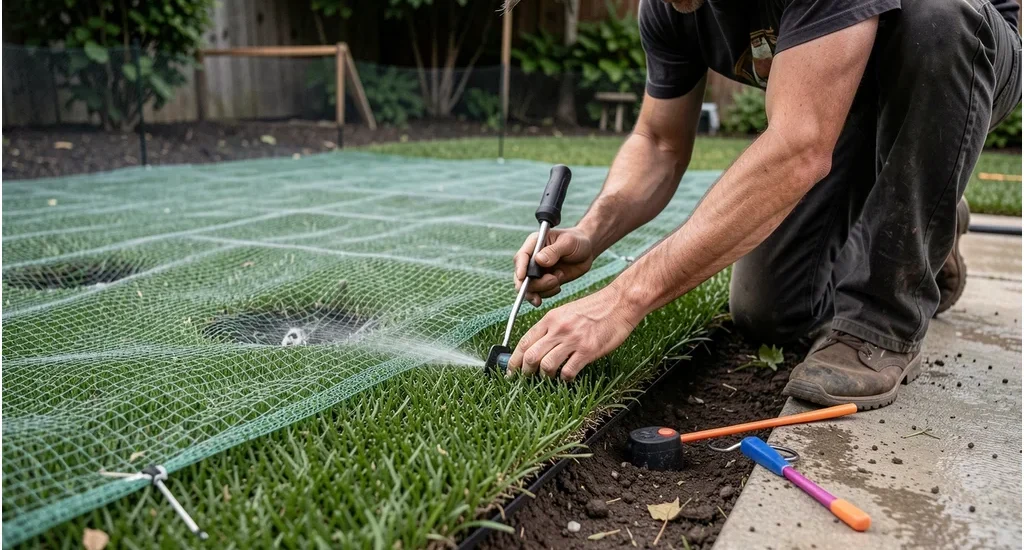
Use motion-activated sprinklers and secure netting over new sod at dusk. Remove food attractants like grubs and pet food. Raccoons hate disruption and will move on if your yard isn’t an easy target.
Why Raccoons Target New Sod
Raccoons dig for food, and new sod is like a dinner bell. The loose soil makes it easy for them to hunt for grubs, worms, and larvae. According to the National Wildlife Control Operators Association, raccoons can tear up 10-20 square feet of turf in a single night when food is abundant. Fresh sod also retains moisture, attracting insects that raccoons crave.
- Grubs and larvae are the primary attractants in new sod
- Soft, loose soil is easier to dig than established lawns
- Moisture in fresh sod draws insects to the surface
- Raccoons have sensitive paws that detect movement underground
- Nighttime activity peaks between 10 PM and 2 AM
Tip: Check for grubs by lifting a corner of sod. If you see white, C-shaped larvae, you’ve found the raccoon’s motivation.
New sod lacks deep root systems, making it simple for raccoons to peel back sections. The University of Nebraska-Lincoln reports that raccoons can roll back sod like carpet when searching for food. This behavior isn’t just annoying—it can set back your lawn establishment by weeks.
Pre-Dusk Prevention Tactics
Timing is everything with raccoon control. These animals are creatures of habit, so disrupting their routine before they start digging is key. Begin your prevention efforts at least 30 minutes before sunset, as raccoons typically begin foraging at dusk.
- Lay down temporary netting over the sod, securing edges with landscape staples
- Apply grub control treatment if you suspect insect activity
- Remove all potential food sources from your yard
- Secure trash cans with bungee cords
- Pick up fallen fruit from trees
| Prevention Method | Effectiveness | Duration |
|---|---|---|
| Netting | High | Until sod establishes |
| Grub Control | Medium | 4-6 weeks |
| Motion Sprinklers | Very High | Ongoing |
The most effective pre-dusk tactic is securing physical barriers. Hardware cloth or plastic netting works best when stretched taut over the sod. Avoid using heavy materials that could damage the new grass. For chemical prevention, apply milky spore or beneficial nematodes to target grubs at their source.
Physical Barriers That Work
Not all barriers are created equal when it comes to raccoon-proofing your sod. The best options combine visibility with durability. Raccoons are smart and can remove loosely placed barriers, so secure installation is crucial.
Chicken Wire or Hardware Cloth
This is the gold standard for physical protection. Use 1/4-inch mesh to prevent raccoons from reaching through. Stretch it taut about 2-3 inches above the sod and secure the edges with landscape staples or bricks.
- Allows water and sunlight to reach the sod
- Can be removed once sod is established (usually 2-3 weeks)
- Reusable for future lawn projects
- More durable than plastic netting
Plastic Bird Netting
Lightweight and easy to install, plastic netting works well for temporary protection. Choose a mesh size smaller than 1 inch to prevent raccoons from reaching through. The downside is it’s less durable and can tear in windy conditions.
- Less visible than wire mesh
- Easy to cut to custom sizes
- Should be replaced every few weeks
- Best for small areas
Temporary Fencing
For larger areas, consider a temporary electric fence or low barrier fence. A one-strand electric wire about 6 inches off the ground can deter raccoons. For non-electric options, a 2-foot high fence buried 6 inches deep works well.
- Most effective for large sodded areas
- Requires more effort to install
- Can be moved as sod establishes
- Electric options need power source
Warning: Never use electric fencing in areas where children or pets might access it. Always follow manufacturer safety guidelines.
Natural Raccoon Deterrents
Raccoons have a strong sense of smell, which makes natural deterrents particularly effective. These methods work best when rotated, as raccoons can become accustomed to single deterrents over time.
- Predator urine (coyote or fox) – Available at garden centers
- Hot pepper spray – Mix cayenne pepper with water and dish soap
- Ammonia-soaked rags – Place in small containers around the yard
- Vinegar solution – Spray around the perimeter of the sod
- Epsom salt – Sprinkle lightly over the sod area
For best results, reapply natural deterrents after rain or every 3-4 days. The Humane Society reports that rotating 2-3 different natural deterrents increases effectiveness by up to 70%.
| Deterrent | Duration | Reapplication |
|---|---|---|
| Predator Urine | 3-4 weeks | Monthly |
| Hot Pepper Spray | 1-2 weeks | After rain |
| Ammonia Rags | 2-3 weeks | Weekly |
Natural deterrents work by creating an unpleasant environment for raccoons without harming them. The key is consistency—raccoons are persistent and will return if they think the coast is clear. Always test natural deterrents on a small area of sod first to ensure they won’t damage your new grass.
Motion-Activated Solutions
Technology offers some of the most effective raccoon deterrents available. Motion-activated devices work by surprising raccoons when they enter your yard, creating a negative association with the area.
Motion-Activated Sprinklers
These are the most effective technological solution, with studies showing up to 90% effectiveness in deterring raccoons. When motion is detected, a burst of water startles the animal and sends it running. The Orbit Enforcer and ScareCrow are popular models.
- Covers areas up to 1,200 square feet
- Adjustable sensitivity and spray duration
- Also waters your lawn
- Works for other pests like deer and rabbits
Motion-Activated Lights
Bright lights can startle raccoons, especially when combined with sound. LED motion lights are energy-efficient and can cover large areas. For best results, position lights to illuminate the sod area directly.
- Solar-powered options available
- Can be combined with cameras for monitoring
- Less effective than sprinklers but good supplement
- Works best in conjunction with other deterrents
Ultrasonic Repellents
These devices emit high-frequency sounds that are unpleasant to raccoons but inaudible to humans. While effectiveness varies, some users report good results with devices like the Predator Guard.
- Covers areas up to 5,000 square feet
- Weather-resistant designs available
- Safe for pets and children
- May need to be moved periodically
Important: Motion-activated devices should be placed where they won’t be triggered by pets or passing cars, which could desensitize raccoons to the deterrent.
Long-Term Lawn Protection Strategies
Once your sod is established, shift to long-term strategies to keep raccoons away permanently. These methods focus on making your yard less attractive to raccoons overall.
- Regular grub control – Apply preventative treatments in early summer
- Proper lawn maintenance – Mow high and water deeply to encourage deep roots
- Remove hiding spots – Trim bushes and remove debris where raccoons might nest
- Secure compost bins – Use animal-proof composting systems
- Install permanent fencing – Consider a low-voltage electric fence for ongoing protection
According to a study by the University of California Agriculture and Natural Resources, yards with consistent grub control treatments experience 80% fewer raccoon diggings. The key is to treat your lawn before grubs become a problem, typically in late spring or early summer.
| Strategy | Initial Cost | Maintenance |
|---|---|---|
| Grub Control | $20-$50 | Seasonal |
| Electric Fence | $100-$300 | Low |
| Motion Sprinklers | $50-$150 | Moderate |
Long-term protection requires a combination of approaches. The most successful strategies combine chemical treatments with physical barriers and habitat modification. Remember that raccoons are intelligent and adaptable, so rotating your methods will yield the best results.
Common Mistakes to Avoid
Many homeowners unintentionally make their raccoon problems worse. Avoiding these common mistakes can save you time, money, and frustration.
- Using only one deterrent method – Raccoons adapt quickly to single solutions. Always combine 2-3 different approaches for best results.
- Ignoring the root cause – If grubs are the problem, no amount of deterrents will provide a permanent solution. Address the food source directly.
- Removing barriers too soon – New sod needs protection for at least 2-3 weeks, or until roots are firmly established. Removing barriers earlier can lead to repeated damage.
- Using harmful chemicals – Some pesticides can be dangerous to pets, children, and beneficial insects. Always choose raccoon-safe products.
- Not securing trash properly – Even if your sod is protected, raccoons attracted to your yard by trash will eventually find their way to your lawn.
- Overlooking entry points – Raccoons can dig under fences or climb over obstacles. Ensure your barriers are comprehensive.
Tip: Keep a journal of raccoon activity. Note which deterrents work, when damage occurs, and weather conditions. This helps you refine your approach over time.
One of the biggest mistakes is underestimating raccoon intelligence. These animals have excellent memories and can learn to avoid certain deterrents. That’s why rotating methods and combining approaches is so important. Also, remember that raccoons are nocturnal, so your prevention efforts need to be in place before dark.
DIY vs Professional Solutions
For most homeowners, DIY solutions are sufficient for protecting new sod from raccoons. However, in some cases, professional help may be necessary.
When to DIY
DIY approaches work well when:
- You have a small to medium-sized area to protect
- The raccoon problem is recent and not severe
- You’re comfortable with basic yard maintenance
- You have time to monitor and adjust your approach
Most DIY solutions cost between $20 and $150, depending on the methods you choose. The advantage is flexibility—you can try different approaches and adjust as needed.
When to Call a Professional
Consider professional help if:
- You have a large property with extensive damage
- Raccoons have taken up residence in your yard
- DIY methods haven’t worked after 2-3 weeks
- You’re dealing with multiple pest problems
- You prefer a guaranteed solution
Professional wildlife control services typically charge $150-$400 for raccoon removal and prevention. They can also provide ongoing monitoring and maintenance.
| Factor | DIY | Professional |
|---|---|---|
| Cost | $20-$150 | $150-$400 |
| Time Investment | High | Low |
| Effectiveness | Variable | High |
| Guarantee | None | Often included |
For most people, starting with DIY methods makes sense. If you’re not seeing results after a few weeks, or if the problem is more extensive than you initially thought, then consider bringing in professionals. Many wildlife control companies offer free inspections, which can help you understand the scope of your raccoon problem.
Frequently Asked Questions
How long do I need to protect new sod from raccoons?
Protect your new sod for at least 2-3 weeks, or until the roots are firmly established. You can test this by gently lifting a corner of sod—if it resists pulling up, the roots have likely taken hold. In areas with heavy raccoon activity, you might need to extend protection for up to a month.
Will raccoons eventually stop coming to my yard?
Raccoons are creatures of habit and will continue returning as long as they find food or shelter. To encourage them to move on, you need to make your yard consistently unpleasant or unrewarding for them. This typically takes 2-4 weeks of consistent deterrent use before they seek easier foraging grounds elsewhere.
Are there any plants that repel raccoons?
While no plants are guaranteed to repel raccoons, some have strong scents that may help deter them. Plants like marigolds, cucumbers, and squash have been reported to have some effect. However, these should be used in conjunction with other deterrent methods rather than as a standalone solution.
Can I use mothballs to keep raccoons away from my sod?
While mothballs are sometimes suggested as a raccoon deterrent, they’re not recommended for several reasons. The active ingredient, naphthalene, is toxic to raccoons and other wildlife, and its use for this purpose may be illegal in some areas. Additionally, the smell can be unpleasant for humans and may not be effective long-term as raccoons can become accustomed to it.
How do I know if raccoons or another animal is digging up my sod?
Raccoon damage is typically characterized by rolled-back sod and small holes where they’ve dug for grubs. The damage often appears overnight and may include multiple small holes in a concentrated area. Other signs include raccoon tracks (five-toed prints that look like tiny human hands) and droppings.
Skunks and armadillos can also dig in lawns, but their damage patterns differ—skunks create cone-shaped holes while armadillos leave larger, more random diggings.
Final Thoughts
Protecting new sod from raccoons requires a mix of immediate action and long-term strategy. Start with physical barriers like netting or wire mesh, combine this with motion-activated deterrents, and address the root cause by eliminating food sources. Remember that consistency is key—raccoons are persistent and will return if they think they can outwait your defenses.
With the right approach, you can enjoy your new lawn without the frustration of nightly raccoon visits.