Last Updated on October 22, 2026 by D. Ruddy
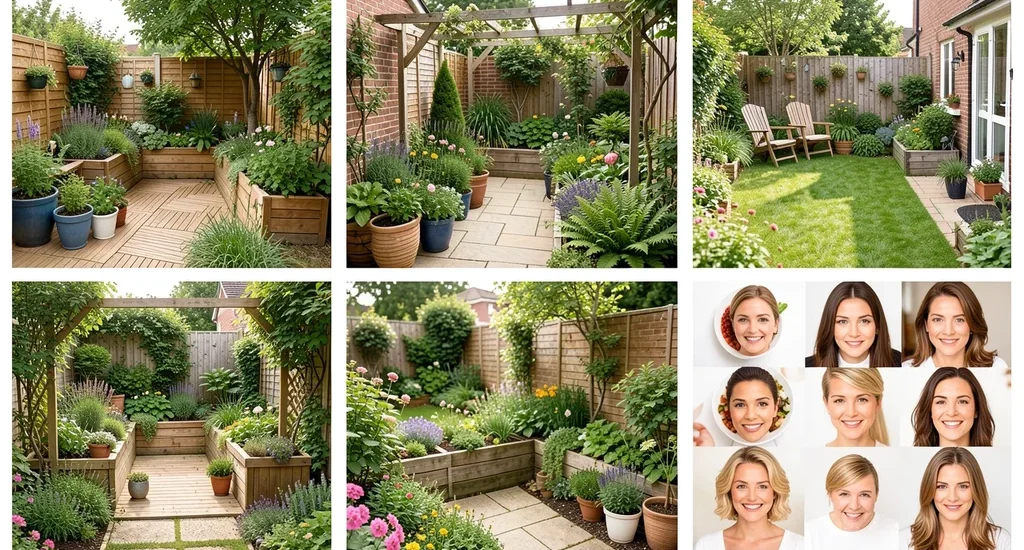
Transforming your outdoor space doesn’t have to break the bank. With some creativity and smart planning, budget garden makeover ideas can turn a dull yard into a vibrant oasis without spending a fortune. Whether you’re working with a small balcony or a sprawling backyard, there are countless ways to refresh your garden on a shoestring.
You can achieve a stunning garden makeover for under $200 by focusing on DIY projects, repurposed materials, and low-cost plants. The key is prioritizing high-impact changes like fresh mulch, painted fences, and strategic plantings.
Start with a Clear Plan and Budget
A successful garden makeover begins with a solid plan. Sketch your space and note areas that need attention. Measure dimensions to avoid buying too much or too little material.
This step prevents costly mistakes and ensures you stay within your budget.
Break down your project into phases. Focus on high-impact, low-cost changes first, like cleaning up existing plants or adding fresh mulch. Allocate funds wisely—spend more on durable elements like paths or seating and less on temporary decor.
- Set a realistic budget (e.g., $100–$500) based on your space size and goals
- Prioritize needs over wants—fix drainage or dead plants before adding decorations
- Research plant costs at local nurseries or online for the best deals
- DIY where possible to save on labor costs for tasks like painting or building raised beds
- Repurpose materials from other home projects (e.g., old bricks for edging)
Tip: Use free garden planning apps like SketchUp or Canva to visualize your design before spending a dime.
Revitalize Your Garden with Low-Cost Plants
Plants are the heart of any garden, and you don’t need expensive species to make an impact. Opt for hardy, low-maintenance varieties that thrive in your climate. Perennials are a great investment since they return year after year, while annuals add quick bursts of color.
Buy small plants or seeds instead of mature ones to save money. Local plant swaps or community garden groups often offer free cuttings or divisions. Additionally, propagate your own plants from cuttings or seeds collected from existing ones.
| Plant Type | Cost | Best For |
|---|---|---|
| Perennials (e.g., Daylilies, Coneflowers) | $3–$10 per plant | Long-term beauty, low maintenance |
| Annuals (e.g., Marigolds, Petunias) | $1–$5 per plant | Quick color, seasonal interest |
| Seeds (e.g., Sunflowers, Zinnias) | $1–$3 per packet | Budget-friendly, variety |
| Succulents (e.g., Sedum, Aloe) | $2–$8 per plant | Drought-tolerant, modern look |
Pro tip: According to the National Gardening Association, homegrown plants from seeds can save you up to 90% compared to buying mature plants. Start with easy-to-grow varieties like basil, tomatoes, or sunflowers.
DIY Garden Paths and Walkways
A well-defined path can instantly elevate your garden’s look. Gravel, mulch, and stepping stones are affordable materials that create charming walkways. For a natural look, use irregularly shaped stones or repurposed bricks.
If you prefer a cleaner aesthetic, opt for uniform pavers.
Gravel is one of the cheapest options—simply lay a base of landscape fabric to prevent weeds, then spread the gravel. Mulch paths are even simpler: just lay down a thick layer of wood chips or bark. Both materials are easy to install and maintain.
- Plan your path layout with a garden hose or spray paint to visualize the design.
- Clear the area of grass, weeds, and debris. Level the ground for a smooth surface.
- Lay a base (e.g., sand for pavers, landscape fabric for gravel).
- Add your material—gravel, mulch, or stones—and compact it lightly.
- Edge the path with bricks, wood, or metal to keep materials in place.
Important: Always check local regulations before installing permanent paths, especially if they affect drainage.
Upcycle and Repurpose Materials for Garden Decor
One of the best ways to save money is to repurpose materials you already have. Old wooden pallets can become raised beds, vertical gardens, or even outdoor furniture. Tin cans, mason jars, or buckets make charming planters when painted or decorated.
Even broken pottery can find new life as a mosaic stepping stone.
Thrift stores, construction sites (with permission), and online marketplaces like Craigslist or Facebook Marketplace are goldmines for free or cheap materials. Look for items like bricks, tiles, or wooden crates that can add character to your garden.
- Pallets: Build raised beds, benches, or compost bins
- Tires: Paint and stack for colorful planters
- Mason jars: Hang as lanterns or use for herb gardens
- Old ladders: Lean against a fence as a vertical plant display
- Broken ceramics: Create mosaic stepping stones or garden art
- Wine barrels: Cut in half for large planters or water features
| Material | Project Idea | Estimated Cost |
|---|---|---|
| Wooden Pallets | Raised garden bed | $0–$20 (free if repurposed) |
| Old Tires | Tiered planter | $0–$10 (paint costs) |
| Mason Jars | Hanging herb garden | $5–$15 (jars + rope) |
| Broken Ceramics | Mosaic stepping stone | $0–$5 (adhesive + grout) |
According to a survey by the EPA, Americans generate over 292 million tons of municipal solid waste annually. Repurposing materials for your garden helps reduce waste while saving you money.
Create Focal Points with Budget-Friendly Features
Every garden needs a focal point to draw the eye and create visual interest. Water features, garden art, or a cozy seating area can serve this purpose without breaking the bank. A simple birdbath, DIY fountain, or even a striking plant arrangement can become a centerpiece.
For a water feature, consider a small solar-powered fountain or a recirculating pump in a container. Garden art can be as simple as a painted trellis, a wind chime, or a sculpture made from found objects. Seating areas can be created with upcycled pallets, cinder blocks, or even logs.
- Birdbaths: Use a shallow dish on a pedestal or hang from a tree branch
- DIY Fountain: Stack pots or use a barrel with a small pump
- Trellises: Build from bamboo or repurposed wood for climbing plants
- Garden Mirrors: Reflect light and create the illusion of more space
- Seating: Use stumps, pallets, or cinder blocks with cushions
Warning: If using electrical components for water features, ensure they are outdoor-rated and follow safety guidelines to prevent hazards.
Refresh Your Garden Furniture on a Budget
Outdoor furniture can be expensive, but there are plenty of ways to refresh what you already have or find affordable options. A fresh coat of paint or new cushions can make old furniture look brand new. Thrift stores, garage sales, and online marketplaces often have hidden gems at a fraction of the retail price.
If you’re feeling crafty, build your own furniture from pallets, cinder blocks, or reclaimed wood. A simple bench or table can be made in a weekend with basic tools. For seating, add weather-resistant cushions or pillows for comfort and style.
- Clean and prep existing furniture by sanding and removing old paint or stain.
- Apply a fresh coat of outdoor paint or stain in a modern color.
- Replace cushions with weather-resistant fabrics or DIY covers.
- Add accessories like throw pillows, outdoor rugs, or lanterns for a cozy touch.
- Shop secondhand for unique pieces at thrift stores or online.
| Furniture Type | Budget Refresh Idea | Estimated Cost |
|---|---|---|
| Wooden Bench | Sand and repaint | $10–$30 |
| Metal Chair | Spray paint + new cushions | $20–$50 |
| Pallet Sofa | DIY build + cushions | $30–$80 |
| Plastic Table | Clean + decorative tablecloth | $5–$15 |
According to a report by Statista, the global outdoor furniture market is valued at over $10 billion. However, you don’t need to contribute to that spending—refreshing or DIYing your own can save hundreds.
Lighting Ideas to Enhance Your Garden Ambiance
Lighting can transform your garden into a magical space after dark. Solar-powered lights are an affordable and eco-friendly option that requires no wiring. String lights, lanterns, or DIY mason jar lights add warmth and charm.
For a more dramatic effect, use spotlights to highlight trees or garden features.
Solar lights come in various styles, from stake lights for pathways to hanging lanterns for trees. String lights can be draped over fences, pergolas, or trees. DIY options include filling mason jars with fairy lights or batteries for a cozy glow.
- Solar stake lights: Line pathways or garden beds for safety and style
- String lights: Create a canopy effect over seating areas
- Mason jar lights: Hang from tree branches or place on tables
- Lanterns: Use battery-operated candles inside for a flickering effect
- Spotlights: Highlight trees, statues, or water features
Tip: Place solar lights in sunny spots during the day to ensure they charge fully for nighttime use.
Common Mistakes to Avoid in Budget Garden Makeovers
Even with the best intentions, it’s easy to make mistakes that can derail your garden makeover. One of the biggest pitfalls is not planning ahead—jumping into projects without a clear vision can lead to wasted time and money. Another common error is ignoring the existing conditions of your garden, such as soil quality or drainage issues.
Avoid overcrowding your space with too many plants or decorations, which can make your garden look cluttered. Stick to a cohesive color scheme and theme to maintain a polished look. Also, don’t neglect maintenance—regular upkeep ensures your garden stays beautiful for years to come.
- Skipping the plan: Always start with a sketch and budget to avoid costly changes later.
- Ignoring soil health: Test your soil and amend it as needed for healthy plants.
- Overplanting: Leave room for plants to grow and avoid a crowded look.
- Choosing high-maintenance plants: Opt for low-maintenance varieties to save time and effort.
- Neglecting drainage: Ensure proper drainage to prevent waterlogging and plant damage.
Seasonal Budget Garden Makeover Tips
Your garden can look stunning year-round with a few seasonal tweaks. In spring, focus on planting annuals and refreshing mulch. Summer is the time to add shade structures, water features, and vibrant blooms.
Fall calls for planting perennials and adding warm-toned decor, while winter can be brightened with evergreens, lights, and cozy seating.
Seasonal changes don’t have to be expensive. Swap out plants, decor, and color schemes to keep your garden looking fresh. Use what you have—repaint pots, rearrange furniture, or add seasonal accents like pumpkins in fall or twinkling lights in winter.
| Season | Focus Areas | Budget Ideas |
|---|---|---|
| Spring | Planting, mulching | Buy seeds, refresh mulch, paint planters |
| Summer | Shade, water features | DIY pergola, solar lights, outdoor rugs |
| Fall | Perennials, warm tones | Plant bulbs, add pumpkins, swap cushions |
| Winter | Evergreens, lighting | String lights, cozy blankets, evergreen wreaths |
According to the National Association of Landscape Professionals, seasonal garden updates can increase your home’s curb appeal by up to 15%. Small, budget-friendly changes make a big difference.
Frequently Asked Questions
How much should I budget for a garden makeover?
A basic garden makeover can cost as little as $100–$300 if you focus on DIY projects, repurposed materials, and low-cost plants. For larger spaces or more elaborate designs, budget $500–$1,500. Prioritize high-impact changes like fresh mulch, paint, and strategic plantings to stretch your budget further.
What are the cheapest ways to improve my garden?
Start with free or low-cost changes like cleaning up existing plants, adding fresh mulch, or repurposing materials you already have. Painting old furniture, creating DIY paths with gravel or mulch, and planting seeds or cuttings are also budget-friendly ways to refresh your space.
Can I do a garden makeover myself, or do I need a professional?
Most garden makeovers can be done as DIY projects, especially if you focus on simple tasks like planting, mulching, or building raised beds. However, for complex projects like installing irrigation systems or major hardscaping, hiring a professional may be worth the investment to avoid costly mistakes.
How do I make my small garden look bigger on a budget?
Use vertical gardening to maximize space—hang planters, install trellises, or create a living wall. Mirrors can create the illusion of more space, and light-colored mulch or gravel can make a small garden feel larger. Keep pathways clear and avoid overcrowding with too many plants or decorations.
What are the best low-maintenance plants for a budget garden?
Opt for hardy perennials like daylilies, coneflowers, or hostas, which require minimal care and return year after year. Succulents, ornamental grasses, and ground covers like creeping thyme are also low-maintenance and budget-friendly. Native plants are another great option, as they’re adapted to your local climate and require less water and fertilizer.
Final Thoughts
A budget garden makeover is all about creativity, planning, and smart choices. Focus on high-impact, low-cost changes like fresh plants, DIY paths, and repurposed decor to transform your space without overspending. With a little effort and imagination, your garden can become a beautiful, inviting retreat that you’ll love spending time in.