Last Updated on October 22, 2026 by D. Ruddy
Choosing the right garden for your home or project can feel overwhelming with so many options available. A comparing gardens checklist helps you evaluate key factors like space, soil, sunlight, and maintenance needs to make an informed decision. Whether you’re planning a vegetable patch, flower garden, or landscape design, this guide will walk you through the essentials to ensure your garden thrives.
Use this checklist to assess garden types, locations, and requirements before planting. It saves time, reduces costs, and ensures your garden meets your goals and lifestyle.
Why You Need a Garden Comparison Checklist
A well-structured checklist prevents common gardening mistakes. Many beginners jump into planting without considering sunlight exposure or drainage, leading to poor growth or plant loss. A comparing gardens checklist ensures you cover all critical aspects before breaking ground.
It also helps you compare different garden types objectively. For example, a raised bed might be ideal for poor soil areas, while an in-ground garden could be better for large-scale planting. Without a checklist, you might overlook factors like long-term maintenance or initial setup costs.
- Saves money by avoiding unsuitable plants or layouts
- Saves time with a clear roadmap for setup and care
- Improves success rates by matching plants to conditions
- Reduces stress with a step-by-step evaluation process
- Enhances aesthetics by planning for color, height, and seasonal changes
Tip: Print your checklist and take it with you when visiting nurseries or planning your garden layout.
Key Factors to Compare in Your Garden Checklist
Not all gardens are created equal, and your checklist should reflect the unique conditions of your space. Start by assessing the fundamentals: sunlight, soil quality, water access, and climate. These factors determine which plants will thrive and which will struggle.
For example, leafy greens like lettuce and spinach prefer partial shade, while tomatoes and peppers need full sun. Similarly, clay-heavy soil may need amending for better drainage, or you might opt for raised beds to avoid the issue entirely.
| Factor | Why It Matters | How to Assess |
|---|---|---|
| Sunlight | Affects plant growth and health | Track sun exposure for a day |
| Soil Quality | Determines nutrient availability | Test soil pH and texture |
| Water Access | Ensures consistent hydration | Check hose reach or irrigation |
| Climate Zone | Guides plant selection | Use USDA or local guides |
| Space Available | Dictates garden size and layout | Measure area and note obstacles |
A simple soil test can reveal pH levels and nutrient deficiencies, helping you choose the right amendments or plants. According to the University of Massachusetts Amherst, ideal garden soil pH ranges from 6.0 to 7.0 for most vegetables.
Types of Gardens to Compare
Your checklist should include comparisons between different garden types to find the best fit for your needs. Each type has its own advantages and challenges, from traditional in-ground gardens to modern hydroponic systems.
For urban dwellers, container gardening might be the only option, while suburban homeowners might have space for a mix of flower beds and vegetable patches. Consider your goals—are you growing food, creating a pollinator haven, or enhancing curb appeal?
- Vegetable Gardens
Perfect for growing your own food, vegetable gardens require full sun and regular care. They can be in-ground or raised, depending on your soil quality.
- Pros: Fresh produce, cost-effective, rewarding
- Cons: Time-consuming, pest management needed
- Best For: Homeowners with space and time for maintenance
- Flower Gardens
Focused on aesthetics, flower gardens can be designed for color, fragrance, or pollinator support. They range from formal to wildflower meadows.
- Pros: Enhances beauty, attracts pollinators, low-maintenance options
- Cons: Seasonal care, may need frequent watering
- Best For: Adding visual appeal to yards or balconies
- Raised Bed Gardens
Elevated gardens that improve drainage and reduce soil compaction. Ideal for areas with poor soil or limited space.
- Pros: Better soil control, less bending, fewer weeds
- Cons: Initial setup cost, may dry out faster
- Best For: Small spaces, urban gardening, or poor soil areas
- Container Gardens
Plants grown in pots or containers, perfect for patios, balconies, or small spaces. Highly versatile and mobile.
- Pros: Portable, space-efficient, good for renters
- Cons: Limited root space, frequent watering
- Best For: Urban dwellers, beginners, or seasonal plants
- Hydroponic Gardens
Soilless systems that use nutrient-rich water solutions. Highly efficient but require more setup and monitoring.
- Pros: Fast growth, high yields, water-efficient
- Cons: Expensive setup, technical knowledge needed
- Best For: Indoor gardening, high-value crops, or limited space
Warning: Hydroponic systems require consistent monitoring of nutrient levels and pH. Neglect can lead to rapid plant decline.
Sunlight Requirements for Different Garden Types
Sunlight is one of the most critical factors in your comparing gardens checklist. Most vegetables need 6-8 hours of direct sunlight daily, while some leafy greens and herbs can tolerate partial shade. Flowers vary widely, with sun-loving varieties like roses and lavender thriving in full sun, and others like hostas preferring shade.
Before planting, map your garden’s sunlight exposure. Use a simple method: mark sunny and shady areas at different times of day. Apps like Sun Calc or Garden Planner can help track sun patterns over seasons.
| Sunlight Category | Hours of Sun | Suitable Plants |
|---|---|---|
| Full Sun | 6+ hours | Tomatoes, Peppers, Roses, Lavender, Sunflowers |
| Partial Sun/Shade | 3-6 hours | Lettuce, Spinach, Impatiens, Astilbe |
| Full Shade | <3 hours | Hostas, Ferns, Caladium, Mint |
According to the Old Farmer’s Almanac, even sun-loving plants can scorch in extreme heat, so afternoon shade can be beneficial in hotter climates.
Soil Quality and Preparation Checklist
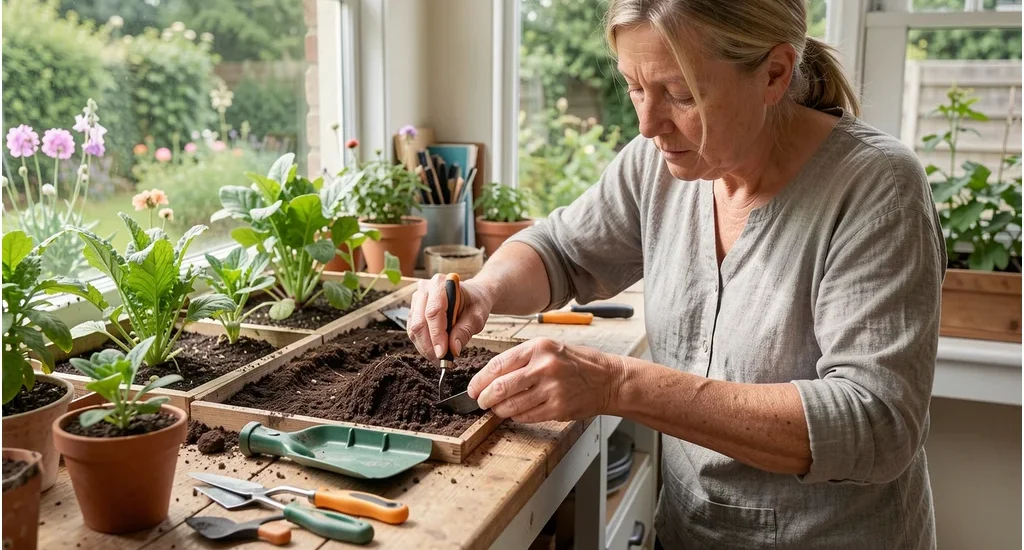
Healthy soil is the foundation of a thriving garden. Your comparing gardens checklist should include a soil assessment to determine its type, pH, and nutrient content. Sandy soil drains quickly but may lack nutrients, while clay soil holds moisture but can suffocate roots.
A simple jar test can help you determine your soil composition: fill a jar with soil and water, shake it, and let it settle. The layers that form will show the proportions of sand, silt, and clay. For a more precise analysis, consider sending a sample to a local extension service or using a home test kit.
- Test Soil pH: Aim for 6.0-7.0 for most plants. Use lime to raise pH or sulfur to lower it.
- Improve Drainage: Add organic matter like compost or peat moss to clay-heavy soil.
- Boost Fertility: Mix in compost, manure, or organic fertilizers for nutrient-poor soil.
- Check for Contaminants: If gardening in urban areas, test for lead or other heavy metals.
- Consider Soil Structure: Loamy soil (a mix of sand, silt, and clay) is ideal for most plants.
- Mulch Regularly: Helps retain moisture, suppress weeds, and regulate soil temperature.
| Soil Type | Drainage | Nutrient Retention | Best Amendments |
|---|---|---|---|
| Sandy | Fast | Low | Compost, Peat Moss |
| Clay | Slow | High | Sand, Organic Matter |
| Loamy | Balanced | High | Maintain with Compost |
| Peaty | Moderate | Moderate | Sand, Lime (if acidic) |
The USDA reports that healthy soil can store up to 20 times its weight in water, making it more resilient during dry periods.
Watering Systems and Irrigation Options
Consistent watering is key to garden success, and your checklist should evaluate the best watering methods for your setup. Hand-watering works for small gardens, but larger spaces may require drip irrigation or soaker hoses for efficiency.
Drip irrigation delivers water directly to plant roots, reducing waste and minimizing weed growth. Soaker hoses are another efficient option, slowly releasing water along their length. Sprinklers are less efficient but work well for lawns or large areas.
- Drip Irrigation
Ideal for raised beds, vegetable gardens, or water-conscious gardeners. Uses up to 50% less water than traditional methods.
- Pros: Water-efficient, reduces weeds, precise delivery
- Cons: Initial setup cost, can clog if not maintained
- Best For: Large gardens, dry climates, or container plants
- Soaker Hoses
Porous hoses that allow water to seep out slowly. Great for rows of plants or garden beds.
- Pros: Easy to install, affordable, good for deep watering
- Cons: Less precise than drip, can be damaged by UV exposure
- Best For: In-ground gardens, shrubs, or perennial beds
- Sprinklers
Traditional method for covering large areas. Oscillating or stationary sprinklers work for lawns and open spaces.
- Pros: Covers large areas quickly, easy to move
- Cons: Less efficient, can promote fungal diseases on leaves
- Best For: Lawns, large flower beds, or open landscapes
- Hand-Watering
Using a hose or watering can. Gives you control but requires more time and effort.
- Pros: Precise, no setup, good for small gardens
- Cons: Time-consuming, inconsistent if not done regularly
- Best For: Container gardens, small beds, or spot-watering
Important: Water early in the morning to reduce evaporation and prevent fungal diseases. Avoid watering leaves in the evening.
Maintenance and Care Considerations
Maintenance is often overlooked in a comparing gardens checklist, but it’s crucial for long-term success. Some gardens, like wildflower meadows, require minimal upkeep, while others, like vegetable gardens, need regular attention.
Consider your available time and energy. If you’re short on time, opt for low-maintenance plants like perennials, shrubs, or drought-tolerant species. If you enjoy gardening as a hobby, you might prefer high-maintenance options like annual flowers or heirloom vegetables.
- Weeding: Regularly remove weeds to prevent competition for nutrients and water. Mulching helps suppress weeds.
- Pruning: Trim dead or overgrown branches to encourage healthy growth and improve aesthetics.
- Fertilizing: Apply organic or synthetic fertilizers to replenish nutrients. Follow package instructions for timing and amounts.
- Pest Control: Monitor for pests and diseases. Use organic methods like companion planting or neem oil when possible.
- Seasonal Care: Adjust care routines for different seasons (e.g., winterizing, spring planting, fall cleanup).
- Tool Maintenance: Keep tools clean and sharp for efficient work. Store them properly to extend their lifespan.
| Garden Type | Weekly Time Commitment | Seasonal Tasks |
|---|---|---|
| Vegetable Garden | 3-5 hours | Planting, harvesting, pest control |
| Flower Garden | 1-3 hours | Pruning, deadheading, fertilizing |
| Raised Bed | 2-4 hours | Soil replenishment, crop rotation |
| Container Garden | 1-2 hours | Repotting, watering, feeding |
The National Gardening Association found that gardeners who spend at least 2-3 hours per week in their gardens report higher satisfaction and success rates.
Budgeting for Your Garden Project
Cost is a major factor in your comparing gardens checklist. Garden expenses can add up quickly, from soil and plants to tools and irrigation systems. A well-planned budget ensures you don’t overspend or run out of funds mid-project.
Start by listing all potential costs, including initial setup and ongoing maintenance. Prioritize essentials like soil and plants, then allocate funds for extras like decor or advanced irrigation. Consider DIY options to save money, such as building your own raised beds or composting at home.
| Expense Category | Low-End Cost | High-End Cost | Cost-Saving Tips |
|---|---|---|---|
| Soil and Amendments | $50-$100 | $300+ | Compost at home, buy in bulk |
| Plants | $20-$50 | $200+ | Start from seeds, swap with neighbors |
| Tools | $30-$80 | $200+ | Buy used, borrow, or rent |
| Irrigation | $20-$50 | $200+ | DIY drip systems, soaker hoses |
| Hardscaping (paths, borders) | $100-$300 | $1000+ | Use reclaimed materials, DIY |
According to a 2023 survey by Gardeners.com, the average home garden setup costs between $200-$500, with annual maintenance adding another $100-$300 depending on the garden type.
Tip: Start small and expand as your budget allows. A well-maintained small garden is better than a neglected large one.
Common Mistakes to Avoid When Comparing Gardens
Even with a comparing gardens checklist, it’s easy to make mistakes that can derail your gardening efforts. One of the most common errors is underestimating the amount of sunlight your garden receives. Many plants need more sun than people realize, leading to leggy or weak growth.
Another frequent mistake is ignoring soil quality. Poor soil can stunt plant growth, no matter how much you water or fertilize. Always test and amend your soil before planting.
Overcrowding plants is also a common issue—give your plants enough space to grow and thrive.
- Ignoring Sunlight Patterns
Sunlight changes with the seasons. A spot that’s sunny in summer might be shady in winter. Track sunlight throughout the year for accurate planning.
- Skipping Soil Testing
Assuming your soil is fine without testing can lead to poor plant performance. Test for pH, nutrients, and texture before planting.
- Overcrowding Plants
Planting too closely can lead to competition for resources and increased pest problems. Follow spacing guidelines on seed packets or plant tags.
- Neglecting Water Drainage
Poor drainage can drown plants or lead to root rot. Ensure your garden has proper drainage, especially in heavy clay soils.
- Choosing High-Maintenance Plants
If you’re a beginner or short on time, avoid plants that require frequent pruning, staking, or special care. Start with low-maintenance varieties.
- Forgetting About Long-Term Growth
Consider how plants will grow over time. A small sapling can turn into a large tree, and perennials can spread widely. Plan for mature sizes.
Frequently Asked Questions
How do I know which garden type is best for me?
Start by assessing your space, sunlight, and goals. If you have limited space, container or raised bed gardening might be ideal. For food production, a vegetable garden is the way to go.
Consider your time, budget, and maintenance preferences as well.
Can I mix different garden types in one space?
Absolutely! Many gardeners combine vegetable beds, flower borders, and container plants in the same area. Just ensure each section meets the specific needs of its plants (e.g., full sun for tomatoes, partial shade for lettuce).
How often should I update my garden checklist?
Review your checklist at least once a year, or whenever you plan to make significant changes. Gardens evolve over time, and your checklist should reflect new plants, changing conditions, or updated goals.
What’s the most cost-effective way to start a garden?
Start small with seeds instead of mature plants, and use DIY solutions like homemade compost or repurposed containers. Focus on essentials first, and expand as your budget allows. Many gardeners also save by swapping plants or seeds with neighbors.
How do I compare gardens if I’m renting my home?
For renters, container gardening or portable raised beds are excellent options. These can be moved if you relocate. Check your lease for any restrictions, and consider temporary solutions like fabric pots or vertical gardens.
Final Thoughts
A comparing gardens checklist is your roadmap to a successful and enjoyable gardening experience. By evaluating key factors like sunlight, soil, water, and maintenance, you can choose the right garden type for your space and lifestyle. Start small, plan carefully, and don’t hesitate to adjust as you learn.
With the right preparation, your garden will thrive and bring you joy for years to come.