Last Updated on October 22, 2026 by D. Ruddy
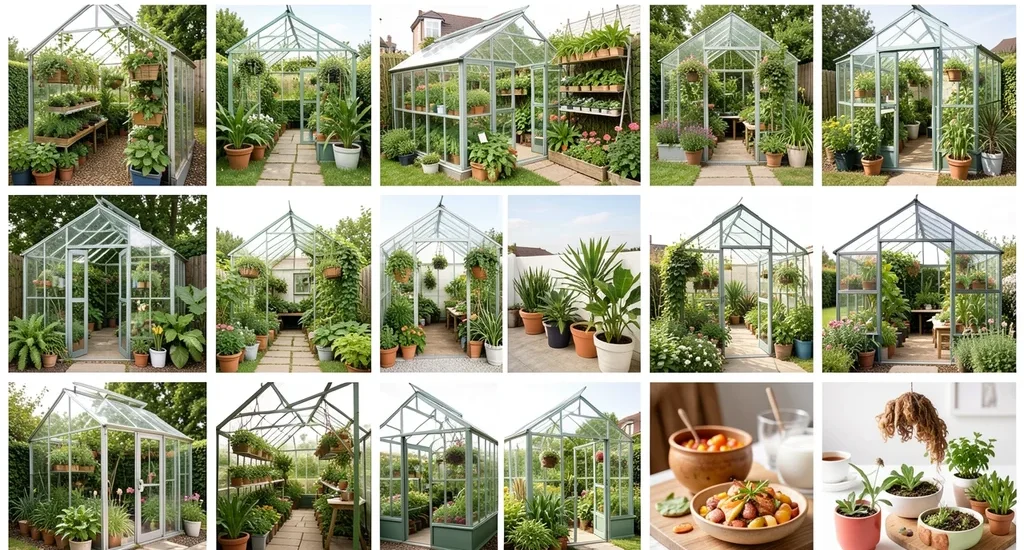
Transforming your backyard into a thriving oasis is easier than you think with the right greenhouse garden ideas. Whether you have a small urban plot or a sprawling rural space, a greenhouse opens up endless possibilities for growing fresh produce, exotic plants, or vibrant flowers year-round. From vertical gardening to hydroponic systems, these creative solutions help you make the most of your greenhouse while keeping it functional and beautiful.
You can turn any greenhouse into a lush paradise by combining smart space-saving techniques with climate control. The best ideas focus on efficiency, sustainability, and year-round growing potential.
Vertical Gardening for Small Greenhouses
When floor space is limited, growing up is the answer. Vertical gardening lets you maximize every inch of your greenhouse by utilizing walls, shelves, and hanging systems. This approach works especially well for herbs, leafy greens, and compact vegetables like cherry tomatoes or peppers.
Start by installing sturdy shelving units along the walls. Use them to hold pots, seed trays, or even small hydroponic systems. For climbing plants like cucumbers, beans, or peas, add trellises or netting to guide their growth upward.
Hanging baskets are perfect for trailing plants such as strawberries or certain types of flowers.
- Wall-mounted planters: Ideal for herbs like basil, thyme, and mint
- Hanging baskets: Great for strawberries, cherry tomatoes, and trailing flowers
- Trellises and netting: Support climbing plants like cucumbers, beans, and peas
- Stackable pots: Save space while growing multiple plants in tiers
- Pegboard systems: Customizable setups for hanging tools and small planters
Tip: Rotate your vertical planters regularly to ensure all plants receive equal light exposure, especially in smaller greenhouses with limited natural sunlight.
For a more advanced setup, consider a living wall system. These can be purchased as kits or DIY projects using felt pockets or modular panels. They create a stunning visual effect while providing ample growing space for a variety of plants.
Hydroponic Systems for Year-Round Growing
Hydroponics is one of the most efficient greenhouse garden ideas for growing plants without soil. This method uses nutrient-rich water solutions to deliver essential minerals directly to plant roots, resulting in faster growth and higher yields. It’s particularly useful for leafy greens, herbs, and some fruits.
There are several types of hydroponic systems to consider for your greenhouse. Deep Water Culture (DWC) is simple and great for beginners, while Nutrient Film Technique (NFT) works well for leafy greens. For larger operations, consider a drip system or aeroponics, which mist the roots with nutrient solution.
| Hydroponic System | Best For | Difficulty | Space Needed |
|---|---|---|---|
| Deep Water Culture (DWC) | Beginners, leafy greens | Easy | Small to Medium |
| Nutrient Film Technique (NFT) | Leafy greens, herbs | Moderate | Small |
| Drip System | Larger plants, fruits | Moderate | Medium to Large |
| Aeroponics | Advanced growers | Hard | Medium |
According to the National Gardening Association, hydroponic systems can use up to 90% less water than traditional soil-based gardening, making them an eco-friendly choice for your greenhouse. Additionally, plants grown hydroponically often mature 25% faster due to the direct nutrient delivery.
Seasonal Planting Strategies
One of the biggest advantages of a greenhouse is the ability to extend growing seasons or even create artificial seasons. With proper planning, you can enjoy fresh produce year-round. The key is understanding which plants thrive in different conditions and how to manipulate your greenhouse environment to suit them.
Start by dividing your year into seasonal planting blocks. In early spring, focus on cool-season crops like lettuce, spinach, and peas. As temperatures rise, transition to warm-season plants such as tomatoes, peppers, and cucumbers.
In the fall, you can plant another round of cool-season crops, and with proper heating, some warm-season plants can even grow through winter.
- Spring (March-May): Lettuce, spinach, kale, peas, radishes, and early herbs
- Summer (June-August): Tomatoes, peppers, cucumbers, beans, eggplant, and basil
- Fall (September-November): Carrots, beets, late lettuce, spinach, and garlic
- Winter (December-February): Cold-hardy greens, herbs, and microgreens with supplemental heating
Important: Monitor your greenhouse temperature closely during seasonal transitions. Sudden temperature swings can stress plants and reduce yields.
Consider implementing a succession planting strategy, where you plant new crops as soon as previous ones are harvested. This maximizes your greenhouse space and ensures a continuous supply of fresh produce. For example, as soon as you harvest your early lettuce, plant new seeds or seedlings in the same space.
Companion Planting in Greenhouses
Companion planting is a time-tested technique that involves growing different plants together for mutual benefit. In a greenhouse environment, this practice can help control pests, improve pollination, enhance flavors, and maximize space usage. Some plant combinations have natural synergistic effects that can boost your overall yield.
One classic example is planting basil with tomatoes. Basil repels pests that often attack tomatoes, such as whiteflies and hornworms, while also improving the flavor of the tomatoes. Similarly, marigolds are excellent companion plants for most vegetables as they repel nematodes and other pests with their strong scent.
| Main Plant | Good Companions | Avoid Planting With |
|---|---|---|
| Tomatoes | Basil, marigold, onions, lettuce | Corn, fennel, potatoes |
| Cucumbers | Beans, corn, peas, radishes | Aromatic herbs, potatoes |
| Peppers | Basil, onions, spinach, marigold | Fennel, kohlrabi |
| Lettuce | Carrots, radishes, strawberries, cucumbers | Parsley, celery |
In a greenhouse setting, you can also use companion planting to create a more diverse ecosystem. For instance, planting flowers like nasturtiums or alyssum among your vegetables can attract beneficial insects that help with pollination and pest control. This approach reduces the need for chemical pesticides and creates a more balanced, natural growing environment.
Climate Control and Ventilation
Proper climate control is crucial for greenhouse success. Without it, your plants can suffer from temperature extremes, humidity issues, or poor air circulation. The ideal greenhouse temperature varies depending on what you’re growing, but most plants thrive in a range between 70-80°F (21-27°C) during the day and 60-70°F (15-21°C) at night.
Ventilation is equally important. Good airflow helps prevent fungal diseases, strengthens plant stems, and ensures proper pollination. There are several ventilation options for greenhouses, from simple manual vents to automated systems with fans and louvers.
- Roof vents: Allow hot air to escape naturally as it rises
- Side vents: Provide cross-ventilation for better air circulation
- Exhaust fans: Actively pull air out of the greenhouse, especially useful in hot climates
- Circulation fans: Keep air moving within the greenhouse to prevent hot or cold spots
- Automatic vent openers: Use wax cylinders that expand with heat to open vents automatically
- Shade cloths: Reduce excessive heat and light during peak summer months
Warning: Poor ventilation can lead to heat stress, fungal diseases, and poor plant growth. Always monitor temperature and humidity levels, especially during extreme weather.
For more precise control, consider installing a greenhouse climate control system. These can include thermostats, humidity sensors, and automated ventilation systems. Some advanced setups even connect to smartphone apps, allowing you to monitor and adjust conditions remotely.
According to a study by the University of Arizona, proper climate control can increase greenhouse yields by up to 30%.
Greenhouse Layout and Zoning
An efficient greenhouse layout can significantly improve your productivity and make maintenance easier. Zoning your greenhouse means dividing the space into different areas based on plant needs and workflow. This approach helps you keep similar plants together, making it easier to provide the right care for each group.
Start by creating a seed starting zone near a heat source and with plenty of light. This area should have shelves or tables at a comfortable working height. Next, designate a growing zone for your main crops, arranged by their light and temperature requirements.
Finally, include a storage and work area for tools, supplies, and potting activities.
- Seed Starting Zone: Warmest area with grow lights or maximum natural light. Use heat mats for consistent temperatures.
- Vegetative Growth Zone: For young plants that need moderate temperatures and good light. Include shelves or benches at different heights.
- Fruiting/Flowering Zone: Warmest area with the most light. Ideal for tomatoes, peppers, and other fruiting plants.
- Hardening Off Zone: Cooler area with less light, used to acclimate seedlings before transplanting outdoors.
- Storage and Work Area: For tools, pots, soil, and other supplies. Include a potting bench with easy access to water.
Consider the flow of your greenhouse as well. Place frequently accessed areas near the entrance, and arrange plants so that taller ones don’t shade shorter ones. If your greenhouse is large enough, you might also create separate zones for different types of plants, such as a dedicated hydroponic area or a section for aquatic plants.
DIY Greenhouse Ideas on a Budget
You don’t need to spend a fortune to create an effective greenhouse. With some creativity and DIY skills, you can build a functional growing space using affordable or recycled materials. These budget-friendly greenhouse garden ideas prove that anyone can enjoy year-round gardening regardless of their budget.
One of the simplest and most affordable options is a <