Last Updated on October 22, 2026 by D. Ruddy
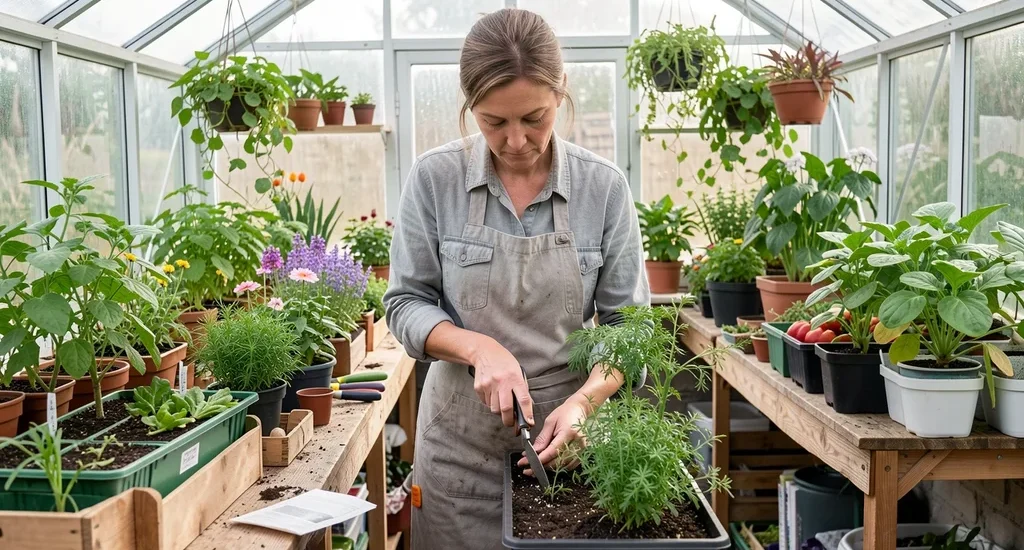
Growing fresh produce through every season is possible with year-round greenhouse gardening. This method lets you extend your growing season, protect plants from harsh weather, and enjoy homegrown vegetables and flowers regardless of outdoor conditions. Whether you’re a beginner or an experienced gardener, a well-managed greenhouse can transform your yield and variety.
You can harvest fresh vegetables and herbs all year by controlling temperature, humidity, and light in your greenhouse. Even in winter, proper insulation and heating let you grow cold-hardy crops like kale, spinach, and carrots.
Why Year Round Greenhouse Gardening Works
A greenhouse creates a controlled environment that shields plants from extreme weather, pests, and diseases. The transparent walls and roof allow sunlight to penetrate while trapping heat inside, a process known as the greenhouse effect. This setup maintains stable temperatures, which is crucial for plant growth during colder months.
Beyond temperature control, greenhouses also help regulate humidity and protect plants from wind, heavy rain, and snow. With the right setup, you can grow a wide range of crops, from leafy greens to tropical fruits, regardless of the season. According to the National Gardening Association, greenhouse gardeners report up to 30% higher yields compared to traditional outdoor gardening.
- Extended growing seasons: Start seedlings early in spring and continue harvesting late into fall or even winter.
- Protection from pests: Physical barriers keep out insects, birds, and small animals that can damage crops.
- Climate control: Adjust temperature, humidity, and ventilation to suit the needs of different plants.
- Versatility: Grow plants that wouldn’t normally survive in your local climate, such as citrus trees in colder regions.
- Consistent quality: Controlled conditions lead to more predictable and higher-quality produce.
Essential Equipment for Year Round Greenhouse Gardening
To maintain a productive greenhouse year-round, you’ll need the right tools and systems. Investing in quality equipment ensures your plants thrive regardless of external weather conditions. Below are the must-have items for any serious greenhouse gardener.
| Equipment | Purpose | Estimated Cost |
|---|---|---|
| Heating system | Maintains warm temperatures during winter | $200 – $1,500 |
| Ventilation system | Regulates temperature and humidity | $100 – $800 |
| Shade cloths | Protects plants from excessive sunlight in summer | $50 – $300 |
| Irrigation system | Ensures consistent watering | $150 – $1,000 |
| Grow lights | Supplements natural light during shorter days | $100 – $600 |
A well-equipped greenhouse ensures you can handle any seasonal challenge. For example, grow lights are essential during winter months when daylight hours are limited, while shade cloths prevent overheating in summer.
Choosing the Right Greenhouse for Your Needs
Selecting the right greenhouse is critical to your success. The type you choose depends on your climate, available space, budget, and the crops you intend to grow. Each style has its advantages and limitations, so it’s important to weigh your options carefully.
Freestanding Greenhouses
Freestanding greenhouses are the most common type and come in various shapes and sizes. They offer maximum flexibility in terms of placement and can be as small as 6×8 feet or as large as a commercial operation. These structures are ideal for gardeners with ample space who want a dedicated growing area.
- Can be placed anywhere in your yard
- Offers more growing space and height for taller plants
- Provides better airflow and light distribution
- More expensive and requires a solid foundation
Lean-To Greenhouses
Lean-to greenhouses are attached to an existing structure, such as your home, garage, or shed. They are a space-saving option and can take advantage of the existing building’s heat. These are perfect for small yards or urban settings where space is limited.
- Cost-effective and space-efficient
- Shares a wall with your home, reducing heat loss
- Limited in size and may have less light exposure
- Easier to access utilities like water and electricity
Geodesic Dome Greenhouses
Geodesic dome greenhouses are known for their strong, aerodynamic shape and efficient use of space. They are excellent at withstanding heavy winds and snow loads, making them a great choice for areas with extreme weather. The spherical design also allows for optimal light distribution.
- Superior strength and durability
- Excellent light diffusion due to curved surfaces
- More expensive and complex to assemble
- Unique aesthetic appeal
Tip: If you live in a cold climate, consider a greenhouse with double-walled polycarbonate panels. These provide better insulation than single-layer glass or plastic.
Best Crops for Year Round Greenhouse Gardening
One of the biggest advantages of year-round greenhouse gardening is the ability to grow a diverse range of crops regardless of the season. However, not all plants thrive in the same conditions. Choosing the right crops for each season ensures a continuous harvest.
Cold Season Crops (Fall and Winter)
During colder months, focus on cold-hardy vegetables that can tolerate lower temperatures. These crops can often survive light frosts and will thrive in a greenhouse with minimal heating.
- Leafy Greens: Spinach, kale, lettuce, and Swiss chard are excellent choices. They grow quickly and can be harvested multiple times.
- Root Vegetables: Carrots, radishes, beets, and turnips can be grown in containers or directly in the ground.
- Brassicas: Broccoli, cabbage, and Brussels sprouts handle cold well and provide hearty harvests.
- Herbs: Parsley, cilantro, chives, and mint grow well in cooler temperatures.
- Alliums: Green onions, garlic, and leeks are hardy and add flavor to winter dishes.
Warm Season Crops (Spring and Summer)
When temperatures rise, take advantage of the greenhouse to grow heat-loving plants that might struggle outdoors due to pests or inconsistent weather.
- Tomatoes: One of the most popular greenhouse crops, tomatoes thrive in warm, controlled environments.
- Peppers: Both sweet and hot varieties do well in greenhouses, producing higher yields than outdoor plants.
- Cucumbers: These fast-growing vines produce abundantly in greenhouse conditions.
- Eggplants: Heat-loving eggplants grow larger and more flavorful in a greenhouse.
- Herbs: Basil, oregano, and rosemary prefer warmer temperatures and can be harvested continuously.
Year-Round Staples
Some crops can be grown continuously throughout the year with the right conditions. These include:
- Microgreens: Quick to grow and harvest, microgreens are packed with nutrients.
- Green Onions: Cut-and-come-again crops that regrow after harvesting.
- Lettuce: Certain varieties like romaine and butterhead can be grown year-round with proper temperature control.
- Herbs: Chives, parsley, and mint can often be grown continuously with adequate light.
Important: Rotate your crops to prevent soil depletion and reduce the risk of pests and diseases. A three-year rotation cycle is ideal for most greenhouse setups.
Temperature and Humidity Control
Maintaining the right temperature and humidity levels is crucial for healthy plant growth. Different crops have varying requirements, so it’s important to monitor and adjust conditions as needed. Generally, most greenhouse plants thrive in temperatures between 70-80°F (21-27°C) during the day and 60-70°F (15-21°C) at night.
Heating Your Greenhouse
In colder climates, a heating system is essential to maintain optimal temperatures. There are several options available, each with its own benefits and drawbacks.
| Heating Method | Pros | Cons |
|---|---|---|
| Electric heaters | Clean, easy to install, precise temperature control | Higher operating costs, requires electricity |
| Gas heaters | Cost-effective for large spaces, powerful | Requires proper ventilation, fuel storage |
| Wood stoves | Low fuel cost, works during power outages | Requires chimney, manual operation |
| Radiant heaters | Energy-efficient, heats objects directly | Higher upfront cost, limited coverage |
For most home greenhouses, electric heaters are the most practical choice due to their ease of use and precise temperature control. However, for larger structures, gas heaters may be more cost-effective.
Ventilation and Cooling
Proper ventilation is just as important as heating, especially during warmer months. Without adequate airflow, temperatures can soar, leading to plant stress or even death. Ventilation also helps control humidity levels, preventing mold and fungal diseases.
- Roof vents: Automatically open and close to regulate temperature.
- Side vents: Provide additional airflow and can be manual or automatic.
- Exhaust fans: Actively pull hot air out of the greenhouse.
- Shade cloths: Reduce the amount of sunlight entering the greenhouse.
- Evaporative coolers: Use water evaporation to cool the air, ideal for dry climates.
Warning: Poor ventilation can lead to high humidity levels, which encourage the growth of mold and fungal diseases. Aim for humidity levels between 40-60% for most crops.
Soil and Fertilization for Continuous Growth
Healthy soil is the foundation of successful year-round greenhouse gardening. Unlike outdoor gardens, greenhouse soil is not replenished by natural processes, so it requires regular attention. Using the right soil mix and fertilization methods ensures your plants receive the nutrients they need to thrive.
Choosing the Right Soil Mix
The ideal greenhouse soil mix is light, well-draining, and rich in organic matter. Avoid using garden soil, as it can be too heavy and may contain pests or diseases. Instead, create a custom mix using the following components:
- Peat moss or coconut coir: Provides moisture retention and aeration (40-50% of the mix).
- Perlite or vermiculite: Improves drainage and prevents soil compaction (20-30% of the mix).
- Compost: Adds organic matter and essential nutrients (20-30% of the mix).
- Sand: Enhances drainage, especially for plants that prefer drier conditions (10% of the mix).
Fertilization Strategies
Greenhouse plants often grow faster and produce higher yields than outdoor plants, which means they require more nutrients. Regular fertilization is key to maintaining soil fertility. Here are some effective strategies:
- Organic fertilizers: Composts, worm castings, and manures provide slow-release nutrients and improve soil structure. Apply every 4-6 weeks.
- Liquid fertilizers: Water-soluble fertilizers offer quick nutrient uptake. Use weekly or bi-weekly during active growth periods.
- Granular fertilizers: Slow-release granules provide nutrients over an extended period. Apply every 2-3 months.
- Foliar feeding: Spraying liquid fertilizer directly onto leaves allows for rapid nutrient absorption. Use for quick corrections of deficiencies.
| Nutrient | Role | Deficiency Symptoms |
|---|---|---|
| Nitrogen (N) | Promotes leaf and stem growth | Yellowing leaves, stunted growth |
| Phosphorus (P) | Encourages root development and flowering | Purple stems, slow growth |
| Potassium (K) | Supports overall plant health and disease resistance | Weak stems, yellow leaf edges |
Crop Rotation and Soil Renewal
To prevent soil depletion and the buildup of pests and diseases, implement a crop rotation system in your greenhouse. Group plants by their nutrient needs and rotate them through different sections of your greenhouse each season. Additionally, refresh your soil by adding compost or replacing a portion of the soil mix annually.
Pest and Disease Management in the Greenhouse
Even in a controlled environment, pests and diseases can still pose a threat to your greenhouse crops. The enclosed space can actually accelerate the spread of problems if not managed properly. Prevention is key to maintaining a healthy greenhouse ecosystem.
Common Greenhouse Pests
Greenhouses can attract a variety of pests, some of which thrive in the warm, humid conditions. Regular monitoring and early intervention are crucial to prevent infestations.
- Aphids: Small, soft-bodied insects that suck plant sap, causing curled leaves and stunted growth. They can also spread plant viruses.
- Whiteflies: Tiny, white flying insects that feed on plant juices, leading to yellowing leaves and honeydew secretion, which attracts sooty mold.
- Spider mites: Microscopic pests that cause stippling (tiny yellow or white spots) on leaves. They thrive in hot, dry conditions.
- Fungus gnats: Small black flies that lay eggs in moist soil. Their larvae feed on roots and organic matter, damaging seedlings.
- Thrips: Slender insects that scrape plant surfaces to feed, causing silvery streaks or scars on leaves and flowers.
Prevention and Control Methods
Implementing integrated pest management (IPM) strategies helps keep pest populations in check without relying solely on chemical pesticides. Here’s a step-by-step approach to managing pests in your greenhouse:
- Inspect regularly: Check plants weekly for signs of pests. Look under leaves, along stems, and in the soil.
- Maintain cleanliness: Remove plant debris, weeds, and fallen leaves. Clean tools, pots, and benches regularly.
- Use physical barriers: Install fine mesh screens on vents and doors to keep pests out.
- Introduce beneficial insects: Ladybugs, lacewings, and parasitic wasps prey on common greenhouse pests.
- Apply organic pesticides: Use neem oil, insecticidal soaps, or horticultural oils for minor infestations.
- Quarantine new plants: Isolate new plants for at least two weeks to monitor for pests before introducing them to the main greenhouse.
Tip: Yellow sticky traps are an effective way to monitor and control flying pests like whiteflies and fungus gnats. Place them near plant tops and replace regularly.
Common Greenhouse Diseases
High humidity and poor airflow in greenhouses create ideal conditions for fungal and bacterial diseases. Early detection and prevention are essential to avoid outbreaks.
| Disease | Symptoms | Prevention |
|---|---|---|
| Powdery mildew | White powdery spots on leaves | Improve airflow, reduce humidity, apply sulfur-based fungicides |
| Botrytis (gray mold) | Gray, fuzzy mold on leaves and stems | Remove infected plants, increase ventilation, avoid wetting foliage |
| Damping-off | Seedlings rot at soil line and collapse | Use sterile soil, avoid overwatering, provide good drainage |
| Leaf spot | Brown or black spots on leaves | Remove infected leaves, improve airflow, use copper-based fungicides |
Automation and Technology for Year Round Greenhouse Gardening
Advancements in technology have made it easier than ever to maintain optimal conditions in your greenhouse. Automation systems can monitor and adjust temperature, humidity, light, and even watering schedules, allowing for precise control with minimal effort.
Climate Control Systems
Modern greenhouse climate control systems integrate heating, cooling, ventilation, and humidity control into a single, automated setup. These systems use sensors to monitor conditions and adjust settings automatically.
- Thermostats: Digital thermostats maintain consistent temperatures by turning heaters or coolers on and off as needed.
- Hygrometers: Measure humidity levels, allowing you to adjust ventilation or humidifiers accordingly.
- Automatic vents: Open and close based on temperature settings, ensuring proper airflow without manual intervention.
- Evaporative coolers: Automatically activate when temperatures rise, using water evaporation to cool the air.
Irrigation Systems
Consistent watering is crucial for greenhouse plants, but manual watering can be time-consuming and inconsistent. Automated irrigation systems ensure your plants receive the right amount of water at the right time.
- Drip irrigation: Delivers water directly to the soil, reducing waste and preventing foliar diseases. Ideal for most greenhouse crops.
- Misting systems: Provide fine water droplets to maintain humidity levels, especially useful for seedlings and propagation.
- Soaker hoses: Slowly release water along their length, providing even moisture to soil.
- Self-watering systems: Use capillaries or wicks to draw water from a reservoir to the soil as needed.
Important: According to a study by the University of Arizona, automated irrigation systems can reduce water usage by up to 50% compared to manual watering, while improving plant health and yield.
Lighting Solutions
During shorter days or in regions with limited sunlight, supplemental lighting ensures your plants receive the light they need for photosynthesis. Modern grow lights are energy-efficient and can be tailored to specific plant needs.
- LED grow lights: Energy-efficient and long-lasting, LED lights can be customized to emit specific light spectra for different growth stages.
- High-intensity discharge (HID) lights: Include metal halide (MH) and high-pressure sodium (HPS) bulbs, which are powerful but generate more heat.
- Fluorescent lights: Affordable and cool-running, fluorescent lights are ideal for seedlings and low-light plants.
- Smart lighting systems: Automatically adjust light intensity and duration based on plant needs and time of day.
Seasonal Greenhouse Maintenance Checklist
Regular maintenance is essential to keep your greenhouse functioning optimally throughout the year. Each season brings different challenges and tasks to ensure your greenhouse remains productive and your plants stay healthy.
Spring Maintenance
Spring is a time of renewal and preparation for the growing season ahead. Focus on cleaning, repairing, and preparing your greenhouse for the busy months to come.
- Deep clean: Wash all surfaces, including walls, floors, and benches, with a mild soap solution to remove dirt and pathogens.
- Inspect for damage: Check for any cracks, tears, or damage to the greenhouse structure, and repair as needed.
- Service equipment: Test and service heaters, fans, and irrigation systems to ensure they are in working order.
- Prepare soil: Refresh soil mixes, add compost, and test soil pH and nutrient levels.
- Start seedlings: Begin sowing seeds for warm-season crops indoors or in a heated area of the greenhouse.
Summer Maintenance
Summer brings high temperatures and increased plant growth. Focus on maintaining optimal conditions and managing pests and diseases.
- Monitor temperature: Ensure ventilation and shading systems are working to prevent overheating.
- Water consistently: Increase watering frequency as temperatures rise, and ensure irrigation systems are functioning properly.
- Control pests: Regularly inspect plants for pests and take action at the first sign of infestation.
- Prune and train: Prune plants to encourage airflow and prevent overcrowding. Train vining plants to maximize space.
- Harvest regularly: Pick ripe produce promptly to encourage continued production and prevent overcrowding.
Fall Maintenance
Fall is a time to prepare for the colder months ahead while still enjoying late-season harvests. Focus on cleaning, organizing, and winterizing your greenhouse.
- Remove plant debris: Clear out spent plants and debris to prevent the buildup of pests and diseases over winter.
- Insulate: Add insulation to walls and floors, and check that heating systems are ready for colder weather.
- Plant cold-hardy crops: Sow seeds for cool-season crops like spinach, kale, and lettuce for winter harvests.
- Clean and store tools: Clean and organize tools and equipment, and store any that won’t be needed during winter.
- Check seals and caulking: Inspect and repair any gaps or leaks in the greenhouse structure to retain heat.
Winter Maintenance
Winter maintenance focuses on keeping the greenhouse warm and functional while protecting plants from cold and pests. Regular checks ensure everything runs smoothly during the coldest months.
- Monitor heating systems: Regularly check heaters, fuel levels, and thermostats to ensure consistent temperatures.
- Inspect for leaks: Check for drafts or leaks that could let in cold air, and seal them promptly.
- Maintain humidity: Use humidifiers or misting systems to prevent dry air, which can stress plants.
- Check for pests: Even in winter, pests can be a problem. Monitor plants and use sticky traps or beneficial insects as needed.
- Plan for spring: Review what worked well and what didn’t during the past year, and start planning for the next growing season.
Frequently Asked Questions
Can I grow fruits in a greenhouse year-round?
Yes, you can grow fruits in a greenhouse year-round, but it depends on the type of fruit. Cold-hardy fruits like strawberries and certain varieties of apples and pears can tolerate cooler greenhouse temperatures. Tropical fruits like citrus, bananas, and figs require warmer conditions and may need supplemental heating in winter.
Dwarf varieties are often the best choice for greenhouse growing due to space constraints.
How much does it cost to set up a year-round greenhouse?
The cost of setting up a year-round greenhouse varies widely based on size, materials, and features. A small, basic greenhouse kit can start around $500, while a large, custom-built greenhouse with heating, cooling, and automation systems can cost $20,000 or more. On average, expect to spend between $2,000 and $10,000 for a mid-sized, well-equipped greenhouse.
Do I need a permit to build a greenhouse?
Permit requirements for greenhouses vary by location. In many rural areas, small greenhouses may not require a permit, but larger structures or those in urban or suburban areas often do. Check with your local zoning office to determine if a permit is needed.
Additionally, if you plan to sell produce from your greenhouse, you may need agricultural or business permits.
What is the best greenhouse covering material?
The best greenhouse covering material depends on your climate, budget, and needs. Polyethylene film is affordable and provides good light transmission but has a shorter lifespan. Polycarbonate panels are durable, provide excellent insulation, and are impact-resistant, making them ideal for areas with hail or strong winds.
Glass offers the best light transmission and longevity but is more expensive and fragile. Double-walled materials provide better insulation for colder climates.
How do I prevent algae growth in my greenhouse?
Algae growth is common in greenhouses due to the warm, humid environment. To prevent algae, reduce excess moisture by improving ventilation and avoiding overwatering. Clean greenhouse surfaces regularly with a mild bleach solution (1 part bleach to 10 parts water) to kill existing algae.
Use algae-resistant materials for benches and flooring, and ensure good drainage to prevent standing water.
Final Thoughts
Year-round greenhouse gardening opens up a world of possibilities for growing fresh, healthy produce regardless of the season. By controlling temperature, humidity, and light, you can extend your growing season and enjoy a diverse range of crops. Start with the right greenhouse structure, equip it with essential tools, and maintain consistent care to ensure success.
With proper planning and maintenance, your greenhouse can provide bountiful harvests all year long.