Last Updated on October 22, 2026 by D. Ruddy
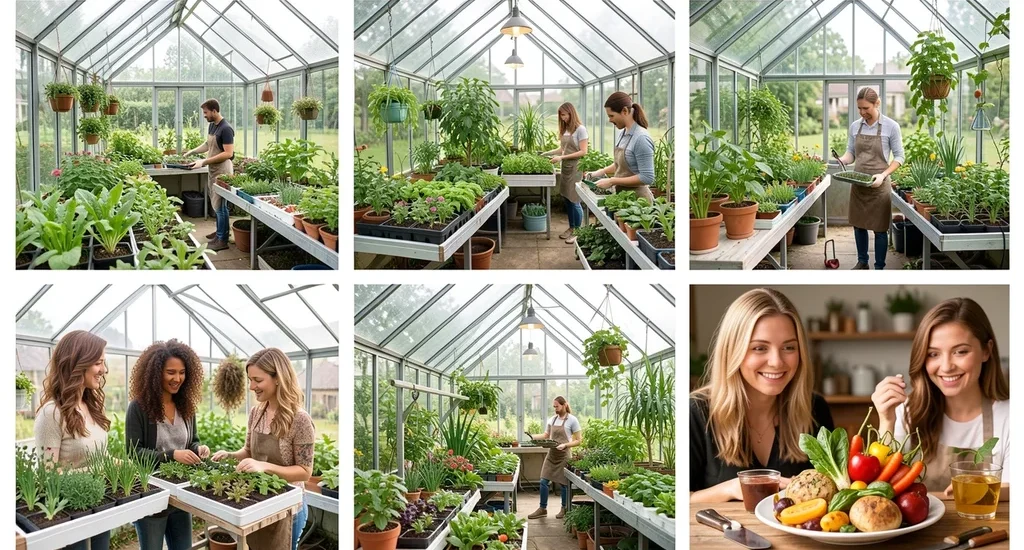
Transforming your greenhouse into a thriving garden oasis is easier than you think with the right greenhouse gardening tips. Whether you’re a beginner or seasoned grower, mastering temperature control, plant selection, and soil health can make all the difference. This guide covers everything you need to maximize yields and keep plants healthy in any season.
You can achieve consistent harvests in your greenhouse by controlling climate, choosing the right plants, and maintaining proper ventilation. Start with heat-loving crops like tomatoes and peppers, then expand to greens and herbs for variety.
How to Choose the Right Greenhouse for Your Space
The first step in successful greenhouse gardening is selecting the right structure for your needs. Consider size, material, and location carefully before investing. A well-placed greenhouse can extend your growing season by months.
Polycarbonate panels offer better insulation than glass and are more durable. Wooden frames provide a classic look but require more maintenance. Aluminum frames are lightweight and resistant to rust, making them ideal for humid environments.
- Size: Start with at least 6×8 feet for a family of four; larger families may need 10×12 feet or more
- Material: Polycarbonate panels (twin-wall for best insulation) outperform glass in most climates
- Location: South-facing for maximum sunlight in northern hemisphere; avoid low spots that collect water
- Foundation: Concrete or treated wood base prevents shifting and deters pests
- Ventilation: Ensure at least 20% of the roof area can open for proper airflow
- Budget: Expect to spend $5-$25 per square foot depending on materials and features
| Greenhouse Type | Pros | Cons | Best For |
|---|---|---|---|
| Polycarbonate Panel | Excellent insulation, durable, lightweight | Less aesthetic, can yellow over time | Year-round growing in all climates |
| Glass Panel | Classic look, excellent light transmission | Heavy, fragile, poor insulation | Ornamental gardens, warm climates |
| PVC Frame | Affordable, easy to assemble | Less durable, may warp in extreme heat | Temporary setups, small gardens |
For most home gardeners, a polycarbonate greenhouse with an aluminum frame offers the best balance of durability, insulation, and low maintenance. Always check local building codes before installation.
Climate Control Essentials for Healthy Plants
Maintaining the right temperature and humidity is the cornerstone of effective greenhouse gardening tips. Most vegetables thrive between 70-80°F during the day and 60-70°F at night. Temperature fluctuations can stress plants and reduce yields.
According to the University of Massachusetts Extension, proper ventilation can reduce disease incidence by up to 50% in greenhouse-grown plants. Humidity levels should stay between 40-70% to prevent fungal issues while ensuring plants get enough moisture.
Tip: Install both roof and side vents for optimal airflow. Automatic vent openers can maintain consistent temperatures without daily adjustments.
- Heating Systems: Use electric heaters for small greenhouses or propane for larger spaces; consider radiant heat for even distribution
- Cooling Methods: Shade cloths reduce heat by 30-50%; evaporative coolers work well in dry climates
- Ventilation: Exhaust fans should exchange air at least 4-5 times per hour; place fans at opposite ends for cross-ventilation
- Humidity Control: Use a hygrometer to monitor levels; misting systems can increase humidity for tropical plants
- Insulation: Bubble wrap or thermal blankets retain heat during cold nights; remove during the day to allow light in
| Season | Ideal Day Temp | Ideal Night Temp | Humidity Range |
|---|---|---|---|
| Spring | 70-75°F | 55-60°F | 50-60% |
| Summer | 75-85°F | 65-70°F | 40-50% |
| Fall | 65-75°F | 50-60°F | 50-60% |
| Winter | 60-70°F | 45-55°F | 60-70% |
Remember that these are general guidelines. Always research the specific needs of the plants you’re growing, as some may require different conditions.
Best Plants for Greenhouse Gardening Success
Not all plants thrive equally in a greenhouse environment. The best choices are those that benefit from consistent temperatures and protection from pests. According to a study by the National Gardening Association, greenhouse-grown tomatoes can produce up to 10 times more fruit than field-grown plants.
Start with easy-to-grow varieties before experimenting with more challenging plants. Consider your climate, available space, and personal preferences when selecting crops. Rotation is key to preventing soil depletion and disease buildup.
Top Vegetables for Greenhouse Growing
- Tomatoes: Indeterminate varieties like ‘Sungold’ or ‘Beefsteak’ produce continuously; require trellising; need consistent moisture
- Cucumbers: Vining types like ‘English’ or ‘Lemon’ thrive in warm conditions; train up trellises to save space; harvest regularly for continuous production
- Peppers: Both sweet and hot varieties do well; ‘Bell’ and ‘Jalapeño’ are popular choices; need warm soil (70°F+) for best germination
- Lettuce: Leaf varieties like ‘Romaine’ or ‘Buttercrunch’ grow quickly; prefer cooler temperatures (60-70°F); can be harvested multiple times
- Spinach: Cold-hardy and fast-growing; ‘Bloomsdale’ is a reliable variety; harvest outer leaves to extend the season
Herbs That Flourish in Greenhouses
- Basil: Loves heat; pinch back regularly to encourage bushiness; ‘Genovese’ is a classic choice
- Parsley: Slow to start but productive; prefers cooler temperatures; ‘Italian Flat-Leaf’ is most flavorful
- Cilantro: Grows quickly but may bolt in heat; succession plant every 3-4 weeks; ‘Calypso’ is bolt-resistant
- Mint: Vigorous grower; best in containers to prevent spreading; ‘Peppermint’ and ‘Spearmint’ are popular
- Dill: Attracts beneficial insects; ‘Bouquet’ is a compact variety; allow some to flower for seed production
Important: Avoid planting mint directly in greenhouse beds as it can become invasive. Always use containers for mint and other spreading herbs.
Soil Preparation and Fertilization Techniques
Healthy soil is the foundation of productive greenhouse gardening. Unlike outdoor gardens, greenhouse soil doesn’t benefit from natural rainfall and seasonal changes, so it requires more careful management. The USDA reports that proper soil management can increase greenhouse yields by 20-30%.
Start with a quality potting mix designed for containers, as garden soil can compact and drain poorly in greenhouse conditions. Test your soil annually to monitor pH and nutrient levels. Most vegetables prefer a slightly acidic to neutral pH (6.0-7.0).
Creating the Perfect Greenhouse Soil Mix
- Base: 50% high-quality potting soil or coconut coir for moisture retention
- Drainage: 25% perlite or coarse sand to prevent compaction
- Organic Matter: 20% compost or well-rotted manure for nutrients
- Aeration: 5% vermiculite to improve root growth
- Optional: Add 1-2 cups of slow-release fertilizer per cubic foot of mix
| Nutrient | Role in Plant Growth | Deficiency Symptoms | Good Sources |
|---|---|---|---|
| Nitrogen (N) | Leaf and stem growth, chlorophyll production | Yellow lower leaves, stunted growth | Compost, blood meal, fish emulsion |
| Phosphorus (P) | Root development, flower and fruit production | Purple stems/leaves, poor root growth | Bone meal, rock phosphate, worm castings |
| Potassium (K) | Disease resistance, water regulation, fruit quality | Yellow leaf edges, weak stems, poor fruit | Greensand, wood ash, banana peels |
For best results, use a balanced fertilizer (10-10-10 or 5-5-5) as a base, then supplement with specific nutrients as needed based on plant requirements and soil tests.
Fertilization Schedule for Greenhouse Plants
- Seedlings: Use a weak liquid fertilizer (half strength) every 2-3 weeks after true leaves appear
- Transplanting: Add compost or slow-release fertilizer to planting holes; water in thoroughly
- Early Growth: Apply balanced liquid fertilizer every 2 weeks; focus on nitrogen for leafy growth
- Flowering/Fruiting: Switch to higher phosphorus formula (5-10-5 or 10-20-10) as buds form
- Mature Plants: Maintain with balanced fertilizer every 3-4 weeks; reduce frequency in winter
Warning: Over-fertilizing can lead to salt buildup in greenhouse soil, which can damage plant roots. Always follow package instructions and flush the soil with water every few months to remove excess salts.
Watering Strategies for Optimal Plant Health
Proper watering is one of the most important greenhouse gardening tips for preventing disease and promoting healthy growth. Overwatering is a common mistake that can lead to root rot, while underwatering stresses plants and reduces yields. According to research from Cornell University, inconsistent watering can reduce tomato yields by up to 40%.
The key is to water deeply but infrequently, allowing the top inch of soil to dry out between waterings. This encourages deep root growth and prevents fungal issues. Drip irrigation systems are ideal for greenhouses as they deliver water directly to the roots while keeping foliage dry.
Signs of Improper Watering
| Problem | Symptoms | Solution |
|---|---|---|
| Overwatering | Yellowing leaves, mushy stems, mold on soil, stunted growth | Reduce frequency, improve drainage, check soil moisture before watering |
| Underwatering | Wilting, dry soil, crispy leaf edges, slow growth | Increase frequency, water deeply, add mulch to retain moisture |
| Inconsistent Watering | Cracked fruit, blossom end rot, leaf drop, uneven growth | Use drip irrigation, set a schedule, monitor soil moisture regularly |
Watering Techniques for Different Plant Types
- Leafy Greens: Keep soil consistently moist but not soggy; water at base to avoid wetting leaves; use a moisture meter for accuracy
- Tomatoes and Peppers: Water deeply 2-3 times per week; allow top inch of soil to dry between waterings; avoid wetting leaves to prevent disease
- Herbs: Most prefer slightly dry conditions; water when top inch of soil is dry; Mediterranean herbs (rosemary, thyme) need less water
- Cucumbers: Require consistent moisture for sweet, crisp fruit; water daily in hot weather; use drip irrigation to prevent leaf diseases
- Strawberries: Keep soil evenly moist; use drip irrigation to prevent fruit rot; mulch to retain moisture and suppress weeds
Tip: Water early in the morning to allow foliage to dry before evening, reducing the risk of fungal diseases. Collect rainwater for a free, eco-friendly water source.
Pest and Disease Management in the Greenhouse
One of the biggest advantages of greenhouse gardening is reduced pest pressure compared to outdoor growing. However, greenhouses can create ideal conditions for certain pests and diseases to thrive if not properly managed. The National Greenhouse Manufacturers Association reports that proper sanitation can prevent up to 80% of greenhouse pest problems.
Prevention is the best strategy. Start with clean soil and pest-free plants, and maintain good airflow and proper watering practices. Regularly inspect plants for signs of trouble, and act quickly at the first sign of infestation or disease.
Common Greenhouse Pests and How to Control Them
- Aphids: Small green, black, or white insects that cluster on new growth and undersides of leaves; suck plant sap causing distorted growth; excrete honeydew that attracts ants and sooty mold
- Prevention: Introduce beneficial insects like ladybugs and lacewings; use reflective mulch to disorient aphids
- Treatment: Spray with insecticidal soap or neem oil; remove heavily infested leaves
- Whiteflies: Tiny white flying insects that feed on plant sap; cause yellowing leaves and stunted growth; excrete honeydew
- Prevention: Use yellow sticky traps to monitor populations; introduce parasitic wasps
- Treatment: Apply insecticidal soap or neem oil; use a vacuum to remove adults
- Spider Mites: Tiny red or yellow mites that create fine webbing on plants; cause stippling (tiny dots) on leaves; thrive in hot, dry conditions
- Prevention: Maintain proper humidity levels; regularly mist plants
- Treatment: Spray with water to dislodge mites; apply miticides or neem oil; introduce predatory mites
- Thrips: Slender, tiny insects that rasp plant tissue and feed on the sap; cause silvery streaks on leaves and deformed growth
- Prevention: Use blue sticky traps; introduce beneficial insects like minute pirate bugs
- Treatment: Apply insecticidal soap or spinosad; remove and destroy infested plants
- Fungus Gnats: Small black flies that lay eggs in moist soil; larvae feed on roots and organic matter; adults are mostly a nuisance
- Prevention: Allow soil to dry between waterings; use sterile potting mix
- Treatment: Apply Bacillus thuringiensis var. israelensis (Bti) to soil; use yellow sticky traps for adults
Common Greenhouse Diseases and Prevention
| Disease | Symptoms | Cause | Prevention/Treatment |
|---|---|---|---|
| Powdery Mildew | White powdery spots on leaves, stunted growth | Fungal spores, high humidity, poor airflow | Improve ventilation, reduce humidity, apply sulfur or baking soda spray |
| Botrytis (Gray Mold) | Gray fuzzy mold on leaves, stems, fruit; soft rot | Fungal spores, high humidity, dead plant material | Remove infected plants, improve airflow, apply fungicide, keep greenhouse clean |
| Damping Off | Seedlings rot at soil line, collapse and die | Fungal pathogens in soil, overwatering | Use sterile potting mix, avoid overwatering, provide good airflow |
| Blossom End Rot | Dark, sunken spot on bottom of tomatoes, peppers | Calcium deficiency, inconsistent watering | Maintain consistent soil moisture, add calcium (gypsum, crushed eggshells) |
Practice good greenhouse hygiene to prevent the spread of pests and diseases. Clean and disinfect tools, benches, and pots regularly. Remove and destroy any infected plant material immediately.
Seasonal Greenhouse Gardening Guide
One of the greatest benefits of greenhouse gardening is the ability to grow food year-round, regardless of your climate. However, the crops you grow and the techniques you use will vary by season. Planning your greenhouse activities around the seasons will help you maximize productivity and extend your growing window.
According to data from the USDA, greenhouse growers can achieve up to 12 months of production for many crops, compared to 4-6 months in traditional outdoor gardens. The key is understanding what each season offers and adjusting your practices accordingly.
Spring Greenhouse Gardening
- Start Seeds: Begin warm-season crops like tomatoes, peppers, and eggplants 6-8 weeks before last frost; direct sow cool-season crops like lettuce, spinach, and radishes
- Transplant Seedlings: Harden off seedlings started indoors before moving to greenhouse; transplant cool-season crops outdoors as weather permits
- Pest Control: Monitor for early-season pests like aphids and whiteflies; introduce beneficial insects as preventive measure
- Ventilation: Open vents on warm days to prevent overheating; use shade cloth if temperatures exceed 85°F
- Soil Prep: Amend beds with compost; test soil pH and nutrients; add slow-release fertilizer as needed
Summer Greenhouse Gardening
- Harvest Warm-Season Crops: Pick tomatoes, cucumbers, peppers, and beans regularly to encourage continued production; harvest in the morning for best flavor
- Succession Plant: Sow new crops of beans, cucumbers, and squash every 2-3 weeks for continuous harvest; plant heat-tolerant greens like Swiss chard and Malabar spinach
- Shade and Cool: Use shade cloth to reduce temperatures; implement cooling systems like evaporative coolers or fans; ensure proper ventilation
- Water Management: Water deeply in the morning to prevent heat stress; use drip irrigation to conserve water and prevent disease
- Pest and Disease Control: Monitor for spider mites and whiteflies that thrive in hot, dry conditions; maintain proper humidity to prevent fungal diseases
Fall Greenhouse Gardening
- Extend the Season: Plant cool-season crops like lettuce, spinach, kale, and carrots for fall and early winter harvest; use row covers for added protection
- Overwinter Tender Plants: Move potted herbs and tender perennials into the greenhouse; protect from frost with frost blankets or heaters
- Soil Care: Add compost and organic matter to replenish nutrients; plant cover crops like clover or winter rye to improve soil health
- Pest Prevention: Clean greenhouse thoroughly to remove pest hiding spots; inspect plants before bringing them inside for the winter
- Harvest and Store: Harvest and properly store warm-season crops; dry or freeze herbs for winter use; save seeds from your best plants
Winter Greenhouse Gardening
- Grow Cold-Hardy Crops: Plant cold-tolerant vegetables like spinach, kale, Swiss chard, and arugula; grow microgreens for quick harvests; try cold-hardy herbs like parsley and chives
- Maintain Heat: Use heaters to maintain minimum temperatures (40-50°F for most cold-hardy crops); insulate with bubble wrap or thermal blankets; use heat sinks like barrels of water to store solar heat
- Maximize Light: Clean greenhouse glazing to allow maximum light penetration; supplement with grow lights on cloudy days; arrange plants to prevent shading
- Monitor Moisture: Reduce watering frequency as plant growth slows; ensure proper drainage to prevent waterlogging; use mulch to retain soil moisture
- Plan for Spring: Start seeds for early spring crops; order supplies and seeds; clean and organize greenhouse for the upcoming season
Tip: Use a greenhouse journal to track planting dates, harvests, pests, and weather conditions. This will help you refine your practices and plan more effectively for future seasons.
Common Mistakes to Avoid in Greenhouse Gardening
Even experienced gardeners can make mistakes when transitioning to greenhouse growing. Being aware of these common pitfalls can help you avoid costly errors and set your greenhouse up for success. The University of Nebraska-Lincoln Extension reports that new greenhouse growers often see a 30-50% increase in yields after their first year as they learn to avoid these mistakes.
Many issues stem from overenthusiasm – trying to grow too much too soon, or not properly maintaining the greenhouse environment. Start small, keep detailed records, and gradually expand your greenhouse operations as you gain experience.
- Poor Location Selection: Placing your greenhouse in a shady spot or low-lying area that collects water can lead to poor plant growth and disease issues. Always choose a location with maximum sunlight exposure and good drainage.
- Solution: Site your greenhouse where it will receive at least 6 hours of direct sunlight per day, preferably more. Avoid areas with large trees or buildings that cast shadows.
- Inadequate Ventilation: Without proper airflow, greenhouses can quickly become too hot, leading to stressed plants and increased pest and disease problems. Poor ventilation also prevents pollination for some crops.
- Solution: Install both roof and side vents for optimal airflow. Use exhaust fans if natural ventilation isn’t sufficient. Aim for at least 4-5 air exchanges per hour.
- Overcrowding Plants: It’s tempting to fill every inch of space, but overcrowding leads to competition for light, water, and nutrients, as well as increased disease spread. Plants need room to grow and proper airflow around them.
- Solution: Follow spacing recommendations for each crop. Use vertical space with trellises and hanging baskets. Rotate crops to prevent soil depletion.
- Neglecting Pollination: Many greenhouse-grown crops like tomatoes, peppers, and cucumbers require pollination to set fruit. Without natural pollinators, you’ll need to hand-pollinate or introduce pollinators.
- Solution: Gently shake tomato and pepper plants to distribute pollen. Use a small brush to transfer pollen between cucumber and squash flowers. Introduce bumblebees specifically bred for greenhouse pollination.
- Ignoring Soil Health: Greenhouse soil can become depleted of nutrients quickly without the natural replenishment that occurs in outdoor gardens. Pests and diseases can also build up in the soil over time.
- Solution: Test your soil regularly and amend as needed. Rotate crops to prevent disease buildup. Consider using soilless mixes for some crops to avoid soil-borne issues.
- Inconsistent Watering: Fluctuating moisture levels can cause a host of problems, from blossom end rot in tomatoes to cracking in cucumbers. Overwatering can lead to root rot and fungal diseases.
- Solution: Implement a consistent watering schedule based on plant needs and weather conditions. Use drip irrigation for precise water delivery. Monitor soil moisture regularly.
- Not Monitoring Temperature: Greenhouses can experience extreme temperature swings, from very hot during the day to cold at night. These fluctuations can stress plants and reduce yields.
- Solution: Install a maximum/minimum thermometer to track temperature extremes. Use heaters and cooling systems as needed to maintain consistent temperatures.
Frequently Asked Questions
How often should I water my greenhouse plants?
The frequency depends on several factors including plant type, greenhouse temperature, humidity, and season. As a general rule, water when the top inch of soil feels dry. In hot weather, this might mean daily watering for some crops, while in cooler months, you might water every few days.
Always check soil moisture before watering rather than following a rigid schedule.
What’s the best way to heat a greenhouse in winter?
The most efficient heating method depends on your greenhouse size, local climate, and budget. For small greenhouses, electric heaters are often sufficient and easy to install. Propane or natural gas heaters work well for larger spaces.
Radiant heat systems provide even warmth but can be more expensive to install. Always insulate your greenhouse well to retain heat, and consider using thermal mass like barrels of water to store solar heat during the day and release it at night.
Can I grow citrus trees in a greenhouse?
Yes, you can successfully grow citrus trees in a greenhouse, especially in colder climates where they wouldn’t survive outdoors. Dwarf varieties like ‘Meyer’ lemon, ‘Calamondin’ orange, or ‘Improved Meyer’ lemon are well-suited for greenhouse growing. They require bright light, consistent temperatures between 55-85°F, and well-draining soil.
Be prepared to hand-pollinate the flowers and provide adequate space as the trees mature.
How do I prevent mold and mildew in my greenhouse?
Prevention is key when it comes to mold and mildew. Ensure proper ventilation by opening vents and using fans to maintain good airflow. Keep humidity levels between 40-70% and avoid wetting plant foliage when watering.
Remove any dead or dying plant material promptly, as it can harbor fungal spores. Regularly clean your greenhouse, including benches, tools, and glazing. Apply organic fungicides like sulfur or baking soda sprays at the first sign of trouble.
What’s the difference between a greenhouse and a cold frame?
A greenhouse is a permanent or semi-permanent structure designed for year-round growing, typically with a transparent or translucent roof and walls that allow light to enter while trapping heat. Greenhouses often have heating and cooling systems, ventilation, and sometimes automation for climate control. A cold frame, on the other hand, is a low, transparent structure usually set directly on the ground, designed to protect plants from cold temperatures and extend the growing season by a few weeks.
Cold frames rely on solar heat and have no artificial heating or cooling systems.
Final Thoughts
Mastering greenhouse gardening tips opens up a world of possibilities for year-round growing and bountiful harvests. By controlling the environment, selecting the right plants, and maintaining proper care, you can enjoy fresh produce regardless of the season. Start with the basics, keep detailed records, and gradually expand your greenhouse operations as you gain experience.
With patience and practice, your greenhouse can become a thriving, productive space that provides food for your family and joy for your gardening journey.