Last Updated on October 23, 2026 by D. Ruddy
Preparing your lawn for aeration and overseeding in the fall is crucial for achieving a lush, healthy yard. What to do before aerating and overseeding lawn in fall involves a few key steps that ensure the best results, from soil preparation to choosing the right grass seed. Without proper prep, your efforts may go to waste, leaving you with patchy or weak grass growth.
Mow your lawn shorter than usual and remove debris to allow seeds to reach the soil. Test soil pH and amend if needed. Water deeply 1-2 days before aerating for easier core removal. Choose high-quality seed matching your climate and lawn type.
Assess Your Lawn’s Current Condition
Before diving into aeration and overseeding, evaluate your lawn’s health. Look for bare spots, compacted soil, or areas with thin grass. Compacted soil prevents water, air, and nutrients from reaching the roots, which is why aeration is essential.
Thatch buildup, a layer of dead grass and debris, can also hinder growth if it exceeds half an inch in thickness.
Walk across your lawn to check for compacted areas. If the soil feels hard or water pools on the surface, it’s a sign that aeration is needed. Take note of high-traffic areas, as these are often the most compacted.
Additionally, observe the grass type and its overall health, as this will influence the seed you choose for overseeding.
- Check for bare spots: Areas with no grass need extra attention during overseeding.
- Test soil compaction: Use a screwdriver or soil probe to see how easily it penetrates the ground.
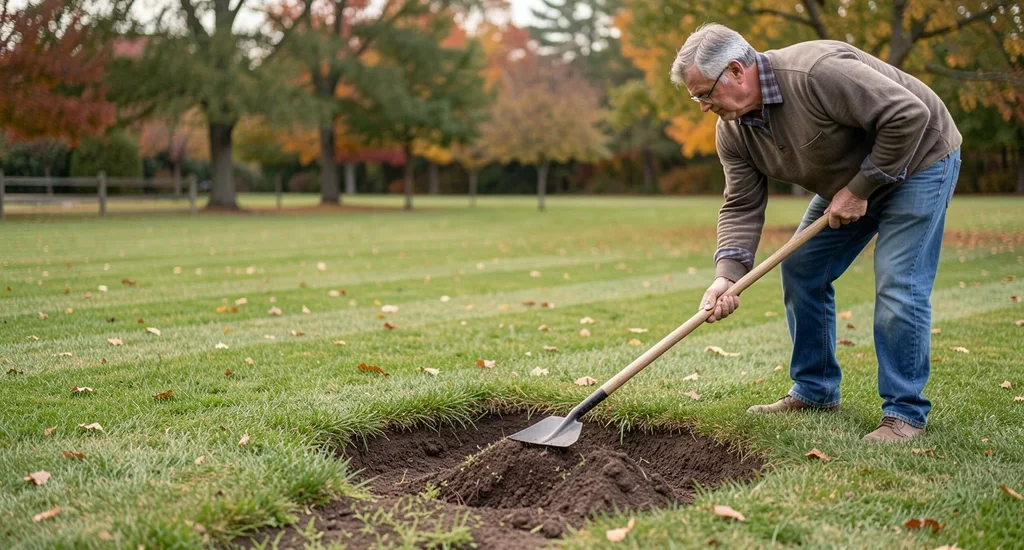
- Measure thatch layer: Dig up a small section of grass to inspect the thatch layer’s thickness.
- Identify grass type: Cool-season grasses like Kentucky bluegrass or fescue are common for fall overseeding.
- Look for weeds or disease: Address these issues before aerating and overseeding to avoid competition with new grass.
Tip: If your lawn has more than 50% weeds, consider a full renovation instead of overseeding.
Mow and Remove Debris
Mowing your lawn shorter than usual before aerating and overseeding is critical. Aim to cut the grass to about 1.5 to 2 inches in height. This allows the aerator to penetrate the soil effectively and ensures that the overseeding process reaches the soil surface rather than getting caught in the grass blades.
After mowing, rake up and remove all clippings, leaves, and other debris. This step is often overlooked but is vital for success. Debris can block seeds from making contact with the soil, reducing germination rates.
A clean lawn also allows the aerator to work more efficiently, pulling up better soil cores.
- Mow the lawn: Set your mower to a low setting to achieve a height of 1.5–2 inches.
- Bag the clippings: Use a bagging attachment to collect grass clippings and prevent them from spreading.
- Rake the lawn: Use a rake to remove any remaining debris, leaves, or twigs.
- Inspect for rocks or sticks: Pick up any larger objects that could interfere with the aerator.
| Tool | Purpose |
|---|---|
| Lawn mower with bag | Cut grass short and collect clippings |
| Rake | Remove loose debris and thatch |
| Leaf blower (optional) | Clear smaller debris quickly |
A clean lawn surface ensures that seeds can directly contact the soil, improving germination rates significantly.
Test and Amend Your Soil
Soil quality plays a massive role in the success of your overseeding efforts. Testing your soil’s pH and nutrient levels helps you determine if any amendments are needed. Most grasses thrive in slightly acidic to neutral soil, with a pH between 6.0 and 7.0.
If your soil is too acidic or alkaline, the grass may struggle to absorb nutrients, even if you’ve chosen the best seed.
You can test your soil using a DIY kit from a garden center or by sending a sample to a local agricultural extension office for a more detailed analysis. Based on the results, you may need to add lime to raise the pH or sulfur to lower it. Additionally, check for nutrient deficiencies, particularly phosphorus, which is crucial for root development in new grass.
- Test soil pH: Use a home test kit or send a sample to a lab for accurate results.
- Adjust pH if needed: Apply lime to raise pH or sulfur to lower it, following package instructions.
- Check nutrient levels: Focus on phosphorus (P) for root growth and nitrogen (N) for blade development.
- Add compost or organic matter: Improves soil structure and fertility for better seed germination.
- Aerate if soil is compacted: If your soil test reveals high compaction, aeration will help loosen it before overseeding.
Warning: Avoid overseeding without testing soil pH first. Incorrect pH levels can prevent grass from absorbing nutrients, leading to poor growth.
| Soil pH | Grass Type | Amendment Needed |
|---|---|---|
| Below 6.0 | Cool-season grasses | Lime |
| Above 7.5 | Warm-season grasses | Sulfur |
| 6.0–7.0 | Most grasses | None |
Amending your soil before overseeding ensures that new grass has the best environment to establish strong roots and grow thick and healthy.
Water Deeply Before Aerating
Watering your lawn thoroughly 1–2 days before aerating softens the soil, making it easier for the aerator to pull out cores. Dry, hard soil can blunt the tines of your aerator or result in shallow, ineffective holes. Aim to water the lawn so that the soil is moist but not soggy—about 1 inch of water total, applied over a day or two.
Deep watering also encourages grass roots to grow deeper into the soil, which improves drought resistance. If you’re unsure whether the soil is moist enough, test it by inserting a screwdriver or soil probe into the ground. It should slide in easily up to 3–4 inches.
If it doesn’t, water more and retest.
- Water 1–2 days before aerating: Apply 1 inch of water total, split over two sessions if needed.
- Check soil moisture: Use a screwdriver or soil probe to test if the soil is soft enough.
- Avoid watering the day of aeration: The soil should be moist but not muddy.
- Water in the morning: This reduces evaporation and gives the soil time to absorb the moisture.
Important: Overwatering can lead to muddy conditions, which may clog your aerator. Stick to moist, not soggy, soil.
Choose the Right Grass Seed
Selecting the right grass seed is just as important as preparing your lawn. The best seed for your lawn depends on your climate, soil type, and the amount of sunlight your yard receives. Cool-season grasses like Kentucky bluegrass, tall fescue, and perennial ryegrass are ideal for fall overseeding in northern regions, while warm-season grasses like Bermuda or Zoysia are better suited for southern climates.
When choosing seed, look for high-quality, disease-resistant varieties that match your existing lawn. Check the seed label for the germination rate (aim for 85% or higher) and purity (90% or higher). Avoid cheap seed blends, as they often contain filler seeds or weeds that can compete with your new grass.
- Cool-season grasses: Kentucky bluegrass, tall fescue, perennial ryegrass (best for fall overseeding in northern climates).
- Warm-season grasses: Bermuda, Zoysia, St. Augustine (better for southern climates, overseeded in late spring).
- Shade-tolerant grasses: Fine fescue, tall fescue blends (for lawns with partial or full shade).
- Drought-resistant grasses: Tall fescue, Buffalo grass (for areas with water restrictions).
- Fast-germinating grasses: Perennial ryegrass (germinates in 5–10 days, good for quick cover).
| Grass Type | Climate | Germination Time | Shade Tolerance |
|---|---|---|---|
| Kentucky Bluegrass | Cool | 14–30 days | Moderate |
| Tall Fescue | Cool | 7–14 days | High |
| Perennial Ryegrass | Cool | 5–10 days | Low |
| Bermuda | Warm | 7–14 days | Low |
Selecting the right seed ensures that your overseeding efforts result in a uniform, healthy lawn that thrives in your specific conditions.
Prepare Your Aeration Equipment
Whether you’re renting an aerator or using your own, proper preparation is key. Core aerators, which remove small plugs of soil, are the most effective for lawns with heavy clay or compacted soil. Spike aerators, which poke holes in the ground, are less effective but can work for smaller lawns with minor compaction.
Before starting, inspect the aerator for any damage or wear. Ensure the tines are sharp and free of debris. If you’re renting, ask the rental company for a demonstration on how to operate the machine safely.
Plan your aeration pattern to cover the entire lawn in a grid-like fashion, making two passes in perpendicular directions for the best results.
- Choose the right aerator: Core aerators are best for most lawns; spike aerators are less effective.
- Inspect the equipment: Check tines for sharpness and remove any debris or buildup.
- Mark sprinkler heads and utilities: Flag any underground sprinkler lines or utility lines to avoid damage.
- Plan your pattern: Aerate in a grid pattern, making two passes for thorough coverage.
- Wear protective gear: Use closed-toe shoes, gloves, and eye protection when operating the aerator.
Tip: If your lawn is very compacted, consider renting a heavier-duty aerator or hiring a professional for the job.
Common Mistakes to Avoid
Even with the best intentions, many homeowners make mistakes that can sabotage their overseeding efforts. One of the most common errors is skipping the soil test and not amending the soil as needed. Without the right pH and nutrients, new grass may struggle to grow, no matter how well you’ve prepared the lawn.
Another frequent mistake is not mowing the lawn short enough before aerating and overseeding. Long grass can prevent seeds from reaching the soil, reducing germination rates. Additionally, failing to remove debris or thatch can create a barrier that prevents seeds from establishing contact with the soil.
- Skipping the soil test: Always test soil pH and nutrient levels before overseeding to ensure optimal conditions for new grass.
- Not mowing short enough: Grass should be cut to 1.5–2 inches to allow seeds to reach the soil.
- Ignoring debris: Always rake up clippings, leaves, and other debris before aerating and overseeding.
- Overseeding at the wrong time: Fall is ideal for cool-season grasses, but warm-season grasses should be overseeded in late spring.
- Using low-quality seed: Cheap seed blends often contain fillers or weeds that can compete with your new grass.
- Not watering properly: New grass needs consistent moisture to germinate; water lightly daily for the first 2 weeks.
Post-Aeration and Overseeding Care
Your work isn’t done after aerating and overseeding. Proper post-care is essential for helping new grass establish strong roots. Immediately after overseeding, lightly rake the seeds to ensure they make contact with the soil.
This step improves germination rates by preventing seeds from being washed away or eaten by birds.
Watering is critical during the first few weeks. Keep the soil consistently moist but not soggy. Water lightly every day for the first 2 weeks, then gradually reduce frequency as the new grass establishes.
Avoid heavy foot traffic on the lawn for at least 4 weeks to allow the new grass to take root. Finally, avoid mowing until the new grass reaches about 3–4 inches in height, and never remove more than one-third of the grass blade at a time.
- Rake lightly after overseeding: Helps seeds make contact with the soil for better germination.
- Water daily for 2 weeks: Keep soil moist but not soggy to encourage seed germination.
- Avoid heavy foot traffic: Stay off the lawn for at least 4 weeks to allow new grass to establish.
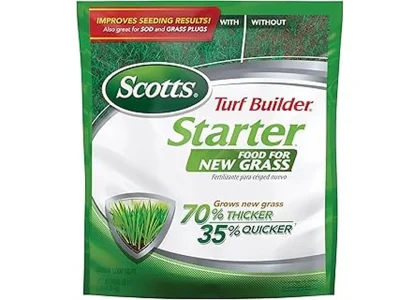
- Fertilize after germination: Apply a starter fertilizer once the new grass begins to grow.
- Mow carefully: Wait until new grass is 3–4 inches tall, and never cut more than one-third of the blade.
Important: Avoid using pre-emergent herbicides after overseeding, as they can prevent grass seeds from germinating.
Frequently Asked Questions
How often should I aerate and overseed my lawn?
Aerating and overseeding once a year is ideal for most lawns, with fall being the best time for cool-season grasses. If your lawn has heavy foot traffic or compacted soil, consider aerating twice a year—once in the fall and once in the spring. Warm-season grasses should be aerated and overseeded in late spring or early summer.
Can I overseed without aerating?
While you can overseed without aerating, it’s not recommended for lawns with compacted soil or thick thatch. Aeration creates holes that allow seeds, water, and nutrients to penetrate the soil more effectively, significantly improving germination rates. Without aeration, seeds may struggle to make contact with the soil, especially in dense or compacted areas.
What is the best time of day to aerate and overseed?
The best time to aerate and overseed is in the early morning or late afternoon when temperatures are cooler. This reduces stress on the grass and allows the soil to retain moisture better. Avoid aerating during the heat of the day, as dry, hot conditions can dry out the soil and newly planted seeds quickly.
How much seed do I need for overseeding?
The amount of seed you need depends on the type of grass and the size of your lawn. As a general rule, use about 16 seeds per square inch or 4–8 pounds of seed per 1,000 square feet. Check the seed label for specific recommendations, as some grass types may require slightly more or less seed for optimal coverage.
When will I see results after overseeding?
You’ll typically start to see new grass sprouting within 7–21 days after overseeding, depending on the grass type, soil conditions, and weather. Cool-season grasses like Kentucky bluegrass may take up to 30 days to germinate, while perennial ryegrass can sprout in as little as 5–10 days. Full establishment, where the new grass blends seamlessly with the existing lawn, can take 4–8 weeks.
Final Thoughts
Preparing your lawn for aeration and overseeding in the fall sets the stage for a healthier, more vibrant yard. By assessing your lawn’s condition, mowing and removing debris, testing and amending the soil, watering deeply, and choosing the right grass seed, you’ll create the ideal environment for new grass to thrive. Avoid common mistakes like skipping the soil test or not mowing short enough, and follow up with proper post-care to ensure success.
With the right approach, your lawn will be thicker, greener, and more resilient than ever.