Last Updated on July 25, 2026 by D. Ruddy
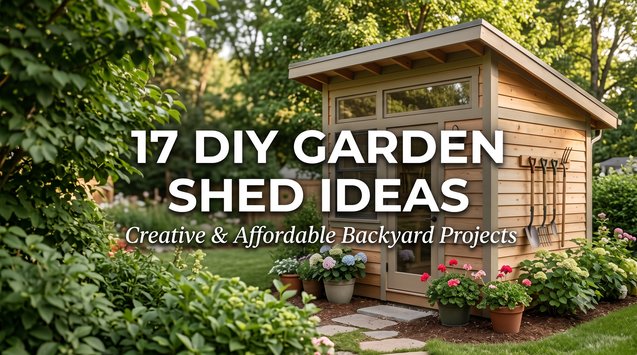
DIY garden shed ideas offer a fantastic way to add storage, workshop space, or even a cozy retreat to your backyard without breaking the bank. Building your own shed allows for complete customization, from size and style to the materials you use, ensuring it perfectly complements your existing landscape and meets your specific needs. This guide explores 17 creative and practical DIY garden shed concepts, covering everything from basic storage solutions to more elaborate designs.
Simply put, building a DIY garden shed empowers you to create custom storage and functional space that perfectly fits your backyard, budget, and aesthetic preferences, with numerous design options available.
Key Takeaways
- DIY garden shed ideas provide cost-effective custom storage and workspace solutions for any backyard.
- Designs range from simple, functional storage units to more elaborate structures like potting sheds or studios.
- Key considerations include available space, budget, intended use, and local building regulations.
- Choosing the right materials and following detailed plans are crucial for a durable and attractive shed.
- Many DIY garden shed ideas can be adapted to incorporate unique features like windows, skylights, or integrated planters.
1. The Classic Gable Roof Shed
This is perhaps the most traditional and recognizable garden shed design. Its iconic A-frame roof, known as a gable roof, offers excellent water runoff and ample headroom inside. This design is relatively straightforward to build, making it a popular choice for beginners and experienced DIYers alike.
Its timeless appeal ensures it will blend seamlessly into most garden settings.
The gable roof provides significant structural integrity and is adept at handling snow loads in colder climates. The ample space beneath the peak can be utilized for additional storage of longer items or can simply add to the overall sense of spaciousness. You can customize the exterior with paint, siding, and decorative trim to match your home.
September Outdoor Sale — Save Up to 52%
A new month means new ways to upgrade your patio, garden & lawn for less. We’ve rounded up popular outdoor picks with savings up to 52%. Don’t wait—these offers can change anytime!
- Simple construction for ease of building.
- Excellent water and snow runoff capabilities.
- High headroom for comfortable access and storage.
- Ample surface area for personalization (paint, siding).
- Can be easily adapted for windows and ventilation.
- Cost-effective materials are readily available.
- Offers significant interior storage space.
Best For: General garden tool storage, lawnmower storage, and anyone seeking a traditional, reliable shed design.
2. The Lean-To Shed: Space-Saving Simplicity
A lean-to shed is an excellent option for tighter spaces or when you need to attach the shed directly to an existing structure like a fence, garage, or the side of your house. It features a single-slope roof, with the higher side attached to the building and the lower side extending outwards. This design is one of the easiest and quickest DIY projects you can undertake.
The primary advantage of a lean-to is its space efficiency. It requires fewer materials than a traditional gable roof shed, often making it the most budget-friendly option. You can build it long and narrow to fit along a property line or shorter and deeper to tuck into a corner.
Ensure proper sealing where it attaches to the existing structure to prevent water ingress.
| Feature | Lean-To Shed | Freestanding Gable Shed |
|---|---|---|
| Construction Difficulty | Easy | Moderate |
| Space Efficiency | High | Moderate |
| Material Cost | Low | Moderate |
| Roof Style | Single Slope | Double Slope (Gable) |
The single slope roof is efficient for drainage, directing water away from the structure. It can also be positioned to receive optimal sunlight for solar panels if desired.
September Outdoor Sale — Save Up to 52%
A new month means new ways to upgrade your patio, garden & lawn for less. We’ve rounded up popular outdoor picks with savings up to 52%. Don’t wait—these offers can change anytime!
Best For: Small backyards, tight corners, attaching to existing structures, budget-conscious builders, and storing long, narrow items like lumber or ladders.
3. The Potting Shed: A Gardener’s Haven
For those with a green thumb, a potting shed is more than just storage; it’s a dedicated workspace. These DIY garden shed ideas typically feature ample counter space for potting plants, shelves for seed packets and small tools, and often include windows to maximize natural light. Ventilation is also key to keeping plants healthy.
A well-designed potting shed can dramatically improve your gardening experience. Think about incorporating a built-in sink for easy cleanup, pegboards for hanging trowels and cultivators, and perhaps even a small greenhouse section. You can make it as simple or as elaborate as your gardening passion demands.
- Abundant counter space for potting and repotting.
- Extensive shelving for organized storage of supplies.
- Large windows for natural light essential for plant growth.
- Optional: built-in sink, ventilation systems, or a small greenhouse extension.
- Pegboards for easy access to frequently used tools.
- A dedicated, organized space to nurture your plants.
Best For: Avid gardeners, those who start seeds indoors, or anyone wanting a specialized, functional space for plant care and propagation.
September Outdoor Sale — Save Up to 52%
A new month means new ways to upgrade your patio, garden & lawn for less. We’ve rounded up popular outdoor picks with savings up to 52%. Don’t wait—these offers can change anytime!
4. The Modern Shed: Sleek and Stylish
Embrace contemporary design with a modern DIY garden shed. This style often features clean lines, minimalist aesthetics, and the use of materials like metal siding, large glass panels, or composite materials. The roofline might be flat, single-sloped, or even feature unique angles.
Modern sheds aren’t just about looks; they can be highly functional. Large windows can transform the space into a home office, art studio, or guest room. The focus is on uncluttered design and seamless integration with a modern home or landscape.
Consider a color palette that complements your home’s exterior.
Important: When designing a modern shed, pay close attention to material choices. Smooth, durable finishes and geometric shapes will enhance the contemporary feel.
Best For: Homeowners with modern architecture, those seeking a multi-functional space (office, studio, gym), and individuals who appreciate minimalist design.
5. The Mini Barn Shed: Maximizing Vertical Space
A mini barn shed mimics the distinctive gambrel roof style of a traditional barn, offering significant vertical storage space. This roof design creates two slopes on each side, maximizing the usable area in the loft or upper level of the shed. It’s ideal for storing tall items or organizing a lot of gear efficiently.
September Outdoor Sale — Save Up to 52%
A new month means new ways to upgrade your patio, garden & lawn for less. We’ve rounded up popular outdoor picks with savings up to 52%. Don’t wait—these offers can change anytime!
The gambrel roof is not only visually appealing but highly practical for storage. You can create a distinct loft area, perfect for seasonal decorations, bulk supplies, or equipment you don’t need to access frequently. Building the gambrel roof can be slightly more complex than a simple gable, but the reward is substantial.
Ensure your plans account for safe access to the loft.
- Unique barn-like aesthetic.
- Exceptional vertical storage capacity.
- Ideal for creating a separate loft area.
- Gambrel roof handles snow loads well.
- Can be customized with large doors for equipment.
- Requires slightly more complex roof construction.
Best For: Storing bulky items, creating a multi-level storage system, and adding a rustic charm to your backyard.
6. The Playhouse Shed: Fun for Kids
Transform a basic shed structure into a delightful playhouse for children. This DIY project can be incredibly rewarding, providing a dedicated space for imaginative play. Focus on safety, ample light, and fun design elements like kid-sized doors and windows, perhaps even a small porch or slide.
When designing a playhouse shed, prioritize safety. Round off sharp edges, ensure sturdy construction, and use non-toxic paints. You can add features like a chalkboard wall, toy storage shelves, or even a small table and chairs.
September Outdoor Sale — Save Up to 52%
A new month means new ways to upgrade your patio, garden & lawn for less. We’ve rounded up popular outdoor picks with savings up to 52%. Don’t wait—these offers can change anytime!
Make it a space where kids can let their imaginations run wild.
Warning: Ensure all materials used are child-safe and non-toxic. Regularly inspect the playhouse shed for any signs of wear or damage to maintain safety.
Best For: Families with young children, providing a safe and engaging outdoor play space.
7. The Workshop Shed: For the Hobbyist
For crafters, woodworkers, or anyone with a hands-on hobby, a workshop shed is a game-changer. These designs prioritize functionality with features like robust workbenches, ample power outlets, excellent lighting, and plenty of storage for tools and materials. Consider adding a ventilation system to manage dust and fumes.
A dedicated workshop shed keeps your projects organized and your workspace free from clutter. Plan for a sturdy workbench that can withstand heavy use. Incorporate a variety of storage solutions, from pegboards for hand tools to cabinets for larger items and shelves for materials.
Good lighting, both natural and artificial, is essential.
September Outdoor Sale — Save Up to 52%
A new month means new ways to upgrade your patio, garden & lawn for less. We’ve rounded up popular outdoor picks with savings up to 52%. Don’t wait—these offers can change anytime!
- Heavy-duty workbench for various projects.
- Abundant electrical outlets for tools and equipment.
- Superior lighting (natural and artificial).
- Customizable tool storage solutions (pegboards, cabinets).
- Optional: dust collection system, ventilation fan.
- Provides a dedicated, distraction-free workspace.
Best For: Woodworkers, artists, DIY enthusiasts, mechanics, and anyone needing a dedicated space to create, build, or repair.
8. The Greenhouse Shed: Extend Your Growing Season
Combine the functionality of a shed with the benefits of a greenhouse. These structures typically feature a significant amount of glazing (glass or polycarbonate panels) to maximize sunlight exposure for plants. They can be used to start seedlings early, grow tender plants, or simply provide a warm environment for gardening year-round.
Building a greenhouse shed requires careful consideration of materials to ensure good insulation and light transmission. Polycarbonate panels are often favored for their durability and insulation properties compared to glass. Proper ventilation is critical to prevent overheating, especially in direct sunlight.
Think about adding a heating system for colder months.
| Feature | Greenhouse Shed | Standard Storage Shed |
|---|---|---|
| Primary Purpose | Growing plants, extending seasons | Storing tools and equipment |
| Glazing Material | High percentage of glass or polycarbonate | Minimal or no glazing |
| Ventilation Needs | Crucial (vents, fans) to prevent overheating | Desirable for air circulation |
| Temperature Control | Often requires heating/cooling systems | Generally unconditioned |
These structures are designed to capture and retain solar heat, creating a microclimate ideal for plant growth.
September Outdoor Sale — Save Up to 52%
A new month means new ways to upgrade your patio, garden & lawn for less. We’ve rounded up popular outdoor picks with savings up to 52%. Don’t wait—these offers can change anytime!
Best For: Gardeners looking to extend their growing season, protect delicate plants, or start seedlings early.
9. The Storage Shed with a Loft
Maximize your storage potential by incorporating a loft into your DIY garden shed. This is especially useful for items that are used less frequently, such as seasonal decorations, camping gear, or spare lumber. It effectively doubles your usable storage space without increasing the shed’s footprint.
When planning a shed with a loft, ensure the floor joists are robust enough to support the extra weight. A sturdy ladder or even a small staircase is necessary for safe access to the loft. The loft can be fully enclosed or left open, depending on your preference and the shed’s overall design.
Consider adding windows to the loft area for better visibility and air circulation.
- Significantly increases usable storage area.
- Perfect for storing seasonal or infrequently used items.
- Requires reinforced floor joists for structural integrity.
- Needs safe access, such as a ladder or stairs.
- Can be designed as an open or enclosed loft.
- Provides excellent organization for bulky items.
Best For: Anyone with a lot of gear to store, especially those with limited backyard space who need to utilize vertical storage.
September Outdoor Sale — Save Up to 52%
A new month means new ways to upgrade your patio, garden & lawn for less. We’ve rounded up popular outdoor picks with savings up to 52%. Don’t wait—these offers can change anytime!
10. The Rustic Charm Shed
Embrace a natural, rustic aesthetic with a shed built from reclaimed wood, corrugated metal, or featuring natural stone accents. This style pairs well with country or cottage-style gardens and can add character and charm to your outdoor space. Think about incorporating elements like wooden shingles, a weathered finish, or decorative shutters.
The beauty of a rustic shed lies in its imperfection and character. Reclaimed materials not only add to the aesthetic but are also an eco-friendly choice. You can salvage wood from old barns, fences, or pallets.
Even if you use new materials, techniques like staining and distressing can give them a charming, aged look. Add some hanging baskets of flowers for an extra touch.
Rustic DIY garden shed ideas often involve embracing natural textures and weathered finishes for a charming, timeworn look that complements organic garden settings.
Best For: Homes with a country, farmhouse, or cottage garden style, those who appreciate unique, character-filled structures, and eco-conscious builders using reclaimed materials.
11. The Shed with a Porch or Deck
Extend the functionality of your shed beyond mere storage by adding a small porch or deck. This creates a pleasant outdoor living or working area, perfect for enjoying your garden, working on projects outdoors, or simply having a place to sit and relax. It transforms the shed into a more integrated part of your outdoor living space.
September Outdoor Sale — Save Up to 52%
A new month means new ways to upgrade your patio, garden & lawn for less. We’ve rounded up popular outdoor picks with savings up to 52%. Don’t wait—these offers can change anytime!
A small porch can be as simple as a few wide steps leading to the door or a more elaborate covered area. A deck can offer space for a small bistro set, a place to display potted plants, or a convenient spot to set down tools while working. Ensure the porch or deck is built to code and properly supported.
Consider adding a railing for safety, especially if it’s elevated.
- Adds usable outdoor living or workspace.
- Enhances the aesthetic appeal of the shed.
- Provides a convenient area for seating or staging projects.
- Requires solid foundation and construction techniques.
- Can be covered or uncovered, depending on preference.
- Increases the overall utility of the shed.
Best For: Those who want their shed to be more than just storage, creating an inviting outdoor nook or workspace.
12. The Salvaged Material Shed
Get creative and budget-friendly by building a shed primarily from salvaged materials. Old doors, windows, reclaimed lumber, pallets, and even repurposed metal sheets can be ingeniously combined to create a unique and characterful structure. This approach is both sustainable and can result in a truly one-of-a-kind garden shed.
The key to a successful salvaged material shed is planning and adaptability. You’ll need to be flexible with your design based on the materials you find. Thoroughly inspect all salvaged materials for structural integrity and treat any weathered wood to ensure longevity.
September Outdoor Sale — Save Up to 52%
A new month means new ways to upgrade your patio, garden & lawn for less. We’ve rounded up popular outdoor picks with savings up to 52%. Don’t wait—these offers can change anytime!
A well-executed salvaged shed can look intentional and charming, not just haphazard.
Tip: When using salvaged materials, always check for nails, rot, or insect damage before incorporating them into your build.
Best For: Eco-conscious builders, those on a tight budget, and individuals who enjoy unique, upcycled projects.
13. The Stylish Garden Office Shed
With the rise of remote work, a garden shed can be transformed into a functional and inspiring home office. These designs focus on creating a comfortable, well-lit, and insulated space that feels separate from the main house, promoting focus and productivity. Features often include proper insulation, heating/cooling, ample electrical outlets, and good lighting.
A garden office shed offers a dedicated workspace without the commute. Plan for excellent insulation to maintain a comfortable temperature year-round. Ensure you have sufficient power for computers, monitors, and other office equipment.
Consider soundproofing if your backyard environment can be noisy. Natural light is crucial, so large windows or skylights are recommended.
September Outdoor Sale — Save Up to 52%
A new month means new ways to upgrade your patio, garden & lawn for less. We’ve rounded up popular outdoor picks with savings up to 52%. Don’t wait—these offers can change anytime!
- Provides a dedicated, distraction-free workspace.
- Offers a separation from home life for better focus.
- Can be insulated and equipped with heating/cooling.
- Requires sufficient electrical capacity for office equipment.
- Large windows enhance natural light and views.
- Customizable to suit your specific work needs.
Best For: Remote workers, freelancers, students needing a quiet study space, or anyone looking to create a professional home office.
14. The Kids’ Playroom or Activity Shed
Similar to a playhouse, this shed is designed as a dedicated activity zone for children. It can be outfitted with art supplies, a small library, a craft table, or even simple gym equipment. The goal is to provide a stimulating and safe environment for children to explore their interests and engage in creative play.
Think about the age group and interests of the children who will use the shed. For younger kids, focus on safety features and stimulating colors. For older children, you might incorporate a desk for homework, storage for sports equipment, or even a small stage for performances.
Good ventilation and lighting are always important.
Best For: Families seeking to give children their own dedicated space for hobbies, creativity, and play, separate from the main house.
September Outdoor Sale — Save Up to 52%
A new month means new ways to upgrade your patio, garden & lawn for less. We’ve rounded up popular outdoor picks with savings up to 52%. Don’t wait—these offers can change anytime!
15. The Compact & Corner Shed
Ideal for very small yards or tight spaces, a compact or corner shed is designed to fit snugly into an awkward spot. These often have a triangular or pentagonal footprint to maximize space utilization. Even a small shed can provide valuable storage for essential garden tools, hose reels, or small gardening equipment.
The key to a successful corner shed is precise measurement and planning. You’ll need to ensure it fits the chosen corner without obstructing pathways or other garden features. Roof designs for these sheds often involve a single slope to manage water runoff effectively.
Don’t underestimate the usefulness of even a small storage space.
| Shed Type | Footprint Shape | Ideal Location | Primary Benefit |
|---|---|---|---|
| Classic Gable | Rectangular | Open yard space | Versatile storage, classic look |
| Lean-To | Rectangular (attached) | Against existing structure | Space-saving, cost-effective |
| Corner/Compact | Triangular/Pentagonal | Yard corners, awkward spaces | Maximizes tight spaces |
| Mini Barn | Rectangular | Open yard space | High vertical storage |
These efficient designs are perfect for making the most of every square inch of your backyard.
Best For: Very small yards, utilizing unused corner spaces, or when you only need compact storage for essential items.
16. The Tool Shed with Integrated Planters
Blur the lines between storage and garden with a shed that features integrated planters. This design can be both practical and aesthetically pleasing, providing a convenient place to store tools while also showcasing beautiful plants right on the shed itself. Think about planters built into the base or along the walls.
September Outdoor Sale — Save Up to 52%
A new month means new ways to upgrade your patio, garden & lawn for less. We’ve rounded up popular outdoor picks with savings up to 52%. Don’t wait—these offers can change anytime!
Integrated planters can be constructed using wood, stone, or composite materials. They can house flowers, herbs, or even small vegetables. This design element adds a touch of greenery and life to the shed structure, making it a more attractive feature in your garden.
Ensure adequate drainage for the planters.
- Combines storage with decorative planting.
- Enhances the aesthetic appeal of the shed.
- Provides easy access to plants for watering and care.
- Can be customized with various planter styles and sizes.
- Adds a natural, vibrant element to the garden.
- Requires careful planning for water management.
Best For: Gardeners who want to maximize beauty and utility, integrating the shed seamlessly into their landscape.
17. The Multi-Purpose Shed (Storage + Workspace + Relaxation)
Why settle for one function when your shed can do it all? Design a multi-purpose shed that cleverly divides the space to accommodate storage, a small workshop area, and even a cozy nook for relaxation. This requires smart planning and zoning of the interior space.
To achieve this, consider partitioning the shed. One section could be for tools, another for a workbench, and a third for a small seating area or even a pet’s space. Good lighting, ventilation, and potentially insulation will be key to making each zone comfortable and functional.
This is the ultimate DIY shed for maximum utility.
Warning: When dividing interior space, ensure adequate lighting and ventilation for each distinct area to prevent dampness or discomfort.
Best For: Those who need a shed to serve multiple roles, from storage to hobbies to a quiet retreat, maximizing its value.
Frequently Asked Questions
What are the basic steps to building a DIY garden shed?
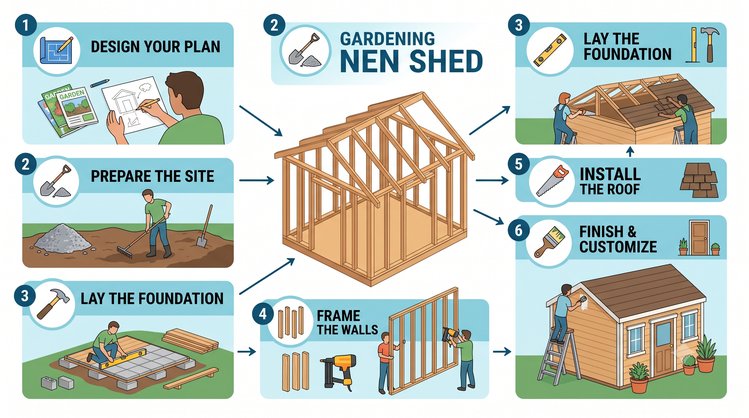
Generally, you’ll start by preparing the site, building a foundation (e.g., concrete slab or pier blocks), constructing the floor frame, erecting the wall frames, building and installing the roof structure, and finally, adding siding, trim, doors, and windows. Always follow a detailed plan for best results.
How much does a DIY garden shed typically cost?
The cost can vary significantly based on the size, materials used, and complexity of the design. A simple, small storage shed might cost a few hundred dollars, while a larger, more complex structure with premium materials could run into thousands. However, it will almost always be less expensive than a pre-built shed of comparable size and quality.
Do I need a permit to build a DIY garden shed?
This depends heavily on your local building codes and the size and height of the shed. Many areas have regulations for structures over a certain square footage or height. It’s crucial to check with your local planning or building department before you begin construction to avoid potential fines or the need to dismantle your work.
What are the best materials for a DIY garden shed?
Common and durable materials include treated lumber for the frame and foundation, plywood or OSB for sheathing, asphalt shingles or metal for roofing, and various siding options like T1-11 plywood, vinyl, or wood clapboard. For longevity, using weather-resistant materials is key.
How can I make my DIY garden shed last longer?
Proper foundation, regular maintenance, and using quality weather-resistant materials are essential. Ensure good drainage around the shed to prevent moisture damage. Routinely check for and repair any leaks, loose siding, or damaged roofing.
Painting or staining the exterior periodically will also protect the wood.
Final Thoughts
Embarking on a DIY garden shed project is a rewarding endeavor that provides invaluable storage and functional space. From classic gable designs to specialized potting sheds or modern offices, the 17 DIY garden shed ideas explored here offer a spectrum of possibilities to suit every backyard and budget. By carefully planning, selecting appropriate materials, and dedicating time to construction, you can create a durable, attractive, and personalized shed that enhances your outdoor living experience for years to come.