I put off composting for years because I thought it was complicated. Brown stuff. Green stuff. Turning. Temperature. It sounded like a chemistry experiment. Then I started a simple pile in my backyard. A year later I had black crumbly compost and I had not done much of anything.
Composting is easier than most people think. Throw organic waste in a pile. Wait. Nature does the rest. Here is how to start composting today without overcomplicating it.
What Is Composting?
Composting is just controlled rotting. You pile up organic waste. Microbes, worms, and bugs eat it. They turn it into dark crumbly material called compost. Compost looks like soil. Smells like a forest floor. And it is the best thing you can add to your garden.
Compost improves soil structure. It helps sandy soil hold water. It helps clay soil drain. It feeds plants slowly over months. And it recycles kitchen scraps that would otherwise go to a landfill.
What You Need to Start Composting
You need four things. Browns. Greens. Water. And air. That is it.
Browns are dry carbon-rich materials. Dead leaves. Straw. Shredded newspaper. Sawdust. Cardboard. Browns give compost its structure and feed the fungi that break down tough materials.
🍂 The Silent Lawn Killer: Damp Leaves Will Suffocate Your Grass
Trapped wet leaves create a breeding ground for destructive snow mold. Clear the yard fast with a high-power cordless blower before the ground freezes.
Greens are fresh nitrogen-rich materials. Grass clippings. Vegetable scraps. Coffee grounds. Fresh plant trimmings. Greens feed the bacteria that heat up the pile and speed decomposition.
Water keeps the microbes alive. The pile should feel like a wrung-out sponge. Damp but not dripping. If it is too dry, nothing happens. If it is too wet, it stinks.
Air keeps the good bacteria working. Without air, the pile goes anaerobic. Anaerobic piles stink. Turning the pile adds air. So does building the pile loosely.
The Simple Ratio: 3 Parts Brown to 1 Part Green
The classic composting ratio is three parts brown to one part green by volume. That means three buckets of leaves for every bucket of kitchen scraps. In practice, I just throw in whatever I have. If the pile stinks, I add more browns. If it is cold and not breaking down, I add more greens.
Do not stress about the ratio. Composting works even when you get it wrong. It just works slower.
How to Build Your First Compost Pile
Step 1: Pick a spot. Somewhere convenient. Near the kitchen door is good. Near the garden is better. You will visit this spot often. Make it easy to reach.
🍂 The Silent Lawn Killer: Damp Leaves Will Suffocate Your Grass
Trapped wet leaves create a breeding ground for destructive snow mold. Clear the yard fast with a high-power cordless blower before the ground freezes.
Step 2: Start with browns. Put down a 6-inch layer of twigs or straw. This creates air pockets at the bottom and helps drainage.
Step 3: Add greens. Dump your kitchen scraps on top. Spread them around. Do not make thick clumps.
Step 4: Cover with browns. Add another layer of leaves or shredded paper on top of the greens. This traps the smell and keeps flies away.
Step 5: Water lightly. Sprinkle the pile with water until it is damp. Like a squeezed sponge.
Step 6: Repeat. Keep adding layers. Browns, greens, browns, greens. Like a lasagna.
Step 7: Turn every few weeks. Use a pitchfork or compost aerator to mix the pile. This adds oxygen. I turn my pile once a month. Some people turn every week. Both work.
🍂 The Silent Lawn Killer: Damp Leaves Will Suffocate Your Grass
Trapped wet leaves create a breeding ground for destructive snow mold. Clear the yard fast with a high-power cordless blower before the ground freezes.
Composting Systems for Beginners
| Method | Cost | Best For |
|---|---|---|
| Open pile | Free | Large yards, lots of waste |
| Wire bin | $20 | Easy DIY, holds shape |
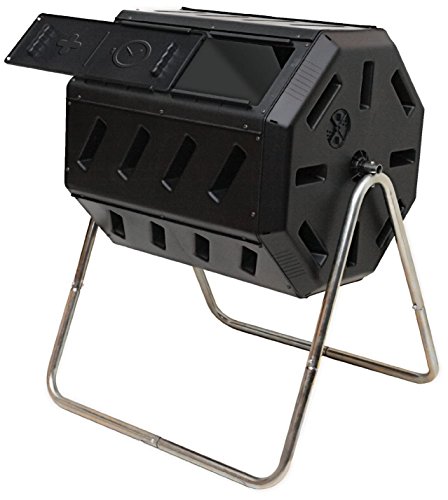
| Compost tumbler | $50-$200 | Easy turning, pest-proof |
| Compost bin | $50-$150 | Neat, keeps critters out |
I started with a simple wire bin made from hardware cloth. Cost me $20. It held the pile together and let air in. After a year I upgraded to a compost tumbler because turning the pile with a pitchfork got old. Both systems made good compost.
Frequently Asked Questions
How long does composting take?
A well-managed compost pile finishes in 3 to 6 months. A neglected pile takes 6 to 12 months. Hot composting with regular turning can finish in 2 to 3 months. The more you manage it, the faster it goes.
Does composting attract rats?
Composting can attract rats if you add meat, dairy, or cooked food. Stick to vegetable scraps, leaves, and grass clippings. Bury food scraps in the center of the pile under a layer of browns. A closed bin or tumbler keeps rodents out completely.
Can I compost in winter?
Yes. The pile will freeze on the outside but may stay warm in the center if it is large enough. Decomposition slows down but does not stop. Keep adding materials through winter. The pile will start breaking down fast when spring arrives.
Shop How to Start Composting for Beginners: Simple Guide on Amazon

🍂 The Silent Lawn Killer: Damp Leaves Will Suffocate Your Grass
Trapped wet leaves create a breeding ground for destructive snow mold. Clear the yard fast with a high-power cordless blower before the ground freezes.