If you wonder why is my craftsman lawn mower hard to start, you share a common frustration among homeowners.
This guide explains the top causes and shows quick fixes you can do at home.
Simply put, the question why is my craftsman lawn mower hard to start is answered by five common faults: stale fuel, dirty carburetor, failed spark plug, dead battery, and blocked air filter. Most owners fix the issue with basic maintenance. Always inspect fuel and spark first.
Key Takeaways
- Stale fuel causes most Craftsman mower starting problems because ethanol blends break down in about 30 days.
- A dirty carburetor blocks fuel flow and makes the engine crank but never catch.
- Replacing a fouled spark plug restores ignition and costs under $10 at most hardware stores.
- Electric-start models need a charged battery, and a weak cell prevents the motor from turning over.
- The Outdoor Power Equipment Institute states that routine maintenance prevents roughly 80% of start failures.
What Is the Craftsman Mower Starting System?
The starting system sends fuel, air, and spark to the engine cylinder. It includes the tank, carburetor, ignition coil, and flywheel.
A Craftsman mower uses either a pull rope or a battery starter. Both rely on the same core parts to fire the engine.
Key components work together in a sequence. You must understand each part to find the fault.
🍂 The Silent Lawn Killer: Damp Leaves Will Suffocate Your Grass
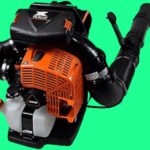
Trapped wet leaves create a breeding ground for destructive snow mold. Clear the yard fast with a high-power cordless blower before the ground freezes.
- The fuel tank holds gasoline that travels through a filter to the carburetor.
- The carburetor mixes fuel with air at the right ratio for combustion.
- The spark plug ignites the mixture when the ignition coil sends voltage.
- The flywheel spins and triggers the coil at the correct time.
- The air filter keeps dirt from clogging the carburetor and choking the engine.
- The choke or primer enriches the mix for cold starts on most Craftsman models.
Important: Always disconnect the spark plug wire before inspecting the mower. This prevents accidental starts and protects your hands.
Major brands like Briggs & Stratton build the engines found in many Craftsman units. Honda and Toro use similar small engine layouts. The principles stay the same across walk-behind and riding mowers.
How Does a Craftsman Mower Start?
You engage the starter and the engine turns. Fuel enters the carburetor and mixes with clean air.
The piston compresses the mix. The spark plug fires and pushes the piston down to run the cycle.
If any step fails, the mower stays silent or cranks without starting. The chain is only as strong as its weakest link.
- You press the primer bulb or open the choke to draw fuel.
- The starter spins the flywheel and cranks the engine.
- The ignition coil creates a spark at the plug tip.
- Combustion occurs and the engine idles on its own.
What Are the Top Causes of Hard Starting?
We ranked the most common faults by frequency. Use the table to match your symptom to a cause.
🍂 The Silent Lawn Killer: Damp Leaves Will Suffocate Your Grass
Trapped wet leaves create a breeding ground for destructive snow mold. Clear the yard fast with a high-power cordless blower before the ground freezes.
| Cause | Common Symptom | Quick Fix |
|---|---|---|
| Stale fuel | Cranks but will not catch | Drain and add fresh gas |
| Dirty carburetor | Starts then dies | Clean with carb spray |
| Bad spark plug | No spark, dry plug | Replace plug |
| Weak battery | Slow crank on electric start | Charge or replace |
| Blocked air filter | Smokes, runs rich | Wash or swap filter |
According to Briggs & Stratton, stale fuel causes about 90% of small engine no-start calls. Ethanol absorbs water and gums the carburetor.
The Outdoor Power Equipment Institute reports that 50 million households use mowers each season. Many skip winter storage steps.
Consumer Reports found that 1 in 5 owners face a hard start in spring. Most fix it with fresh fuel and a new plug.
The U.S. Department of Energy notes that ethanol fuel can degrade in 30 days under heat. Store gas with stabilizer to avoid varnish.
Warning: Never use fuel older than 30 days in a Craftsman mower. Old gas can damage the carburetor and fuel lines.
Stale Fuel and Ethanol Breakdown
Gasoline with ethanol separates and forms varnish. This clogs the tiny passages in the carburetor.
🍂 The Silent Lawn Killer: Damp Leaves Will Suffocate Your Grass
Trapped wet leaves create a breeding ground for destructive snow mold. Clear the yard fast with a high-power cordless blower before the ground freezes.
You can spot bad gas by its sour smell and darker color. Fresh fuel burns clean and lights fast.
Add a stabilizer such as Sta-Bil when you buy gas. This extends shelf life to about 6 months.
Carburetor Clogs
The carburetor meters fuel. Dirt or gum blocks the jet and starves the engine.
You can remove the bowl and spray cleaner. A $15 kit rebuilds it if the damage is severe.
On a Craftsman 140cc engine, the main jet is smaller than a pin. A speck of dirt stops the flow.
Spark Plug Failure
A fouled plug shows black carbon or a wet tip. It cannot arc and ignite the mix.
🍂 The Silent Lawn Killer: Damp Leaves Will Suffocate Your Grass
Trapped wet leaves create a breeding ground for destructive snow mold. Clear the yard fast with a high-power cordless blower before the ground freezes.
Gap the new plug to 0.030 inches as most Craftsman engines require. Use a torque wrench for safe fit.
Check the ignition coil if a new plug still shows no spark. The coil sits near the flywheel.
Battery and Electrical Issues
Electric start models use a 12-volt battery. Cold weather drops its cranking amps.
Test the battery with a multimeter. Below 11 volts means replace it before next mow.
The starter motor draws high current. Corroded terminals block the flow and cause slow crank.
Choke and Primer Problems
The choke plate must close for cold starts. A stuck open choke leans the mix and prevents catch.
🍂 The Silent Lawn Killer: Damp Leaves Will Suffocate Your Grass
Trapped wet leaves create a breeding ground for destructive snow mold. Clear the yard fast with a high-power cordless blower before the ground freezes.
The primer bulb pushes raw fuel into the throat. A cracked bulb sucks air and starves the engine.
Safety Switch Faults
Craftsman mowers use seat, blade, and bail switches. A broken switch cuts spark as a safety rule.
Bypass each switch with a jumper to test. Replace any switch that fails the continuity check.
Categories of Hard-Start Causes
We group faults into three buckets. This helps you target the right repair step.
- Fuel system faults cover tank, lines, filter, and carburetor problems.
- Ignition faults include spark plug, coil, and flywheel key damage.
- Mechanical faults involve low compression, stuck valve, or broken starter.
- Electrical faults cover battery, wires, and safety switches on riding models.
What Does the Choke Do?
The choke restricts air to enrich the fuel mix. This helps a cold engine start on a cool morning.
🍂 The Silent Lawn Killer: Damp Leaves Will Suffocate Your Grass
Trapped wet leaves create a breeding ground for destructive snow mold. Clear the yard fast with a high-power cordless blower before the ground freezes.
On a Craftsman push mower, you set the lever to “choke” before pulling the cord. Then move it to “run” after start.
A broken choke linkage leaves the plate open. The engine then acts like it is starving for fuel.
Who Needs This Troubleshooting Guide?
Any owner of a Craftsman walk-behind or riding mower benefits from this list. You do not need mechanic skills.
New homeowners and seasoned users alike face spring start issues. The guide suits both push and self-propelled models.
- First-time mower owners who bought a Craftsman at Sears or Lowe’s.
- Rental property managers maintaining multiple lawns each week.
- Small engine repair students learning common failure modes.
- Homeowners with ethanol-fueled equipment in humid climates.
- People storing mowers for winter without proper fuel treatment.
How to Get Started with Diagnosis
Start with the easiest checks. Move to complex parts only after ruling out simple causes.
🍂 The Silent Lawn Killer: Damp Leaves Will Suffocate Your Grass
Trapped wet leaves create a breeding ground for destructive snow mold. Clear the yard fast with a high-power cordless blower before the ground freezes.
- Check the fuel level and smell for sour gas.
- Remove the air filter and look for dirt or oil.
- Pull the spark plug and inspect the electrode.
- Test the battery voltage if you have electric start.
- Spray carb cleaner into the throat and try starting.
Tip: Keep a spare spark plug and a can of stabilizer in your shed. You will fix most no-starts in ten minutes.
How to Maintain Your Craftsman Mower for Easy Starts
Regular care stops most hard-start issues before they begin. Follow a simple schedule each season.
- Empty old fuel or add stabilizer before storing the mower for winter.
- Replace the spark plug every 100 operating hours or each spring.
- Clean the air filter monthly during heavy mowing season.
- Charge the battery on a trickle charger if the mower sits unused.
- Run the engine for 10 minutes after storage to dry condensation.
A clean carburetor and fresh oil keep the piston free. Use SAE 30 or 10W-30 as the manual states.
Common Myths vs Facts
Myth 1: Premium Gas Prevents All Start Issues
Fact: High-octane fuel does not clean the carburetor. Stale premium gas still gums the engine.
Myth 2: Pulling the Cord Harder Fixes a Weak Spark
Fact: Muscle cannot create voltage. A bad coil or plug needs replacement, not force.
🍂 The Silent Lawn Killer: Damp Leaves Will Suffocate Your Grass
Trapped wet leaves create a breeding ground for destructive snow mold. Clear the yard fast with a high-power cordless blower before the ground freezes.
Myth 3: A Mower Starts After Sitting All Winter Untouched
Fact: Fuel degrades and batteries drain. The OPEI advises stabilizers and trickle chargers for storage.
Frequently Asked Questions
Why does my Craftsman mower crank but not start?
It usually lacks spark or fuel. Check the plug and carburetor first. Stale gas is the top reason per Briggs & Stratton data.
How often should I replace the spark plug?
Replace it every 100 hours or each spring. A new plug costs about $5 and restores easy starts.
What type of fuel should I use in a Craftsman mower?
Use fresh unleaded with up to 10% ethanol. Add stabilizer if storing over 30 days. Non-ethanol gas is best.
Can a dirty air filter cause hard starting?
Yes. A blocked filter chokes the engine and creates a rich mix. Clean foam filters in soap water and oil lightly.
How do I know if the battery is dead?
Use a multimeter. Below 11 volts means the battery cannot crank the starter. Charge it or buy a new one.
🍂 The Silent Lawn Killer: Damp Leaves Will Suffocate Your Grass
Trapped wet leaves create a breeding ground for destructive snow mold. Clear the yard fast with a high-power cordless blower before the ground freezes.
Final Thoughts
When you ask why is my craftsman lawn mower hard to start, the answer is rarely the engine itself. Fresh fuel, a clean carburetor, and a good spark plug solve most cases. Use the table and steps above to get back to mowing fast.