Last Updated on October 11, 2026 by D. Ruddy
When to remove frost cloth is a critical timing decision for gardeners aiming to protect sensitive plants from freezing temperatures without causing heat stress or pest entry. Knowing the precise moment to lift your protective covers ensures your crops thrive while avoiding common pitfalls like overheating or reduced airflow.
Simply put, you should remove frost cloth as soon as sunlight hits the fabric and begins warming it significantly, typically within one to two hours after sunrise. Leaving it on too long traps excessive heat, which can damage plant tissues just as effectively as cold does.
Key Takeaways
- Remove frost cloth once ambient temperatures rise above 35°F (2°C) and direct sunlight warms the cover.
- Timing depends heavily on local weather conditions, cloud cover, and wind speed rather than a fixed clock hour.
- Prolonged exposure under heavy cloth causes condensation buildup, increasing fungal disease risks for delicate foliage.
- Always check soil moisture before covering; wet soil freezes slower but retains cold longer, affecting removal timing.
- Using lightweight row covers allows earlier removal compared to heavier blankets due to faster heat dissipation.
What Is Frost Cloth and Why Timing Matters
Frost cloth, also known as floating row cover or Agribon, acts as an insulating barrier against freezing air. It creates a microclimate that keeps plant temperatures several degrees higher than the surrounding atmosphere. This protection is vital for extending growing seasons in cooler climates.
However, this insulation works both ways. While it keeps warmth in during the night, it can trap excess solar radiation during the day. If left on past sunrise, the temperature underneath can spike rapidly.
🍂 The Silent Lawn Killer: Damp Leaves Will Suffocate Your Grass
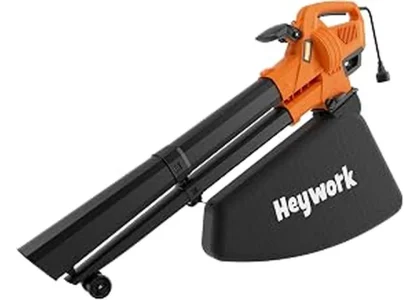
Trapped wet leaves create a breeding ground for destructive snow mold. Clear the yard fast with a high-power cordless blower before the ground freezes.
This sudden shift stresses plants more than gradual cooling would.
The goal of using frost cloth is balance. You need enough coverage to prevent ice crystal formation in plant cells. Yet, you must expose plants to light and fresh air promptly.
Incorrect timing negates the benefits of protection entirely.
- Frost cloth blocks radiant heat loss from the soil surface at night.
- It prevents dew and frost from settling directly on leaves.
- Heavy fabrics provide better insulation but retain heat longer during the day.
- Lightweight covers offer less protection but allow quicker temperature normalization.
- Air circulation stops when covered, reducing natural drying processes.
- Sunlight penetration varies based on fabric thickness and color.
How to Determine the Right Removal Time
Determining when to remove frost cloth requires observing environmental cues rather than relying solely on a clock. The most reliable indicator is the presence of direct sunlight combined with rising ambient temperatures. Watch for the first rays hitting your garden beds.
Once the sun touches the fabric, it begins absorbing energy. Within thirty to sixty minutes, the material heats up noticeably. Touch the top of the cover gently.
If it feels warm to the hand, it is time to act. Do not wait for it to become hot.
🍂 The Silent Lawn Killer: Damp Leaves Will Suffocate Your Grass
Trapped wet leaves create a breeding ground for destructive snow mold. Clear the yard fast with a high-power cordless blower before the ground freezes.
| Condition | Action Required |
|---|---|
| Overcast Sky / No Sun | Keep cover on until mid-morning if temps remain low. |
| Direct Sunlight Present | Remove immediately after fabric feels warm. |
| High Winds (>15 mph) | Secure edges tightly; consider early removal if stable. |
| Rain Forecast | Leave on during rain to shield plants; remove after dry. |
This table helps visualize how different weather scenarios impact your decision-making process. Flexibility is key because rigid schedules often fail in unpredictable spring weather. Adapt to what nature presents each morning.
Common Mistakes Gardeners Make With Covers
Many beginners make the error of leaving covers on all day “just in case.” This habit suffocates plants and invites pests. Another frequent mistake is removing the cloth too late in the afternoon. By then, evening chill sets in, and re-covering becomes difficult or ineffective.
Gardeners also overlook the importance of securing the perimeter. Wind can slip under loose edges, blowing away insulation and damaging stems. Always weigh down sides properly.
Neglecting this step renders the entire effort useless.
- Leaving covers on during sunny days causes thermal shock.
- Ignoring humidity leads to mold growth under damp fabric.
- Using plastic sheets instead of breathable cloth traps moisture.
- Failing to water soil before freezing nights reduces effectiveness.
- Removing covers abruptly without acclimatizing tender seedlings.
- Not checking forecast updates for unexpected cold snaps.
Warning: Never use non-breathable materials like trash bags or vinyl tarps. These create a greenhouse effect that cooks plants alive once the sun rises.
Impact of Weather Conditions on Removal Strategy
Cloud cover plays a significant role in determining when to remove frost cloth. On cloudy days, solar heating is minimal. Ambient temperatures may stay below freezing even at noon.
🍂 The Silent Lawn Killer: Damp Leaves Will Suffocate Your Grass
Trapped wet leaves create a breeding ground for destructive snow mold. Clear the yard fast with a high-power cordless blower before the ground freezes.
In these cases, keeping the cover on longer provides continued protection.
Wind speed affects heat retention significantly. Strong winds strip away the boundary layer of warm air around plants. Even with a cover, high gusts reduce its efficiency.
Secure the fabric tightly to minimize gaps where cold air enters.
Rain complicates matters further. Wet fabric loses insulating properties. However, removing covers during rain exposes plants to cold droplets.
Wait until precipitation stops and surfaces dry slightly before lifting the material. Patience pays off here.
- Clear skies demand rapid removal within an hour of sunrise.
- Partial clouds require monitoring temperature trends hourly.
- Heavy overcast allows extended coverage throughout the morning.
- Strong breezes necessitate weighted edges and possible early takedown.
- Freezing rain requires immediate professional assessment of plant health.
Best Practices for Different Plant Types
Tender annuals like tomatoes and peppers react poorly to temperature fluctuations. They need consistent environments. Remove their covers carefully to avoid breaking brittle stems.
🍂 The Silent Lawn Killer: Damp Leaves Will Suffocate Your Grass
Trapped wet leaves create a breeding ground for destructive snow mold. Clear the yard fast with a high-power cordless blower before the ground freezes.
Handle them gently during transition periods.
Hardier crops such as kale and spinach tolerate brief exposure better. Still, they benefit from gradual introduction to daylight. Lift corners partially first to let air circulate.
Then fully uncover once stability returns.
Berries and fruit trees have specific needs too. Blossoms are extremely vulnerable. Use lighter shades or partial covers during bloom season.
Full enclosure might interfere with pollination later in the day.
| Plant Category | Removal Priority |
|---|---|
| Seedlings & Transplants | Highest – Very susceptible to heat stress. |
| Leafy Greens | Medium – Tolerant but prefer cool mornings. |
| Root Vegetables | Low – Soil protects crowns mostly. |
| Flowering Shrubs | Variable – Depends on bud stage. |
Understanding these distinctions helps tailor your approach. Not every plant requires identical treatment. Customization maximizes survival rates across diverse gardens.
🍂 The Silent Lawn Killer: Damp Leaves Will Suffocate Your Grass
Trapped wet leaves create a breeding ground for destructive snow mold. Clear the yard fast with a high-power cordless blower before the ground freezes.
Tools and Techniques for Easy Management
Investing in clips and pins simplifies daily operations. Velcro strips attached to frames allow quick adjustments. Magnetic holders keep tools organized nearby.
Efficiency saves time during busy mornings.
Consider installing hoop houses or tunnels. These structures support larger areas uniformly. Roll-up sides enable ventilation control independent of full removal.
Such setups enhance precision management capabilities.
Tip: Mark north-facing sides of your covers with tape. This orientation aids memory regarding sun position relative to your layout.
- Use U-shaped staples to anchor edges securely against wind.
- Install zip ties for modular attachment points along rails.
- Choose UV-stabilized fabrics to extend lifespan outdoors.
- Store unused rolls indoors to prevent degradation.
- Clean debris regularly to maintain breathability and weight.
Frequently Asked Questions
Can I leave frost cloth on overnight?
No, you should never leave frost cloth on continuously through consecutive nights without daytime breaks. Plants need access to carbon dioxide and sunlight for photosynthesis. Extended darkness weakens root systems and stunts overall growth significantly.
🍂 The Silent Lawn Killer: Damp Leaves Will Suffocate Your Grass
Trapped wet leaves create a breeding ground for destructive snow mold. Clear the yard fast with a high-power cordless blower before the ground freezes.
Does frost cloth affect pollinators?
Yes, covering flowering plants completely blocks bees and butterflies from accessing nectar. Remove covers during peak blooming hours, usually midday. Alternatively, use mesh screens that permit insect entry while blocking larger pests.
What happens if I forget to remove it?
If forgotten, plants may suffer wilting or scorch marks due to trapped heat. Immediately open ends to vent accumulated steam. Prune damaged leaves afterward.
Monitor closely for signs of secondary infections caused by weakened tissue.
Is there a difference between row cover and blanket?
Absolutely. Row covers are designed specifically for gardening with breathable fibers. Household blankets often hold too much moisture and lack durability.
Stick to agricultural-grade materials intended for outdoor horticultural use exclusively.
How many degrees does frost cloth add?
Typically, standard weights add four to eight degrees Fahrenheit depending on thickness. Heavier versions offer greater insulation but increase risk of overheating. Choose appropriate grades based on predicted minimum nightly lows accurately.
🍂 The Silent Lawn Killer: Damp Leaves Will Suffocate Your Grass
Trapped wet leaves create a breeding ground for destructive snow mold. Clear the yard fast with a high-power cordless blower before the ground freezes.
Final Thoughts
Mastering when to remove frost cloth transforms seasonal gardening success. Prioritize observation over assumption. Adjust strategies dynamically based on real-time weather inputs.
Your attentiveness guarantees healthier harvests year after year.