Last Updated on October 22, 2026 by D. Ruddy
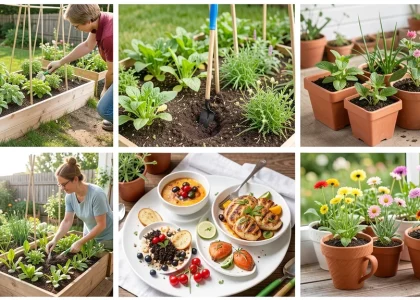
Transforming your backyard into a thriving garden doesn’t have to be complicated. Simple family gardening projects can bring everyone together while teaching kids valuable skills about nature and sustainability. Whether you have a spacious yard or just a small balcony, there are plenty of easy and fun ways to start growing your own food and flowers.
These projects require minimal tools, budget-friendly materials, and just a little time each week.
Start with small, manageable projects like herb gardens or container plants. Even just 30 minutes a week can yield fresh produce and beautiful blooms while keeping the whole family engaged.
Why Family Gardening Projects Are Worth Your Time
Family gardening offers more than just fresh vegetables or pretty flowers. It’s a chance to unplug from screens and reconnect with each other outdoors. Kids learn responsibility by watering plants daily, while parents can relax and enjoy the fruits of their labor.
Studies show that gardening reduces stress and improves mental well-being. According to the American Horticultural Therapy Association, interacting with plants lowers cortisol levels, helping everyone feel calmer. Plus, growing your own food means fewer trips to the grocery store and more nutritious meals at home.
- Teaches patience and care as plants grow over time
- Encourages healthy eating with homegrown produce
- Boosts physical activity through digging, planting, and weeding
- Saves money on herbs, vegetables, and flowers
- Creates lasting memories with shared outdoor experiences
Tip: Assign each family member a specific task, like watering or pest control, to keep everyone motivated and involved.
10 Simple Family Gardening Projects to Start This Weekend
1. Windowsill Herb Garden for Instant Flavor
Herbs are the perfect starter project for families. They grow quickly, require little space, and can be used in everyday cooking. Basil, parsley, and chives thrive in small pots on a sunny windowsill, making them ideal for apartments or homes with limited outdoor space.
Start with seedling trays or small pots filled with potting mix. Place them where they’ll get at least 6 hours of sunlight daily. Water when the soil feels dry to the touch, and in a few weeks, you’ll have fresh herbs ready to snip.
- Best herbs for beginners: Mint, basil, oregano, thyme, and chives
- Containers: Recycled tin cans, mason jars, or plastic pots with drainage holes
- Soil: Well-draining potting mix
- Sunlight: South-facing window or a sunny balcony
- Harvest time: 4-6 weeks for most herbs
| Herb | Sunlight Needed | Watering Frequency | Time to Harvest |
|---|---|---|---|
| Basil | 6-8 hours | Every 2-3 days | 4-6 weeks |
| Mint | 4-6 hours | Every 3-4 days | 6-8 weeks |
| Chives | 6-8 hours | Every 4-5 days | 6-8 weeks |
Herbs like basil and chives grow quickly, making them perfect for kids who want to see fast results. Mint spreads easily, so plant it in its own container to avoid overrunning other herbs.
2. DIY Raised Garden Bed for Vegetables
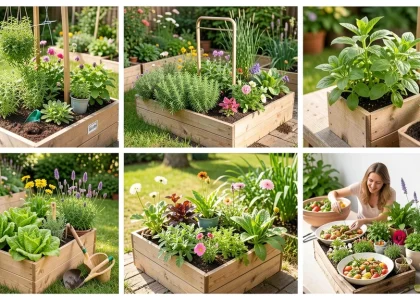
A raised garden bed is one of the easiest ways to grow vegetables without bending over or dealing with poor soil. You can build one in a few hours using untreated wood, cinder blocks, or even stacked straw bales. Fill it with a mix of topsoil and compost for a nutrient-rich growing environment.
Raised beds warm up faster in spring, allowing for earlier planting. They also drain better than in-ground gardens, reducing the risk of root rot. Kids love helping to fill the bed with soil and planting seeds or seedlings.
- Choose a sunny spot (at least 6-8 hours of sunlight)
- Build or buy a frame (4×8 feet is a standard size)
- Line the bottom with cardboard or landscape fabric to block weeds
- Fill with soil (60% topsoil, 30% compost, 10% perlite)
- Plant seeds or seedlings (lettuce, radishes, and carrots are great starters)
Important: Avoid treated wood for raised beds, as chemicals can leach into the soil and affect your plants.
3. Vertical Pallet Garden for Small Spaces
Short on space? A vertical pallet garden lets you grow plants upwards instead of outwards. You can mount a wooden pallet on a fence or wall, add landscape fabric to the back and sides, and fill the gaps with soil.
This is perfect for growing lettuce, strawberries, or trailing flowers like petunias.
Vertical gardens are also great for renters or those with limited yard space. They keep plants off the ground, reducing pest problems and making harvesting easier. Plus, they look stunning as a living wall!
- Materials needed: Wooden pallet, landscape fabric, stapler, soil, plants
- Best plants: Lettuce, spinach, strawberries, herbs, petunias
- Watering: Daily in hot weather (vertical gardens dry out faster)
- Sunlight: 4-6 hours minimum for most plants
- Tip: Place a tray at the bottom to catch excess water
4. Milk Jug Greenhouse for Seed Starting
Start seeds indoors without spending a fortune on a greenhouse. A simple milk jug greenhouse is a fun and easy project for kids. Clean a plastic gallon jug, cut it in half horizontally, and use the top as a dome to cover the bottom half filled with soil and seeds.
This mini greenhouse traps heat and moisture, helping seeds germinate faster. Once the seedlings are a few inches tall, you can transplant them into the garden. It’s a great way to get a head start on the growing season, especially in cooler climates.
- Clean a gallon milk jug and remove the label
- Cut the jug in half horizontally with scissors
- Fill the bottom half with potting soil
- Plant seeds according to package instructions
- Place the top half back on and tape it shut
- Set in a sunny window and watch seeds sprout
Warning: Remove the lid to allow airflow once seeds begin to sprout to prevent mold growth.
5. Pizza Garden for Kid-Friendly Meals
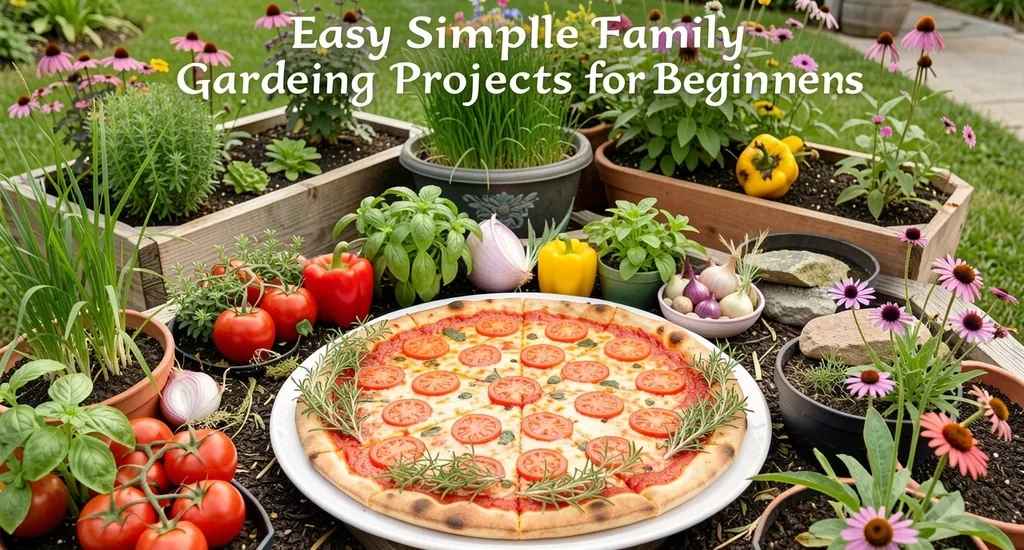
A pizza garden is a creative way to grow all the ingredients needed for a homemade pizza. Plant tomatoes, bell peppers, onions, basil, and oregano in a circular raised bed or a series of containers. Kids will love harvesting their own toppings and assembling personal pizzas.
This project teaches children where food comes from and encourages them to try new vegetables. You can even add a small section for wheat grass or make a separate bed for growing garlic. The possibilities are endless!
| Ingredient | Plant Type | Time to Harvest |
|---|---|---|
| Tomatoes | Cherry or Roma | 60-85 days |
| Bell Peppers | Sweet varieties | 60-90 days |
| Basil | Genovese | 30-60 days |
| Onions | Green or bulb | 60-120 days |
Arrange the plants in a circular pattern to mimic a pizza, with tomatoes as the “sauce” in the center and herbs around the edges. This makes the garden visually appealing and fun for kids to explore.
6. Butterfly Garden to Attract Pollinators
A butterfly garden not only adds beauty to your yard but also supports local pollinators. Choose a mix of nectar-rich flowers like milkweed, coneflowers, and zinnias. Add a shallow water source, such as a birdbath with pebbles, for butterflies to drink from.
This project is educational for kids, who can learn about the life cycle of butterflies and the importance of pollinators in the ecosystem. Plant flowers in clusters to make it easier for butterflies to find them, and avoid using pesticides.
- Best flowers for butterflies: Milkweed, coneflower, black-eyed Susan, zinnia, aster
- Sunlight: Full sun (6+ hours)
- Soil: Well-draining, slightly sandy
- Water: Shallow dish with pebbles for perching
- Extras: Flat rocks for basking, a mud puddle for minerals
Tip: Plant host plants like milkweed for monarch butterflies. Their caterpillars only eat milkweed leaves!
7. DIY Bird Feeder Garden
Combine gardening with birdwatching by creating a bird-friendly space. Plant sunflower seeds, millet, or native berries that birds love. You can also make simple bird feeders from pine cones, peanut butter, and birdseed.
This project teaches kids about local bird species and their habitats. Place feeders near windows so you can watch birds up close. Just be sure to keep feeders clean to prevent the spread of disease among birds.
- Choose bird-friendly plants: Sunflowers, coneflowers, serviceberry, elderberry
- Make a pine cone feeder: Spread peanut butter on a pine cone, roll in birdseed, and hang with string
- Add a birdbath: Shallow dish with fresh water
- Place feeders safely: At least 5 feet off the ground and away from predator hiding spots
8. Fairy Garden for Imaginative Play
A fairy garden is a magical way to spark a child’s imagination. Use a large container or a corner of the garden to create a miniature world with small plants, pebbles, and fairy figurines. Add tiny furniture, a fairy door, or a small pond made from a shallow dish.
This project encourages creativity and storytelling. Kids can design their own fairy world and change it as they please. It’s also a great way to introduce them to basic gardening skills, like planting and watering.
- Container options: Old wheelbarrow, wooden crate, or large pot
- Plants: Miniature roses, creeping thyme, baby’s tears, or small ferns
- Decorations: Pebbles, fairy figurines, tiny furniture, mirrors (as ponds)
- Pathways: Use small stones or gravel to create fairy trails
- Lighting: Solar-powered fairy lights for nighttime magic
9. Salsa Garden for Fresh Homemade Salsa
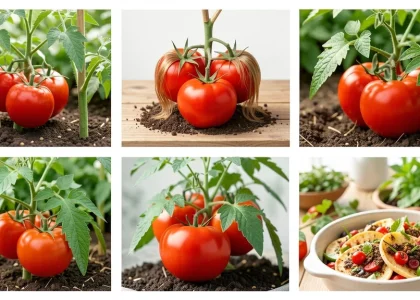
Grow all the ingredients for fresh salsa in one garden bed or a collection of containers. Tomatoes, peppers, onions, cilantro, and lime trees (or store-bought limes) are all you need. This project is perfect for families who love Mexican food and want to enjoy the freshest flavors.
Kids can help harvest the ingredients and even mash the tomatoes by hand for a fun, sensory experience. You’ll save money on store-bought salsa and have the satisfaction of making it from scratch.
| Ingredient | Variety | Growing Tips |
|---|---|---|
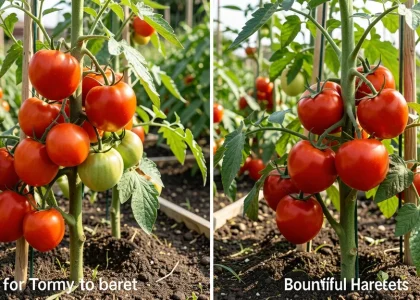
| Tomatoes | Roma or cherry | Stake or cage for support |
| Peppers | Jalapeño or serrano | Full sun, well-draining soil |
| Onions | Green or red | Plant sets or seeds in early spring |
| Cilantro | Slow-bolt variety | Partial shade in hot climates |
Plant tomatoes and peppers in the center of the bed, with onions and cilantro around the edges. This layout makes it easy to harvest everything at once when it’s time to make salsa.
10. Rainbow Garden for a Burst of Color
A rainbow garden is a visually stunning project that teaches kids about color and variety in plants. Choose flowers or vegetables in every color of the rainbow—red, orange, yellow, green, blue, indigo, and violet. You can plant them in rows or clusters to create a colorful display.
This project is flexible and can be adapted to any space. Use annual flowers for quick color, or mix in vegetables like purple cabbage, orange carrots, and red peppers for an edible rainbow. Kids will love identifying each color and watching the garden grow.
- Red: Tomatoes, roses, salvia, petunias
- Orange: Marigolds, zinnias, carrots, nasturtiums
- Yellow: Sunflowers, coreopsis, yellow squash, goldenrod
- Green: Hostas, lettuce, green peppers, ferns
- Blue/Indigo: Delphiniums, hydrangeas, bachelor’s buttons
- Violet: Lavender, purple cabbage, pansies, violets
Essential Tools for Family Gardening Projects
You don’t need a lot of fancy equipment to start simple family gardening projects. A few basic tools will make the process easier and more enjoyable for everyone. Invest in quality tools that will last, and store them in a dry place to prevent rust.
Kid-sized tools are a great idea if you have little ones helping out. They’re easier for small hands to grip and make gardening feel more accessible. Always supervise children when they’re using tools to ensure safety.
| Tool | Purpose | Kid-Friendly? |
|---|---|---|
| Trowel | Digging small holes for planting | Yes |
| Pruning Shears | Trimming plants and harvesting | No (sharp) |
| Watering Can | Watering plants gently | Yes |
| Garden Gloves | Protecting hands from dirt and thorns | Yes |
| Rake | Leveling soil and removing debris | Yes (small size) |
Start with these essentials, and add more tools as your gardening projects grow. A wheelbarrow or garden cart is also helpful for moving soil, plants, or tools around the yard.
Common Mistakes to Avoid in Family Gardening
Even the simplest gardening projects can run into trouble if you’re not careful. Avoid these common mistakes to ensure your family’s gardening experience is fun and successful.
One of the biggest mistakes is overwatering. Many new gardeners think plants need water every day, but most do better with deep, infrequent watering. Stick your finger an inch into the soil—if it’s dry, it’s time to water.
- Overwatering: Leads to root rot and fungal diseases. Water deeply but less frequently.
- Ignoring sunlight needs: Match plants to the sun conditions in your yard. Full-sun plants need 6+ hours of direct sunlight.
- Planting too deeply: Burying seeds or seedlings too deep can prevent them from sprouting. Follow package instructions for depth.
- Neglecting soil health: Poor soil leads to weak plants. Amend with compost or organic matter before planting.
- Overcrowding plants: Giving plants enough space reduces competition for nutrients and water.
- Using chemical pesticides: These can harm beneficial insects and pollinators. Opt for natural pest control methods.
Warning: Avoid planting invasive species that can take over your garden or spread to neighboring yards. Stick to native or non-invasive plants.
How to Keep Kids Engaged in Gardening
Getting kids excited about gardening is easy at first, but keeping them engaged can be a challenge. The key is to make it fun and rewarding. Let them choose some of the plants or projects to give them a sense of ownership.
Incorporate games and activities, like a scavenger hunt for different types of leaves or a contest to see who can grow the tallest sunflower. Celebrate small successes, like the first sprout or the first harvest, to keep motivation high.
- Let them pick plants: Kids are more likely to care for plants they’ve chosen themselves.
- Use fun tools: Colorful watering cans or kid-sized tools make gardening more appealing.
- Create a garden journal: Have them draw or write about the plants they’re growing and track progress.
- Set small goals: Break projects into manageable tasks, like planting one row at a time.
- Reward their efforts: Praise their work and celebrate milestones, like the first flower or vegetable.
Budget-Friendly Gardening Tips for Families
Gardening doesn’t have to be expensive. With a little creativity, you can start simple family gardening projects on a shoestring budget. Reuse and repurpose items you already have at home, and look for free or low-cost materials in your community.
Many gardeners are happy to share seeds, cuttings, or extra plants. Check local gardening groups or online marketplaces for free or cheap resources. You can also save seeds from your own plants at the end of the growing season to use next year.
- Use recycled containers: Old buckets, tires, or pallets can be turned into planters.
- Make your own compost: Turn kitchen scraps and yard waste into nutrient-rich compost for free.
- Start from seeds: Seeds are much cheaper than buying plants, and you’ll have more variety to choose from.
- Swap plants with neighbors: Trade cuttings or seedlings with other gardeners to expand your collection.
- Use free mulch: Grass clippings, leaves, or straw can be used as mulch to retain moisture and suppress weeds.
- DIY trellises: Use sticks, old ladders, or wire mesh to create trellises for climbing plants.
| Budget Tip | Estimated Savings |
|---|---|
| Use recycled containers | $20-$50 per season |
| Make your own compost | $30-$100 per year |
| Start from seeds | $50-$200 per season |
| Swap plants with neighbors | $20-$100 per season |
With a little resourcefulness, you can create a beautiful and productive garden without breaking the bank. The savings add up quickly, and the sense of accomplishment is priceless.
Seasonal Gardening Guide for Families
Gardening is a year-round activity, and each season offers unique opportunities for simple family gardening projects. Plan your projects around the changing seasons to keep the garden productive and fun all year long.
Spring is the perfect time to start seeds indoors or plant cool-weather crops like lettuce and peas. Summer brings warm-weather favorites like tomatoes and peppers. In the fall, plant garlic and cover crops to enrich the soil.
Winter is a great time to plan next year’s garden and start indoor projects like herb gardens.
- Spring: Start seeds indoors, plant cool-weather crops, and prepare garden beds.
- Summer: Plant warm-weather crops, water deeply, and harvest early produce.
- Fall: Plant garlic and cover crops, harvest late-season vegetables, and clean up garden debris.
- Winter: Plan next year’s garden, start indoor herb gardens, and order seeds.
| Season | Planting Focus | Harvest Focus |
|---|---|---|
| Spring | Lettuce, peas, radishes, spinach | Early greens, radishes, peas |
| Summer | Tomatoes, peppers, cucumbers, beans | Tomatoes, peppers, cucumbers, zucchini |
| Fall | Garlic, cover crops, kale, carrots | Pumpkins, squash, late tomatoes, kale |
| Winter | Indoor herbs, microgreens | Indoor herbs, stored root vegetables |
Adjust planting and harvesting times based on your local climate. Use a planting calendar or app to stay on track with seasonal tasks.
Frequently Asked Questions
What are the easiest plants for kids to grow?
Some of the easiest plants for kids to grow include sunflowers, radishes, lettuce, and beans. These plants germinate quickly and are low-maintenance, making them perfect for young gardeners. Sunflowers can grow tall in just a few weeks, while radishes can be harvested in as little as 3-4 weeks.
How much time does family gardening take?
Family gardening can take as little as 30 minutes a week for small projects like herb gardens or container plants. Larger projects, like a vegetable garden or raised beds, may require 1-2 hours a week for planting, watering, and maintenance. The time commitment depends on the size and complexity of your projects.
Can we start gardening without a yard?
Absolutely! Many simple family gardening projects can be done without a yard. Container gardening on a balcony or windowsill is a great option.
You can grow herbs, lettuce, tomatoes, and even small fruit trees in pots. Vertical gardens and hanging planters also maximize space in small areas.
What are the benefits of family gardening?
Family gardening offers numerous benefits, including teaching kids about responsibility, nature, and where food comes from. It also promotes physical activity, reduces stress, and encourages healthy eating. Plus, it’s a great way to spend quality time together as a family.
How do we deal with pests in a family garden?
Use natural pest control methods to keep your garden safe for kids and beneficial insects. Handpick pests like caterpillars or slugs, or use barriers like row covers. Companion planting can also deter pests—for example, planting marigolds near tomatoes repels nematodes.
Avoid chemical pesticides, which can harm pollinators and other beneficial insects.
Final Thoughts
Simple family gardening projects are a wonderful way to bring your family together, teach kids valuable skills, and enjoy the outdoors. Start small with projects like herb gardens or container plants, and gradually expand as your confidence grows. The key is to keep it fun and manageable for everyone involved.
With a little patience and care, you’ll soon be enjoying the fruits (and vegetables!) of your labor together.