Last Updated on October 11, 2026 by D. Ruddy
Should frost cloth touch plant leaves? The short answer is no. Direct contact can transfer cold air to the foliage, causing damage even under protection.
Simply put, frost cloth must never rest directly on tender plant leaves. Create an air gap using stakes or hoops. This insulation layer traps warm air rising from the soil, protecting plants from freezing temperatures effectively.
Key Takeaways
- Frost cloth touching leaves conducts cold and defeats the purpose of insulation.
- Always create a physical barrier between fabric and foliage using supports.
- Air gaps allow trapped heat from the ground to protect the plant.
- Use lightweight row covers specifically designed for frost protection.
- Secure edges firmly to prevent wind from blowing away warmth.
Why Air Gaps Matter in Frost Protection
The primary function of frost cloth is not just blocking ice crystals. It acts as an insulating blanket that slows down heat loss. Plants radiate heat upward into the atmosphere during clear nights.
The fabric captures this radiant energy and reflects some back toward the soil surface.
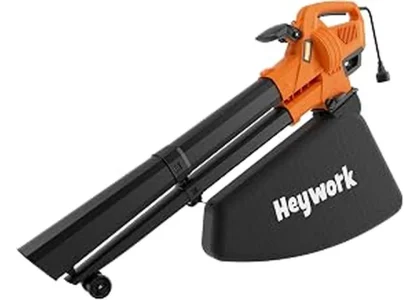
🍂 The Silent Lawn Killer: Damp Leaves Will Suffocate Your Grass
Trapped wet leaves create a breeding ground for destructive snow mold. Clear the yard fast with a high-power cordless blower before the ground freezes.
If the fabric touches the leaves, it creates a thermal bridge. Cold ambient air cools the outer side of the cloth. That chill transfers instantly through the material to the leaf tissue.
This direct conduction negates the warming effect of the trapped air layer beneath.
- Radiant cooling occurs when plants lose heat to the sky.
- Air pockets act as natural insulators against temperature drops.
- Direct contact allows conductive heat loss from leaf to cloth.
- Wind can strip away the thin boundary layer of warm air.
- Moisture condensation on cold fabric can freeze onto leaves.
- Ideal insulation requires distance between the source and the cover.
- Soil retains daytime heat longer than exposed foliage does.
Think of it like wearing a coat. If your skin touches the outside of the jacket, you get cold. You need layers and air space to stay warm.
Gardens work on the same principle. The goal is to keep the microclimate around the plant stable and warmer than the surrounding air.
Tip: Check the forecast for dew point. High humidity increases condensation risk on fabrics touching plants.
How to Install Frost Cloth Without Contact
Proper installation ensures your frost cloth performs at peak efficiency. You need structures that hold the fabric aloft. Avoid letting heavy materials sag onto delicate stems or flowers.
🍂 The Silent Lawn Killer: Damp Leaves Will Suffocate Your Grass
Trapped wet leaves create a breeding ground for destructive snow mold. Clear the yard fast with a high-power cordless blower before the ground freezes.
Lightweight plastics or glass jars can also serve as temporary supports for small seedlings.
Start by measuring the height of your tallest plant. Add six inches to ensure clearance. Cut your fabric wide enough to drape over the structure completely.
Secure the bottom edges tightly to the ground. Loose edges let cold air sneak underneath and ruin the thermal envelope.
| Support Type | Best For | Pros |
|---|---|---|
| Metal Hoops | Row crops, vegetables | Durable, consistent shape |
| Wooden Stakes | Individual shrubs, trees | Easy to adjust height |
| PVC Pipes | Large beds, greenhouses | Lightweight, cheap material |
| Terracotta Pots | Small seedlings, herbs | No tools required |
This table highlights common support methods. Metal hoops offer stability for long rows. Wooden stakes provide flexibility for irregular shapes.
PVC pipes are budget-friendly for large areas. Terracotta pots work well for quick fixes on tiny plants.
- Select appropriate supports based on plant size and layout.
- Insert stakes or hoops before placing the fabric.
- Drape the frost cloth evenly over the structure.
- Pull excess fabric taut to minimize flapping in wind.
- Bury edges or use rocks to seal the perimeter.
- Inspect for any low spots where fabric might sag.
- Adjust tensioners if available to maintain air gaps.
Following these steps guarantees maximum protection. Tension prevents the fabric from collapsing during gusts. Sealed edges retain the warm air generated by the soil.
🍂 The Silent Lawn Killer: Damp Leaves Will Suffocate Your Grass
Trapped wet leaves create a breeding ground for destructive snow mold. Clear the yard fast with a high-power cordless blower before the ground freezes.
Regular inspection helps identify weak points before they fail.
Warning: Never use plastic sheeting as frost cloth. It offers zero breathability and causes rapid condensation buildup.
What Is the Difference Between Row Cover and Frost Cloth?
Gardeners often confuse row cover with dedicated frost cloth. While similar, they differ in weight and permeability. Standard floating row covers may be too light to resist strong winds.
Heavier frost blankets provide superior insulation but reduce airflow significantly.
Choose the right material based on expected temperature drops. Light covers suit mild frosts above thirty-two degrees Fahrenheit. Heavy-duty cloths handle hard freezes below twenty-eight degrees.
Always check the manufacturer’s rating for specific thermal protection levels.
🍂 The Silent Lawn Killer: Damp Leaves Will Suffocate Your Grass
Trapped wet leaves create a breeding ground for destructive snow mold. Clear the yard fast with a high-power cordless blower before the ground freezes.
- Floating row covers weigh approximately half an ounce per square yard.
- Heavy frost blankets range from two to four ounces per square yard.
- Permeability decreases as fabric weight increases for better insulation.
- UV stabilization extends lifespan for outdoor seasonal use.
- Water resistance varies; most breathable fabrics shed light rain.
- Cost differs widely between basic agricultural fleece and premium blends.
- Reusability depends on storage conditions after each season ends.
Understanding these distinctions helps you buy wisely. Cheap alternatives rarely withstand repeated freeze-thaw cycles. Invest in quality gear for reliable performance year after year.
Read reviews focusing on durability rather than initial price tags alone.
Common Mistakes When Using Frost Protection
Even experienced growers make errors with frost cloth application. Assuming all covers are equal leads to disappointment. Ignoring wind direction exposes vulnerable sides to chilling drafts.
Leaving openings unsealed lets precious warmth escape rapidly into the night sky.
Another frequent error involves timing removal incorrectly. Taking off covers too early shocks plants to sudden sunlight. Waiting until late morning avoids abrupt temperature changes.
🍂 The Silent Lawn Killer: Damp Leaves Will Suffocate Your Grass
Trapped wet leaves create a breeding ground for destructive snow mold. Clear the yard fast with a high-power cordless blower before the ground freezes.
Gradual acclimatization reduces stress on sensitive tissues during recovery periods.
| Mistake | Consequence | Solution |
|---|---|---|
| Touching leaves directly | Cold conduction damages cells | Install rigid supports always |
| Leaving edges open | Warm air escapes quickly | Bury or weigh down borders |
| Using non-breathable plastic | Condensation freezes on foliage | Switch to woven polypropylene |
| Removing covers at dawn | Thermal shock kills buds | Wait until sun warms air |
Correcting these habits saves harvests consistently. Prevention costs less than replacement plants every spring. Document failures annually to refine techniques over time.
Share findings with local extension offices for community improvement.
Important: Monitor weather alerts closely. Unexpected cold snaps require immediate action hours before sunset.
When to Remove Frost Cloth Safely
Knowing when to take off frost protection covers is critical. Early removal risks refreezing overnight lows. Late exposure burns leaves via intense solar radiation.
Aim for mid-morning once ambient temperatures rise steadily above freezing.
🍂 The Silent Lawn Killer: Damp Leaves Will Suffocate Your Grass
Trapped wet leaves create a breeding ground for destructive snow mold. Clear the yard fast with a high-power cordless blower before the ground freezes.
Check soil moisture levels before uncovering. Wet grounds absorb heat slowly compared to dry earth. Dry soils release stored energy faster, aiding quicker thawing processes.
Adjust timing accordingly based on recent rainfall patterns and drainage rates.
- Observe sunrise time and cloud cover predictions carefully.
- Measure current air temperature relative to historical averages.
- Ensure no further frost warnings exist for upcoming nights.
- Lift one corner gradually to test plant response immediately.
- Fully remove fabric only after confirming stability outdoors.
- Store cleaned items properly to extend usable life expectancy.
- Note dates and outcomes for future reference logs easily.
This systematic approach minimizes guesswork drastically. Consistent records help predict optimal windows yearly. Adapt strategies as climate shifts alter traditional seasons unexpectedly.
Alternative Methods for Extreme Cold Events
Sometimes standard frost cloth solutions fall short during polar vortex events. Supplemental heating becomes necessary for valuable specimens. Christmas lights placed inside covers generate minimal warmth without burning plants.
Ensure bulbs remain insulated from direct contact with foliage surfaces.
🍂 The Silent Lawn Killer: Damp Leaves Will Suffocate Your Grass
Trapped wet leaves create a breeding ground for destructive snow mold. Clear the yard fast with a high-power cordless blower before the ground freezes.
Water jugs buried near roots store daytime heat effectively. They release energy slowly throughout freezing nights. Mulching heavily around bases adds extra buffer zones against ground chill.
Combine multiple tactics for layered defense mechanisms during severe outbreaks.
- Incandescent string lights add several degrees internally.
- Black-painted water containers maximize solar absorption daily.
- Straw bales block prevailing northwesterly winds physically.
- Compost piles generate biological heat naturally underground.
- Greenhouse heaters provide precise thermostat-controlled environments.
- Reflective barriers bounce radiant energy back toward crops.
- Windbreak fences disrupt cold air flow across fields.
Layering protections enhances survival odds significantly. No single method works perfectly alone universally. Tailor combinations to specific crop vulnerabilities locally.
Tip: Test new setups on sacrificial plants first before deploying globally.
FAQ
Frequently Asked Questions
Can I use old bed sheets instead of frost cloth?
You can use cotton sheets temporarily, but they lack UV treatment and tear easily. Synthetic frost cloths last longer and breathe better. Sheets may trap too much moisture if not ventilated properly.
Does frost cloth stop snow accumulation?
No, frost cloth does not prevent snow from landing on top. However, it protects underlying plants from direct contact with icy flakes. Brush off heavy snow loads promptly to avoid structural collapse.
🍂 The Silent Lawn Killer: Damp Leaves Will Suffocate Your Grass
Trapped wet leaves create a breeding ground for destructive snow mold. Clear the yard fast with a high-power cordless blower before the ground freezes.
How many degrees does frost cloth actually save?
Typically, proper installation raises temperatures by three to five degrees Fahrenheit. Heavy-duty versions may achieve eight degrees higher than ambient air. Results vary based on wind speed and duration of exposure.
Is it okay to leave frost cloth on all day?
Leaving covers on during sunny days overheats plants and blocks pollination access. Remove them once temperatures stabilize above fifty degrees. Reapply only when evening forecasts predict dropping below freezing again.
Do bees get trapped under frost cloth?
Yes, beneficial insects can become confined beneath sealed edges. Openings should face southward for easy exit routes. Consider mesh screens integrated into designs to allow ventilation while retaining heat.
Final Thoughts
Remember that should frost cloth touch plant leaves remains a definitive no for healthy gardens. Maintaining adequate spacing preserves vital thermal insulation properties essential for survival. Prioritize sturdy supports and tight seals whenever preparing for cold fronts ahead.