Last Updated on June 17, 2026 by D. Ruddy
I Have Bought Lawn Gear on Prime Day 4 Years in a Row. Here Is What I Learned.
The first Prime Day I shopped for lawn tools, I bought the wrong thing. A leaf blower that looked cheap but had no battery included. I did not read the listing carefully. I wasted $60 and had to return it. Since then, I have learned exactly how to shop smart for lawn tools on Prime Day. This guide shares everything I know so you do not make the same mistakes I did.
Prime Day is not just about finding low prices. It is about finding the right tool for your specific yard at the right price. A $300 mower that is too small for your lawn is not a deal. It is a headache you will deal with every weekend. Let me walk you through what to look for step by step.
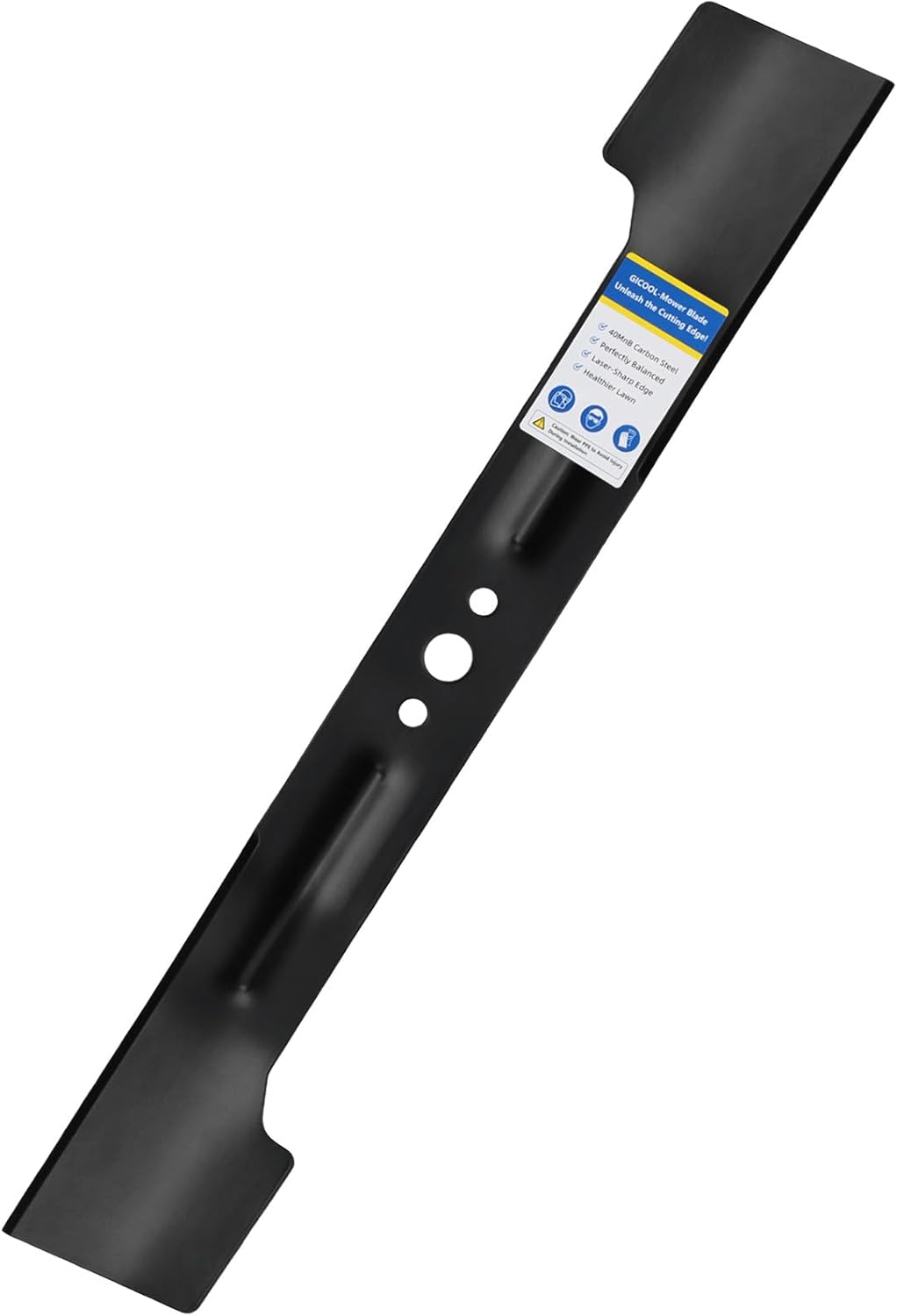
Step 1: Know Your Yard Before You Buy Anything
Write down three numbers before you start shopping. Your yard size in square feet. Your grass type. The number of trees you have. These three things decide every tool you need. A quarter-acre Bermuda lawn needs completely different gear than a half-acre St. Augustine yard with 12 oak trees dropping leaves.
Small yard under 2,500 square feet? A corded electric mower and a lightweight battery trimmer handle everything. Medium yard up to 10,000 square feet? Battery tools make the most sense. One mower battery plus one spare should cover the whole yard without stopping. Big yard over 10,000 square feet? You might still need gas tools. Or a battery system with multiple high-capacity batteries and a fast charger.
What If Your Patio Became Your Favorite Spot This Fall?
Cooler evenings don’t have to send everyone indoors. Discover simple ways to turn your porch or patio into a warm, cozy place to gather after sunset.
Your grass type matters more than most people realize. Warm-season grasses like Bermuda and Zoysia grow thick and dense. They need more power to cut cleanly. Cool-season grasses like Fescue and Kentucky Bluegrass cut much easier. If you have thick, aggressive warm-season grass, do not buy the cheapest mower you find. The motor will bog down every few feet and you will hate mowing your own yard.
Step 2: Pick One Battery System and Stick With It
This is the single best piece of advice in this entire guide. Pick one battery platform. EGO 56V. Greenworks 60V or 24V. Ryobi 40V. DeWalt 20V MAX. Pick exactly one. Stay with it forever. Every tool you add later costs significantly less because you already own the batteries.
I learned this the hard and expensive way. I had a Ryobi trimmer, a Greenworks blower, and an EGO mower at the same time. Three different chargers. Three different battery types. My garage was a mess of cables and incompatible batteries. I sold all of them and went all-EGO. Now every battery works in every tool. One charger on the wall. Clean garage. No more frustration.
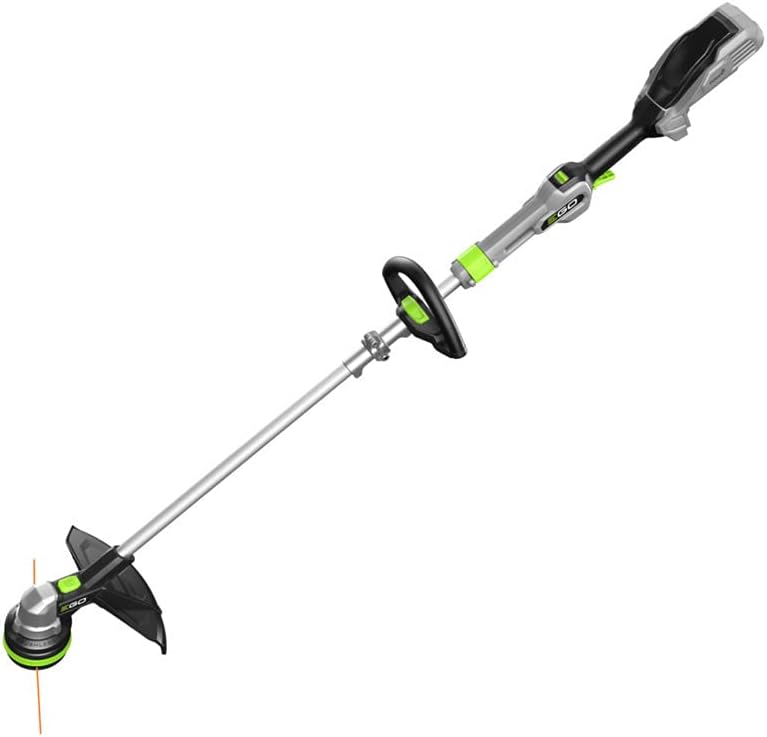
Here is how the major battery platforms compare:
| Brand | Battery System | Tool Count | Best For | Price Range |
|---|---|---|---|---|
| EGO | 56V ARC Lithium | 30+ | Best power and build quality | $$$ |
| Greenworks | 24V / 40V / 60V / 80V | 50+ | Most options, best overall value | $$ |
| Ryobi | 18V ONE+ / 40V | 200+ | Most tools, budget-friendly | $ |
| DeWalt | 20V MAX / 60V FLEXVOLT | 200+ | If you already own DeWalt | $$$ |
| Craftsman | V20 | 50+ | Solid mid-range choice | $$ |
Step 3: Lawn Mowers — What Specs Actually Matter
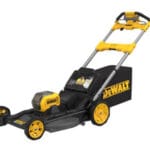
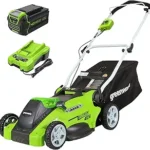
When you shop mower deals on Prime Day, ignore the marketing buzzwords. Look at exactly three specs. Cutting width. Battery capacity in amp-hours (Ah). Deck material. Everything else is noise designed to confuse you.
What If Your Patio Became Your Favorite Spot This Fall?
Cooler evenings don’t have to send everyone indoors. Discover simple ways to turn your porch or patio into a warm, cozy place to gather after sunset.
Cutting width decides how fast you finish mowing. A 21-inch deck finishes a half-acre yard about 20 percent faster than an 18-inch deck. For yards under 3,000 square feet, a 14 to 16-inch deck works fine. For bigger yards, get at least 20 inches. The wider the deck, the fewer passes you make.
Battery capacity controls how long you can mow before stopping. A 5.0Ah battery on a 60V mower runs about 45 minutes. A 7.5Ah battery runs closer to 60 minutes. On Prime Day, kits with bigger batteries are the better deal. A mower with a 4.0Ah battery at $250 is actually worse value than the same mower with a 7.5Ah battery at $300. You will end up buying a second battery anyway. Save yourself the hassle and get the bigger battery from the start.
Deck material matters more than you might think. Steel decks last longer and handle rough, bumpy terrain. Plastic decks are lighter but can crack if you hit a hidden rock or root. For smooth, small lawns, plastic is perfectly fine. For bumpy yards with tree roots and rocks, get a steel deck.
Step 4: String Trimmers — Cutting Width and Feed Type
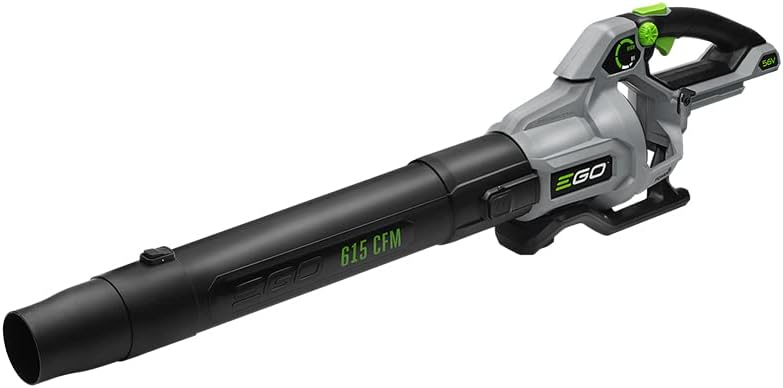
String trimmers come in two feed types. Bump-feed and auto-feed. Bump-feed trimmers make you tap the head on the ground to release more cutting line. Auto-feed trimmers release line automatically when it gets short. Auto-feed costs about $30 more but saves constant frustration. Bump-feed works fine if you do not mind the tapping every few minutes.
Cutting width matters here too. A 15-inch trimmer head covers more ground with each pass than a 12-inch head. For small yards, 12 to 13 inches is enough. For bigger yards and heavy weeds, get 15 inches or wider. The wider cut also means less walking back and forth along your fence lines.
What If Your Patio Became Your Favorite Spot This Fall?
Cooler evenings don’t have to send everyone indoors. Discover simple ways to turn your porch or patio into a warm, cozy place to gather after sunset.
Look for a trimmer that converts to an edger. Models like the Worx WG185 and Ryobi Expand-It let you rotate the head or swap attachments. That saves you from buying a separate edger. One less tool collecting dust in the garage.
Step 5: Leaf Blowers — CFM Over MPH Every Time
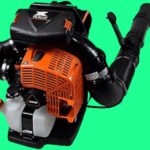
Most leaf blower marketing pushes MPH — miles per hour. That number means almost nothing by itself. CFM — cubic feet per minute — is what actually moves leaves. Think of it this way. MPH is how fast the air comes out of the nozzle. CFM is how much air comes out. You want volume, not just speed.
A blower with 500 CFM clears leaves roughly twice as fast as one with 250 CFM. That is true even if both claim the same 200 MPH rating. When you compare Prime Day blower deals, sort by CFM first. Do not get tricked by a big MPH number on a cheap blower that has low CFM.
For dry leaves on pavement and driveways, 300 to 400 CFM is enough. For wet leaves, big yards, and heavy debris, you need 500 CFM or more. Corded blowers give you the most CFM for every dollar spent. Battery blowers give you freedom to move anywhere. Pick based on your yard layout and outlet access, not just the price tag.
Step 6: Pressure Washers — PSI and GPM Both Matter
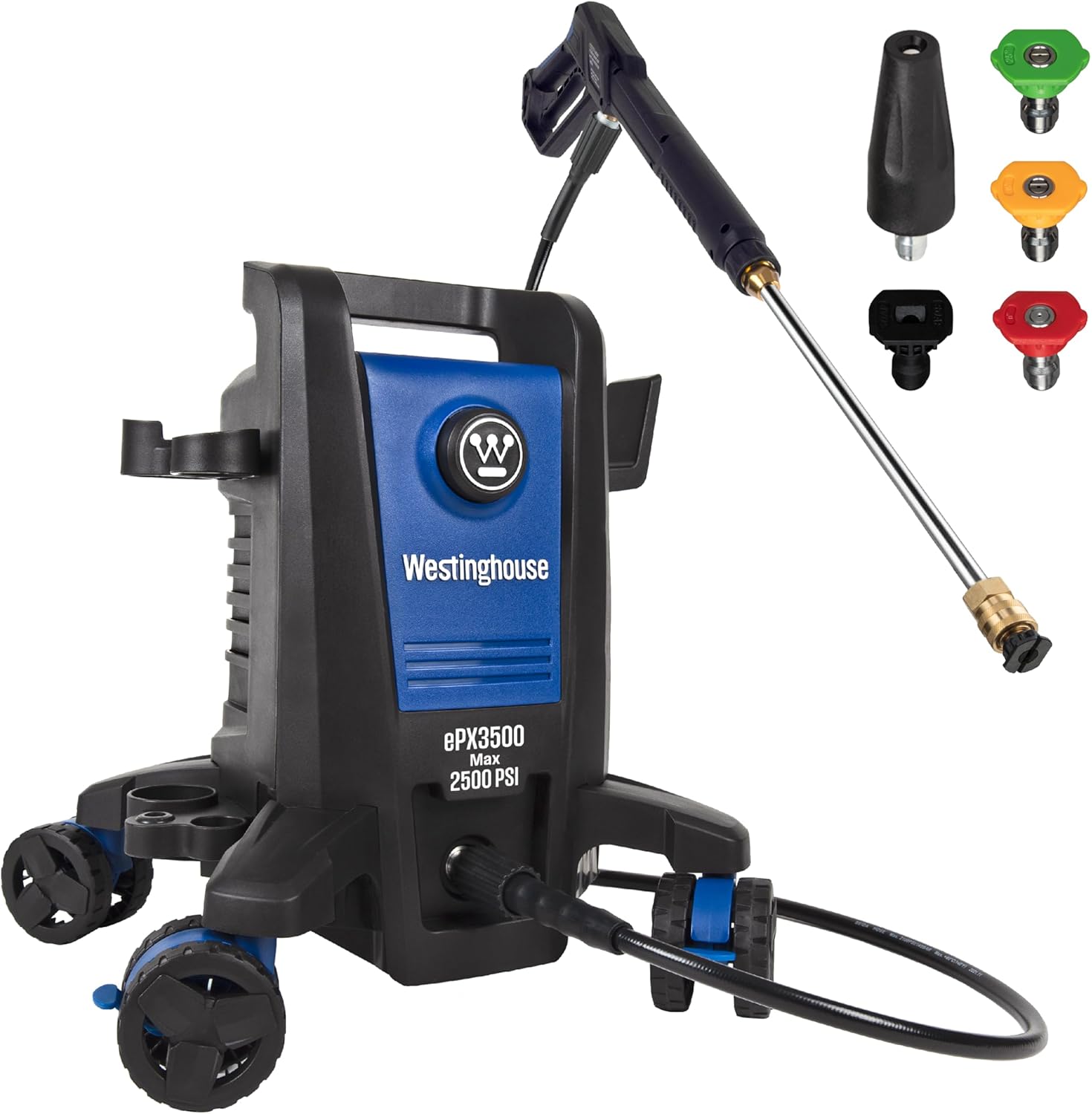
Pressure washers have two numbers you need to check. PSI (pounds per square inch) is the pressure. GPM (gallons per minute) is the water flow. Higher GPM cleans faster. Here is a fact that surprises most people. A 2000 PSI washer with 2.0 GPM cleans faster than a 3000 PSI washer with 1.2 GPM. Always look at both numbers before you buy.
For homeowners, electric pressure washers cover almost everything you will ever need. Car washing, deck cleaning, fence spraying, sidewalk blasting, patio furniture. You do not need a gas pressure washer unless you do commercial work or need to run continuously for hours without stopping.
What If Your Patio Became Your Favorite Spot This Fall?
Cooler evenings don’t have to send everyone indoors. Discover simple ways to turn your porch or patio into a warm, cozy place to gather after sunset.
Check what spray nozzles come included with the washer. A 25-degree nozzle handles most jobs. A 0-degree nozzle cuts through caked-on grime. A soap nozzle lets you spray detergent for car washing. The more nozzles included in the box, the more tasks you can handle with one tool.
Step 7: How to Read Amazon Deals During Prime Day
Not every Prime Day deal is real. Some sellers raise the list price a week before Prime Day. Then they drop it back to the normal price and call it a discount. That is a fake deal. You can spot these by checking the price history. I use CamelCamelCamel and Keepa. Both are free. Both show you the full price history of any Amazon product going back years.
Here is my simple trick. Look at the price from 30 days before Prime Day. Then look at the Prime Day price. If the discount is bigger than 15 percent off the 30-day average, it is probably a real deal. If the “list price” looks fake and the discount looks too good to be true, check the history. A real $50 discount on a $200 tool that normally sells for $180 is a good deal. A “60 percent off” badge on a tool nobody ever pays full price for is a trap.
Lightning Deals move incredibly fast. They last a few hours and have a limited stock bar that ticks down in real time. If you see something you genuinely want in a Lightning Deal, buy it right then. Do not wait for the price to go lower. It will sell out. Amazon returns are easy. You can always return it if you find a better deal later.
Step 8: Bare Tool vs Kit — Read the Title Every Time
I cannot stress this enough. Read the listing title. Every single word of it. If it says “bare tool” or “tool only,” you get just the tool. No battery. No charger. The low price looks amazing until you realize the tool is completely useless without spending another $100 to $150 on a battery and charger.
What If Your Patio Became Your Favorite Spot This Fall?
Cooler evenings don’t have to send everyone indoors. Discover simple ways to turn your porch or patio into a warm, cozy place to gather after sunset.
Buy a kit if this is your first tool from a brand. The kit includes the tool, a battery, and a charger. Yes, it costs more upfront. But you absolutely need the battery to use the tool. Buy bare tools for every tool you add after that. Once you own two or three batteries from the same brand, you never need to buy another kit. Bare tools save you $50 to $100 per tool. Over a full set of lawn tools, that adds up to serious money.
Frequently Asked Questions
What is the best lawn mower to buy on Prime Day?
The EGO LM2102SP is my top pick for battery mowers. It has a 21-inch deck, 56V battery power, and self-propelled drive. It sells out fast every Prime Day but usually drops $50 to $80. For budget buyers, the Greenworks PRO 60V is the best alternative with similar features at a lower price.
Should I buy all my lawn tools from one brand?
Yes. Without question. Pick one battery system and stay with it. Batteries are the most expensive part of any cordless tool. Sharing batteries across all your tools saves you hundreds of dollars over time. EGO, Greenworks, and Ryobi all offer complete lawn tool lineups that cover every yard task.
Are Prime Day lawn tool deals better than Black Friday?
In my experience tracking both, Prime Day lawn tool deals are about the same as Black Friday in terms of discount depth. The big advantage of Prime Day is timing. You get the tools in July and use them all summer and fall. Black Friday deals arrive right when you are putting tools away for winter. Buy on Prime Day and actually use your new tools for months.
How do I know if a battery mower is powerful enough for my yard?
Look at the voltage rating. 56V to 80V mowers handle thick, tall grass and bigger yards without bogging down. 20V to 40V mowers work for small to medium yards with regular weekly maintenance. If your grass gets tall and thick between mows, buy at least 56V. If you mow weekly and your yard is small, 40V is enough.
Disclosure: Some links in this article are affiliate links. If you click and make a purchase, I may earn a small commission at no extra cost to you. Prices shown are current as of writing and may change. Prime Day prices could drop even lower — check on Prime Day.
What If Your Patio Became Your Favorite Spot This Fall?
Cooler evenings don’t have to send everyone indoors. Discover simple ways to turn your porch or patio into a warm, cozy place to gather after sunset.