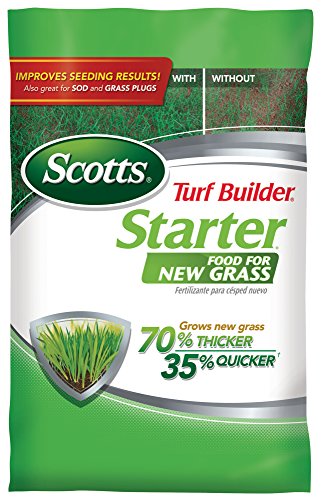
I remember the first time I stood in the fertilizer aisle at Home Depot. Three numbers on every bag. 10-10-10. 24-0-6. 5-1-1. I had no clue what they meant. I grabbed a bag that looked nice and hoped for the best.
My lawn turned bright green for two weeks. Then it went brown. I learned the hard way that those three numbers matter a lot.
If you have ever felt confused by NPK ratios, this guide will clear it up. I keep it simple. No chemistry degree needed.
What Does NPK Stand For?
NPK stands for Nitrogen, Phosphorus, and Potassium. Those are the three main nutrients your lawn needs. Every fertilizer bag shows them as three numbers separated by dashes. Like 10-10-10.
Seasonal Lawn Sale Ends Soon
Don't wait until prices go back up. Save on lawn equipment, watering tools, weed control, and gardening essentials today.
The first number is always Nitrogen (N). The second is Phosphorus (P). The third is Potassium (K). Always in that order.
Think of it like a nutrition label for your grass. Just like you check calories and protein on food, your lawn checks NPK on fertilizer.
Nitrogen (N) – The Green Maker
Nitrogen makes grass grow fast and turn deep green. It is the most important number for most lawns. When your grass looks pale or yellow, it usually wants nitrogen.
But too much nitrogen burns your lawn. I did that once. Big brown patches everywhere. You want fast growth, not fried grass.
Most lawn fertilizers have a high first number. Something like 24-0-6 or 30-0-4. That is on purpose. Lawns use more nitrogen than anything else.
Phosphorus (P) – The Root Builder
Phosphorus helps roots grow deep and strong. It is super important for new grass seed and young lawns. Without phosphorus, roots stay shallow and weak.
Many states now limit phosphorus in lawn fertilizers. Too much phosphorus runs off into lakes and causes algae blooms. That is why you see fertilizers with a zero in the middle. Like 24-0-6.
Only add phosphorus if a soil test says you need it. I learned that lesson after wasting money on starter fertilizer my lawn did not need.
Potassium (K) – The Stress Fighter
Potassium makes grass tough. It helps your lawn survive drought, cold, disease, and foot traffic. Think of it as the immune system booster for your grass.
Fall fertilizers often have more potassium. That helps grass survive winter. Spring fertilizers usually have less.
If your lawn gets a lot of foot traffic from kids or pets, potassium helps it bounce back faster.
Common NPK Ratios and When to Use Them
| NPK Ratio | Best For | When to Apply |
|---|---|---|
| 24-0-6 | Established lawns | Late spring, summer |
| 10-10-10 | All-purpose, gardens | Early spring, fall |
| 12-12-12 | New lawns, overseeding | When seeding |
| 30-0-4 | Quick green-up | Late spring |
| 5-1-1 | Organic, slow release | Any time |
| 0-0-20 | Winter prep, stress | Late fall |
How to Read a Fertilizer Bag (In 30 Seconds)
Pick up any bag. Find the three big numbers on the front. Read them left to right.
Seasonal Lawn Sale Ends Soon
Don't wait until prices go back up. Save on lawn equipment, watering tools, weed control, and gardening essentials today.
First number is nitrogen. It makes grass green. Higher equals faster growth.
Second number is phosphorus. It builds roots. Often zero for lawns.
Third number is potassium. It fights stress. Higher in fall fertilizers.
That is it. You now understand NPK better than most homeowners.
Synthetic vs Organic NPK: What Changes?
Synthetic fertilizers show higher NPK numbers. Something like 30-0-4 is common. They work fast but can burn your lawn if you use too much.
Organic fertilizers like

show lower numbers like 5-1-1 or 6-4-0. They release nutrients slowly over weeks. No burn risk. But the green-up takes longer.
Seasonal Lawn Sale Ends Soon
Don't wait until prices go back up. Save on lawn equipment, watering tools, weed control, and gardening essentials today.
I use organic fertilizers in summer when heat stress is high. I use synthetic in spring when I want fast results.
How I Choose the Right NPK Ratio for My Lawn
I follow three simple steps.
Step 1: I test my soil every spring. A soil test kit tells me exactly what my lawn needs. No guessing.
Step 2: I match the NPK to the season. High nitrogen in spring and summer. Higher potassium in fall.
Step 3: I watch my grass. Yellow grass wants nitrogen. Weak roots want phosphorus. Brown edges want potassium. The grass tells me what it needs.
Quick Reference: NPK by Season
| Season | Focus Nutrient | Example NPK |
|---|---|---|
| Early Spring | Phosphorus (roots) | 12-12-12 |
| Late Spring | Nitrogen (green) | 24-0-6 |
| Summer | Potassium (stress) | 15-0-15 |
| Fall | Potassium (winter prep) | 0-0-20 or 6-0-20 |
Common NPK Mistakes I See All the Time
Mistake 1: Using too much nitrogen. More is not better. Too much nitrogen burns grass and makes it grow so fast you have to mow every three days. Follow the bag rate.
Mistake 2: Ignoring potassium. Everyone focuses on nitrogen. But potassium is what keeps grass alive through summer heat and winter cold. Do not skip it.
Mistake 3: Adding phosphorus without a soil test. Most established lawns do not need extra phosphorus. You are wasting money and it is bad for the environment.
Mistake 4: Using the same fertilizer year-round. Your lawn needs different nutrients in spring than in fall. Switch it up.
Frequently Asked Questions
What is the best NPK ratio for lawns?
For most established lawns, a ratio with high nitrogen and low or zero phosphorus works best. Something like 24-0-6 or 30-0-4. The exact ratio depends on your soil test results.
What do the 3 numbers on fertilizer mean?
The three numbers show the percentage of nitrogen, phosphorus, and potassium by weight. A 10-10-10 bag is 10% nitrogen, 10% phosphorus, and 10% potassium. The rest is filler material that helps spread the nutrients evenly.
Can I use 10-10-10 fertilizer on my lawn?
Yes, 10-10-10 works on lawns. It is a balanced all-purpose fertilizer. It is better for new lawns or gardens than established grass. For an established lawn, a high-nitrogen formula like 24-0-6 usually gives better results.
What does 24-0-6 fertilizer mean?
It means the bag contains 24% nitrogen, 0% phosphorus, and 6% potassium. This is a common lawn fertilizer. The high nitrogen makes grass green. The zero phosphorus is because most lawns already have enough phosphorus.
When should I use high potassium fertilizer?
Use high potassium fertilizer in late fall to prepare grass for winter. Also use it during hot dry summers to help grass handle stress. Potassium makes grass tougher against drought, disease, and cold.
Does higher NPK mean better fertilizer?
Not always. Higher NPK numbers mean more concentrated nutrients. But your lawn only needs a certain amount. Too much can burn grass or run off into water. Always follow the application rate on the bag.
The Bottom Line
NPK ratios are not complicated. They are just three numbers that tell you what is inside the bag. Nitrogen for green. Phosphorus for roots. Potassium for tough grass.
Test your soil. Match the NPK to the season. Do not overdo it. That is the whole game.