Last Updated on October 11, 2026 by D. Ruddy
Protecting young trees from deer during the winter months is critical for ensuring their survival and healthy growth. When natural food sources dwindle, hungry deer often turn to bark, twigs, and buds as their primary diet.
This post covers effective strategies to shield your saplings from browsing damage. We will explore physical barriers, repellents, and habitat modifications that work best when snow covers the ground.
Simply put, use sturdy tree guards around the trunk and extend fencing outward to prevent rubbing. Combine this with scent-based repellents for added protection. Physical barriers remain the most reliable method for protecting young trees from deer throughout the cold season.
Key Takeaways
- Physical barriers like plastic tubes or wire mesh are the gold standard for preventing bark damage.
- Deer prefer tender new growth, so protecting the upper branches is just as vital as guarding the trunk.
- Repellents require consistent reapplication, especially after rain or snow melt, to maintain effectiveness.
- Maintaining a clean yard reduces hiding spots and makes your property less attractive to wildlife.
- Combining multiple methods yields the highest success rate for young tree protection.
Why Do Deer Damage Trees in Winter?
Understanding deer behavior helps you anticipate their movements. In summer, they eat leaves and grasses. As winter approaches, these sources vanish under snow or die back completely.
🍂 The Silent Lawn Killer: Damp Leaves Will Suffocate Your Grass
Trapped wet leaves create a breeding ground for destructive snow mold. Clear the yard fast with a high-power cordless blower before the ground freezes.
This forces them to seek alternative nutrition.
Bark contains nutrients like cambium layer sugars and moisture. Twigs offer accessible protein. According to the National Wildlife Federation, deer populations can cause significant economic loss to forestry and landscaping due to this seasonal feeding shift.
You must recognize that this is not malicious intent. It is pure survival instinct. The following factors drive this destructive behavior:
- Scarcity of preferred soft foods like clover or alfalfa.
- The need for hydration when water sources are frozen.
- Territorial marking behaviors where bucks rub antlers on trunks.
- Lack of dense forest cover forcing them into open yards.
- High local deer population density exceeding carrying capacity.
- Nutritional deficiencies driving them toward woody plant material.
When a buck rubs his antlers on a young tree, he strips away bark and damages vascular tissue. This wound invites disease and insects. If the ring of bark is removed entirely, the tree dies above that point.
How to Install Effective Tree Guards
Tree guards are the first line of defense. They physically separate the vulnerable bark from teeth and antlers. Not all guards are created equal.
You need materials that withstand wind, snow load, and animal pressure.
🍂 The Silent Lawn Killer: Damp Leaves Will Suffocate Your Grass
Trapped wet leaves create a breeding ground for destructive snow mold. Clear the yard fast with a high-power cordless blower before the ground freezes.
Plastic spiral wraps are popular because they expand as the tree grows. However, rigid PVC pipes offer superior protection against heavy rubbing. Ensure the guard extends at least twelve inches above the expected snow line.
Follow these steps for proper installation:
- Measure the diameter of the tree trunk at chest height.
- Select a guard size that allows one inch of clearance for air circulation.
- Clean the area around the base to remove debris and old mulch.
- Insert the guard carefully without damaging existing roots or lower branches.
- Secure the bottom firmly into the soil using stakes if necessary.
- Check the top edge to ensure no sharp points could injure wildlife.
| Guard Type | Pros | Cons |
|---|---|---|
| Plastic Spiral Wrap | Easy to install, expands with growth | Can trap heat, may loosen in wind |
| Rigid PVC Pipe | Excellent anti-rubbing protection | Does not expand, requires replacement yearly |
| Wire Mesh Cage | Allows airflow, durable long-term | Harder to install, aesthetic impact |
Choose the right guard based on your specific climate. In regions with heavy snowfall, rigid structures hold up better than flexible plastics which might collapse under weight.
Tip: Leave a small gap between the guard and the trunk. Tight wrapping can restrict sap flow and create entry points for fungal infections.
What Are the Best Fencing Options?
If tree guards alone do not suffice, perimeter fencing provides comprehensive coverage. Deer can jump high, so vertical height matters more than horizontal spacing. A standard four-foot fence rarely stops mature bucks.
🍂 The Silent Lawn Killer: Damp Leaves Will Suffocate Your Grass
Trapped wet leaves create a breeding ground for destructive snow mold. Clear the yard fast with a high-power cordless blower before the ground freezes.
You should aim for eight feet of height. Alternatively, double fences spaced five feet apart confuse jumping mechanics. Deer hesitate when landing zones are unclear.
This psychological barrier works effectively even with shorter heights.
Consider these fencing materials:
- Woven wire fencing offers durability but is visible and expensive.
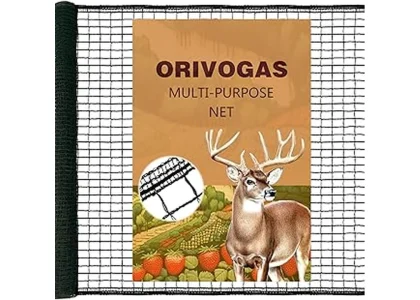
- Electric netting is highly effective and relatively low cost.
- Polyethylene mesh blends into the environment while blocking sightlines.
- Solid wood privacy screens act as both barrier and visual block.
- Monofilament fishing line creates an invisible tripwire deterrent.
- Chain link provides security but lacks aesthetic appeal for gardens.
According to Penn State Extension, electric fences reduce deer intrusion by over ninety percent when properly maintained. Power sources must be checked weekly during winter storms.
| Fence Height | Effectiveness | Cost Estimate |
|---|---|---|
| 4 Feet | Low (deer easily jump) | $ |
| 6 Feet | Moderate (some hesitation) | $$ |
| 8+ Feet | High (rarely jumped) | $$$ |
Invest in quality posts. Wood rots quickly in wet winters. Metal T-posts last longer and resist bending under snow accumulation.
How Do Repellents Work Against Deer?
Chemical and organic repellents target smell and taste receptors. Deer have sensitive noses. Strong odors mask the scent of edible plants.
🍂 The Silent Lawn Killer: Damp Leaves Will Suffocate Your Grass
Trapped wet leaves create a breeding ground for destructive snow mold. Clear the yard fast with a high-power cordless blower before the ground freezes.
Bitter tastes discourage chewing once contact occurs.
These products vary widely in efficacy. Some rely on predator urine. Others use egg solids or garlic extracts.
Rotation prevents habituation. Deer learn to ignore static scents over time.
Apply repellents correctly for maximum impact:
- Read the label for dilution ratios and safety precautions.
- Spray on dry days when temperatures are above freezing.
- Cover all surfaces including undersides of leaves and twigs.
- Reapply every fourteen days or after rainfall/snowmelt.
- Test on a small branch first to check for phytotoxicity.
- Store unused product indoors to prevent freezing damage.
A study published in the Journal of Wildlife Management indicates that motion-activated sprinklers combined with scent repellents increase deterrence rates significantly. Single-method approaches often fail under high pressure.
Warning: Avoid spraying repellents directly onto flowers intended for pollinators. Many chemicals harm bees and butterflies alongside pests.
Deal🍂 The Silent Lawn Killer: Damp Leaves Will Suffocate Your Grass
Trapped wet leaves create a breeding ground for destructive snow mold. Clear the yard fast with a high-power cordless blower before the ground freezes.
00Days 00Hrs 00Min 00SecSecure your Lawn As an Amazon Associate I earn from qualifying purchases.
Which Plants Discourage Deer Naturally?
Landscaping choices influence deer attraction. Certain species emit strong aromas or possess textures deer dislike. Incorporating these near valuable trees creates a defensive buffer zone.
Daffodils, marigolds, and lavender contain compounds toxic or unpleasant to cervids. Ornamental grasses provide little nutritional value. Evergreens like juniper and boxwood are generally ignored unless starvation sets in.
Plant these resistant varieties nearby:
- Boxwood shrubs form dense hedges that block access paths.
- Lavender adds fragrance that masks tree scents effectively.
- Daffodil bulbs release alkaloids that cause nausea if eaten.
- Marigolds produce pyrethrins which repel many insects and mammals.
- Ornamental sage has fuzzy leaves deer find unpalatable.
- Purple coneflower attracts pollinators but deters browsers.
Group susceptible plants together rather than scattering them. Clustering makes monitoring easier. It also concentrates deterrent effects in smaller areas.
| Plant Type | Deterrent Factor | Winter Hardiness |
|---|---|---|
| Lavender | Strong Scent | Zone 5-9 |
| Boxwood | Texture/Taste | Zone 4-8 |
| Daffodil | Toxic Alkaloids | Zone 3-9 |
Remember that hunger overrides preference. During severe winters, even disliked plants get eaten. Use companion planting as support, not sole protection.
🍂 The Silent Lawn Killer: Damp Leaves Will Suffocate Your Grass
Trapped wet leaves create a breeding ground for destructive snow mold. Clear the yard fast with a high-power cordless blower before the ground freezes.
How Does Habitat Modification Help?
Reduce attractiveness by removing resources deer seek. Clear brush piles and leaf litter near trees. These hide predators but also shelter fawns.
Open visibility scares shy animals.
Eliminate water sources if possible. Frozen ponds still attract deer seeking ice patches. Fix leaky outdoor faucets promptly.
Standing water signals availability even in cold weather.
Implement these changes immediately:
- Rake fallen leaves away from tree bases regularly.
- Trim back overgrown shrubs that touch fences or walls.
- Remove bird feeders that spill seeds attracting rodents and deer.
- Seal gaps in sheds or garages where deer might enter.
- Install motion-sensor lights along pathways used by wildlife.
- Keep garbage cans tightly sealed and stored indoors.
The Audubon Society notes that reducing edge habitats decreases predation risk perception for deer. Paradoxically, making your yard feel exposed encourages them to move elsewhere.
🍂 The Silent Lawn Killer: Damp Leaves Will Suffocate Your Grass
Trapped wet leaves create a breeding ground for destructive snow mold. Clear the yard fast with a high-power cordless blower before the ground freezes.
Important: Check local regulations before modifying habitats. Some jurisdictions protect certain native vegetation or nesting sites year-round.
Frequently Asked Questions
Do dryer sheets keep deer away?
Some users report temporary success with dryer sheets hung on trees. However, scientific evidence supports limited effectiveness. Rain washes away scent quickly.
Replace them frequently for minimal results.
Will human hair deter deer?
Hanging bags of human hair is a common myth. Studies show deer are not consistently repelled by this odor. Wind disperses the scent rapidly.
It is unreliable compared to commercial products.
🍂 The Silent Lawn Killer: Damp Leaves Will Suffocate Your Grass
Trapped wet leaves create a breeding ground for destructive snow mold. Clear the yard fast with a high-power cordless blower before the ground freezes.
Can I prune damaged branches now?
Yes, remove broken limbs cleanly to prevent disease. Cut close to the collar without leaving stubs. Seal large wounds with pruning paint if recommended by arborists.
Wait until spring for major reshaping.
Are ultrasonic devices effective?
Ultrasonic emitters claim to annoy deer with high-frequency sound. Results vary greatly depending on terrain and obstacle presence. Dense foliage blocks waves.
They work best in open fields, not wooded yards.
How long do tree guards last?
Quality plastic guards last three to five years. UV degradation weakens them over time. Inspect annually for cracks or brittleness.
Replace damaged units immediately to maintain integrity.
🍂 The Silent Lawn Killer: Damp Leaves Will Suffocate Your Grass
Trapped wet leaves create a breeding ground for destructive snow mold. Clear the yard fast with a high-power cordless blower before the ground freezes.
Final Thoughts
Securing your landscape requires vigilance and layered defenses. No single trick guarantees total immunity against persistent herbivores. Combine robust physical barriers with strategic landscaping practices.
Monitor your trees closely throughout the season. Adjust tactics based on observed behavior. Early intervention saves costly replacements later.
Prioritize consistency in maintenance routines.
Your effort ensures vibrant growth come spring. Healthy ecosystems depend on balanced interactions. Protect what you plant wisely.