Last Updated on October 22, 2026 by D. Ruddy
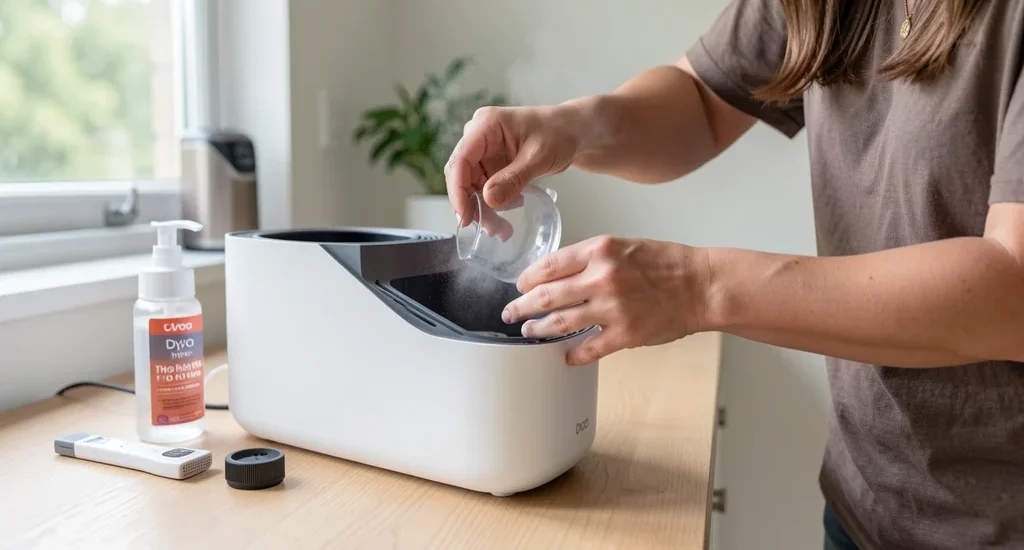
If your Dyson humidifier is leaving white dust or mineral buildup, how to descale Dyson humidifier properly is the solution to restore its performance. Regular descaling removes limescale and prevents bacteria growth, ensuring clean mist output and extending your device’s lifespan. This guide covers everything you need to know, from the tools required to step-by-step instructions for a thorough clean.
Descaling a Dyson humidifier involves cleaning mineral deposits with a vinegar-water solution or Dyson’s official descaling liquid. Always unplug the device, empty the tank, and follow the manufacturer’s guidelines to avoid damage. The process takes 30-60 minutes and should be done monthly for optimal performance.
What You Need to Descale Your Dyson Humidifier
Before you start, gather the right supplies to make the process smooth and effective. Using the wrong materials can scratch the tank or leave chemical residues. Stick to Dyson-approved or mild household solutions for safety.
Here’s what you’ll need:
- White vinegar (50/50 mix with water) – natural descaler that breaks down limescale
- Dyson descaling solution (optional but recommended for stubborn buildup)
- Soft-bristle brush or sponge – avoids scratching the tank’s interior
- Microfiber cloth – for wiping down surfaces without lint
- Distilled water – prevents new mineral deposits from forming
- Small bowl or container – to soak removable parts
- Gloves – protects your hands from vinegar or descaling liquid
Warning: Never use bleach, abrasive cleaners, or hard brushes. These can damage the humidifier’s plastic components and void the warranty.
| Item | Purpose | Alternative |
|---|---|---|
| White vinegar | Dissolves limescale naturally | Lemon juice (citric acid) |
| Dyson descaling solution | Removes tough buildup safely | CLR descaler (diluted) |
| Soft brush | Cleans without scratching | Sponge or cloth |
Using distilled water in your humidifier after descaling helps prevent future buildup. Tap water contains minerals that accelerate limescale formation.
Step by Step Process to Descale Your Dyson Humidifier
Follow these steps carefully to ensure a thorough clean without damaging your device. Each step is designed to target different parts of the humidifier where scale can accumulate.
Step 1: Unplug and Disassemble
Safety first. Always unplug your Dyson humidifier from the power outlet before cleaning. Remove the water tank, mist nozzle, and any other detachable parts according to your model’s manual.
- Turn off and unplug the humidifier
- Empty any remaining water from the tank
- Remove the tank, base, and mist nozzle (if applicable)
- Check for any hidden compartments or filters
Step 2: Prepare the Descaling Solution
Create your cleaning solution based on the level of buildup. For light scale, a vinegar-water mix works well. For heavy deposits, use Dyson’s official descaling liquid or a specialized humidifier cleaner.
| Buildup Level | Solution | Soaking Time |
|---|---|---|
| Light | 50/50 white vinegar and water | 30 minutes |
| Moderate | 100% white vinegar | 45-60 minutes |
| Heavy | Dyson descaling liquid | Follow product instructions |
Step 3: Soak the Components
Fill a bowl or sink with your chosen descaling solution and submerge the tank and any removable parts. For the base, use a damp cloth soaked in the solution to wipe down surfaces. Avoid submerging the base in water or any electrical components.
- Fill the tank halfway with your descaling solution
- Let it sit for the recommended time (see table above)
- For stubborn deposits, use a soft brush to gently scrub
- Pay extra attention to the mist nozzle and water inlet areas
- Never use metal tools or abrasive pads
Tip: For hard-to-reach areas, use a cotton swab dipped in vinegar to clean small crevices and nozzle openings.
Step 4: Rinse Thoroughly
After soaking, empty the descaling solution and rinse all parts with clean water. This step is crucial to remove any residue that could be released into the air when you use the humidifier next.
- Empty the descaling solution from the tank
- Rinse the tank under running water for 2-3 minutes
- Fill and empty the tank 3-4 times with fresh water
- Wipe down the base and other components with a damp cloth
- Shake off excess water and let all parts air dry completely
Step 5: Reassemble and Test
Once everything is dry, reassemble your Dyson humidifier. Fill the tank with distilled water and run the device for a few minutes to ensure it’s working properly. Check for any unusual noises or mist output issues.
- Reattach the tank to the base
- Ensure all parts are securely in place
- Fill with distilled water (not tap water)
- Run for 5-10 minutes and observe the mist output
- Check for leaks or unusual sounds
How Often Should You Descale Your Dyson Humidifier
The frequency of descaling depends on your water hardness and usage patterns. Hard water areas require more frequent cleaning, while soft water users can go longer between sessions. As a general rule, monthly descaling keeps your humidifier in top condition.
According to Dyson’s official guidelines, humidifiers used daily in hard water areas should be descaled every 2-4 weeks. For occasional use or soft water, every 4-6 weeks is sufficient. Always check your water hardness level—areas with over 120 mg/L of calcium carbonate are considered hard water zones.
| Water Hardness | Calcium Carbonate (mg/L) | Descaling Frequency |
|---|---|---|
| Soft | 0-60 | Every 6-8 weeks |
| Moderately hard | 61-120 | Every 4-6 weeks |
| Hard | 121-180 | Every 2-4 weeks |
| Very hard | 181+ | Every 1-2 weeks |
You can test your water hardness with a simple home testing kit, available at hardware stores or online. The Environmental Protection Agency (EPA) reports that about 85% of US households have hard water, which can significantly reduce the lifespan of appliances like humidifiers if not properly maintained.
Signs Your Dyson Humidifier Needs Descaling
Don’t wait for performance issues to appear before descaling. Catching limescale buildup early prevents damage and ensures your humidifier runs efficiently. Here are the most common warning signs to watch for:
- White dust on surfaces – Mineral particles from hard water settle on furniture near the humidifier. This is often the first visible sign of scale buildup in the tank.
- Reduced mist output – Clogged nozzles or scale-coated components restrict water flow, leading to weaker mist production.
- Unusual noises – Limescale can cause the humidifier’s ultrasonic plate or fan to work harder, resulting in grinding or buzzing sounds.
- Foul odors – Bacteria and mold thrive in scale buildup, producing musty smells that the humidifier circulates into the air.
- Visible scale deposits – Check the tank interior, base, and nozzle for white or yellowish mineral crusts.
- Longer runtime for same humidity – Scale acts as an insulator, forcing the humidifier to run longer to achieve the same humidity levels.
- Water leaks – Buildup can prevent proper sealing between components, leading to leaks around the base or tank.
Important: If you notice any of these signs, descale immediately. Delaying can lead to permanent damage to the humidifier’s ultrasonic plate or other internal components.
According to a study by the American Lung Association, poorly maintained humidifiers can become breeding grounds for bacteria and mold, which may trigger respiratory issues. Regular descaling helps prevent these health risks while maintaining optimal performance.
Common Mistakes to Avoid When Descaling
Even with good intentions, some cleaning methods can do more harm than good. Avoid these common pitfalls to keep your Dyson humidifier in perfect working order and prevent costly damage.
Using Harsh Chemicals
Bleach, ammonia, or abrasive cleaners can corrode plastic components and leave harmful residues. Stick to vinegar, citric acid, or manufacturer-approved solutions. The EPA warns that chemicals like bleach can release toxic fumes when used in humidifiers, posing health risks.
Skipping the Rinse
Leaving descaling solution residue in the tank can cause it to be aerosolized when you next use the humidifier. Always rinse thoroughly with clean water multiple times to ensure all traces are removed.
Using Tap Water After Descaling
Filling your humidifier with tap water immediately after descaling defeats the purpose. Tap water introduces new minerals that will start building up again. Always use distilled or demineralized water to extend the time between cleanings.
Ignoring the Nozzle
The mist nozzle is particularly prone to clogging from mineral deposits. Many users focus only on the tank and forget to clean this critical component. Use a soft brush or cotton swab to clean the nozzle openings thoroughly.
Not Letting Parts Dry Completely
Reassembling the humidifier while parts are still damp can trap moisture, leading to mold and bacteria growth. Allow all components to air dry completely—preferably for at least an hour—before reassembling.
Overlooking the Base
The base houses the ultrasonic plate and other sensitive components. Wipe it down with a damp cloth and descaling solution, but never submerge it in water. Moisture in the base can damage electrical parts.
Using Hard Brushes or Abrasives
Scrubbing with steel wool or hard-bristle brushes can scratch the tank’s interior, creating micro-abrasions where bacteria can hide and scale can build up faster. Always use soft cleaning tools.
Pro Tips for Maintaining Your Dyson Humidifier
Maintenance doesn’t end with descaling. These proactive tips will help you keep your humidifier running efficiently between deep cleans and extend its overall lifespan.
- Use distilled water daily – This is the single most effective way to reduce limescale buildup. Distilled water contains no minerals, so it won’t leave deposits in your humidifier.
- Empty and dry when not in use – If you won’t be using the humidifier for a few days, empty the tank and let it dry completely to prevent mold and bacteria growth.
- Clean the filter regularly – If your Dyson model has a filter, check and clean it according to the manufacturer’s instructions, usually every 1-2 weeks.
- Store properly in off-seasons – Before storing, descale thoroughly, dry all parts, and keep the humidifier in a cool, dry place with the tank detached.
- Place the humidifier correctly – Keep it on a flat, stable surface away from walls and furniture to allow proper airflow and prevent moisture damage to your home.
- Monitor humidity levels – Use a hygrometer to keep track of humidity. Aim for 30-50% relative humidity for optimal comfort and health.
- Replace parts as needed – Some components, like filters or ultrasonic plates, may need replacement over time. Check your user manual for recommended replacement schedules.
Tip: Consider using a water softener cartridge in your humidifier if you live in a hard water area. These cartridges can reduce mineral content and extend the time between descaling sessions.
Dyson Humidifier Descaling vs Other Brands
While the basic descaling process is similar across humidifier brands, Dyson’s design has some unique aspects that affect cleaning. Understanding these differences can help you care for your device more effectively.
| Feature | Dyson Humidifiers | Other Brands |
|---|---|---|
| Descaling frequency | Monthly (hard water: bi-weekly) | Varies by model (2-6 weeks) |
| Recommended solution | Dyson descaling liquid or white vinegar | Brand-specific or generic descalers |
| Ultrasonic plate | Requires careful cleaning, no abrasives | Some models have removable plates |
| Tank design | Wide opening for easy access | Varies (some have narrow openings) |
| Filter system | Some models have built-in filters | Often require separate filter purchases |
Dyson humidifiers often feature more advanced technology, such as hygroscopic materials in some models that help regulate humidity more precisely. This also means they may require more careful maintenance to keep all components functioning properly.
Frequently Asked Questions
Can I use lemon juice instead of vinegar to descale my Dyson humidifier?
Yes, lemon juice can be used as a natural alternative to vinegar due to its citric acid content, which effectively breaks down limescale. Use a 50/50 mix of lemon juice and water, and follow the same soaking and rinsing process. However, lemon juice may leave a slight citrus scent, so rinse thoroughly.
Vinegar is generally preferred because it’s odorless after rinsing.
How do I know if my Dyson humidifier’s ultrasonic plate is damaged?
Signs of a damaged ultrasonic plate include significantly reduced mist output, unusual buzzing or grinding noises, or the humidifier not working at all. If cleaning doesn’t resolve these issues, the plate may need replacement. Contact Dyson customer service for assistance, as the ultrasonic plate is a sensitive component.
Is it safe to run my Dyson humidifier with a small amount of scale buildup?
While your humidifier may still function with minor scale buildup, it’s not recommended. Even small amounts of scale can reduce efficiency, increase energy consumption, and potentially harbor bacteria. Regular descaling ensures optimal performance and maintains air quality.
The CDC recommends keeping humidifiers clean to prevent the spread of airborne illnesses.
Can I descale my Dyson humidifier with baking soda?
Baking soda can help remove light scale and deodorize your humidifier, but it’s not as effective as vinegar or citric acid for heavy mineral deposits. You can use it as a supplementary cleaner by making a paste with water to scrub surfaces, but for thorough descaling, vinegar or a dedicated descaling solution is preferred.
Why does my Dyson humidifier smell after descaling?
A lingering smell after descaling usually means residue from the cleaning solution remains. This is common with vinegar if not rinsed thoroughly. To eliminate odors, rinse all parts multiple times with clean water, then fill the tank with a mix of water and a teaspoon of baking soda.
Run the humidifier for 10-15 minutes, then rinse again and refill with fresh distilled water.
Final Thoughts
Regular descaling is essential for keeping your Dyson humidifier running efficiently and safely. By following the steps outlined here, using the right tools, and maintaining a consistent cleaning schedule, you can prevent limescale buildup, extend your device’s lifespan, and ensure clean, healthy mist output. Remember to use distilled water daily and monitor your humidifier for signs of scale buildup between deep cleans.