Last Updated on October 11, 2026 by D. Ruddy
How to collect leaves from a one acre yard requires a strategic approach that balances speed, physical effort, and equipment choice. Managing such a large area can quickly become overwhelming without the right plan in place. This guide breaks down the most effective methods for clearing fallen foliage while protecting your lawn’s health.
Simply put, collecting leaves from a one-acre property is best achieved by combining mulching with targeted raking or blowing. Use a powerful leaf blower to concentrate debris into manageable piles, then shred them with a mower or dedicated shredder. Avoid bagging everything manually; instead, let nature recycle nutrients back into the soil where possible.
Key Takeaways
- Mulch first: Shredding leaves directly on the lawn returns up to 50% of nitrogen to the soil according to University of Massachusetts Extension studies.
- Blow, don’t drag: Using a gas-powered blower saves hours compared to manual raking on large surfaces.
- Timing matters: Wait until leaves are dry and fully dropped for easier handling and less clogging.
- Divide and conquer: Split the acre into four zones to manage workload effectively over several weekends.
What Are the Best Tools for Large Yards?
Selecting the right equipment is critical when dealing with 43,560 square feet of surface area. Manual labor alone will lead to exhaustion and incomplete results. Power tools significantly reduce the time required for collecting leaves from a one acre yard.
A standard electric blower often lacks the torque needed for wet or heavy accumulations. Gas-powered models provide the necessary airspeed to move dry leaves efficiently across long distances. Consider investing in a backpack-style blower if you have mobility issues, as it distributes weight evenly.
🍂 The Silent Lawn Killer: Damp Leaves Will Suffocate Your Grass
Trapped wet leaves create a breeding ground for destructive snow mold. Clear the yard fast with a high-power cordless blower before the ground freezes.
| Tool Type | Best For | Effort Level |
|---|---|---|
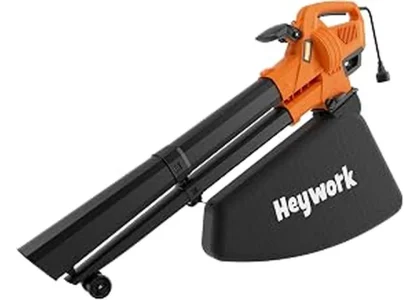
| Gas Blower/Vacuum | Large open areas and thick piles | Low physical strain |
| Mulching Mower | Light to moderate coverage | Medium (walking required) |
| Stand-up Rake | Detail work around flower beds | High physical strain |
| Leaf Shredder | Processing collected piles for compost | Low (stationary operation) |
This comparison highlights why hybrid approaches work best. You might use a mower for broad strokes and a blower for edges. Always maintain your equipment before starting the season to prevent mid-job breakdowns.
Tip: Check local noise ordinances before operating gas blowers early in the morning. Many municipalities restrict decibel levels during residential quiet hours.
How to Prepare Your Lawn Before Cleanup?
Preparation prevents damage to grass roots and makes removal smoother. Do not wait until the last minute when leaves are wet and matted. Dry leaves slide off the turf easily, whereas wet ones stick and tear the grass blades.
Mow the lawn slightly shorter than usual before beginning cleanup. This exposes more leaf surface area and reduces the volume of material sitting on top. It also helps the mulcher process leaves faster if you choose that route.
Ensure sprinklers are turned off at least 48 hours prior to working.
- Clear obstacles like toys, hoses, and garden furniture from the work zone.
- Mark hidden objects such as rocks or dog waste bags with flags.
- Inspect your mower blade sharpness; dull blades chop rather than mulch.
- Wear protective gear including safety glasses and ear protection.
- Plan your exit strategy so you do not walk over already cleaned areas.
- Check weather forecasts to avoid rain interrupting your progress.
Taking thirty minutes to prepare can save hours of frustration later. A cluttered workspace slows down movement and increases the risk of injury. Keep pathways clear for easy transport of debris bins or tarps.
🍂 The Silent Lawn Killer: Damp Leaves Will Suffocate Your Grass
Trapped wet leaves create a breeding ground for destructive snow mold. Clear the yard fast with a high-power cordless blower before the ground freezes.
Why Mulching Is Better Than Bagging?
Mulching involves leaving shredded leaves on the lawn rather than removing them entirely. According to the American Society of Landscape Architects, this practice improves soil structure and water retention. It acts as a natural fertilizer, releasing nutrients as it decomposes.
You do not need to remove every single leaf to keep your lawn healthy. Experts suggest that a layer of leaves less than three inches deep can be safely mulched. The key is shredding them finely enough so they settle between grass blades.
This allows sunlight and air to reach the turf below.
- Set your mower deck to the highest setting initially.
- Run over the lawn in multiple directions to ensure even chopping.
- Observe the residue size; it should look like confetti, not whole leaves.
- If clumps remain, lower the deck height and make another pass.
- Rake remaining large pieces only if they smother the grass.
Beware of excessive accumulation. If leaves form a dense mat, they block light and cause fungal diseases. In these cases, partial removal is necessary.
Focus on high-traffic areas first, then tackle corners and edges. This method reduces landfill waste significantly.
🍂 The Silent Lawn Killer: Damp Leaves Will Suffocate Your Grass
Trapped wet leaves create a breeding ground for destructive snow mold. Clear the yard fast with a high-power cordless blower before the ground freezes.
Warning: Never mulch wet leaves. They will clog your mower chute immediately and create dangerous slipping hazards on slopes.
How to Blow and Pile Leaves Effectively?
When mulching isn’t enough, blowing becomes the primary tool for consolidation. Work systematically from the center of the yard outward. Create windrows by directing airflow along parallel lines.
This concentrates scattered leaves into linear ridges.
Once rows are formed, cross-cut them perpendicularly to gather larger piles. Aim for piles no bigger than five feet in diameter. Smaller piles are easier to vacuum or rake into containers.
Large heaps tend to shift in the wind and require constant correction.
- Start at the farthest corner from your disposal site.
- Keep the nozzle close to the ground for maximum control.
- Use short bursts to lift stuck leaves rather than continuous pressure.
- Walk backward slowly to monitor pile formation behind you.
- Avoid blowing leaves onto neighboring properties to maintain good relations.
- Clean intake filters regularly to maintain suction power.
Efficiency drops when technique fails. Rushing leads to missed spots and uneven distribution. Patience pays off here.
🍂 The Silent Lawn Killer: Damp Leaves Will Suffocate Your Grass
Trapped wet leaves create a breeding ground for destructive snow mold. Clear the yard fast with a high-power cordless blower before the ground freezes.
Take your time forming neat stacks. These stacks serve as intermediate storage before final removal or composting. Proper piling minimizes re-handling efforts later in the day.
What Is the Fastest Way to Dispose of Collected Leaves?
Disposal options vary based on municipal rules and personal resources. Curbside pickup is convenient but often limited in quantity. Many cities charge extra for bulk organic waste beyond specific allowances.
Verify local guidelines before assuming free service exists.
Composting offers environmental benefits and creates valuable garden amendment. Build a bin system or use tumblers for accelerated decomposition. Mix green materials like grass clippings with brown leaves for optimal carbon-nitrogen ratios.
Turn the pile weekly to aerate and speed up breakdown.
🍂 The Silent Lawn Killer: Damp Leaves Will Suffocate Your Grass
Trapped wet leaves create a breeding ground for destructive snow mold. Clear the yard fast with a high-power cordless blower before the ground freezes.
| Method | Cost | Environmental Impact |
|---|---|---|
| Curbside Pickup | Free to Low Fee | Moderate (transport emissions) |
| Home Composting | One-time setup cost | Positive (soil enrichment) |
| Drop-off Center | Variable fees | Neutral to Positive |
| Professional Service | High ($100+ per visit) | Negative (fuel consumption) |
Hiring professionals removes physical burden but adds expense. Calculate hourly rates against DIY time investment. For one acre, expect quotes ranging from $150 to $300 depending on region.
Compare this against equipment rental costs if doing it yourself.
Important: Some regions ban burning leaves due to air quality concerns. Always check state forestry department regulations before considering incineration.
How Often Should You Clean Up a One-Acre Property?
Frequency depends on tree species and seasonal patterns. Deciduous trees drop leaves gradually over weeks. Waiting too long results in massive accumulation that overwhelms capacity.
Weekly checks during peak fall months prevent crisis scenarios.
Monitor forecast trends closely. Windstorms accelerate dropping rates unexpectedly. Adjust schedule dynamically rather than sticking rigidly to calendars.
🍂 The Silent Lawn Killer: Damp Leaves Will Suffocate Your Grass
Trapped wet leaves create a breeding ground for destructive snow mold. Clear the yard fast with a high-power cordless blower before the ground freezes.
Early intervention keeps volumes manageable. Late-season cleanups catch lingering stragglers before winter sets in.
- Perform initial sweep after first major frost event.
- Schedule secondary cleanup two weeks later for second wave.
- Conduct final thorough inspection before snowfall predictions.
- Spot-clean under evergreens year-round if needles accumulate.
- Review neighbor activities; shared fences may transfer debris.
- Track timing logs to refine future planning accuracy.
Consistency beats intensity. Small regular sessions yield better outcomes than rare marathon efforts. Prevent burnout by spreading tasks across multiple days.
Involve family members or friends for social accountability. Shared responsibility lightens individual load substantially.
Frequently Asked Questions
Can I leave all my leaves on the lawn?
No, you cannot leave unshredded leaves intact. They block sunlight and trap moisture, leading to mold and dead grass patches. Only finely mulched leaves should remain on the turf.
Is renting a commercial leaf vac worth it?
For one acre, yes, especially if you have many trees. Commercial units handle wetter conditions better than consumer models. Rental costs typically range from $50 to $100 daily, saving significant labor time.
🍂 The Silent Lawn Killer: Damp Leaves Will Suffocate Your Grass
Trapped wet leaves create a breeding ground for destructive snow mold. Clear the yard fast with a high-power cordless blower before the ground freezes.
Do I need special permits for curbside leaf pickup?
Policies vary by municipality. Some require bundling leaves in paper bags, others allow loose piles. Contact your local public works department for specific submission guidelines before placing debris out.
How do I protect new sod from falling leaves?
Cover young lawns with breathable burlap sheets during peak drop periods. Secure edges tightly to prevent wind displacement. Remove covers promptly once temperatures stabilize to avoid suffocation risks.
Are metal rakes better than plastic for large yards?
Metal tines dig deeper into compacted mats but scratch hardscaping surfaces. Plastic flexes gently over delicate plants. Choose adjustable head designs for versatility across different terrain types encountered during cleanup operations.
Final Thoughts
Managing leaves on a one-acre property demands patience and proper tools. Prioritize mulching wherever feasible to nourish your soil naturally. Combine mechanical assistance with systematic zoning techniques to maximize efficiency throughout the autumn season.