

Last Updated on October 21, 2026 by D. Ruddy
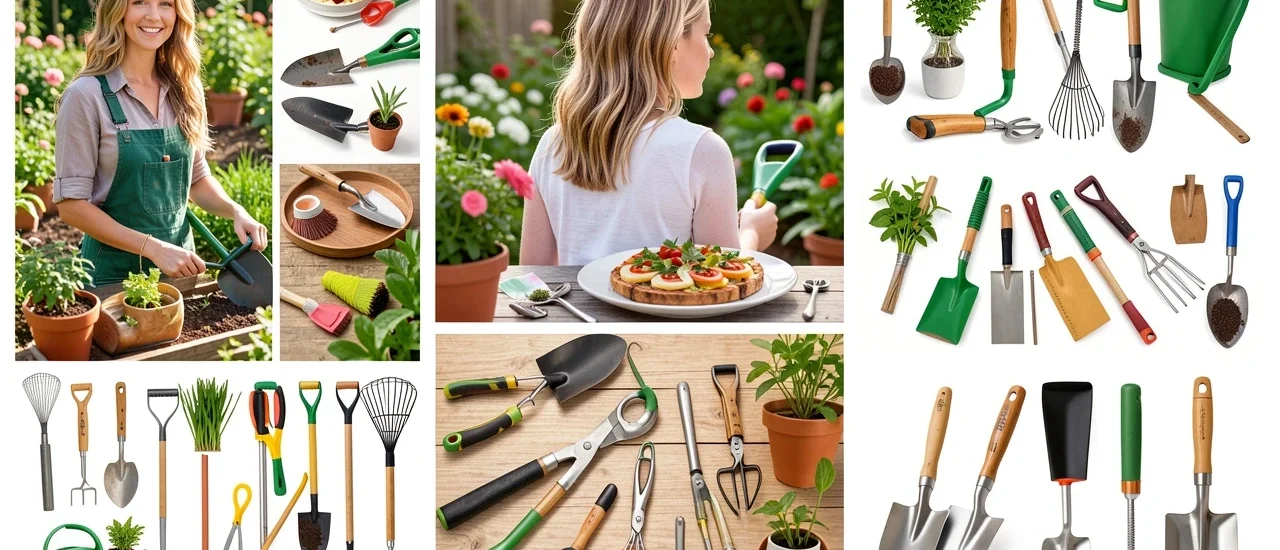
Every gardener needs the right equipment to maintain a beautiful and productive outdoor space. A well-organized list of garden tools ensures you have everything from basic hand tools to specialized equipment for planting, pruning, and soil preparation. Whether you’re a beginner or a seasoned green thumb, the right tools make tasks easier and more efficient.
The most essential garden tools include a hand trowel, pruners, garden fork, rake, and watering can. These basics cover planting, weeding, soil aeration, and maintenance for most home gardens.
Hand Trowel and Transplanter
A hand trowel is the workhorse of any list of garden tools. Perfect for digging small holes, transplanting seedlings, and mixing in fertilizer, it’s a must-have for every gardener. Choose one with a comfortable grip and durable stainless steel blade to resist rust and wear.
Transplanters, slightly larger than trowels, are ideal for moving larger plants or working in deeper soil. Their long, narrow blades reduce root disturbance during transplanting.
🍂 The Silent Lawn Killer: Damp Leaves Will Suffocate Your Grass
Trapped wet leaves create a breeding ground for destructive snow mold. Clear the yard fast with a high-power cordless blower before the ground freezes.
- Durable materials: Stainless steel or forged carbon steel heads
- Ergonomic handles: Cushioned grips for comfort during extended use
- Measurement markings: Some models include depth indicators for precise planting
- Versatility: Useful for planting, weeding, and mixing soil amendments
- Size options: Available in various widths for different plant sizes
| Feature | Hand Trowel | Transplanter |
|---|---|---|
| Blade Shape | Wider, rounded | Longer, narrower |
| Best For | Small holes, weeding | Deep planting, seedlings |
| Typical Length | 10-12 inches | 12-15 inches |
Best For: Gardeners who need precision for planting annuals, vegetables, and small perennials.
Pruning Shears and Loppers
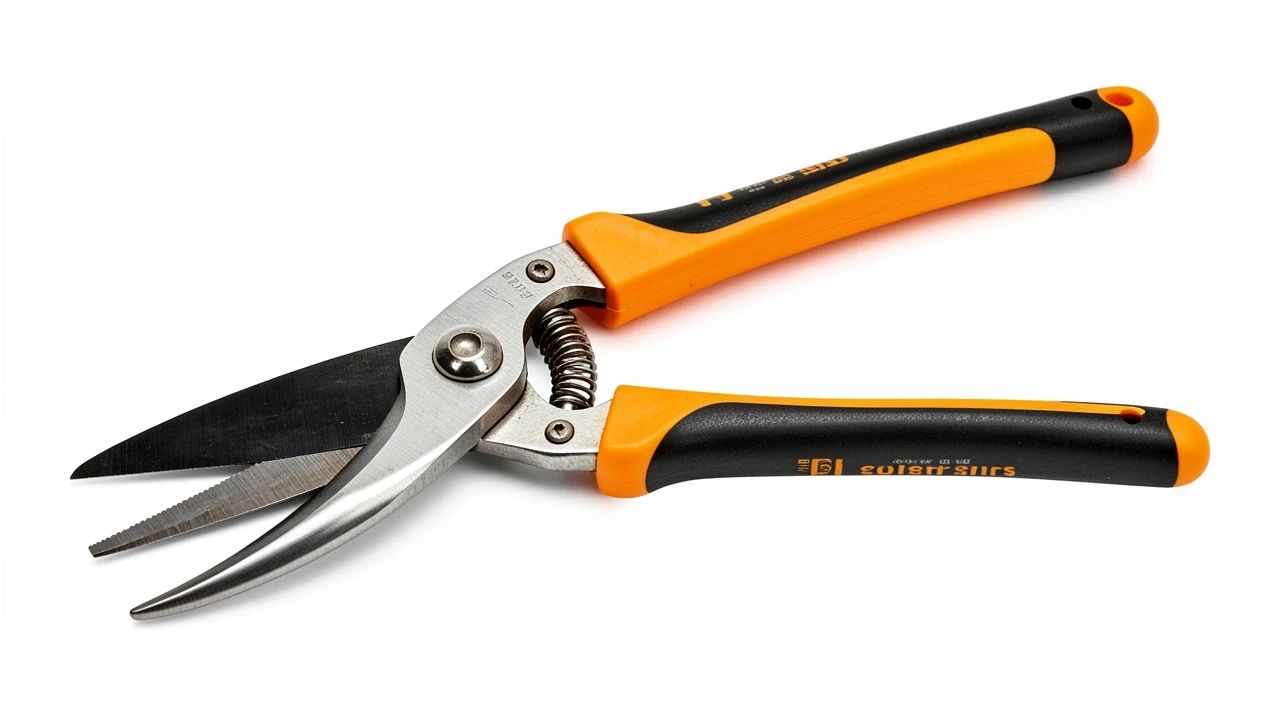
No list of garden tools is complete without quality pruning tools. Pruning shears are essential for maintaining plant health by removing dead or overgrown branches. They come in two main types: bypass (scissor-like action) and anvil (crushing action).
Bypass shears are best for live plants as they make cleaner cuts.
Loppers are the heavy-duty version for thicker branches up to 2 inches in diameter. Their long handles provide extra leverage for cutting through tougher wood. Like shears, they come in bypass and anvil styles.
🍂 The Silent Lawn Killer: Damp Leaves Will Suffocate Your Grass
Trapped wet leaves create a breeding ground for destructive snow mold. Clear the yard fast with a high-power cordless blower before the ground freezes.
Tip: Always clean your pruning tools with rubbing alcohol between plants to prevent disease spread. Sharpen blades regularly for clean cuts that heal faster.
- Bypass Pruners: Ideal for precise cuts on live plants
- Anvil Pruners: Better for dead wood but can crush live stems
- Ratchet Pruners: Easier for those with less hand strength
- Hedge Shears: For shaping hedges and shrubs
- Loppers: Long-handled for thick branches
- Pruning Saws: For branches too thick for loppers
| Tool | Cutting Capacity | Best For |
|---|---|---|
| Hand Pruners | Up to 3/4 inch | Small branches, flowers |
| Loppers | Up to 2 inches | Medium branches, shrubs |
| Pruning Saw | 2+ inches | Large branches, trees |
Best For: Maintaining plant health, shaping shrubs, and controlling growth patterns.
Garden Fork and Spade
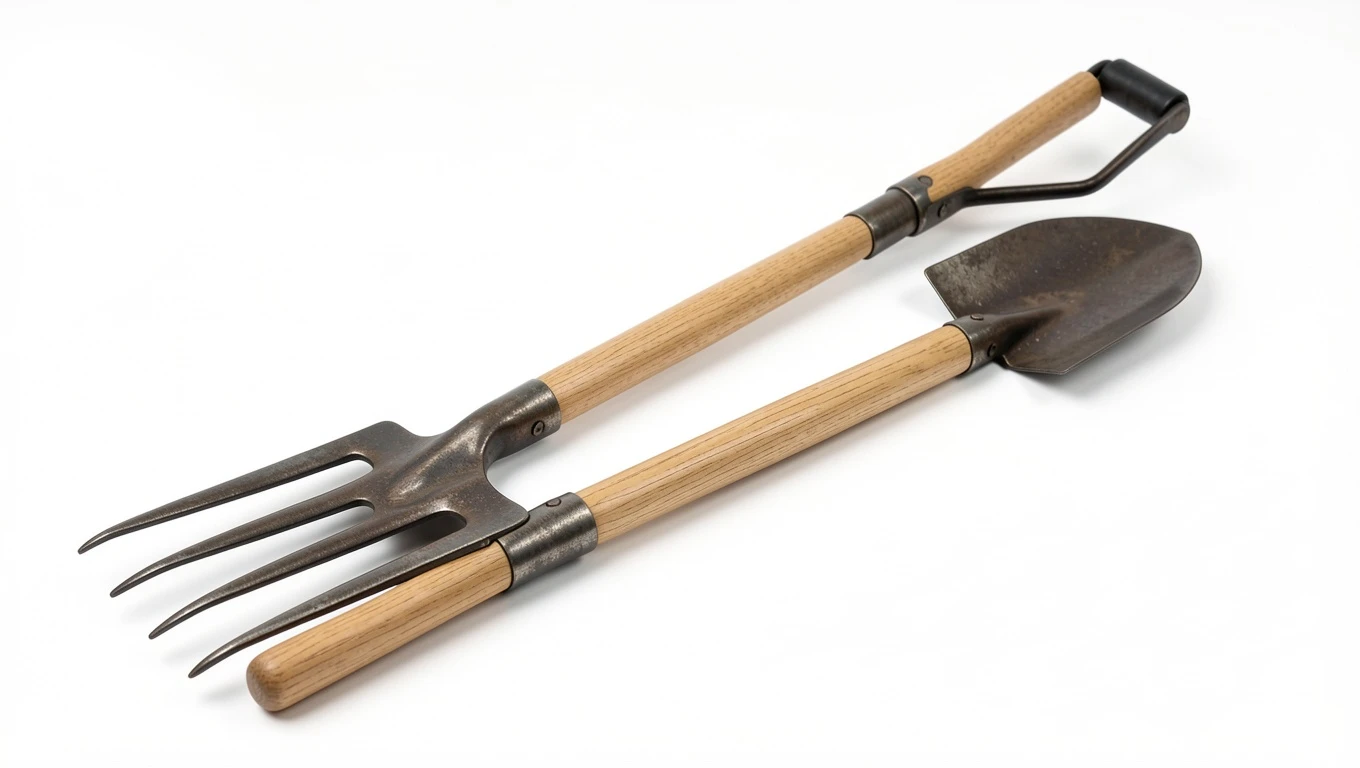
For any serious gardener, a garden fork and spade are indispensable in your list of garden tools. The garden fork, with its sturdy tines, excels at breaking up compacted soil and turning compost into garden beds. Unlike a spade, it penetrates the soil more easily, especially in clay-heavy areas.
A spade, with its flat blade, is perfect for edging lawns, digging trenches, and moving soil. The blade’s sharp edge allows for clean cuts through sod and roots. Some modern designs feature serrated edges for cutting through tough roots.
🍂 The Silent Lawn Killer: Damp Leaves Will Suffocate Your Grass
Trapped wet leaves create a breeding ground for destructive snow mold. Clear the yard fast with a high-power cordless blower before the ground freezes.
- Garden Fork Uses:
- Aerating soil without disturbing plant roots
- Mixing in organic matter
- Turning compost piles
- Harvesting root vegetables like potatoes
- Spade Uses:
- Creating clean edges for garden beds
- Digging planting holes for larger plants
- Moving and shaping soil
- Cutting through sod
Warning: Never use a garden fork as a lever to pry up large rocks or stumps – this can bend or break the tines. Use the right tool for the job to maintain longevity.
According to the National Gardening Association, proper soil preparation with these tools can increase plant growth by up to 30% due to improved root penetration and nutrient absorption.
Best For: Soil preparation, planting, and maintaining garden beds.
Rakes and Hoes
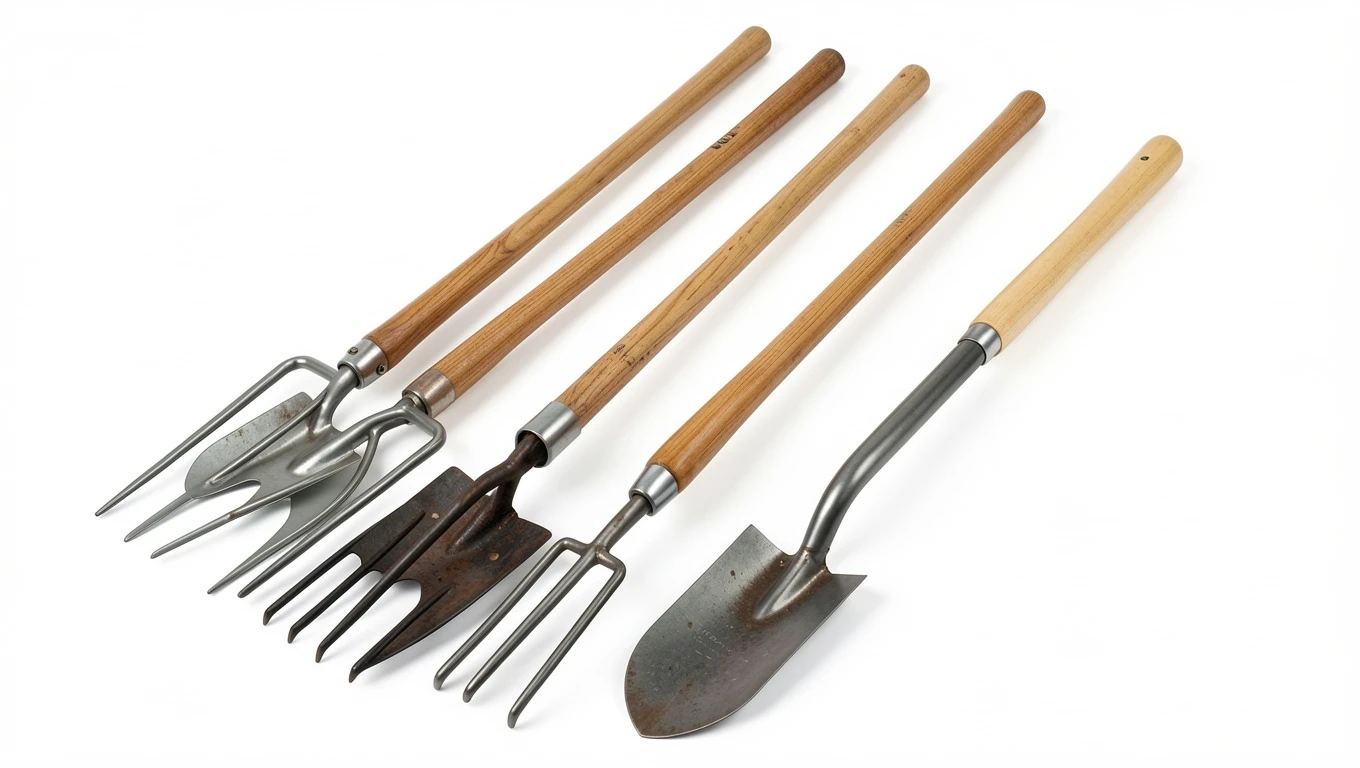
Rakes and hoes serve different but equally important purposes in your list of garden tools. A leaf rake with flexible tines is perfect for gathering leaves and light debris without damaging lawn grass. For heavier duties, a bow rake with stiff, metal tines can level soil, break up clods, and spread mulch.
🍂 The Silent Lawn Killer: Damp Leaves Will Suffocate Your Grass
Trapped wet leaves create a breeding ground for destructive snow mold. Clear the yard fast with a high-power cordless blower before the ground freezes.
Hoes come in various shapes for different tasks. A standard eye hoe is great for weeding, while a stirrup hoe slides just beneath the soil surface to cut weeds off at the roots. A Warren hoe, with its heart-shaped blade, is excellent for hilling potatoes and furrowing rows.
| Tool Type | Primary Use | Best Soil Type |
|---|---|---|
| Leaf Rake | Light debris collection | All types |
| Bow Rake | Soil leveling, spreading mulch | Loamy, sandy |
| Eye Hoe | Weeding, cultivating | Well-drained |
| Stirrup Hoe | Cutting weeds at roots | All types |
According to a study by the University of California Division of Agriculture and Natural Resources, regular weeding with a hoe can reduce weed competition by up to 90%, significantly improving crop yields in vegetable gardens.
Best For: Garden maintenance, weeding, and soil preparation.
Watering Tools
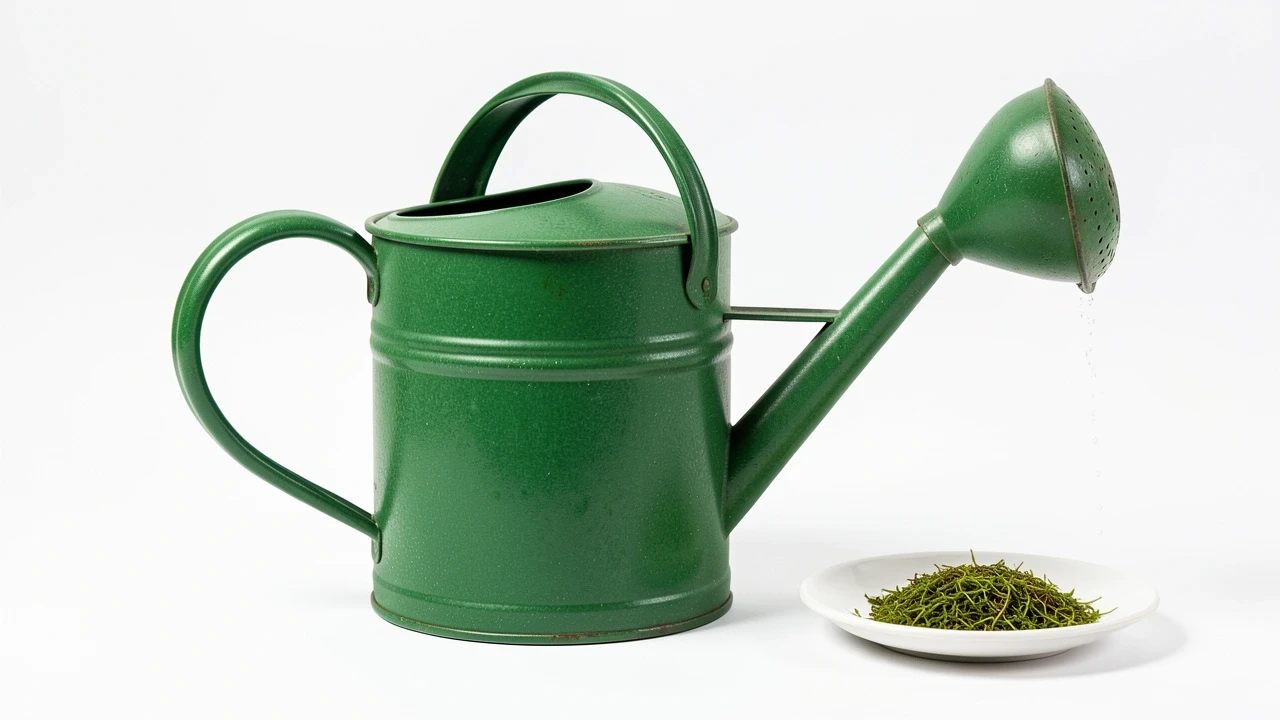
Proper watering is crucial for plant health, and having the right tools in your list of garden tools makes this task more efficient. A watering can is essential for spot-watering seedlings and container plants. Look for one with a removable rose (the perforated end) for gentle watering of delicate plants.
For larger areas, a garden hose with an adjustable nozzle provides versatility. Soaker hoses are excellent for deep watering at the root zone, reducing water waste through evaporation. Drip irrigation systems offer the most efficient water delivery, especially for vegetable gardens and perennial beds.
🍂 The Silent Lawn Killer: Damp Leaves Will Suffocate Your Grass
Trapped wet leaves create a breeding ground for destructive snow mold. Clear the yard fast with a high-power cordless blower before the ground freezes.
- Watering Can: 1-2 gallon capacity, balanced design for easy carrying
- Garden Hose: 50-100 feet, kink-resistant, with adjustable spray patterns
- Soaker Hose: Porous material for slow, deep watering
- Drip Irrigation: Customizable systems for precise water delivery
- Hose Reel: Keeps hoses organized and tangle-free
- Rain Gauge: Tracks natural rainfall to adjust watering schedules
Important: Water plants early in the morning to reduce evaporation and prevent fungal diseases. Aim to provide about 1 inch of water per week, including rainfall, for most plants.
The Environmental Protection Agency reports that efficient watering practices can reduce outdoor water use by 20-50%, making these tools not just good for your garden but for water conservation as well.
Best For: Maintaining proper moisture levels for all types of plants.
Wheelbarrows and Garden Carts
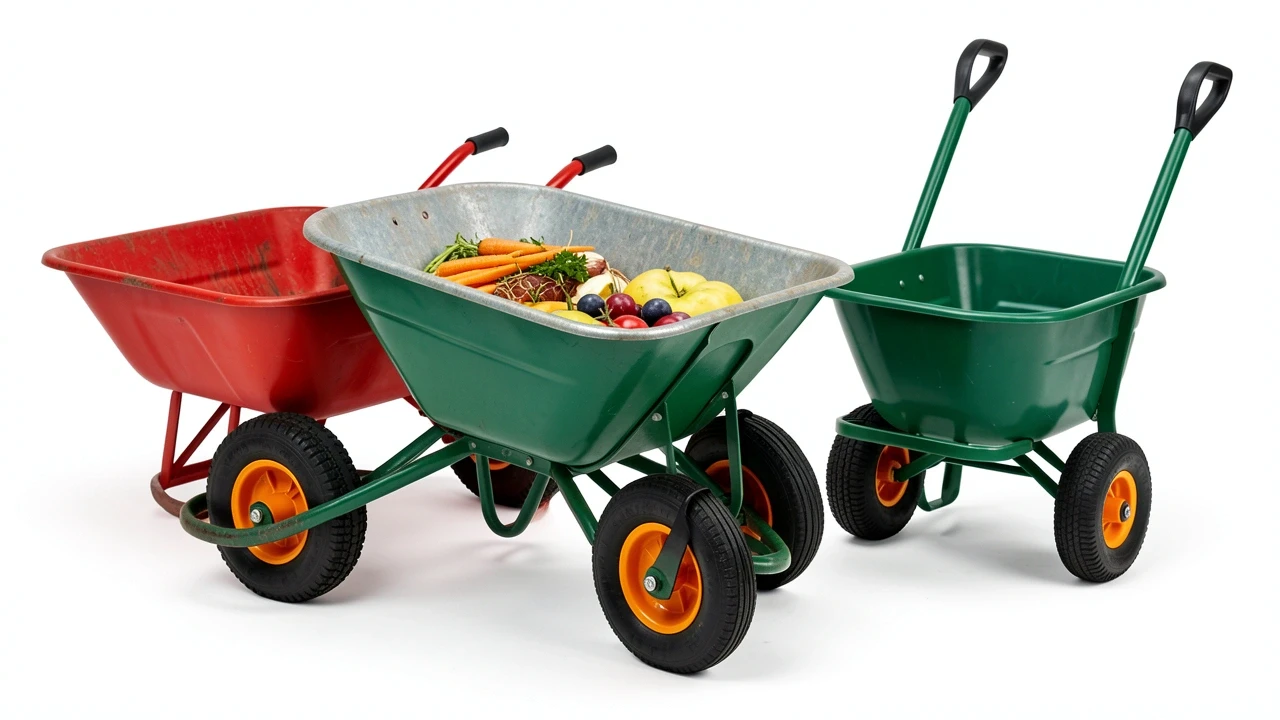
Moving materials around your garden becomes effortless with wheelbarrows and garden carts in your list of garden tools. A traditional wheelbarrow with a single wheel offers excellent maneuverability in tight spaces. For heavier loads or uneven terrain, a two-wheeled garden cart provides better stability and can carry more weight.
Modern designs include collapsible models for easy storage and electric-powered carts for those with large properties. Consider the capacity you need – standard wheelbarrows typically hold 2-6 cubic feet, while garden carts can handle 4-8 cubic feet or more.
🍂 The Silent Lawn Killer: Damp Leaves Will Suffocate Your Grass
Trapped wet leaves create a breeding ground for destructive snow mold. Clear the yard fast with a high-power cordless blower before the ground freezes.
| Feature | Wheelbarrow | Garden Cart |
|---|---|---|
| Wheels | 1 (sometimes 2) | 2 or 4 |
| Capacity | 2-6 cubic feet | 4-8+ cubic feet |
| Maneuverability | Excellent in tight spaces | Better on uneven terrain |
| Stability | Less stable with heavy loads | More stable |
Best For: Transporting soil, mulch, plants, tools, and other garden materials.
Gloves and Knee Pads
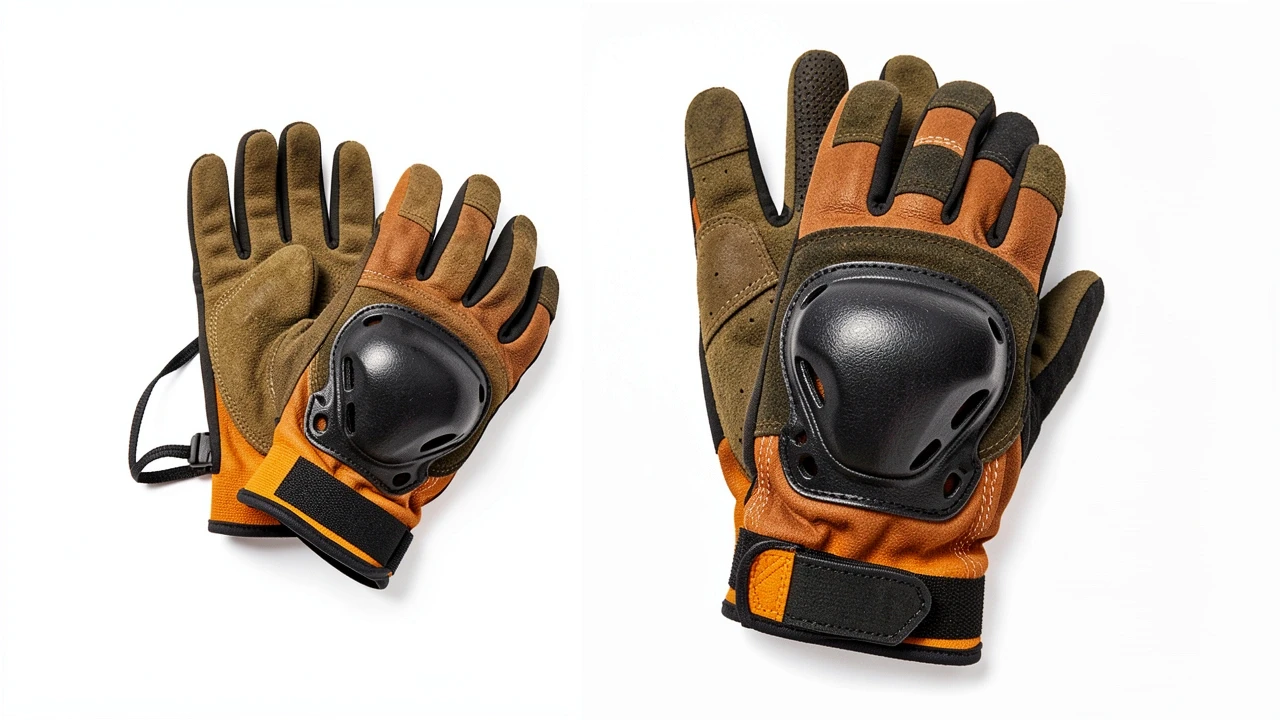
Protective gear is often overlooked but essential in any comprehensive list of garden tools. Quality gardening gloves protect your hands from thorns, blisters, and harsh chemicals. Look for gloves made from durable materials like leather or synthetic fabrics with reinforced palms and fingers.
Knee pads or a kneeling mat are invaluable for tasks that require working close to the ground. They prevent knee strain and provide cushioning against hard or uneven surfaces. Some advanced models even come with built-in tool pouches for convenience.
- Material Options for Gloves:
- Leather: Durable and protective but less breathable
- Cotton: Breathable but less protective
- Nitrile-coated: Waterproof with good grip
- Neoprene: Chemical-resistant for pesticide handling
- Knee Protection Types:
- Knee pads: Strap-on protection for mobility
- Kneeling mat: Portable cushion for stationary work
- Kneeler seat: Combines cushion with storage
Tip: Choose gloves with extended cuffs to protect your wrists from scratches and sun exposure. For thorny plants like roses, opt for gauntlet-style gloves that extend to the forearm.
According to the American Society for Surgery of the Hand, proper hand protection can prevent up to 70% of gardening-related hand injuries, making gloves a crucial safety investment.
🍂 The Silent Lawn Killer: Damp Leaves Will Suffocate Your Grass
Trapped wet leaves create a breeding ground for destructive snow mold. Clear the yard fast with a high-power cordless blower before the ground freezes.
Best For: Personal protection and comfort during all gardening tasks.
Specialty Tools for Advanced Gardeners
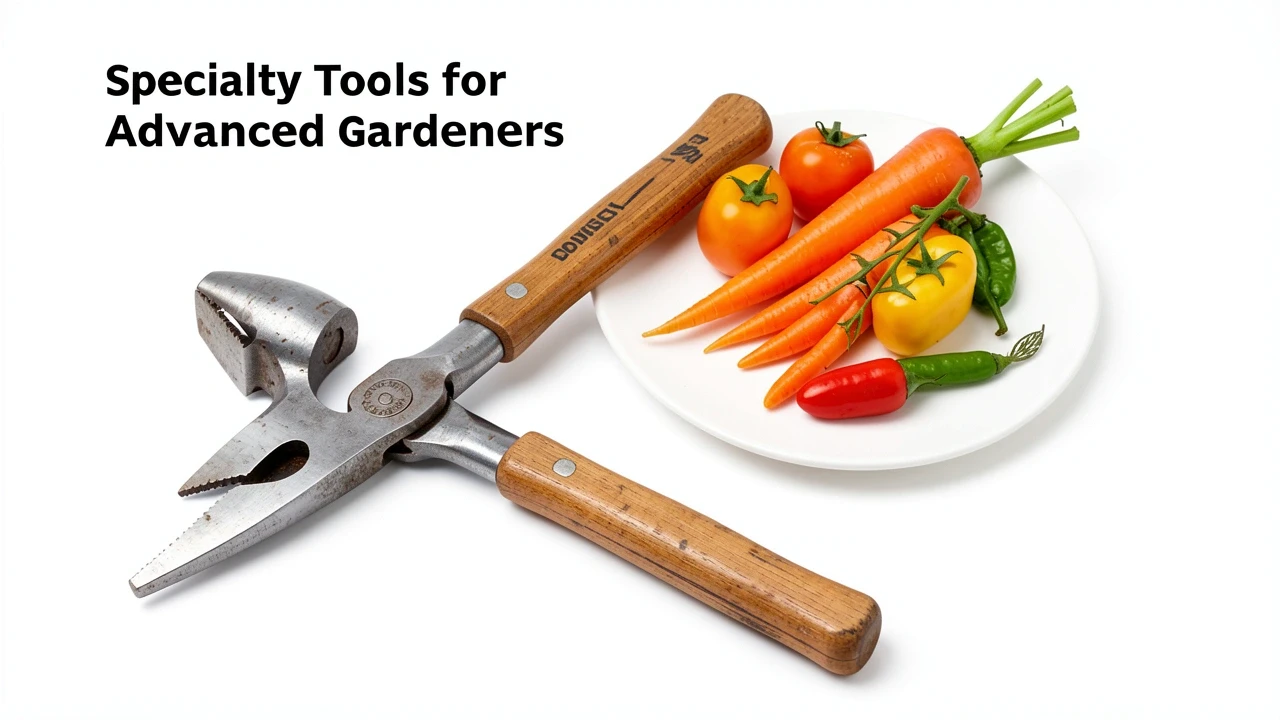
Once you’ve mastered the basics in your list of garden tools, consider adding some specialty tools for more advanced gardening tasks. A soil pH tester helps monitor soil acidity, crucial for plants with specific pH requirements like blueberries or azaleas. A garden weasel or broadfork can make light work of breaking up compacted soil without disturbing the soil structure.
For precise planting, a bulb planter creates perfect holes for bulbs at the correct depth. A grafting knife is essential for propagating plants through grafting. And for those with fruit trees, a fruit picker with an extended handle saves you from precarious ladder work.
- Soil Testing Tools:
- pH meters (digital or analog)
- Soil moisture meters
- Complete soil test kits
- Planting Aids:
- Bulb planters
- Seedling trays
- Dibbers for making planting holes
- Specialized Pruners:
- Floral snips for delicate cuts
- Hedge shears for shaping
- Pole pruners for high branches
- Harvesting Tools:
- Fruit pickers
- Berry harvesters
- Root crop diggers
Best For: Gardeners looking to expand their capabilities and tackle more specialized tasks.
Frequently Asked Questions
What are the most essential garden tools for beginners?
Beginners should start with a hand trowel, pruning shears, garden fork, rake, and watering can. These five tools cover most basic gardening tasks from planting to maintenance. As you gain experience, you can add more specialized tools to your collection.
🍂 The Silent Lawn Killer: Damp Leaves Will Suffocate Your Grass
Trapped wet leaves create a breeding ground for destructive snow mold. Clear the yard fast with a high-power cordless blower before the ground freezes.
How do I maintain my garden tools to make them last longer?
Clean tools after each use to remove dirt and sap, then dry them thoroughly to prevent rust. Sharpen cutting tools regularly and apply a light coat of oil to metal parts. Store tools in a dry place, either hanging or in a tool organizer to prevent damage.
What’s the difference between a spade and a shovel?
A spade has a flat, often squared-off blade designed for cutting and edging, making it ideal for working with soil and creating clean edges. A shovel has a curved, concave blade for scooping and moving loose materials like soil, mulch, or gravel.
Do I need different tools for vegetable gardening vs. flower gardening?
While many tools overlap, vegetable gardens often benefit from specialized tools like a hoe for weeding rows, a dibber for planting seeds at precise depths, and a harvest basket. Flower gardens might require more pruning tools and delicate plant supports.
How often should I replace my garden tools?
With proper care, quality garden tools can last a lifetime. However, you might need to replace handles if they crack or blades if they become too worn to sharpen. Inspect your tools annually and replace any that are damaged beyond repair or no longer function effectively.
Final Thoughts
Building a comprehensive list of garden tools is an investment in your gardening success. Start with the essentials and add specialized tools as your skills and garden grow. Remember that quality tools, properly maintained, will serve you well for years.
The right tools not only make gardening easier but also more enjoyable, allowing you to focus on the creative and rewarding aspects of nurturing your plants.
🍂 The Silent Lawn Killer: Damp Leaves Will Suffocate Your Grass
Trapped wet leaves create a breeding ground for destructive snow mold. Clear the yard fast with a high-power cordless blower before the ground freezes.




