Last Updated on October 23, 2026 by D. Ruddy
Applying fertilizer in the fall helps your lawn recover from summer stress and prepares it for winter. A common question homeowners ask is whether does fall lawn fertilizer need to be watered in to ensure it works effectively. The short answer is yes—watering in fertilizer activates the nutrients, allowing them to penetrate the soil and reach the grassroots where they’re needed most.
Yes, fall lawn fertilizer needs to be watered in after application. Watering helps dissolve the granules, carries nutrients into the soil, and prevents fertilizer burn. Aim for 0.25 to 0.5 inches of water within 24–48 hours for optimal results.
Why Watering In Fall Fertilizer Matters
Watering in fertilizer isn’t just a recommendation—it’s a critical step for several reasons. Fertilizer granules need moisture to break down and release nutrients into the soil. Without water, they may sit on the surface, leaving your lawn vulnerable to uneven growth or even damage from concentrated nutrients.
Additionally, watering in helps prevent fertilizer burn. When granules remain on grass blades, they can draw moisture out of the plant, causing brown patches. A thorough watering ensures the fertilizer reaches the root zone, where it can be absorbed efficiently.
- Activates nutrients by dissolving granules for soil absorption
- Prevents burn by washing fertilizer off grass blades
- Ensures even distribution across the lawn
- Boosts root uptake for stronger winter resilience
- Reduces runoff into storm drains or sidewalks
Tip: If rain is forecasted within 24 hours, you may skip manual watering. However, if no rain is expected, water your lawn thoroughly to activate the fertilizer.
How Much Water Does Fall Fertilizer Need
The amount of water required depends on the type of fertilizer and your soil conditions. Most granular fertilizers need about 0.25 to 0.5 inches of water to fully dissolve and soak into the soil. This is roughly equivalent to 30–60 minutes of light sprinkler use or a deep watering session with a hose.
To measure water depth, place a few empty tuna cans or rain gauges around your lawn. Turn on your sprinkler and time how long it takes to fill the cans to the desired depth. Adjust your watering schedule accordingly to ensure even coverage.
| Fertilizer Type | Water Needed (Inches) | Watering Time (Approx.) |
|---|---|---|
| Granular Slow-Release | 0.25–0.5 | 30–60 minutes |
| Liquid Fertilizer | 0.1–0.25 | 15–30 minutes |
| Organic Fertilizer | 0.5 | 45–60 minutes |
For best results, water in two stages: a light watering immediately after application to dissolve the granules, followed by a deeper watering 24 hours later to ensure the nutrients penetrate the root zone.
Best Time to Water After Applying Fertilizer
Timing is everything when it comes to watering in fertilizer. The ideal window is within 24–48 hours after application. Watering too soon (e.g., immediately) can cause the fertilizer to run off before it has a chance to dissolve, while waiting too long (beyond 48 hours) may leave granules on the surface, increasing the risk of burn.
Early morning is the best time to water your lawn. This allows the water to soak into the soil before the heat of the day causes evaporation. Avoid watering in the evening, as prolonged moisture on grass blades can promote fungal diseases like brown patch or dollar spot.
- Within 24 hours: Light watering to dissolve granules
- 24–48 hours later: Deep watering to push nutrients into the soil
- Avoid midday: Prevents evaporation and water waste
- Skip evening watering: Reduces risk of fungal growth
- Check weather forecasts: Adjust if rain is expected
Warning: Never water fertilizer in right before heavy rain. Excessive water can wash away nutrients before they’re absorbed, reducing effectiveness.
Signs Your Lawn Needs Water After Fertilizing
Not sure if your lawn has received enough water? Look for these visual cues. If the fertilizer granules are still visible on the grass blades or soil surface after 24 hours, you haven’t watered enough.
Similarly, if the lawn appears dry or the soil feels crusty, additional watering is needed.
Another sign is uneven green patches. If parts of your lawn are greener than others, it may indicate that water—and thus fertilizer—hasn’t been evenly distributed. Finally, if you notice brown or yellow spots, this could signal fertilizer burn from insufficient watering.
| Sign | What It Means | Action Needed |
|---|---|---|
| Visible granules on grass | Fertilizer hasn’t dissolved | Water immediately |
| Dry, crusty soil | Water hasn’t penetrated | Deep watering session |
| Uneven green patches | Uneven water distribution | Re-water and check sprinkler coverage |
| Brown or yellow spots | Potential fertilizer burn | Rinse affected area and water deeply |
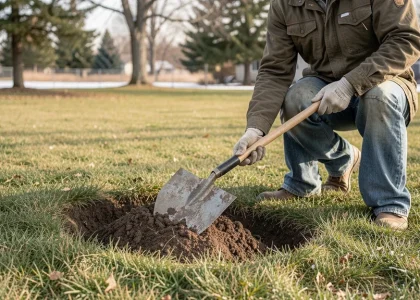
If you’re unsure, perform a simple soil test. Dig a small hole 2–3 inches deep. If the soil is dry at this depth, your lawn needs more water to help the fertilizer reach the roots.
Common Mistakes to Avoid When Watering In Fertilizer
Even with the best intentions, it’s easy to make mistakes when watering in fertilizer. One of the most common errors is overwatering, which can wash away nutrients before they’re absorbed. Another mistake is watering too lightly, leaving granules on the surface where they can cause burn.
Timing mistakes are also frequent. Watering in the heat of the day leads to rapid evaporation, while evening watering can promote fungal growth. Additionally, skipping the second watering session (24–48 hours later) can prevent the fertilizer from fully reaching the root zone.
- Overwatering: Can leach nutrients out of the soil
- Underwatering: Leaves granules on the surface, risking burn
- Midday watering: Wastes water due to evaporation
- Evening watering: Encourages fungal diseases
- Skipping the second watering: Prevents deep nutrient penetration
- Ignoring weather forecasts: Rain can replace manual watering, but heavy downpours can wash fertilizer away
Important: If you accidentally overwater, pause watering for a day or two to let the soil dry slightly. This helps prevent nutrient runoff and allows the roots to absorb what’s already in the soil.
How to Water In Fertilizer for Different Lawn Types
Not all lawns have the same watering needs. Cool-season grasses like Kentucky bluegrass, fescue, and ryegrass thrive in fall and benefit from consistent moisture. Warm-season grasses like Bermuda, Zoysia, and St.
Augustine, on the other hand, may require less frequent but deeper watering to encourage root growth before winter dormancy.
Additionally, soil type plays a role. Sandy soils drain quickly and may need more frequent, lighter watering sessions. Clay soils retain moisture longer, so deeper, less frequent watering is often sufficient.
Loamy soils—ideal for most lawns—balance drainage and retention well.
| Grass Type | Watering Frequency | Water Depth (Inches) |
|---|---|---|
| Cool-Season (KBG, Fescue, Rye) | Every 2–3 days | 0.25–0.5 |
| Warm-Season (Bermuda, Zoysia) | Every 3–4 days | 0.5–0.75 |
| Sandy Soil | Every 1–2 days | 0.25 |
| Clay Soil | Every 4–5 days | 0.5–0.75 |
For newly seeded lawns, keep the soil consistently moist (but not soggy) for the first 2–3 weeks to help germination. Once the grass reaches 2–3 inches tall, you can follow the standard watering guidelines for your grass type.
Tools and Techniques for Effective Watering
Using the right tools can make watering in fertilizer more efficient and effective. A sprinkler system with adjustable heads ensures even coverage, while a garden hose with a spray nozzle allows for targeted watering. For larger lawns, consider a smart irrigation system that adjusts watering based on weather forecasts and soil moisture levels.
Soil moisture sensors can also be helpful. These devices measure the moisture content at root level and alert you when watering is needed. Additionally, rain gauges help track natural precipitation, so you can adjust your watering schedule accordingly.
- Sprinkler systems: Best for large lawns; ensure even coverage
- Garden hose with spray nozzle: Ideal for small lawns or spot watering
- Smart irrigation controllers: Automate watering based on weather and soil conditions
- Soil moisture sensors: Monitor root-level moisture to prevent over- or under-watering
- Rain gauges: Track natural rainfall to adjust manual watering
- Drip irrigation: Efficient for watering specific areas without runoff
Tip: If using a sprinkler, place a few empty cans around your lawn to measure water depth. This ensures you’re applying the right amount evenly across the entire area.
Frequently Asked Questions
Can I rely on rain to water in my fall fertilizer?
Yes, if rain is forecasted within 24–48 hours of application, you can skip manual watering. However, if the rain is light (less than 0.25 inches), you may still need to supplement with additional watering to ensure the fertilizer dissolves and penetrates the soil.
What happens if I don’t water in my fall fertilizer?
If you don’t water in fertilizer, the granules may remain on the surface, increasing the risk of fertilizer burn. Additionally, the nutrients won’t reach the root zone, reducing the effectiveness of the fertilizer and potentially wasting your investment.
How do I know if my lawn has fertilizer burn?
Fertilizer burn typically appears as brown or yellow patches in your lawn, often in the shape of the spreader pattern. These spots may feel crispy or dry to the touch. If you notice these signs, rinse the affected area with water and water deeply to dilute the fertilizer.
Should I water in fertilizer before or after mowing?
Always water in fertilizer after mowing. Mowing first ensures the grass blades are short enough to allow the fertilizer to reach the soil. If you fertilize before mowing, the granules may get caught in the mower and scattered unevenly.
Can I water in fertilizer with a hose-end sprayer?
Yes, a hose-end sprayer can be effective for watering in liquid fertilizers. However, for granular fertilizers, it’s best to use a sprinkler or hose to ensure even distribution and thorough coverage. A hose-end sprayer may not provide enough water volume to dissolve granules properly.
Final Thoughts
Watering in fall lawn fertilizer is a crucial step to ensure your lawn gets the nutrients it needs to thrive. By activating the fertilizer, preventing burn, and promoting even distribution, you’ll set your grass up for a healthy winter and a lush spring. Remember to water within 24–48 hours, use the right amount of water for your grass type, and avoid common mistakes like overwatering or watering at the wrong time.