Last Updated on October 11, 2026 by D. Ruddy
Choosing between a battery and gas snow blower for wet snow depends heavily on your specific clearing needs, budget, and patience for maintenance. Wet snow is dense and heavy, placing extreme stress on the auger and impeller mechanisms of any machine. This guide breaks down performance, runtime, and cost to help you make the right call before the next storm hits.
Simply put, gas blowers offer unlimited runtime and superior torque for deep, heavy wet snow piles. Battery models excel in convenience and noise reduction but may struggle with very large volumes unless using high-end commercial-grade packs. For most residential driveways under six inches, modern batteries are sufficient. For larger areas or deeper accumulation, gas remains the reliable workhorse.
Key Takeaways
- Battery vs gas snow blower decisions hinge on area size and snow depth rather than just price.
- Gas engines provide consistent power delivery regardless of temperature drops affecting battery chemistry.
- Battery units require zero fuel mixing, oil changes, or spark plug replacements, saving long-term effort.
- Wet snow demands higher torque; ensure your chosen model has an adjustable shear pin system.
- Noise levels differ significantly, making battery options preferable for early morning or late-night clearing.
What Is the Impact of Wet Snow on Machine Performance?
Wet snow behaves differently than light, powdery flakes. It contains more water weight per cubic foot, often exceeding fifteen pounds per square foot when packed. This density creates significant friction against the chute and internal components.
A standard consumer-grade unit might stall or clog if not designed specifically for these conditions.
🍂 The Silent Lawn Killer: Damp Leaves Will Suffocate Your Grass
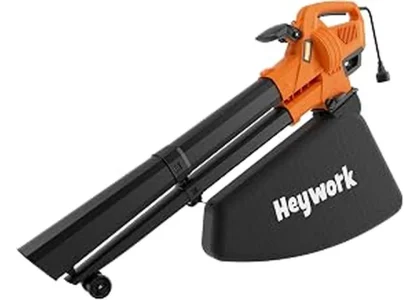
Trapped wet leaves create a breeding ground for destructive snow mold. Clear the yard fast with a high-power cordless blower before the ground freezes.
The auger must bite into this compacted mass without slipping. Gas engines typically deliver peak torque at lower RPMs, which helps maintain momentum through thick layers. Electric motors rely on instant torque, which is excellent for initial engagement but can drain batteries rapidly if the load becomes too heavy for extended periods.
- Wet snow sticks to metal surfaces, requiring frequent scraping of the chute interior.
- Dense ice chunks can damage plastic housings found in cheaper electric models.
- Higher amperage draw occurs when resistance increases, shortening effective run time.
- Gas engines do not suffer from voltage sag during heavy loads.
- Battery capacity decreases noticeably in temperatures below twenty degrees Fahrenheit.
How Does Battery Technology Handle Heavy Loads?
Modern lithium-ion cells have improved dramatically over the last decade. High-voltage systems now mimic the power curves of small gasoline engines. However, physics still applies.
When the auger encounters a wall of slushy snow, the motor draws maximum current. This heat generation reduces efficiency and overall lifespan of the pack if not managed correctly.
Manufacturers use smart controllers to regulate power distribution. These systems prevent overheating by throttling speed slightly when resistance spikes. While this protects the hardware, it may reduce throwing distance.
Users often notice that their “full charge” lasts only half as long during intense wet snow events compared to dry powder clearing.
| Feature | Battery Model | Gas Model |
|---|---|---|
| Startup Time | Instant push-button start | Pull cord required, may need choke adjustment |
| Noise Level | Quiet operation (under 70 dB) | Loud engine roar (85-95 dB) |
| Maintenance | Minimal, mostly blade sharpening | Oil changes, spark plugs, air filters |
| Runtime Limit | Fixed by battery amp-hours | Limited only by fuel tank size |
This table highlights the operational differences. Battery users gain immediate readiness but face hard stops when energy depletes. Gas operators endure startup hassle but enjoy continuous workflow until refueling is necessary.
🍂 The Silent Lawn Killer: Damp Leaves Will Suffocate Your Grass
Trapped wet leaves create a breeding ground for destructive snow mold. Clear the yard fast with a high-power cordless blower before the ground freezes.
Tip: Keep spare charged batteries warm indoors. Cold storage drastically reduces available capacity before you even begin clearing.
Why Do Gas Engines Still Dominate Large Areas?
For properties exceeding five thousand square feet, gas remains the pragmatic choice. The sheer volume of wet snow requires sustained mechanical force. Internal combustion engines convert chemical energy into kinetic motion efficiently over long durations.
They do not experience the gradual decline in power output seen in draining batteries.
Additionally, gas machines often feature wider intake paths. A thirty-inch dual-stage gas blower moves material faster than many single-stage battery counterparts. Speed matters when storms dump several inches per hour.
Slower clearing rates allow new snow to accumulate behind the machine, creating double-work situations.
- Larger displacement engines handle tough debris like branches or gravel better. Fuel availability is universal; no charging stations needed in remote locations.
- Repair parts for common gas brands are widely accessible at auto stores.
- Resale value tends to hold steady for well-maintained gas units.
- Heated handles and chutes are more commonly integrated into premium gas models.
Which Option Offers Better Long-Term Value?
Initial purchase price favors battery units for smaller capacities. However, total cost of ownership tells a different story. Gas engines consume fuel, oil, and replacement parts annually.
🍂 The Silent Lawn Killer: Damp Leaves Will Suffocate Your Grass
Trapped wet leaves create a breeding ground for destructive snow mold. Clear the yard fast with a high-power cordless blower before the ground freezes.
Battery packs degrade after three to five years of heavy cycling, necessitating expensive replacements.
Consider labor costs too. If spending ten minutes starting a cold engine frustrates you daily, that impacts willingness to clear promptly. Prompt clearing prevents compaction.
Compacted snow is harder to remove later. Therefore, ease of use indirectly saves money by reducing physical strain and potential property damage claims.
| Cost Factor | Battery Unit | Gas Unit |
|---|---|---|
| Upfront Price | $400 – $1,200 | $600 – $2,500+ |
| Annual Maintenance | ~$20 (blades/shoes) | ~$100+ (oil/fuel/parts) |
| Component Replacement | High ($150-$300 per pack) | Low/Medium (standard engine parts) |
| Lifespan Expectancy | 5-8 years (motor), 3-5 (battery) | 10-15 years with care |
Financial analysis shows gas wins on longevity. Battery wins on simplicity. Your decision should align with how long you plan to keep the equipment.
Warning: Never store gasoline inside the house or garage near ignition sources. Use approved containers and stabilize fuel if storing for more than thirty days.
How to Choose Based on Driveway Size?
Match the tool to the terrain precisely. Small walkways benefit immensely from lightweight maneuverability. Wide circular driveways demand raw throughput capacity.
🍂 The Silent Lawn Killer: Damp Leaves Will Suffocate Your Grass
Trapped wet leaves create a breeding ground for destructive snow mold. Clear the yard fast with a high-power cordless blower before the ground freezes.
Misjudging this leads to either wasted investment or inadequate performance during critical storms.
- Under 500 sq ft: Single-stage battery unit provides quick, easy cleanup.
- 500-1,500 sq ft: Two-stage battery with 60V+ system balances power and weight.
- 1,500-3,000 sq ft: Mid-range gas two-stage ensures completion before fatigue sets in.
- Over 3,000 sq ft: Commercial-grade gas three-stage machine minimizes passes required.
- Narrow alleys: Compact battery models fit where bulky gas frames cannot turn.
What Are Common Mistakes in Winter Equipment Selection?
Buyers often focus solely on horsepower ratings or voltages without considering actual usage patterns. Another error involves ignoring local climate nuances. Mild winters favor electric efficiency.
Harsh northern climates punish battery chemistry severely.
People also underestimate storage requirements. Gas needs winterization procedures every spring. Batteries need periodic topping off during summer months to prevent deep discharge death.
Neglecting either results in premature failure when needed most.
- Assuming all “wet snow rated” labels mean identical performance capabilities.
- Purchasing based on brand loyalty rather than specific model specs.
- Ignoring warranty terms regarding commercial versus residential use.
- Forgetting to check clearance height relative to uneven pavement surfaces.
- Overlooking accessory compatibility like mulching kits or bag attachments.
Frequently Asked Questions
Can I leave my battery snow blower outside in winter?
You can leave the machine outside, but you must bring the batteries indoors. Extreme cold damages lithium cells permanently if left exposed for prolonged periods. Store them in a cool, dry place away from direct freezing temps.
🍂 The Silent Lawn Killer: Damp Leaves Will Suffocate Your Grass
Trapped wet leaves create a breeding ground for destructive snow mold. Clear the yard fast with a high-power cordless blower before the ground freezes.
Is a gas snow blower worth it for occasional use?
If you live in an area with rare but heavy snowfall, gas might be excessive. The maintenance burden outweighs infrequent utility. In such cases, renting a gas unit for major storms while owning a small battery backup makes financial sense.
Do battery snow blowers lose power in cold weather?
Yes, they do. Chemical reactions slow down in low temperatures, reducing available energy output. Pre-warming batteries indoors immediately before use mitigates this effect significantly, restoring nearly full performance capacity.
Which is safer for homeowners with heart conditions?
Battery models are generally safer due to reduced vibration and noise stress. Starting a pull-cord gas engine requires sudden exertion. Push-button ignition eliminates this risk factor entirely for sensitive individuals.
How long does a typical battery last on one charge?
In ideal conditions, expect forty-five to sixty minutes. Under heavy wet snow load, this drops to twenty-five to thirty-five minutes. Always carry a spare pack to avoid being stranded mid-driveway during active precipitation.
Final Thoughts
Selecting the right battery vs gas snow blower ultimately rests on balancing convenience against raw capability. Wet snow presents unique challenges that test both technologies differently. Evaluate your average storm intensity and property dimensions honestly before committing funds.
Proper preparation ensures safety and satisfaction throughout the coldest months ahead.
🍂 The Silent Lawn Killer: Damp Leaves Will Suffocate Your Grass
Trapped wet leaves create a breeding ground for destructive snow mold. Clear the yard fast with a high-power cordless blower before the ground freezes.