Last Updated on October 22, 2026 by D. Ruddy
A thriving garden starts with the right knowledge and consistent care. Whether you’re growing flowers, vegetables, or herbs, knowing the top tips for a successful garden can transform your outdoor space into a lush, productive oasis. This guide covers essential techniques, from soil preparation to pest control, ensuring your plants flourish in any season.
You can achieve a successful garden by focusing on soil health, proper watering, and plant selection suited to your climate. Start small, stay consistent, and adjust care based on plant needs for the best results.
Why Soil Quality Is the Foundation of Garden Success
Healthy soil is the backbone of any successful garden. Without nutrient-rich, well-draining soil, plants struggle to grow, regardless of how much effort you put into watering or fertilizing. Soil provides essential minerals, water retention, and root stability, all of which directly impact plant health.
Testing your soil is a critical first step. You can use a home testing kit or send a sample to a local agricultural extension office. Aim for a slightly acidic to neutral pH (6.0–7.0), which suits most plants.
If your soil is too alkaline or acidic, amendments like lime (to raise pH) or sulfur (to lower pH) can help balance it.
Improving soil structure is just as important as adjusting its chemistry. Sandy soil drains too quickly, while clay soil retains too much water. The solution?
Organic matter. Adding compost, aged manure, or leaf mold enhances soil texture, improves drainage, and boosts nutrient content. Aim to mix in at least 2–3 inches of organic material into the top 6–8 inches of soil before planting.
Tip: Create your own compost pile using kitchen scraps, yard waste, and a balance of “greens” (nitrogen-rich materials like grass clippings) and “browns” (carbon-rich materials like dry leaves). Turn the pile every 1–2 weeks for faster decomposition.
- Signs of healthy soil: Dark color, crumbly texture, earthy smell, and visible earthworms.
- Common soil problems: Hardpan (compacted layer), poor drainage, lack of organic matter.
- Quick fixes: Add compost, avoid over-tiling, and use mulch to protect soil structure.
- Long-term solutions: Rotate crops, plant cover crops like clover, and minimize chemical fertilizers.
| Soil Type | Pros | Cons | Best For |
|---|---|---|---|
| Clay | Retains nutrients, holds moisture | Poor drainage, compacts easily | Plants that tolerate wet soil (e.g., willows, asters) |
| Sandy | Drains well, easy to work with | Low nutrient content, dries out quickly | Drought-tolerant plants (e.g., cacti, lavender) |
| Loamy | Ideal texture, good drainage, rich in nutrients | Can be expensive to create | Most garden plants (vegetables, flowers, shrubs) |
| Peaty | High in organic matter, retains moisture | Can be too acidic, decomposes over time | Acid-loving plants (e.g., blueberries, azaleas) |
According to the USDA, gardens with healthy soil can produce up to 30% more yield compared to those with poor soil conditions. Investing time in soil preparation always pays off.
How to Choose the Right Plants for Your Climate
Selecting plants that thrive in your local climate is one of the most effective tips for a successful garden. Plants adapted to your region’s temperature, humidity, and seasonal changes will require less maintenance and produce better results. Start by identifying your USDA Hardiness Zone, which divides North America into 13 zones based on average minimum winter temperatures.
Once you know your zone, research plants that are well-suited to it. For example, Zone 3–4 gardeners might focus on cold-hardy perennials like coneflowers and hostas, while Zone 9–10 gardeners can grow tropical plants like hibiscus or citrus trees year-round. Don’t forget to consider microclimates in your yard—areas near buildings, fences, or under trees can have slightly different conditions than the rest of your garden.
Native plants are often the best choice for low-maintenance gardening. They’ve evolved to thrive in your area’s specific conditions, so they’re naturally resistant to local pests and diseases. Native plants also support local wildlife, including pollinators like bees and butterflies.
Check with your local nursery or cooperative extension service for a list of native species that will work well in your garden.
- Identify your hardiness zone: Use the USDA Plant Hardiness Zone Map to find your zone. This will help you determine which plants can survive the winter in your area.
- Assess your garden’s sunlight: Track how many hours of direct sunlight different areas of your garden receive. Full sun (6+ hours), partial sun (3–6 hours), and shade (less than 3 hours) all require different plant selections.
- Consider your soil type: As discussed earlier, your soil’s pH and texture will influence which plants grow best. For example, blueberries need acidic soil, while lavender prefers sandy, well-draining soil.
- Think about water availability: If you live in a drought-prone area, opt for drought-tolerant plants like succulents, ornamental grasses, or Mediterranean herbs (e.g., rosemary, thyme).
- Plan for seasonal changes: Choose a mix of annuals (plants that complete their life cycle in one season) and perennials (plants that return every year) to ensure your garden has color and interest year-round.
| Zone | Minimum Temp (°F) | Example Plants |
|---|---|---|
| 3–4 | -40 to -30 | Lilacs, peonies, hostas, apples |
| 5–6 | -20 to -10 | Roses, hydrangeas, tomatoes, peppers |
| 7–8 | 0 to 10 | Fig trees, camellias, okra, sweet potatoes |
| 9–10 | 20 to 30 | Citrus trees, bougainvillea, eggplant, peppers |
According to a study by the National Gardening Association, gardeners who choose plants suited to their climate report 40% fewer plant losses and 25% higher satisfaction with their gardens.
Watering Techniques for Healthy Plants
Proper watering is essential for a successful garden, but many gardeners struggle with knowing how much and how often to water. Overwatering can lead to root rot and fungal diseases, while underwatering causes stress, wilting, and poor growth. The key is to water deeply and infrequently, encouraging plants to develop deep root systems that are more resilient to drought.
A general rule of thumb is to provide about 1 inch of water per week, including rainfall, for most garden plants. However, this can vary based on your soil type, climate, and the specific plants you’re growing. Sandy soil may require more frequent watering, while clay soil retains moisture longer.
Use your finger to test soil moisture: stick it about an inch into the soil. If it feels dry, it’s time to water.
The best time to water your garden is early in the morning. This allows plants to absorb moisture before the heat of the day causes evaporation. Watering in the evening can promote fungal growth, as plants stay damp overnight.
Avoid watering during the hottest part of the day, as much of the water will evaporate before it reaches the roots.
Warning: Avoid using overhead sprinklers for plants prone to fungal diseases, like tomatoes or roses. Instead, use a soaker hose or drip irrigation system to deliver water directly to the roots.
- Deep watering: Water slowly and deeply to encourage roots to grow downward. Shallow watering leads to shallow roots, which are more susceptible to drought.
- Use mulch: Apply a 2–3 inch layer of organic mulch (e.g., straw, wood chips) around plants to retain moisture, suppress weeds, and regulate soil temperature.
- Water at the base: Direct water to the root zone, not the leaves, to reduce evaporation and prevent fungal diseases.
- Adjust for weather: Reduce watering during rainy periods and increase it during heatwaves. Use a rain gauge to track rainfall.
- Group plants by water needs: Place drought-tolerant plants together and moisture-loving plants in another area to simplify watering.
- Use the right tools: A soaker hose or drip irrigation system is more efficient than a sprinkler, as it delivers water directly to the roots with minimal waste.
| Plant Type | Water Needs | Signs of Overwatering | Signs of Underwatering |
|---|---|---|---|
| Vegetables (e.g., tomatoes, peppers) | 1–2 inches per week | Yellowing leaves, mold, wilting | Dry, crispy leaves, drooping |
| Herbs (e.g., basil, rosemary) | 1 inch per week | Root rot, black stems | Wilting, dry soil |
| Perennials (e.g., hostas, daylilies) | 1 inch per week | Fungal diseases, yellow leaves | Brown leaf edges, slow growth |
| Succulents (e.g., sedum, cacti) | Very low (every 2–3 weeks) | Mushy stems, black spots | Wrinkled leaves, dry soil |
The Environmental Protection Agency (EPA) estimates that outdoor water use accounts for nearly 9 billion gallons of water per day in the U.S., with much of it wasted due to inefficient watering practices. Using drip irrigation can reduce water waste by up to 50%.
Essential Tools Every Gardener Needs
Having the right tools can make gardening easier, more efficient, and more enjoyable. While you don’t need every gadget on the market, a few essential tools will help you tackle most gardening tasks with ease. Investing in high-quality tools may cost more upfront, but they’ll last longer and save you time and effort in the long run.
Start with the basics: a trowel for digging small holes, a hand pruner for trimming plants, and a garden fork for turning soil. A good pair of gardening gloves will protect your hands from thorns, blisters, and dirt. As you gain experience, you can expand your toolkit to include items like a wheelbarrow, a hoe, and a soil pH tester.
Proper tool maintenance is just as important as having the right tools. Clean your tools after each use to prevent rust and the spread of disease. Sharpen blades regularly, and store tools in a dry place to extend their lifespan.
A simple way to clean tools is to wipe them down with a damp cloth and then dry them thoroughly. For stubborn dirt, use a wire brush or soak them in a mixture of water and vinegar.
-
Hand Trowel: A must-have for planting, transplanting, and digging small holes. Look for one with a comfortable grip and a sturdy metal blade.
- Best for: Planting seedlings, digging up weeds, mixing in fertilizer.
- What to look for: Ergonomic handle, stainless steel blade, depth markings.
-
Pruners (Secateurs): Essential for trimming and shaping plants. Bypass pruners are ideal for cutting live plants, while anvil pruners work well for dead wood.
- Best for: Pruning bushes, deadheading flowers, harvesting herbs.
- What to look for: Sharp blades, comfortable grip, safety lock.
-
Garden Fork: Useful for turning soil, breaking up clumps, and mixing in compost. A fork with slightly curved tines is easier to use than a straight one.
- Best for: Aerating soil, mixing in amendments, turning compost piles.
- What to look for: Durable metal tines, long handle for leverage.
-
Garden Gloves: Protect your hands from dirt, thorns, and blisters. Choose gloves that fit well and are made from breathable, durable materials.
- Best for: Weeding, handling thorny plants, protecting hands from chemicals.
- What to look for: Snug fit, reinforced palms, breathable fabric.
-
Watering Can or Hose: A watering can is great for small gardens or container plants, while a hose with an adjustable nozzle is better for larger areas.
- Best for: Watering plants, delivering liquid fertilizer, rinsing tools.
- What to look for: Comfortable handle, balanced design, durable material.
Important: Avoid leaving tools outside, especially during winter or rainy seasons. Exposure to the elements can cause rust and shorten their lifespan. Store them in a shed, garage, or tool organizer.
| Tool | Purpose | Maintenance Tips |
|---|---|---|
| Hand Trowel | Digging, planting, weeding | Clean after use, dry thoroughly, sharpen blade occasionally |
| Pruners | Trimming, shaping, harvesting | Wipe blades after use, oil occasionally, sharpen as needed |
| Garden Fork | Turning soil, aerating | Rinse after use, dry to prevent rust, store in dry place |
| Wheelbarrow | Hauling soil, compost, plants | Clean after use, check tire pressure, store under cover |
A survey by the National Gardening Association found that 78% of gardeners who use high-quality tools report greater satisfaction with their gardening experience. Investing in good tools is an investment in your garden’s success.
Pest and Disease Management Without Chemicals
Pests and diseases can quickly derail even the most well-tended garden. However, you don’t need to resort to harsh chemicals to keep your plants healthy. Integrated Pest Management (IPM) is a sustainable approach that focuses on prevention, monitoring, and control using a combination of cultural, biological, and mechanical methods.
The first step in pest and disease management is prevention. Healthy plants are less susceptible to problems, so start by ensuring your plants have the right growing conditions: proper sunlight, water, and soil. Avoid overcrowding plants, as this can create humid conditions that encourage fungal diseases.
Regularly remove dead or diseased plant material to prevent the spread of problems.
Encouraging beneficial insects is another effective way to control pests naturally. Ladybugs, lacewings, and parasitic wasps are all natural predators of common garden pests like aphids, caterpillars, and mites. You can attract these helpful insects by planting a variety of flowers, especially those with small blooms like alyssum, dill, and yarrow.
Avoid using broad-spectrum pesticides, as these can kill beneficial insects along with pests.
- Companion Planting: Some plants naturally repel pests or attract beneficial insects. For example, planting basil near tomatoes can deter whiteflies, while marigolds repel nematodes and attract pollinators.
- Good companions: Basil & tomatoes, marigolds & vegetables, nasturtiums & cucumbers.
- Avoid planting: Tomatoes near potatoes, beans near onions, carrots near dill.
- Handpicking: For larger pests like caterpillars, beetles, or slugs, handpicking can be an effective control method. Drop pests into a bucket of soapy water to dispose of them.
- Barriers: Use physical barriers like row covers, collars, or netting to protect plants from pests. For example, copper tape can deter slugs and snails, while row covers can prevent cabbage moths from laying eggs on your brassicas.
- Neem Oil: A natural pesticide derived from the neem tree, neem oil disrupts the life cycle of many pests, including aphids, whiteflies, and spider mites. It also has antifungal properties.
- Diatomaceous Earth: This fine powder is made from the fossilized remains of diatoms, a type of algae. It works by dehydrating insects with exoskeletons, such as ants, aphids, and beetles. Reapply after rain or watering.
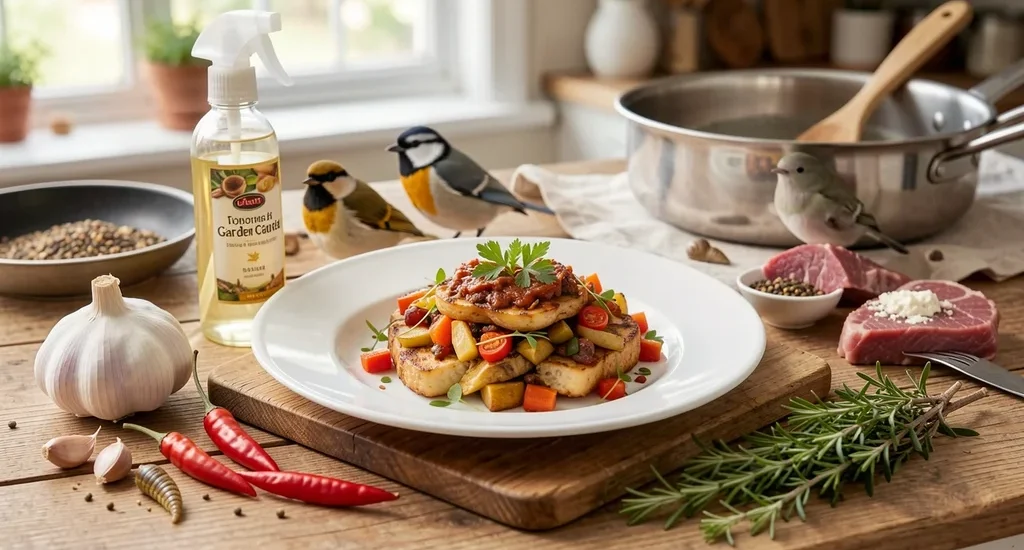
- Homemade Sprays: Simple sprays made from ingredients like garlic, chili peppers, or soap can deter pests. For example, a spray made from blended garlic and water can repel aphids and Japanese beetles.
Tip: Encourage birds to visit your garden by providing food, water, and shelter. Birds like robins, sparrows, and chickadees eat a variety of garden pests, including slugs, snails, and caterpillars.
| Pest | Signs of Damage | Natural Control Methods |
|---|---|---|
| Aphids | Curled leaves, sticky residue (honeydew), sooty mold | Spray with soapy water, introduce ladybugs, plant marigolds |
| Slugs & Snails | Irregular holes in leaves, slime trails | Handpick, use copper tape, apply diatomaceous earth |
| Japanese Beetles | Skeletonized leaves, chewed flowers | Handpick, use neem oil, plant trap crops (e.g., marigolds) |
| Powdery Mildew | White powdery coating on leaves, stunted growth | Improve air circulation, spray with baking soda solution, remove infected leaves |
| Tomato Hornworm | Large holes in leaves, missing fruits | Handpick, attract parasitic wasps, use BT (Bacillus thuringiensis) |
According to a study published in the journal Agriculture, Ecosystems & Environment, gardens that use natural pest control methods have 20% higher biodiversity and 15% fewer pest outbreaks compared to those relying on chemical pesticides.
Mulching for Moisture Retention and Weed Control
Mulching is one of the simplest yet most effective tips for a successful garden. A layer of mulch around your plants helps retain soil moisture, suppress weeds, regulate soil temperature, and improve soil health as it breaks down. Organic mulches, like straw, wood chips, or leaves, also add valuable organic matter to the soil as they decompose.
There are two main types of mulch: organic and inorganic. Organic mulches, such as straw, grass clippings, or shredded bark, decompose over time and improve soil fertility. Inorganic mulches, like gravel, stones, or landscape fabric, don’t break down but can be useful in certain situations, such as around shrubs or in pathways.
The best time to apply mulch is in mid-to-late spring, after the soil has warmed up. Applying mulch too early can slow soil warming and delay plant growth. Aim for a layer that’s 2–4 inches thick.
Avoid piling mulch directly against the stems or trunks of plants, as this can lead to rot or disease. Instead, leave a small gap around the base of each plant.
- Straw: Lightweight and easy to spread, straw is an excellent mulch for vegetable gardens. It breaks down quickly, adding organic matter to the soil.
- Best for: Vegetable gardens, annual beds.
- Avoid: Using hay, which may contain weed seeds.
- Wood Chips: Long-lasting and attractive, wood chips are ideal for perennial beds and around trees and shrubs. They decompose slowly, so they don’t need to be replenished as often as other mulches.
- Best for: Perennial beds, trees, shrubs.
- Avoid: Using fresh wood chips, which can temporarily deplete soil nitrogen as they decompose.
- Grass Clippings: A free and readily available mulch, grass clippings are rich in nitrogen and break down quickly. Use them in thin layers to avoid matting.
- Best for: Vegetable gardens, annual beds.
- Avoid: Using clippings from lawns treated with herbicides.
- Leaves: Shredded leaves make an excellent mulch, as they break down quickly and improve soil structure. Avoid using whole leaves, as they can mat together and suffocate plants.
- Best for: Perennial beds, vegetable gardens.
- Avoid: Using thick layers of whole leaves.
- Pine Needles: Also known as pine straw, pine needles are lightweight and allow water and air to penetrate easily. They’re slightly acidic, making them a good choice for acid-loving plants like blueberries and azaleas.
- Best for: Acid-loving plants, pathways.
- Avoid: Using in large quantities around plants that prefer neutral or alkaline soil.
Important: Avoid using plastic sheeting as mulch, as it can prevent water and air from reaching the soil. If you use landscape fabric, choose a breathable type and cover it with a layer of organic mulch.
| Mulch Type | Lifespan | Best For | Cost |
|---|---|---|---|
| Straw | 6–12 months | Vegetable gardens, annual beds | $ |
| Wood Chips | 2–4 years | Perennial beds, trees, shrubs | $$ |
| Grass Clippings | 1–3 months | Vegetable gardens, lawns | Free |
| Leaves (Shredded) | 6–12 months | Perennial beds, vegetable gardens | Free |
| Pine Needles | 1–2 years | Acid-loving plants, pathways | $ |
A study by the University of California found that mulched gardens can reduce water usage by up to 50% and increase plant growth by 20–30%. Mulching is a simple practice with big benefits.
Common Gardening Mistakes to Avoid
Even experienced gardeners make mistakes, but learning from them can help you avoid common pitfalls. One of the most frequent mistakes is overplanting. It’s easy to get carried away at the nursery, but crowding plants can lead to competition for nutrients, poor air circulation, and increased susceptibility to diseases.
Always follow spacing guidelines on plant tags or seed packets.
Another common mistake is ignoring soil health. Many gardeners focus on the plants themselves but neglect the foundation: the soil. Poor soil leads to weak, unhealthy plants that are more prone to pests and diseases.
Regularly test your soil and amend it as needed to ensure it has the right pH and nutrient levels for your plants.
Inconsistent watering is also a frequent issue. Plants need a steady supply of moisture, especially during their first growing season. Avoid letting the soil dry out completely between waterings, as this can stress plants and lead to poor growth.
On the other hand, overwatering can be just as harmful, leading to root rot and fungal diseases.
-
Overplanting: Crowding plants leads to competition for sunlight, water, and nutrients. Follow spacing recommendations and resist the urge to fill every inch of your garden.
- Solution: Plan your garden layout before planting. Use a garden planner app or sketch it out on paper to visualize spacing.
-
Ignoring Soil Health: Healthy soil is the key to healthy plants. Neglecting soil quality can result in stunted growth, poor yields, and increased pest and disease problems.
- Solution: Test your soil annually and amend it with organic matter like compost or aged manure. Rotate crops to prevent soil depletion.
-
Inconsistent Watering: Plants need consistent moisture, especially during their first year. Inconsistent watering can lead to stress, wilting, and poor growth.
- Solution: Use a rain gauge to track rainfall and supplement with watering as needed. Consider installing a drip irrigation system for consistent moisture.
-
Planting at the Wrong Time: Planting too early or too late in the season can stress plants and reduce their chances of survival. Each plant has an ideal planting window based on your climate.
- Solution: Check the recommended planting dates for your area. Use a planting calendar or consult your local cooperative extension office.
-
Neglecting Pest and Disease Prevention: Waiting until pests or diseases appear before taking action can make it harder to control them. Prevention is always easier than treatment.
- Solution: Regularly inspect your plants for signs of pests or diseases. Use companion planting, mulch, and proper spacing to prevent problems.
-
Skipping Mulch: Mulch helps retain moisture, suppress weeds, and regulate soil temperature. Skipping mulch can lead to water stress, weed competition, and temperature fluctuations.
- Solution: Apply a 2–4 inch layer of mulch around your plants, keeping it a few inches away from stems or trunks.
-
Not Rotating Crops: Planting the same crops in the same spot year after year can deplete soil nutrients and increase the risk of pests and diseases.
- Solution: Rotate crops annually to different areas of your garden. Group plants by family (e.g., tomatoes, peppers, and eggplants are all in the nightshade family) and avoid planting the same family in the same spot for at least 3 years.
Warning: Avoid planting invasive species, which can spread aggressively and crowd out native plants. Check with your local cooperative extension office for a list of invasive plants in your area.
Frequently Asked Questions
How often should I water my garden?
Most gardens need about 1 inch of water per week, including rainfall. However, this can vary based on your soil type, climate, and the specific plants you’re growing. Sandy soil may require more frequent watering, while clay soil retains moisture longer.
Always check soil moisture before watering—stick your finger about an inch into the soil. If it feels dry, it’s time to water.
What is the best time of day to water plants?
The best time to water your garden is early in the morning. This allows plants to absorb moisture before the heat of the day causes evaporation. Watering in the evening can promote fungal growth, as plants stay damp overnight.
Avoid watering during the hottest part of the day, as much of the water will evaporate before it reaches the roots.
How can I improve my garden soil?
Improving garden soil starts with adding organic matter like compost, aged manure, or leaf mold. These amendments enhance soil structure, improve drainage, and boost nutrient content. Aim to mix in at least 2–3 inches of organic material into the top 6–8 inches of soil before planting.
Regularly testing your soil and adjusting its pH as needed can also make a big difference.
What are some natural ways to control garden pests?
Natural pest control methods include encouraging beneficial insects (like ladybugs and lacewings), using companion planting, handpicking pests, and applying barriers like row covers or copper tape. Neem oil and diatomaceous earth are also effective natural pesticides. Avoid using broad-spectrum chemical pesticides, as these can harm beneficial insects and disrupt the ecosystem of your garden.
How do I know if my plants are getting enough sunlight?
Most plants have specific sunlight requirements, typically categorized as full sun (6+ hours of direct sunlight per day), partial sun (3–6 hours), or shade (less than 3 hours). If your plants aren’t thriving, they may not be getting enough light. Signs of insufficient sunlight include leggy growth, small leaves, and poor flowering or fruiting.
Use a sunlight calculator or observe your garden throughout the day to track how many hours of direct sunlight each area receives.
Final Thoughts
A successful garden is built on a foundation of healthy soil, proper plant selection, and consistent care. By focusing on the top tips for a successful garden—such as improving soil quality, choosing the right plants for your climate, and using effective watering and pest control techniques—you can create a thriving outdoor space that yields beautiful blooms, fresh produce, or a serene retreat. Start small, stay patient, and enjoy the process of watching your garden grow and flourish.