Lawn care is not random. It is a cycle. Each season has specific tasks. If you do the right things at the right times, your lawn gets better every year. If you do random things at random times, you waste money and wonder why your neighbour’s lawn looks better.
This is my complete year-round lawn care plan. Follow it and your lawn will be the one the neighbours envy. This plan is for cool-season lawns (fescue, bluegrass, ryegrass) in Zones 5-7. Adjust timing by 2 to 4 weeks for your zone. Warm-season lawn owners – skip the fall seeding and adjust fertilizer timing as noted.
The Big Picture: What a Lawn Actually Needs
Grass needs five things: sun, water, nutrients, proper mowing, and good soil. You control four of those five. Every task in this plan addresses one or more of those needs. There are no unnecessary steps. I do not recommend anything I do not do myself.
A lawn does not need dozens of products and weekly attention. It needs the right actions at the right times. This plan has about 12 to 15 meaningful lawn care sessions per year. The rest is just mowing.
Late Winter (January – February)
Goal: Prepare for the season. Do not damage the dormant lawn.
- Stay off frozen grass. Walking on frosty or frozen grass snaps the blades and kills them. Those brown footprints you see in spring are from winter foot traffic.
- Service your equipment. Sharpen the mower blade. Change the oil. Replace the spark plug. Clean the air filter. Service the string trimmer. A few hours now saves frustration when the grass starts growing.
- Soil test. Send a soil sample to your extension office or use a home test kit. You need to know your pH and nutrient levels before buying any fertilizer or amendments. Guessing leads to wasting money and creating problems.
- Order supplies. Based on your soil test results, order fertilizer, pre-emergent, grass seed, and any amendments you will need. Having products ready means you apply them on time instead of rushing to the store after the window has passed.
- Plan the year. Mark your calendar with key application windows. Pre-emergent when forsythia blooms. Fertilizer after the second mow. Fall seeding 6-8 weeks before first frost. Write it down now so you do not forget.
Early Spring (March – Early April)
Goal: Wake the lawn up without pushing it too hard.
- Stay off wet soil. The lawn is thawing and saturated. Footprints compact the soil. Wait until the ground is dry enough that you do not leave impressions.
- Rake debris. Remove leaves, sticks, and winter debris. Lightly rake matted areas to break up snow mould and dead grass. Use a leaf rake, not a garden rake.
- Apply pre-emergent. When forsythia bushes bloom bright yellow, apply crabgrass pre-emergent. This is the single most important weed control action of the year. Skip this if you plan to overseed those areas in spring.
- First mow (late March/early April). Cut at 2 to 2.5 inches. This removes winter-killed tips. Sharpen the blade before this first mow.
Mid to Late Spring (Late April – May)
Goal: Build healthy growth without overdoing it.
- Fertilize (after second mow). Apply a slow-release spring fertilizer at half to three-quarter rate. Let the lawn ease into growth. Too much nitrogen now creates mowing headaches and disease problems later.
- Raise mower height. Move to 3 to 3.5 inches for cool-season grass. Taller grass shades the soil and crowds out weeds.
- Spot-treat weeds. Dandelions, clover, and other broadleaf weeds are actively growing. Spot-treat with a selective herbicide on a calm, dry day when temperatures are 50 to 80 degrees F.
- Water if dry. Spring rains usually handle watering. But if there is a dry spell (2+ weeks without rain), water 1 inch per week.
- Overseed bare patches. If you did not apply pre-emergent on these areas, rake the soil, scatter seed, rake lightly, and keep moist until germination.
Summer (June – August)
Goal: Survival. Keep the lawn alive through heat and drought.
- Mow high. Keep the mower at 3.5 to 4 inches. Tall grass is the best defence against summer heat stress. Never remove more than one-third of the blade height.
- Water deeply. 1 to 1.5 inches per week, applied in 1 to 2 sessions. Water early morning (4-9 AM). Use a rain gauge to measure.
- Do NOT fertilize cool-season grass. It slows down in heat. Fertilizer forces growth the grass cannot support and creates disease problems.
- Do NOT apply herbicides above 85 degrees F. The chemicals can volatilize and damage grass. Hand-pull summer weeds instead.
- Watch for problems. Grubs (peel back sod in August – more than 5-10 per square foot needs treatment). Disease (circular brown patches – water less frequently and earlier in the day). Chinch bugs (small black bugs with white wings on St. Augustine and Bermuda).
- Accept some browning. Cool-season grass naturally slows in summer. Some browning is normal. It will recover in fall.
- Late August: Order grass seed for fall. Plan your aeration. Check your soil test results from spring.
Early Fall (Late August – September)
Goal: Renovation. This is the most important season for your lawn.
- Core aerate. Rent an aerator or hire a service. Aerate when the soil is moist but not soggy. Go in two directions. Leave the plugs on the surface to break down naturally.
- Overseed. Immediately after aerating, broadcast grass seed. The aeration holes are perfect seed beds. Use quality seed with named varieties and 0.0% weed seed.
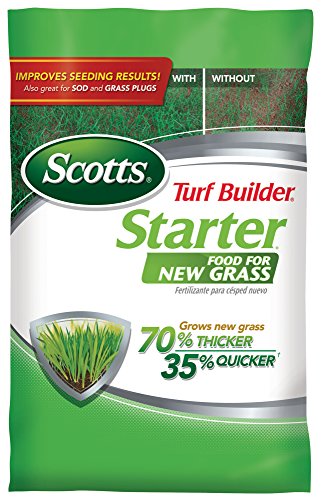
- Apply starter fertilizer. Use a product higher in phosphorus (middle number) to support seedling root growth. If you are not seeding, apply a fall fertilizer higher in potassium.
- Spot-treat perennial weeds. Fall is the best time to kill dandelions, clover, creeping Charlie, and plantain. The weeds are pulling nutrients into their roots and pull herbicide down with them.
- Water new seed. Light, frequent watering (2-3 times daily) until germination (10-14 days). Then gradually reduce frequency and increase depth.
Late Fall (October – November)
Goal: Prepare for winter. Set up next spring’s success.
- Apply winterizer fertilizer. After the last mow of the season. Higher potassium strengthens grass for winter. This is the most important fertilizer application for spring green-up.
- Keep mowing. Grass grows well into fall. Lower the mower gradually over the last few cuts. Final mow at 2 to 2.5 inches.
- Remove leaves. Mulch them with the mower if the layer is thin. Bag or rake if thick. Do not leave a blanket of leaves over winter – it smothers the grass.
- Final leaf cleanup. Before the first significant snowfall, do a final pass to remove any leaves that fell after your last mow.
- Winterize irrigation. Blow out sprinkler lines before the first hard freeze. Disconnect and drain hoses.
- Mark edges. Put reflector stakes along driveway and walkway edges so snowblowers stay on pavement.
- Put equipment away. Clean, sharpen, oil, and store tools. Drain fuel or add stabilizer to small engines.
Winter (December – February)
Goal: Do as little as possible. The lawn is dormant.
- Stay off frozen grass. Same rule as late winter. Footprints kill.
- Avoid piling snow on the lawn. Spread shoveled snow out or use a paved pile area. Concentrated snow piles create dead patches in spring.
- Do not use salt near the lawn. Rock salt kills grass. Use calcium chloride or sand on walkways near the lawn.
- Plan next year. Review what worked. Note problem areas. Order soil test. Research products. The plan you make now makes next year’s lawn care effortless.
Annual Lawn Care at a Glance
| Task | How Often | Best Time | Effort |
|---|---|---|---|
| Mowing | Weekly (growing season) | Apr-Nov | 1-2 hours |
| Watering | 1-2x per week (summer) | Jun-Sep | Setup only |
| Fertilizing | 1-3x per year | May, Sep, Nov | 30 min each |
| Pre-emergent | 1x per year | Mar-Apr | 30 min |
| Weed control | As needed | Spring and fall | 15-60 min |
| Aeration | 1x per year | Sep | 2-3 hours |
| Overseeding | 1x per year | Sep | 1-2 hours |
| Leaf cleanup | 2-4x per fall | Oct-Nov | 1-3 hours each |
| Equipment maintenance | 1-2x per year | Late winter, late fall | 2-3 hours |
| Soil test | 1x per year | Winter or early spring | 30 min |
Total Annual Time Investment
Add it up: about 30 to 40 hours per year for a typical suburban lawn (5,000 to 8,000 square feet). That is 30 to 45 minutes per week averaged over the year. Most of that is mowing (about 25 hours). The specialized tasks (fertilizing, aerating, seeding) add another 10 to 15 hours spread across the year.
A lawn does not demand your entire weekend. It demands consistency – doing the right things at the right times. A lawn that gets 30 minutes of attention every week looks better than a lawn that gets 4 hours of panic work twice a year.
Frequently Asked Questions
Can I skip any of these steps?
You can skip anything. The lawn will not die. But each skipped step has a consequence. Skip pre-emergent and you will have more crabgrass. Skip aeration and your soil will compact over time. Skip fall fertilizer and your lawn will green up later in spring. The plan tells you how to get optimal results. Adjust based on your goals and how much time you want to invest.
What if I only have time for 3 things per year?
Do these three: (1) Mow at the correct height consistently, (2) Apply pre-emergent in spring, (3) Fertilize in fall with a winterizer. Those three tasks alone will produce a better lawn than most people have. Everything else in the plan makes it better, but those three are the essentials.
Does this plan work for organic lawn care?
Mostly yes. The seasonal timing (aerate in fall, mow high in summer) is identical. The products are different – corn gluten meal instead of synthetic pre-emergent (less effective but organic), compost instead of synthetic fertilizer, nematodes instead of synthetic grub control. Organic lawn care requires more patience and accepts a higher weed tolerance.
How do I adapt this plan for a new lawn from seed?
New lawns have different needs. Water lightly multiple times daily until established (4-6 weeks). Do not apply pre-emergent for the first full year. Fertilize with starter fertilizer (higher phosphorus) for the first two feedings. Do not mow until the grass reaches 3 to 4 inches, then cut to 2.5 inches. Wait a full year before aerating. New lawns need babying. This plan is for established lawns.
Is this plan worth the effort?
That depends on how much you care about your lawn. If a green, thick, weed-free lawn makes you happy, the plan is absolutely worth it. If lawn care feels like a chore you resent, simplify to the “3 things” version above. A lawn should add to your enjoyment of your property, not become a source of stress. Follow the level of the plan that matches your goals.