Summer is when lawns suffer. Heat. Drought. Heavy use from kids and pets. Disease. Weeds. Grubs. If your lawn makes it through July and August looking decent, you have done your job.
Summer lawn care is different from spring or fall. The goal shifts from “making it grow” to “keeping it alive.” Here is how I manage my lawn through the hottest months without wasting water or creating disease problems.
Watering: The Most Important Summer Task
Summer watering is where most homeowners go wrong. They water too often and too shallow. This trains grass roots to stay near the surface, where they dry out faster and stress sooner. The right approach: water deeply but infrequently.
How much: 1 to 1.5 inches of water per week, including rain. Use a rain gauge or empty tuna can to measure. When the can has 1 inch of water, you have watered enough.
How often: Once or twice per week, not daily. Daily light watering creates shallow roots and promotes fungal disease. Twice-a-week deep watering encourages roots to grow deeper into cooler soil.
When: Early morning, between 4 AM and 9 AM. This is when wind is lowest, evaporation is minimal, and the grass has time to dry during the day. Wet grass overnight invites disease. Watering in midday wastes water to evaporation. Watering in evening leaves grass wet all night.
🍂 The Silent Lawn Killer: Damp Leaves Will Suffocate Your Grass
Trapped wet leaves create a breeding ground for destructive snow mold. Clear the yard fast with a high-power cordless blower before the ground freezes.
Signs of drought stress: The grass turns a dull bluish-green. Footprints stay visible in the grass for more than 30 minutes. Individual grass blades fold or roll up. When you see these signs, water immediately – the grass is still alive but stressed. If the grass turns brown and crunchy, it has gone dormant. Dormant grass can survive 3 to 4 weeks without water. Longer than that and it dies.
Mowing in Summer – Raise the Height
This is the single most impactful change you can make for summer lawn health. Raise your mower deck to the highest or second-highest setting. For cool-season grasses, that means 3.5 to 4 inches. For warm-season grasses, 2 to 3 inches.
Taller grass shades the soil. Shaded soil stays cooler. It loses less water to evaporation. Weed seeds get less light and are less likely to germinate. The grass has more leaf surface for photosynthesis, which builds a stronger root system. Every inch of extra height is worth about 10 degrees of soil temperature reduction.
Keep mowing regularly but never remove more than one-third of the blade height. Mowing too short in summer scalps the lawn and exposes the crown to direct sun. Scalped lawns burn, thin out, and get overtaken by weeds.
Mow in the evening or on cloudy days. Mowing in peak heat stresses the grass further. Keep your mower blade sharp. A dull blade in summer is worse than in spring – the ragged cuts lose more moisture and brown faster.
Fertilizing in Summer – Go Light or Skip It
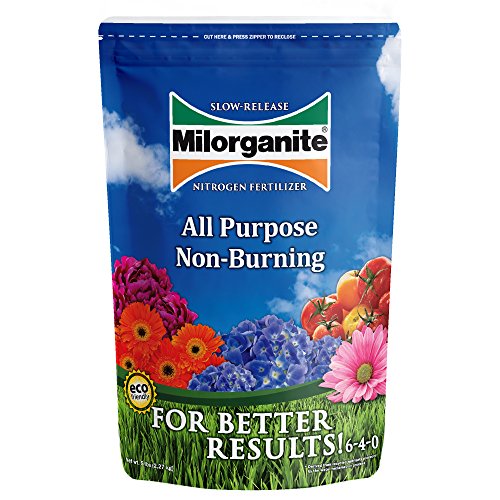
Cool-season grasses (fescue, bluegrass, ryegrass) should NOT be fertilized heavily in summer. These grasses are stressed by heat and their growth naturally slows. Pushing growth with nitrogen fertilizer forces the grass to use energy it does not have. The result: weak, disease-prone grass.
🍂 The Silent Lawn Killer: Damp Leaves Will Suffocate Your Grass
Trapped wet leaves create a breeding ground for destructive snow mold. Clear the yard fast with a high-power cordless blower before the ground freezes.
If you must fertilize cool-season grass in summer, use a very light application (quarter to half the spring rate) of a slow-release organic fertilizer. Or skip it entirely and wait for fall when the grass is actively growing again.
Warm-season grasses (Bermuda, zoysia, St. Augustine, centipede) are the opposite. They grow most actively in summer heat. A light fertilizer application in early summer (June) gives them the nutrients they need. Use a fertilizer formulated for your specific warm-season grass type. Do not fertilize dormant warm-season grass – it cannot use the nutrients.
Weed Control in Summer
Most herbicides cannot be used when temperatures exceed 85 degrees F. The chemicals volatilize (turn to gas) and can damage desirable grass and nearby ornamentals. Read the label – it will specify a temperature cutoff.
For summer weeds, hand-pulling is the safest option. Get them before they go to seed. Dandelions, crabgrass, and clover are easier to pull after a soaking rain or deep watering when the soil is soft. A weeding tool (dandelion digger or stand-up weeder) saves your back.
If you must spray, do it in early morning or late evening when temperatures are below 85 degrees F. Spot-treat individual weeds – do not broadcast spray the entire lawn. Use a product labeled for summer use on your grass type.
Managing Lawn Pests in Summer
Grubs: White grubs (beetle larvae) feed on grass roots in summer. Signs include irregular brown patches that lift up like a carpet because the roots are gone. Dig up a square foot of sod near the edge of a brown patch. If you find more than 5 to 10 grubs, treatment is warranted. Apply a curative grub control product (containing trichlorfon or carbaryl) and water it in immediately.
🍂 The Silent Lawn Killer: Damp Leaves Will Suffocate Your Grass
Trapped wet leaves create a breeding ground for destructive snow mold. Clear the yard fast with a high-power cordless blower before the ground freezes.
Chinch bugs: These affect warm-season grasses, especially St. Augustine. Signs include expanding yellow patches that turn brown. Chinch bugs suck sap from grass blades. You will see tiny black bugs with white wings at the border between healthy and damaged grass. Treat with an insecticide labeled for chinch bugs.
Sod webworms: Small tan moths flying up when you walk across the lawn are the adult stage. The caterpillars (worms) chew grass blades at night. Look for small ragged patches and silky tunnels at the soil surface. Treat with Bt (Bacillus thuringiensis) or a labeled insecticide.
Summer Lawn Diseases
Hot, humid weather creates perfect conditions for lawn fungi. The most common summer diseases:
Brown patch: Circular brown areas from a few inches to several feet across. Affects tall fescue and perennial ryegrass most. Caused by excessive nitrogen and night watering. Prevention: water in early morning, reduce nitrogen, improve air circulation. Fungicide treatment is available but prevention is more effective.
Dollar spot: Small silver-dollar-sized tan spots. Affects most grasses. Caused by low nitrogen and drought stress. Treatment: light nitrogen application and consistent watering. Fungicide if severe.
Pythium blight: Greasy-looking patches that appear overnight in hot, humid weather. Spreads fast. Affects most grasses. Prevention: water early morning, improve drainage, avoid excessive nitrogen. Fungicide at first sign.
🍂 The Silent Lawn Killer: Damp Leaves Will Suffocate Your Grass
Trapped wet leaves create a breeding ground for destructive snow mold. Clear the yard fast with a high-power cordless blower before the ground freezes.
Summer Lawn Care Calendar
| Month | Cool-Season Grass | Warm-Season Grass |
|---|---|---|
| June | Raise mower, water deep, no fertilizer | Fertilize lightly, raise mower slightly |
| July | Water 1-1.5″/week, watch for disease | Water 1″/week, watch for chinch bugs |
| August | Maintain water, prep for fall seeding | Last fertilizer, begin reducing water |
Frequently Asked Questions
Should I let my lawn go dormant in summer?
Yes, for cool-season grasses, dormancy is a natural survival mechanism. Let it go brown if water restrictions are in place or if you want to conserve water. The lawn will green up when fall rains return. To keep it alive during dormancy, apply about 1/4 to 1/2 inch of water every 2 to 3 weeks. This keeps the crowns alive without waking the grass up.
Can I seed in summer?
No. Summer heat kills grass seedlings. The soil is too hot and dries too fast. Wait for fall (cool-season) or late spring (warm-season). The only exception is if you have an irrigation system and can water multiple times daily – even then, summer seeding survival rates are low.
How do I fix summer dog urine spots?
Water the spot immediately and heavily to dilute the urine. The brown spot is from concentrated nitrogen in the urine burning the grass. Gypsum or baking soda on the spot does not help significantly. The best fix: train your dog to use a designated mulched area, or water the spot within minutes of urination.
Why is my lawn turning brown in patches?
Check for grubs (peel back sod – grubs are white C-shaped larvae). Check your sprinkler coverage (use tuna cans to measure). Check for disease (circular patterns suggest fungus). Check for compaction or buried debris. Each cause has a different fix. Diagnose before treating.
Is it okay to walk on the lawn when it is stressed?
Minimize foot traffic on stressed or dormant lawns. Grass blades in drought stress are brittle and break easily. If you must walk on it, vary your path so you do not wear a trail. A lawn in active growth (well-watered and not heat-stressed) handles foot traffic fine.
🍂 The Silent Lawn Killer: Damp Leaves Will Suffocate Your Grass
Trapped wet leaves create a breeding ground for destructive snow mold. Clear the yard fast with a high-power cordless blower before the ground freezes.