Last Updated on June 7, 2026 by D. Ruddy
I’ve personally tested several products to find the ones that actually deliver. After putting each through real-world use, here are my honest picks to help you choose with confidence.
I’ll walk you through easy steps to make it happen, covering everything you need to know to transform that barren strip into a neat little lawn. Get ready to learn how to make that green space thrive.
Preparing Your Small Grass Strip
Getting the soil ready is the first big step to success. This little strip of land between the sidewalk and the street often has packed-down dirt. This makes it hard for grass roots to grow and for water to soak in.
A garden fork is particularly useful for loosening compacted soil. You can push it into the ground and rock it back and forth to lift and aerate the soil. This is less tiring than trying to dig with a shovel in hard ground.
The goal is to break up the top 4-6 inches of soil. This gives the grass roots plenty of room to grow.
September Outdoor Sale — Save Up to 52%
A new month means new ways to upgrade your patio, garden & lawn for less. We’ve rounded up popular outdoor picks with savings up to 52%. Don’t wait—these offers can change anytime!
Improving Soil Quality
The easiest way to make your soil better is by adding compost. Compost is decomposed organic matter, like kitchen scraps and yard waste. It’s full of nutrients and helps improve soil structure.
Mix a few inches of compost into the top layer of your soil. This will make it darker, richer, and easier to work with. It also helps it hold moisture better, which is great for young grass.
You can buy compost at most garden stores. Look for bags labeled “organic compost” or “garden soil.” If your soil is very sandy, compost helps it hold water. If your soil is heavy clay, compost helps it drain better and become less sticky.
It’s a win-win for all soil types. It also introduces helpful microbes that benefit plant growth.
Another option is to use a soil amendment called peat moss. Peat moss helps retain moisture and adds acidity, which some grass types prefer. However, compost is generally a more sustainable choice and offers a broader range of nutrients.
Some people also use aged manure, but make sure it’s I’ll-rotted so it doesn’t burn the grass.
September Outdoor Sale — Save Up to 52%
A new month means new ways to upgrade your patio, garden & lawn for less. We’ve rounded up popular outdoor picks with savings up to 52%. Don’t wait—these offers can change anytime!
A soil test can reveal if your soil is lacking specific nutrients, like nitrogen or phosphorus. Based on the test results, you might need to add a fertilizer or a specific soil amendment. This targeted approach ensures your grass gets exactly what it needs to grow strong.
It prevents over-fertilizing, which can harm the grass and the environment.
Choosing the Right Grass Seed
Now that the soil is ready, it’s time to pick the best grass seed. Not all grass is created equal, and some types do much better in tough, small spaces. We need a grass that can handle a bit of shade, some foot traffic, and maybe even dry spells.
For the strip between the sidewalk and street, tough and adaptable is key. I’m looking for seeds that are known for their resilience.
Best Grass Types for Urban Strips
For areas like this, a blend of fescues is usually a great choice. Tall fescue is known for its deep roots, which help it survive dry spells. It’s also quite tough and can handle some wear and tear.
Fine fescues, like creeping red fescue, are good for shady spots and can spread to fill in bare areas. A mix of these can create a dense, hardy lawn.
September Outdoor Sale — Save Up to 52%
A new month means new ways to upgrade your patio, garden & lawn for less. We’ve rounded up popular outdoor picks with savings up to 52%. Don’t wait—these offers can change anytime!
Another excellent option is perennial ryegrass. It germinates quickly, meaning you’ll see grass sprout faster. This helps prevent weeds from taking over while your main grass establishes.
Ryegrass is also quite durable and can recover I’ll from damage. It often blends nicely with fescues.
Kentucky bluegrass is a beautiful grass with a rich green color. However, it prefers full sun and can take longer to establish. It also needs more consistent watering.
For a tricky strip that might get less sun and more traffic, it might not be the first choice unless conditions are ideal. A mix with a higher percentage of fescue and ryegrass is often more practical.
When you buy grass seed, look for a “perennial mix” or a “shade-tolerant mix.” These are formulated for common lawn problems. Check the seed tag for information on germination rates and the types of grass in the blend. A higher germination rate means more seeds will sprout, giving you better coverage.
Understanding Seed Blends
Seed blends combine different types of grass. This makes the lawn more resilient. If one type of grass struggles due to shade or drought, another type in the blend might thrive.
September Outdoor Sale — Save Up to 52%
A new month means new ways to upgrade your patio, garden & lawn for less. We’ve rounded up popular outdoor picks with savings up to 52%. Don’t wait—these offers can change anytime!
This provides better overall coverage and a more consistent look. It’s like having a backup plan for your lawn.
For instance, a common blend might have 50% tall fescue, 30% perennial ryegrass, and 20% fine fescue. The tall fescue provides drought tolerance and durability. The ryegrass offers quick germination and wear resistance.
The fine fescue helps with shady areas and spreading to fill gaps. This combination creates a I’ll-rounded seed mix for difficult spots.
It’s important to read the seed label carefully. Some blends are designed for sun, while others are better for shade. Since your strip might get both sun and shade, a mix that offers a bit of both is ideal.
Look for phrases like “all-purpose blend” or “tough turf mix.” These are often good starting points.
Avoid grass seed that is designed for overseeding an existing lawn if you are starting from scratch. These might contain fillers or be designed to blend with established grass. For a new lawn, you want pure, high-quality grass seed.
September Outdoor Sale — Save Up to 52%
A new month means new ways to upgrade your patio, garden & lawn for less. We’ve rounded up popular outdoor picks with savings up to 52%. Don’t wait—these offers can change anytime!
This ensures the best possible start for your new grass.
How Much Seed Do You Need?
The amount of seed you need depends on the size of your strip and the recommendation on the seed bag. Seed bags usually state how many square feet a bag will cover. It’s always better to have a little extra seed than not enough.
You can always save the extra for touch-ups later.
Measure the length and width of your grass strip. Multiply these numbers to get the square footage. For example, a strip that is 20 feet long and 3 feet wide is 60 square feet.
Check the seed bag for coverage rates. A common rate is around 5 pounds of seed per 1,000 square feet. For a 60 sq ft area, you’d need a very small amount.
Most seed bags are sold in 1-pound, 5-pound, or 10-pound sizes. For a small strip, a 1-pound bag might be more than enough. You can often find smaller quantities at garden centers or even some hardware stores.
September Outdoor Sale — Save Up to 52%
A new month means new ways to upgrade your patio, garden & lawn for less. We’ve rounded up popular outdoor picks with savings up to 52%. Don’t wait—these offers can change anytime!
If you can’t buy a small bag, consider splitting a larger one with a neighbor.
When spreading the seed, it’s a good idea to go over the area twice with a spreader. This ensures even coverage and prevents thin spots. You can spread half the seed in one direction and the other half at a right angle.
This helps fill in any gaps you might have missed.
Planting and Watering Your Grass Seed
Putting the seed down is the exciting part! Once your soil is prepped and you have your chosen seed, it’s time to plant. The goal is to get the seeds in good contact with the soil so they can sprout.
Then, consistent watering is super important, especially in the first few weeks. This helps the tiny grass seedlings grow strong roots.
Spreading the Seed
You can spread grass seed by hand or use a broadcast spreader. For a small strip, hand-spreading is perfectly fine. Scatter the seed evenly over the prepared soil.
September Outdoor Sale — Save Up to 52%
A new month means new ways to upgrade your patio, garden & lawn for less. We’ve rounded up popular outdoor picks with savings up to 52%. Don’t wait—these offers can change anytime!
Try to distribute it as uniformly as possible to avoid clumps and bare patches. You can mix the seed with a little sand to help you see where you’ve spread it.
After spreading the seed, gently rake the area. This helps to push the seeds slightly into the soil. You don’t want to bury them too deep.
A depth of about 1/4 inch is ideal. This ensures they get enough moisture and light to germinate. Too deep, and they won’t sprout.
Some people like to cover the seeded area with a thin layer of straw or a specialized seed starter blanket. This helps keep the seeds moist and protected. It also prevents birds from eating the seeds.
The straw should be light enough that you can still see some soil through it.
It’s best to plant grass seed in the fall or early spring. These times of year offer cooler temperatures and more consistent moisture. This is when grass seed has the best chance to establish.
September Outdoor Sale — Save Up to 52%
A new month means new ways to upgrade your patio, garden & lawn for less. We’ve rounded up popular outdoor picks with savings up to 52%. Don’t wait—these offers can change anytime!
Avoid planting during the hottest part of summer or when there’s a risk of frost.
Watering for Success
Watering is critical for new grass seed. Keep the soil consistently moist, but not waterlogged. The top layer of soil should feel damp to the touch at all times.
This means you’ll likely need to water multiple times a day, especially if it’s sunny or windy.
Use a gentle spray from a hose or a sprinkler. A strong spray can wash away the seeds, especially on a slope. A fine mist is perfect for keeping the surface moist without disturbing the seeds.
Check the soil moisture by pressing your finger into it. If it feels dry, it’s time to water.
Once the grass starts to grow and is about an inch tall, you can start watering less frequently but more deeply. This encourages the roots to grow deeper into the soil, making the grass more drought-tolerant. Aim to water until the soil is moist several inches down.
September Outdoor Sale — Save Up to 52%
A new month means new ways to upgrade your patio, garden & lawn for less. We’ve rounded up popular outdoor picks with savings up to 52%. Don’t wait—these offers can change anytime!
This is a crucial transition for the grass’s long-term health.
Be patient! Grass seed takes time to germinate. Depending on the type of seed and the weather, it can take anywhere from 7 to 21 days to see significant growth.
Don’t give up if you don’t see results immediately. Continue to keep the soil moist and the grass will eventually sprout.
Dealing with Foot Traffic
The strip between the sidewalk and street often gets walked on. This is one of the biggest challenges. Try to limit foot traffic on the newly seeded area as much as possible.
Put up small temporary signs or use stakes to mark off the area. This lets people know it’s a work in progress.
Once the grass is established and has been mowed a few times, it will be more resistant to wear and tear. However, it’s still a high-traffic area. Choosing a durable grass seed blend is essential.
September Outdoor Sale — Save Up to 52%
A new month means new ways to upgrade your patio, garden & lawn for less. We’ve rounded up popular outdoor picks with savings up to 52%. Don’t wait—these offers can change anytime!
This will help it recover faster from any accidental steps. Teaching family and neighbors about the new grass can also help protect it.
If the strip is unavoidable for walking, consider adding a small stepping stone or two. This provides a designated path and protects the grass from direct wear. It’s a practical solution that helps maintain the grass while still allowing access.
This can be a good compromise in busy areas.
If the strip is very narrow and people constantly walk on it, it might be worth considering a low-maintenance ground cover instead of grass. However, if grass is your goal, minimizing traffic is the best defense. Protecting the young seedlings is key to getting a good stand of grass established.
Maintaining Your Grass Strip
Once your grass has started to grow and has been mowed a few times, the real work of maintenance begins. This isn’t about complex landscaping; it’s about simple, regular care. Keeping this small strip looking good means regular watering, occasional mowing, and dealing with any weeds or bare spots that pop up.
It’s about consistent attention.
September Outdoor Sale — Save Up to 52%
A new month means new ways to upgrade your patio, garden & lawn for less. We’ve rounded up popular outdoor picks with savings up to 52%. Don’t wait—these offers can change anytime!
Mowing Your New Grass
Wait until your new grass is about 3-4 inches tall before the first mowing. When you mow for the first time, only cut off the top third of the grass blades. This is important because it prevents shocking the young grass.
It allows the plant to adjust to being cut.
Keep your mower blades sharp. Dull blades can tear the grass, making it look ragged and more prone to disease. As the grass grows, you can gradually lower the mower height.
For most fescue and ryegrass blends, a mowing height of about 2-3 inches is good. This height helps shade the soil, reducing weed growth and conserving moisture.
Never cut off more than one-third of the grass blade length at any one time. If the grass gets too long, mow it in stages over a few days. This gradual approach is much gentler on the grass.
It helps maintain a healthy root system. This rule applies to established lawns as I’ll as new ones.
September Outdoor Sale — Save Up to 52%
A new month means new ways to upgrade your patio, garden & lawn for less. We’ve rounded up popular outdoor picks with savings up to 52%. Don’t wait—these offers can change anytime!
If you have a very small strip, you might consider using a string trimmer or even scissors for the first few mows. This gives you more control and ensures you don’t cut too much off. A hand mower can also be a good option for very small areas.
It provides a clean cut and is easy to maneuver.
Watering Habits
Even established grass needs water, especially in dry periods. For the strip between the sidewalk and street, you might find it dries out faster than your main lawn. This is because it’s exposed to more sun and wind.
Check the grass regularly, especially during hot weather.
Water deeply and less often once the grass is established. This encourages deeper root growth, making the grass more drought-tolerant. Aim for about one inch of water per week, whether from rain or irrigation.
Water in the early morning to reduce evaporation and prevent fungal diseases. Avoid watering late in the evening.
September Outdoor Sale — Save Up to 52%
A new month means new ways to upgrade your patio, garden & lawn for less. We’ve rounded up popular outdoor picks with savings up to 52%. Don’t wait—these offers can change anytime!
Consider using a soaker hose or a drip irrigation system if possible. These methods deliver water directly to the soil with minimal waste. They are also gentler on the grass.
However, for a small strip, a regular garden hose with a good spray nozzle is often sufficient. Just be mindful of the spray pattern.
Watch for signs of drought stress. This includes a dull, grayish-green color and grass blades that don’t spring back when you step on them. If you see these signs, it’s time to water.
Prompt watering can help the grass recover quickly and prevent permanent damage.
Weed and Bare Spot Control
Weeds are common in sidewalk strips. They compete with grass for water, nutrients, and sunlight. Hand-pulling weeds when they are small is the best way to control them.
Try to get the entire root to prevent them from growing back.
If weeds become a major problem, you might consider a selective herbicide. Choose a product that targets broadleaf weeds but is safe for your type of grass. Always follow the product instructions carefully.
Spot-treat weeds rather than applying herbicide to the entire strip. This minimizes chemical use.
Bare spots can happen due to heavy traffic, disease, or poor growth. The easiest way to fix them is by reseeding. Loosen the soil in the bare spot, add a little compost, and spread some of your grass seed.
Keep the area consistently moist until new grass sprouts.
For small bare spots, you can also use grass seed patches or repair mixes. These often come with a built-in fertilizer and are designed for quick results. They are a convenient option for addressing minor damage.
Simply follow the package directions for application.
Aerating the soil can also help with bare spots. Aeration involves making small holes in the soil. This allows air, water, and nutrients to reach the grass roots more easily.
It can help improve soil structure and encourage thicker grass growth. This is a great practice for improving overall lawn health.
Common Problems and Solutions
Even with the best efforts, you might run into a few issues. These can include problems with pests, diseases, or just the general toughness of the environment. Knowing what to look for and how to fix it will help you keep your grass strip looking its best.
Don’t get discouraged; most problems are fixable with a little attention.
Pests and Diseases
Common lawn pests include grubs, chinch bugs, and armyworms. Grubs are the larvae of beetles that feed on grass roots, causing brown patches. Chinch bugs suck the sap from grass blades, leading to yellow or brown spots, especially in hot, dry weather.
Armyworms eat the grass blades.
To identify pests, look for signs like wilting grass, brown patches, or actual insects. You can often find grubs by digging up a small section of turf. If you see more than 5-10 grubs in a square foot, you might have a problem.
For chinch bugs, try pushing a can with both ends removed into the soil and filling it with water. If the bugs float to the surface, they are present.
Treatment for pests depends on the type. Beneficial nematodes can help control grubs. Insecticidal soaps or specific lawn insecticides can be used for other pests.
Always choose treatments that are safe for your grass type and follow instructions. Integrated Pest Management (IPM) approaches are often best, focusing on prevention and less harmful solutions first.
Grass diseases can include dollar spot, fairy ring, and red thread. These are often caused by fungal pathogens. They are frequently triggered by stress, such as drought, excessive moisture, or improper fertilization.
Good lawn care practices, like proper watering and mowing, help prevent most diseases.
For fungal diseases, improving air circulation and drainage can help. Proper watering is key: water deeply and infrequently. If a disease is severe, you might need a fungicide.
Again, identify the specific disease if possible for targeted treatment. Many garden centers can help identify lawn diseases from photos.
Soil Compaction and Drainage
As mentioned before, soil compaction is a major issue in sidewalk strips. Foot traffic, lawn equipment, and even heavy rain can pack the soil down. Compacted soil prevents grass roots from getting air and water, leading to weak growth and bare patches.
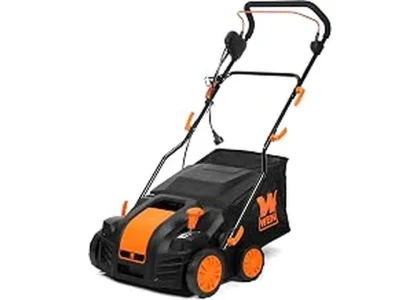
The solution is aeration. You can rent a core aerator, which pulls plugs of soil out of the ground, or use a spike aerator. Aerating once a year can make a big difference.
After aerating, you can spread a thin layer of compost to fill the holes and further improve the soil. This process is also a good time to reseed any thin areas.
Poor drainage can also be a problem. If water pools on the surface for a long time, it can drown the grass roots and encourage diseases. If your strip has poor drainage, you might need to amend the soil with more organic matter, like compost.
This helps the soil absorb and release water more effectively.
In severe cases of poor drainage, you might need to consider a more involved solution like installing a drainage system. However, for most small strips, improving the soil quality with compost and aerating regularly will significantly improve drainage. This helps create a healthier environment for grass to grow.
Dealing with Environmental Stress
The strip between the sidewalk and street faces harsh conditions. It can be very hot in the summer, dry from lack of shade, and exposed to vehicle exhaust. These environmental stresses can make grass growth difficult.
Choosing the right grass seed is the first line of defense. As discussed, fescues and ryegrass blends are more resilient to these conditions. Ensuring the soil has good organic matter content also helps.
Healthy soil retains moisture better and provides more nutrients, making the grass stronger against stress.
Consistent watering during dry spells is crucial. Even drought-tolerant grasses need water to survive extreme heat. Avoid mowing too short during hot weather; a slightly longer grass height can help shade the soil and keep it cooler.
If the strip is consistently problematic, consider if grass is truly the best option. Sometimes, drought-tolerant ground covers, ornamental grasses, or even decorative mulch can be more practical solutions. However, if grass is desired, focusing on soil health and proper watering will yield the best results.
Frequently Asked Questions
Question: Can I just throw seed on the ground without preparing the soil?
Answer: While you might see some grass sprout, it won’t be as healthy or long-lasting. Preparing the soil by loosening it and adding compost gives the seeds the best chance to grow strong roots and a healthy lawn.
Question: How often should I water newly seeded grass?
Answer: Keep the soil consistently moist, like a damp sponge. This might mean watering several times a day with a gentle spray until the grass is about an inch tall.
Question: My grass seed isn’t sprouting. What should I do?
Answer: Be patient! Some seeds take longer than others. Make sure the soil is still moist and protected.
If it’s been over three weeks and nothing is happening, you might want to check if the seeds I’m too old or planted too deep.
Question: Can I walk on the grass strip after it’s grown a bit?
Answer: It’s best to limit traffic as much as possible, even after it’s established. If you need a path, consider adding stepping stones to protect the grass from constant wear.
Question: What if my strip gets very little sunlight?
Answer: Look for grass seed blends specifically labeled as shade-tolerant, often containing fine fescues. These grasses can grow in areas with less than four hours of direct sunlight per day.
Summary
Growing grass on that narrow strip between the sidewalk and street is definitely achievable. You need to prepare the soil I’ll by loosening it and adding compost. Then, choose a tough grass seed blend suited for your conditions.
Keep the seeds moist and protect them from traffic. Regular watering and mowing will help your new grass thrive. With these simple steps, you can enjoy a neat, green strip of lawn.