Last Updated on June 7, 2026 by D. Ruddy
I’ve spent a lot of time working through this, and I want to share what I’ve learned. Here’s my straightforward advice based on hands-on experience.
I’ll walk through it step-by-step. What I’ll cover next will make it all much clearer.
Why Consider Irrigation for Your Small Front Yard?
Thinking about whether Is it worth installing lawn irrigation for a small front yard in the me is a smart move for many people. Even a small front yard needs care. Without regular, correct watering, your grass can get brown spots, look weak, or even die.
This can make your home look less appealing. Manual watering takes time and effort. You have to remember to do it, especially when it’s hot or dry.
Sometimes, sprinklers don’t reach every corner, leaving patches dry. An irrigation system takes this worry away.
What If Your Patio Became Your Favorite Spot This Fall?
Cooler evenings don’t have to send everyone indoors. Discover simple ways to turn your porch or patio into a warm, cozy place to gather after sunset.
It makes sure every part of your lawn gets the water it needs, right when it needs it. This keeps your grass looking lush and green all season long. It’s about making your yard look good with less work from you.
It also helps your grass grow stronger, making it more resistant to pests and diseases. This means fewer problems down the road.
Having a healthy lawn can also boost your home’s curb appeal. This is important if you ever plan to sell your house. A I’ll-maintained yard makes a great first impression.
Even a small area of beautiful green grass can make a big difference. Automated watering systems are designed to be efficient. They can be programmed to water at the best times, often early in the morning, to reduce water loss from evaporation.
Watering Needs of Small Front Yards
Small front yards, despite their size, have specific watering needs. They are often more exposed to the sun than backyards. This means they can dry out faster.
Also, they are sometimes overlooked because they are not the primary outdoor living space. However, they are the first thing people see when they approach your home. Consistent watering is key to preventing stress on the grass.
What If Your Patio Became Your Favorite Spot This Fall?
Cooler evenings don’t have to send everyone indoors. Discover simple ways to turn your porch or patio into a warm, cozy place to gather after sunset.
Grass needs about one inch of water per week. This can be from rain or irrigation. The soil type matters too.
Sandy soils drain quickly and need more frequent watering. Clay soils hold water longer but can become waterlogged if overwatered. Understanding these basics helps you see why a system can be beneficial.
For a small yard, a complex system isn’t usually needed. Simple, I’ll-placed sprinklers can do the job. The goal is to deliver water evenly across the entire area.
This avoids dry spots and overwatered areas. A system takes the guesswork out of this. You set it up, and it does the work for you.
Time Savings and Convenience
One of the biggest advantages of an irrigation system is the time it saves. Instead of dragging hoses or setting up sprinklers by hand, you can let the system do it. This is especially true for busy people or those who travel often.
You can program it to water while you’re at work or on vacation. This means you come home to a healthy, green lawn without lifting a finger.
What If Your Patio Became Your Favorite Spot This Fall?
Cooler evenings don’t have to send everyone indoors. Discover simple ways to turn your porch or patio into a warm, cozy place to gather after sunset.
For a small front yard, this might seem like a small benefit. But consider the cumulative time saved over weeks and months. It adds up.
It frees you up to do other things you enjoy. You won’t have to worry about forgetting to water on a hot day. The system ensures your grass gets water consistently.
This prevents the stress and damage that comes from irregular watering.
The convenience factor is huge. No more wrestling with garden hoses that get tangled or are too short to reach all the grass. No more standing out in the heat of the day trying to ensure good coverage.
An automatic system handles it all. It’s a set-it-and-forget-it solution for lawn care. This peace of mind is valuable.
How Lawn Irrigation Systems Work
Understanding how a basic irrigation system works makes the decision easier. At its core, an irrigation system is designed to deliver water to your lawn automatically. It uses a network of underground pipes, sprinkler heads, and a controller.
What If Your Patio Became Your Favorite Spot This Fall?
Cooler evenings don’t have to send everyone indoors. Discover simple ways to turn your porch or patio into a warm, cozy place to gather after sunset.
The controller is like the brain of the system. You program it with the watering schedule, including days and times.
When it’s time to water, the controller sends a signal. This signal opens an electric valve connected to the water supply. Water flows through the pipes to the sprinkler heads.
The sprinkler heads pop up from the ground and spray water over the lawn. Once the watering cycle is complete, the controller signals the valve to close, and the sprinklers retract back into the ground.
This process ensures that water is distributed evenly across your front yard. It can be set to deliver the precise amount of water needed for your grass type and climate. This prevents overwatering or underwatering, which are common problems with manual watering methods.
For small yards, simpler systems are available that don’t require extensive underground piping.
Components of a Basic System
A typical irrigation system for a small yard involves a few key parts. You have the water source, which is usually your home’s main water line. Then, there’s a backflow preventer.
What If Your Patio Became Your Favorite Spot This Fall?
Cooler evenings don’t have to send everyone indoors. Discover simple ways to turn your porch or patio into a warm, cozy place to gather after sunset.
This is a safety device that stops irrigation water from flowing back into your drinking water supply. It’s a crucial component for health and safety.
Next are the valves. These are like gates that control the flow of water to different zones or sprinkler heads. Electric valves are common because they can be controlled by the system’s timer.
The pipes carry the water from the source to the sprinklers. These are usually buried underground to protect them and keep them out of sight.
Finally, the sprinkler heads are what deliver the water to the lawn. For small yards, pop-up spray heads or rotary nozzles are often used. Pop-up spray heads cover a wider area with a fan-like spray, while rotary nozzles shoot a stream of water that rotates.
The controller, or timer, manages the entire operation, telling the valves when to open and close.
Controlling the Water Flow
The controller is essential for an automated irrigation system. It allows you to set a watering schedule. You can tell it which days of the week to water, how long each zone should run, and at what time of day.
What If Your Patio Became Your Favorite Spot This Fall?
Cooler evenings don’t have to send everyone indoors. Discover simple ways to turn your porch or patio into a warm, cozy place to gather after sunset.
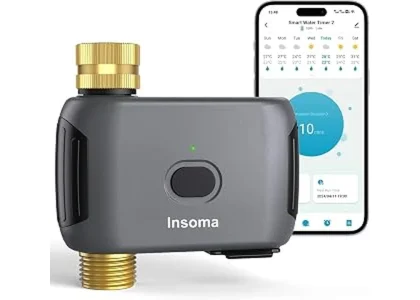
Many modern controllers are “smart” and can adjust watering based on weather data, further conserving water.
For instance, if you have a small front yard, you might only need one zone. This simplifies the programming. You can set it to water for 15-20 minutes every other day, depending on the weather.
Some controllers have rain sensors that will pause watering if it’s already raining. This is a great way to avoid wasting water and overwatering your lawn.
The valves work in tandem with the controller. When the controller sends a signal, the valve opens, allowing water to flow. When the signal stops, the valve closes.
This precise control ensures that water is delivered only when and where it’s needed. This efficiency is a major benefit of an irrigation system.
Sprinkler Head Types and Placement
Choosing the right sprinkler heads is important for effective watering. For small front yards, pop-up spray heads are often a good choice. They are designed for smaller areas and provide a consistent spray pattern.
What If Your Patio Became Your Favorite Spot This Fall?
Cooler evenings don’t have to send everyone indoors. Discover simple ways to turn your porch or patio into a warm, cozy place to gather after sunset.
They are also efficient, delivering water directly to the soil surface.
Rotary sprinklers might be used in slightly larger small yards or areas that need a more focused spray. They rotate and shoot a stream of water, covering a wider radius than spray heads. The key is proper placement.
Sprinkler heads should be spaced so that their spray patterns overlap. This ensures that the entire lawn receives water evenly.
If you have trees or bushes in your front yard, you might need different types of sprinklers or to adjust the heads to avoid watering them too much. Drip irrigation, while more common for garden beds, can sometimes be adapted for small lawn edges or tricky spots. The goal is to get water to the roots of the grass without excessive runoff or waste.
Benefits of an Irrigation System
Even for a small front yard, the benefits of installing an irrigation system can be significant. It’s not just about having a green lawn; it’s about efficiency, health, and convenience. Let’s look at why it makes sense for many homeowners.
Healthier Lawn and Better Curb Appeal
A consistent and appropriate amount of water is crucial for grass health. Irrigation systems ensure that your lawn receives this. They deliver water directly to the root zone, which helps grass grow strong and resilient.
What If Your Patio Became Your Favorite Spot This Fall?
Cooler evenings don’t have to send everyone indoors. Discover simple ways to turn your porch or patio into a warm, cozy place to gather after sunset.
This means fewer brown patches, less wilting, and a more vibrant green color.
A healthy, green lawn dramatically improves your home’s curb appeal. It makes your property look I’ll-cared for and attractive. For a small front yard, this visual impact can be substantial.
It creates a welcoming first impression for guests and passersby. It can also contribute to a higher property value.
When grass is stressed from lack of water, it becomes more susceptible to weeds and pests. Proper irrigation helps prevent this. A I’ll-watered lawn can better withstand foot traffic and environmental challenges.
This means less work for you in the long run trying to fix problems.
Water Conservation and Cost Savings
While it might seem counterintuitive, an irrigation system can actually help you conserve water. Automated systems can be programmed to water only when necessary and at the optimal time of day, usually early morning. This reduces water lost to evaporation, especially during hot afternoons.
What If Your Patio Became Your Favorite Spot This Fall?
Cooler evenings don’t have to send everyone indoors. Discover simple ways to turn your porch or patio into a warm, cozy place to gather after sunset.
Many modern systems also have rain sensors that automatically shut off the system when it rains, preventing overwatering.
By using water more efficiently, you can see a reduction in your water bills. Manual watering methods, like using a hose, can often lead to overwatering or water running off the lawn and into the street, which is wasteful. An irrigation system delivers water directly where it’s needed, so less water is wasted.
This makes it a more sustainable choice for your lawn care.
Smart controllers can be programmed with local weather data to adjust watering schedules automatically. This ensures that your lawn gets the right amount of water based on current conditions. This precise control means you’re not watering when it’s not needed, leading to significant water savings over time.
Reduced Maintenance Effort
For many homeowners, the biggest draw of an irrigation system is the reduction in maintenance effort. You no longer have to dedicate time each day or week to watering. The system handles it automatically.
This is a huge time saver, especially for those with busy schedules.
What If Your Patio Became Your Favorite Spot This Fall?
Cooler evenings don’t have to send everyone indoors. Discover simple ways to turn your porch or patio into a warm, cozy place to gather after sunset.
It also eliminates the physical labor involved in dragging hoses and wrestling with sprinklers. This can be particularly appealing to older adults or those with physical limitations. The convenience of a system that waters your lawn for you means you can spend your free time doing other things.
Even with a small front yard, the ongoing effort of manual watering can be a chore. An irrigation system removes this burden. It’s a one-time installation that provides ongoing convenience and a consistently healthy lawn with minimal daily effort from you.
Is it Worth Installing Lawn Irrigation for a Small Front Yard in the me?
When we consider Is it worth installing lawn irrigation for a small front yard in the me, the answer often leans towards ‘yes’ for many. The initial investment is a factor, but the long-term benefits in terms of lawn health, appearance, water efficiency, and saved time can make it a worthwhile decision. For a small yard, the cost of installation is generally lower than for a larger property.
This makes it more accessible.
Think about the cost of replacing a dead or unhealthy lawn. It can be expensive. Preventing this with a reliable watering system is a smart investment.
Plus, the convenience is something many homeowners truly value. Having a beautiful front yard without constant manual effort is a significant perk.
What If Your Patio Became Your Favorite Spot This Fall?
Cooler evenings don’t have to send everyone indoors. Discover simple ways to turn your porch or patio into a warm, cozy place to gather after sunset.
The decision ultimately depends on your priorities, budget, and how much time you want to spend on lawn care. However, for many, the ability to maintain a healthy, attractive lawn with ease and efficiency makes it a very appealing option. It takes the guesswork and labor out of keeping your front yard looking its best.
Cost vs. Benefit Analysis
To decide if Is it worth installing lawn irrigation for a small front yard in the me, a cost-benefit analysis is helpful. The cost includes the system’s components (sprinklers, pipes, controller, valves) and installation labor. For a small front yard, this might range from a few hundred to a couple of thousand dollars, depending on complexity and local labor rates.
The benefits, however, are often ongoing and substantial. These include reduced water bills due to efficient watering, less need for lawn repair due to disease or drought, and the value of your time saved. A healthy lawn also increases your home’s curb appeal, which can boost its market value.
For example, a homeowner might spend $1,000 to install a basic system. If it saves them $100 per year on their water bill and eliminates the need to spend 2 hours a week watering during the summer (valued at, say, $20/hour), that’s $100 + ($20 2 hours 16 weeks) = $100 + $640 = $740 in savings and value per year. This means the system could pay for itself in less than two years.
DIY vs. Professional Installation
When you are looking into Is it worth installing lawn irrigation for a small front yard in the me, you also have to think about how it will be put in. You can hire a professional installer, or you can do it yourself (DIY). Professional installation ensures the system is designed and installed correctly.
They have the expertise to plan the layout, choose the right components, and ensure everything is done to code. This often means a more reliable and efficient system.
What If Your Patio Became Your Favorite Spot This Fall?
Cooler evenings don’t have to send everyone indoors. Discover simple ways to turn your porch or patio into a warm, cozy place to gather after sunset.
However, professional installation comes with a higher cost. DIY installation can save money on labor. If you are comfortable with basic plumbing and digging, it can be a feasible option for a small front yard.
Many companies sell DIY kits that come with all the necessary parts and instructions. You’ll need to carefully plan the layout, dig trenches for the pipes, and connect the components.
For a small yard, a DIY installation might be more manageable. You can often complete it in a weekend. It’s important to research the process thoroughly and follow instructions precisely.
Whichever route you choose, ensure the system is properly designed for your specific lawn and needs.
When Irrigation Might Not Be Necessary
While irrigation offers many benefits, there are situations where it might not be necessary for a small front yard. If you live in an area with abundant rainfall that consistently provides enough moisture for your grass, an irrigation system might be overkill. You might also not need one if your front yard consists mostly of drought-tolerant ground cover or low-maintenance landscaping rather than a traditional lawn.
Another factor is your personal preference. Some people enjoy the ritual of watering their lawn by hand. If you find it relaxing or a good way to connect with your yard, then an automatic system might detract from that experience.
What If Your Patio Became Your Favorite Spot This Fall?
Cooler evenings don’t have to send everyone indoors. Discover simple ways to turn your porch or patio into a warm, cozy place to gather after sunset.
Also, if your front yard is extremely small, like a mere patch of grass, manual watering with a hose or watering can might be perfectly adequate and much cheaper.
Consider the long-term commitment. Irrigation systems require some maintenance, such as checking sprinklers for clogs or adjusting them as needed. If you’re not prepared for even minimal upkeep, it might be better to stick with manual watering.
Assess your local climate, your lawn’s specific needs, and your personal preferences before deciding.
Maintaining Your Irrigation System
Once you’ve decided to install an irrigation system for your small front yard, knowing how to maintain it is key. Regular checks ensure it runs smoothly and efficiently. Even simple maintenance can prevent bigger problems later.
Seasonal Checks and Adjustments
At the start of the watering season, usually spring, it’s important to perform a seasonal check. This involves turning on the water supply slowly and checking each zone. Look for any leaks in the pipes or at the sprinkler heads.
Make sure all sprinkler heads pop up properly and are spraying water in the correct direction. Adjust them as needed to ensure even coverage.
As the season progresses, you may need to make adjustments to your watering schedule. If you experience unusually dry weather, you might need to water more frequently. Conversely, if there’s a period of heavy rain, you can temporarily turn off the system or adjust the schedule to compensate.
Most modern controllers make these adjustments easy.
Before the end of the watering season, usually in the fall, you’ll need to winterize the system. This involves draining all the water out of the pipes and sprinkler heads to prevent them from freezing and cracking during the winter months. This process is crucial to protect your investment and ensure the system is ready for the next spring.
Troubleshooting Common Issues
Sometimes, irrigation systems can encounter minor issues. One common problem is clogged sprinkler heads. Debris can get into the nozzles, affecting the spray pattern or preventing water from coming out.
Most nozzles can be unscrewed and cleaned easily. If a sprinkler head isn’t popping up, the valve might be stuck, or there might be a clog in the riser.
Leaky pipes or fittings are another issue. These can waste water and lower water pressure. If you notice pooling water or an unusually wet spot in your yard, it could indicate a leak.
Sometimes these can be repaired by tightening fittings or replacing a section of pipe. If you’re unsure, it’s best to call a professional.
The controller might also malfunction. If the system isn’t turning on or off at the programmed times, check the power supply and the settings. Sometimes, a simple reset can fix the problem.
If you’ve tried basic troubleshooting and the issue persists, it’s a good idea to contact an irrigation specialist.
Frequently Asked Questions
Question: Will an irrigation system make my lawn too wet?
Answer: Not if it’s programmed correctly. Modern systems allow you to set precise watering times and frequencies. With features like rain sensors, they can even pause watering when it’s already raining, preventing your lawn from becoming waterlogged and ensuring it only gets the water it needs.
Question: How much does it cost to install a system for a small yard?
Answer: The cost can vary, but for a small front yard, you might expect to spend anywhere from $500 to $2,000 for professional installation. DIY kits can be less expensive, often costing a few hundred dollars for materials.
Question: Can I use a smart controller for a simple system?
Answer: Yes, many smart controllers are designed to work with simple systems and can offer advanced features like weather-based adjustments, even for a single zone. This can further optimize water usage.
Question: How often should I water my small front yard?
Answer: This depends on your climate, soil type, and grass variety. Generally, aiming for about one inch of water per week, delivered in fewer, deeper watering sessions, is recommended. An irrigation system can be programmed to achieve this automatically.
Question: Does an irrigation system require a lot of maintenance?
Answer: Basic maintenance, like checking sprinklers and adjusting schedules seasonally, is needed. For small yards, this is usually manageable. Most systems are designed to be reliable with minimal ongoing attention.
Wrap Up
So, Is it worth installing lawn irrigation for a small front yard in the me? For many, the answer is yes. It provides consistent watering for a healthy, attractive lawn.
It saves you time and effort. Efficient systems can also conserve water and lower bills. It’s a practical way to keep your small front yard looking its best with less hassle.