I installed my own in-ground sprinkler system two summers ago. It took me three weekends. I saved about $3,000 compared to hiring a pro. Was it worth it? Every time my sprinklers pop up and water the lawn without me touching a hose, yes. Here is exactly how to do it yourself.
What You Need Before You Start
You need a complete design plan. If you do not have one yet, read my guide on how to design a sprinkler system first. Trying to install without a plan is like building a house without blueprints. You will waste time and money.
You also need to call 811 before you dig. This is not optional. Utility companies will come mark underground lines for free. Hitting a gas line or electrical cable can kill you. The call takes 5 minutes. The marking service takes 2 to 3 days. Plan for it.
Step 1: Mark the Layout on Your Lawn
Using your design plan, mark where every sprinkler head goes. Use spray paint or marking flags. Also mark where the pipes run. Also mark where the valve manifold goes. Also mark where the controller mounts.
Walk the layout before you dig. Make sure the head spacing looks right. Make sure pipes do not run under driveways or large tree roots unless absolutely necessary. Adjust the plan on the ground if something looks wrong. It is easier to change spray paint than buried pipe.
Step 2: Tap Into the Water Supply
You need a dedicated water connection for the sprinkler system. The best option is tapping into the main water line before it enters the house. This gives you maximum flow and pressure. This step requires shutting off water to the entire house.
🍂 The Silent Lawn Killer: Damp Leaves Will Suffocate Your Grass
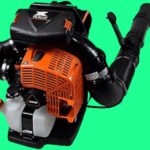
Trapped wet leaves create a breeding ground for destructive snow mold. Clear the yard fast with a high-power cordless blower before the ground freezes.
Alternative: Connect to an exterior spigot that has a dedicated shut-off valve. This is easier but limits flow rate. Most exterior spigots share a line with the house and do not provide enough water for a full sprinkler system.
Install the backflow preventer at this connection point. It is required by code in most places. It prevents sprinkler water from flowing backward and contaminating your drinking water. This is the one part where hiring a plumber might be worth it if you are not confident with plumbing work.
Step 3: Build the Valve Manifold
The valve manifold is a group of zone valves connected to the main water line. Each valve controls one zone. Build the manifold before you dig trenches. It is easier to assemble above ground.
Connect the valves with PVC pipe and fittings. Each valve has an inlet from the main line and an outlet to the lateral line. Install a master valve if your design calls for one. A master valve shuts off water to the entire system if a zone valve fails open.
Place the assembled manifold in a valve box. The box protects the valves and keeps dirt out. Set the box in the ground near the water source. The lid should be flush with the ground surface.
Step 4: Dig the Trenches
This is the hardest part. You can rent a trencher for about $100 per day. It saves hours of back-breaking labor. Or you can dig by hand with a trenching shovel.
🍂 The Silent Lawn Killer: Damp Leaves Will Suffocate Your Grass
Trapped wet leaves create a breeding ground for destructive snow mold. Clear the yard fast with a high-power cordless blower before the ground freezes.
Trenches need to be 6 to 12 inches deep. Deeper is better in cold climates to protect against freezing. Trenches for the main line should be deeper than lateral lines. Keep trenches as straight as possible. Curves are fine but they use more pipe and add friction.
Put the dirt on one side of the trench. You will use it to fill back in later. If you have sod, cut it in strips and set it aside. You can lay it back down after the pipes are buried.
Step 5: Lay the Pipe
Start with the main line from the water source to the valve manifold. Use 1-inch PVC pipe. Cut with a PVC cutter or hacksaw. Debur the edges. Dry-fit everything first. Then glue.
Apply PVC primer to both the pipe end and the inside of the fitting. Then apply PVC cement. Push together and hold for 30 seconds. The glue sets fast. You cannot pull it apart once connected. Work section by section. Do not glue long runs at once.
Run lateral lines from each valve to the sprinkler heads in that zone. Use 3/4-inch or 1-inch PVC depending on the number of heads. Install swing joints or funny pipe at each head location. These flexible connectors let you adjust head height and angle without cracking the rigid PVC.
Step 6: Install Sprinkler Heads
Thread each sprinkler head onto its swing joint or riser. Use Teflon tape on the threads. Two wraps only. Hand-tighten. Then give it a quarter turn with a wrench. Do not overtighten. Plastic threads strip easily.
🍂 The Silent Lawn Killer: Damp Leaves Will Suffocate Your Grass
Trapped wet leaves create a breeding ground for destructive snow mold. Clear the yard fast with a high-power cordless blower before the ground freezes.
The top of each head should be flush with the soil surface. Not above. Not below. Flush. If a head sits too high, a lawn mower will hit it. If it sits too low, grass will block the spray. Adjust the height by adjusting the swing joint.
Leave the heads unadjusted for now. You will set the spray patterns after testing. Install nozzles on spray heads. Insert the correct nozzle in each rotor.
Step 7: Run the Control Wire
Run sprinkler wire from the controller location to the valve manifold. Use UF-rated underground sprinkler wire. The number of strands should equal the number of valves plus one for the common wire.
Bury the wire in the same trench as the pipes. Keep it at least 2 inches away from the pipe. At each valve, strip the wire and connect to the valve solenoid. Use waterproof wire connectors. These are filled with silicone and protect the connection from moisture.
Label every wire at both ends. Valve 1. Valve 2. Common wire. Trust me on this. You will not remember which wire goes where in six months.
Step 8: Connect the Controller
Mount the controller on the wall near a power outlet. In the garage is ideal. On an exterior wall under an eave is also common. Connect the zone wires to the numbered terminals. Connect the common wire to the C terminal. Connect the power supply.
🍂 The Silent Lawn Killer: Damp Leaves Will Suffocate Your Grass
Trapped wet leaves create a breeding ground for destructive snow mold. Clear the yard fast with a high-power cordless blower before the ground freezes.
If you installed a rain sensor, connect its wires to the sensor terminals. If you have a smart controller like a Rachio, follow the app setup wizard after the physical wiring is done.
Step 9: Test the System Before Burying
Do not bury the trenches yet. Turn on the water to the system. Pressurize slowly. Walk the entire layout looking for leaks. Dripping fittings. Spraying connections. Hissing sounds. Fix every leak before going further.
Turn on each zone from the controller. Watch the heads pop up and spray. Look for heads that do not pop up. Look for spray patterns that hit the house or sidewalk. Adjust the arcs and spray distance on each head. Check for head-to-head coverage. Make sure every inch of lawn gets water.
This is your chance to fix problems. Once the trenches are filled, fixes are much harder.
Step 10: Fill the Trenches and Restore the Lawn
Once everything works, fill the trenches with the dirt you set aside. Pack it down firmly. Overfill slightly because the dirt will settle. Water the filled trenches to help the soil settle.
Lay the sod strips back if you saved them. Water them well. If you did not save sod, spread grass seed on the bare dirt. Cover lightly with straw. Water daily until the new grass establishes.
🍂 The Silent Lawn Killer: Damp Leaves Will Suffocate Your Grass
Trapped wet leaves create a breeding ground for destructive snow mold. Clear the yard fast with a high-power cordless blower before the ground freezes.
Set the controller schedule. Program the correct days, start times, and run times for each zone. The default schedule on most controllers is terrible. Adjust it for your lawn type, soil, and climate.
Common Installation Mistakes
Skipping the backflow preventer. Your drinking water and your sprinkler water are connected. The backflow preventer keeps them separate. It is required by code for a reason.
Using too little glue on PVC joints. A joint that blows apart underground is a nightmare to fix. Use enough glue. Overtightening plastic fittings. Plastic threads strip. Hand-tighten and then just a quarter turn more with a wrench. Burying heads at the wrong height. Flush with soil. Not above. Not below. Flush.
Shop Sprinkler Installation Supplies on Amazon

Shop In-Ground Sprinkler Systems
🍂 The Silent Lawn Killer: Damp Leaves Will Suffocate Your Grass
Trapped wet leaves create a breeding ground for destructive snow mold. Clear the yard fast with a high-power cordless blower before the ground freezes.
Disclosure: As an Amazon Associate I earn from qualifying purchases. Prices and availability were checked on June 17, 2026 and may change.
Affiliate Disclosure: As an Amazon Associate, grassblogger.com earns from qualifying purchases. When you buy through our links, we may earn a commission at no extra cost to you.