Last Updated on June 26, 2026 by D. Ruddy
Your lawn is being invaded but chemical warfare isn’t the only answer. Learning how to get rid of weeds in lawn naturally doesn’t mean going soft. It means outsmarting them with thick turf, smart timing, and research-backed methods that actually work. After fighting every common weed from crabgrass to creeping charlie across multiple seasons, I found only a handful worth your time. Here’s what works, what doesn’t, and exactly when each method earns its place.
✅ Key Points at a Glance
- The most effective natural control: Growing thick dense lawn. Mow high (3″+), water deeply once weekly, overseed every fall.
- The best spot treatment: Horticultural vinegar spray for driveways and walkway cracks only. Never on living grass.
- What NOT to do: Never pour salt near desired plants. It sterilizes soil permanently.
- The honest truth: No natural method permanently kills deep-rooted perennial weeds. Long-term suppression through healthy turf beats any one-time fix.
Quick Answer: How to Get Rid of Weeds in Your Lawn Naturally
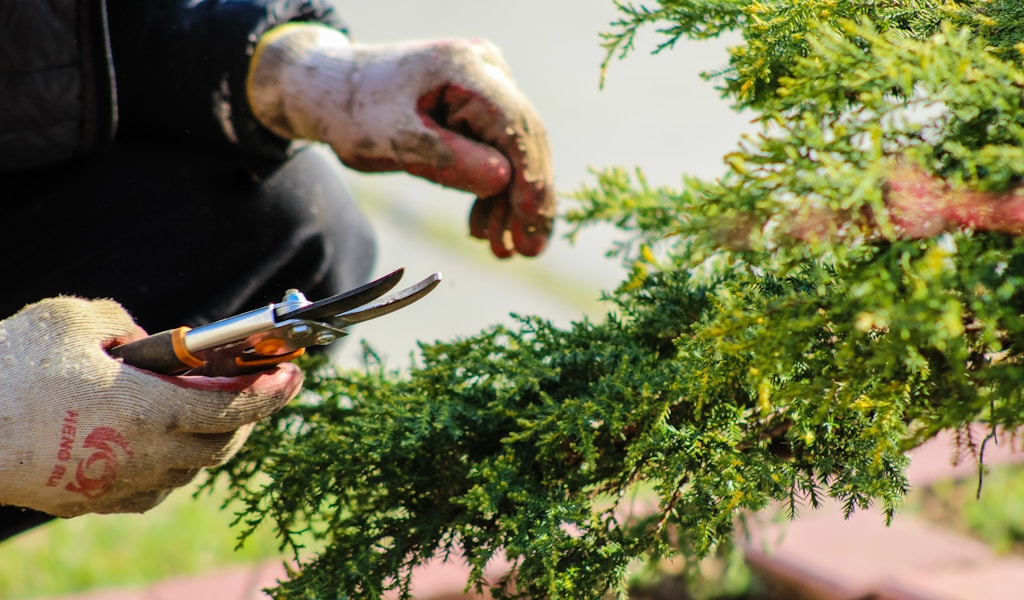
Fight small patches by hand-pulling weeds when soil is moist after rain. Make sure you remove the entire root system.
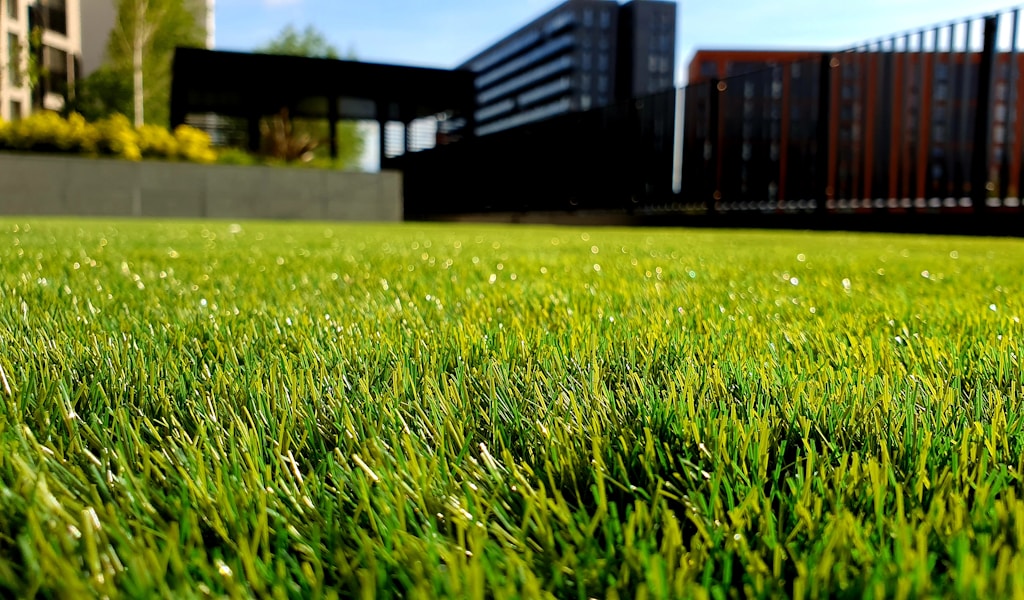
Fight large infestations by building a denser, healthier lawn. Raise mower blade above 3 inches, water deeply no more than once per week, fertilize properly, and overseed every fall. Thick grass physically blocks weeds from getting sunlight. Prevention beats cure every single time.
For driveway, patio, and walkway weeds: Boiling water and horticultural vinegar kill weeds rapidly on non-living surfaces without leaving toxic residue.
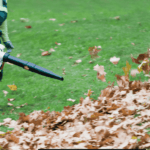
🍂 The Silent Lawn Killer: Damp Leaves Will Suffocate Your Grass
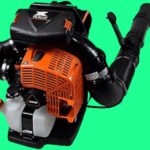
Trapped wet leaves create a breeding ground for destructive snow mold. Clear the yard fast with a high-power cordless blower before the ground freezes.
What Actually Works Naturally On Your Living Lawn
These methods reduce weed pressure without chemicals. They work because they strengthen turf health so weeds can’t compete.
| Method | How It Works | Best For | Rating |
|---|---|---|---|
| Mow High (3″+) | Taller grass shades soil blocking weed seed germination | All lawns, all weed types, long-term prevention | ★★★★☆ |
| Water Deeply & Infrequently | Promotes deep grass roots; surface stays dry so shallow weeds starve | Lawns with frequent light sprinkling encouraging clover and chickweed | ★★★★☆ |
| Overseed Thin Areas Each Fall | New grass fills gaps where weed seeds currently find room to grow | Spring bare spots, worn high-traffic zones, recovery projects | ★★★★★ |
| Hand-Pull Young Seedlings | Removes individual weeds before seed dispersal or runners spread | Small isolated patches of dandelions, clover, early crabgrass | ★★★☆☆ |
| Apply Mulch to Border Beds | Physical barrier blocks light to seed layer. UNH confirmed 3-4 inches suppresses 90% germination. | Flower beds, around trees, perimeter borders adjacent to lawn | ★★★★★ |
Research-Backed Facts
- Mowing height matters: Cornell University notes mowing at 3 inches or higher promotes deep rooting and cools soil, reducing weed pressure.
- Water deeply, not constantly: UC turf guidance says deep infrequent watering builds deeper roots; shallow frequent watering invites weeds.
- Mulch correctly: UNH Extension confirmed 3-4 inch mulch layers block up to 90% of weed germination.
- Pull when moist: University of Lincoln guidance confirms pulling after rainfall enables complete root extraction.
Natural Methods That Work ONLY in Specific Places (NOT on Grass)
Here’s brutal honesty competitors skip: these remedies do not work everywhere. Apply them wrong and you lose your grass.
| Method | Safe Use Zones | NEVER Use Here |
|---|---|---|
| Horticultural Vinegar (20-30%) | Driveway cracks, patio joints, paver gaps, gravel paths, walkway seams | Anywhere grass or desirable plants exist |
| Boiling Water | Sidewalk cracks, driveway slabs where no vegetation is wanted | Living lawn areas |
| Salt / Rock Salt | ONLY permanent driveways and paver joints – nothing grows there anyway | NEVER on grass or garden beds – sterilizes soil for months |
| Corn Gluten Meal | Established lawns only, early spring as pre-emergent barrier | Vegetable gardens, newly seeded areas – prevents ALL seeds from sprouting |
| Cardboard + Mulch | Large bed renovations, new planting areas | Existing live grass – blocks all light and oxygen |
| Flame Weeder | Non-flammable gravel paths, concrete cracks, low wind only | Dry grass, near mulch, fire risk zones |
⚠ About Vinegar: Horticultural vinegar burns foliage within hours but does NOT kill deep taproots. Perennial weeds regrow regardless of acid concentration. Household white vinegar (5%) is useless on established weeds.
⚠ About Salt: Salt kills weeds rapidly but leaves saline residues preventing anything (including microbes, worms, future plants) from growing for months. Use only where nothing should ever grow again.
🍂 The Silent Lawn Killer: Damp Leaves Will Suffocate Your Grass
Trapped wet leaves create a breeding ground for destructive snow mold. Clear the yard fast with a high-power cordless blower before the ground freezes.
What NOT to Use On a Living Lawn
- Salt anywhere near grass: Even overspray contaminates root zones permanently.
- Bleach on lawn: Bleaches tissue instantly and poisons soil organisms.
- Undiluted vinegar sprayed carelessly: Non-selective. Kills grass wherever droplets land.
- Flame weeder near dry grass: Obvious fire risk, especially summer.
- Ignoring seed heads: Pulling visible weeds means nothing if they already flowered and released thousands of airborne seeds.
Best Natural Method by Weed Type
| Weed | Why It’s Tough | Best Method | Why It Works |
|---|---|---|---|
| Dandelions | Deep taproot up to 18 inches, seeds fly everywhere | Dig entire taproot with weeding fork, extract minimum 6 inches | Breaking root above crown guarantees regrowth in 2 weeks |
| Crabgrass | Star-shaped spreader, thrives in hot dry conditions | Corn gluten pre-emergent at 50F soil temp + thick turf | Blocks germination before emergence; thick turf prevents anchoring |
| Nutsedge | Triangular stems, underground tubers, loves wet soil | Improve drainage, reduce moisture, repeatedly pull shoots | Removing excess moisture starves tubers, forces retreat |
| Clover | Nitrogen-fixer, spreads via stolons, tolerates poor soil | Boost soil nitrogen with fertilizer, increase turf density | Clover thrives in low nitrogen; proper feeding removes its advantage |
| Chickweed | Low mat-forming annual, spreads fast in cool moist shade | Remove before flowering, raise mow height, improve drainage | Dense shading removes bare soil pockets chickweed needs |
| Plantain | Broadleaf perennial, thrives in compacted high-traffic soil | Hand-pull when wet, aerate, apply compost annually | Loosening soil disrupts plantain’s compacted habitat advantage |
7-Day Lawn Rescue Action Plan
| Day | Action | Details |
|---|---|---|
| Day 1 | Identify Weeds | Walk yard, list every weed type, take photos. Consult table above. |
| Day 2 | Raise Mower Height | Set mower deck above 3 inches. Taller grass shades soil immediately. |
| Day 3 | Pull Visible Weeds | After rain or watering when soil is soft. Remove as much root as possible. |
| Day 4 | Edge and Mulch | Clean flower bed borders. Apply 3-inch mulch layer along lawn margins. |
| Day 5 | Overseed Thin Zones | Spread matching grass seed. Lightly rake. Water gently first 2 weeks. |
| Day 6 | Water Deeply | Run sprinklers longer to saturate full 6-inch root zone, not light daily sprinkles. |
| Day 7 | Inspect and Repeat | Check old weed holes, new sprouts, seeded patches. Identify remaining hot spots. |
Seasonal Weed Prevention Calendar
| Season | Priority Actions | Target Weeds |
|---|---|---|
| Early Spring | Apply corn gluten pre-emergent at 50F. First mow at 3″. Aerate winter-damaged zones. | Crabgrass, spurge, chickweed, henbit |
| Late Spring | Hand-pull visible invaders. Overseed thin winter patches. Begin weekly deep watering. | Dandelion, clover, creeping charlie, plantain |
| Summer | Maintain mow height. Spot treat driveway/patio weeds with boiling water or vinegar. | Nutsedge, crabgrass, dallisgrass, bermuda |
| Fall | Major overseeding. Aerate entire yard. Topdress with compost. Leave mulched leaves. | Annual winter weeds awaiting spring germination |
Frequently Asked Questions
Does vinegar kill weeds permanently?
No. Vinegar only damages foliage it contacts. Deep taproots survive, especially perennials like dandelions. They regrow within weeks.
Is corn gluten meal worth buying?
University of Minnesota studies show mixed results. It may suppress some weed seed germination, but timing must be precise. It’s a good supplement to thick turf, not a sole reliance solution.
How do I keep weeds from coming back?
Grow thicker, denser, healthier grass. Maintain mower above 3 inches. Water deeply and rarely. Fertilize appropriately. Overseed every autumn.
What kills weeds without killing grass?
Natural selective options are limited. Hand pulling remains the safest approach for spot treating individual weeds among living grass.
🍂 The Silent Lawn Killer: Damp Leaves Will Suffocate Your Grass
Trapped wet leaves create a breeding ground for destructive snow mold. Clear the yard fast with a high-power cordless blower before the ground freezes.
Can I sprinkle baking soda on weeds?
Baking soda raises local pH and damages plant tissue, similar to salt. It risks sterilizing soil and affecting future plants.
Should I mulch leaves or bag them?
Mulch them. Finely chopped leaves feed soil microbes, return nutrients, and act as a thin blanket suppressing winter annual weeds.
🌱 Ready For A Weed-Free Lawn?
My top recommendation: mow high, water deeply, overseed every fall, and hand-pull the rest. For driveway cracks, grab quality horticultural vinegar for rapid spot knockdown.
Disclosure: As an Amazon Associate I earn from qualifying purchases at no extra cost to you.