Last Updated on June 7, 2026 by D. Ruddy
I’ve spent a lot of time working through this, and I want to share what I’ve learned. Here’s my straightforward advice based on hands-on experience.
I’ll cover everything you need to do to get a beautiful green yard. First, let’s look at what you’ll learn.
Understanding Compacted Soil on New Construction Sites
When a house is built, heavy machines and foot traffic press down the soil a lot. This makes the soil particles pack together tightly. This packed-down soil, called compacted soil, makes it hard for air, water, and plant roots to move through.
It’s like trying to grow a plant in a brick. For beginners, seeing this hard ground can be discouraging. They wonder if it’s even possible to get grass to grow.
The main challenge is creating a soft, welcoming place for grass to take root.
September Outdoor Sale — Save Up to 52%
A new month means new ways to upgrade your patio, garden & lawn for less. We’ve rounded up popular outdoor picks with savings up to 52%. Don’t wait—these offers can change anytime!
The problem of compacted soil is widespread in areas with new housing developments. Builders often leave the topsoil in rough shape. This can make starting a garden or a lawn very difficult for new homeowners.
They might not know that the soil needs special attention. This guide aims to make that process clear and simple. I’ll break down what compacted soil is and why it’s a problem for growing grass.
What is Soil Compaction?
Soil compaction happens when soil particles are squeezed together. This reduces the spaces between them. These spaces are important for air and water to flow.
It also helps plant roots grow down into the ground. When soil is compacted, there’s less room for air and water. This means plant roots struggle to get what they need to survive and grow.
Imagine a sponge. When it’s dry and squeezed, it becomes hard and flat. When you add water, it swells up, and there are little pockets of air and water within it.
Soil works similarly. Healthy soil has many little pockets. These pockets let water drain and air reach the roots.
September Outdoor Sale — Save Up to 52%
A new month means new ways to upgrade your patio, garden & lawn for less. We’ve rounded up popular outdoor picks with savings up to 52%. Don’t wait—these offers can change anytime!
Compaction squeezes out these pockets. This is bad for any plant, especially new grass.
Why New Construction Sites Have Compacted Soil
Construction work involves heavy machinery like bulldozers, excavators, and trucks. These machines drive over the land many times. Their weight presses down on the soil.
This squishes the soil particles very close together. Also, workers walk on the soil a lot. This also adds to the pressure.
The top layer of soil, called topsoil, is usually removed during the early stages of construction. This exposes the denser subsoil underneath. Subsoil is naturally harder to work with.
When the topsoil is eventually put back, it might be mixed with the compacted subsoil. This creates a tough environment for a new lawn to grow.
Impact on Lawn Establishment
When soil is compacted, grass seed has a hard time sprouting. The tiny roots can’t push through the hard ground to find water and nutrients. If you try to lay sod, the roots won’t be able to grow down into the soil.
September Outdoor Sale — Save Up to 52%
A new month means new ways to upgrade your patio, garden & lawn for less. We’ve rounded up popular outdoor picks with savings up to 52%. Don’t wait—these offers can change anytime!
This makes the sod weak and easy to pull up. Water also has trouble soaking in. Instead of reaching the roots, it might just run off the surface.
This can lead to dry patches where grass struggles to grow.
The lack of air in compacted soil also hurts grass. Grass roots need oxygen to live, just like we do. Without enough air, roots can’t function I’ll.
This makes the grass weaker and more likely to get diseases or die off, especially during hot or dry weather.
Breaking Up Compacted Soil for a New Lawn
The first big step to getting a lawn on tough ground is to loosen it up. You need to break apart that packed-down soil. This process makes it possible for grass to grow I’ll.
There are a few ways to do this, and the best method depends on how bad the compaction is and the size of your yard. The goal is to create a better environment for grass roots.
September Outdoor Sale — Save Up to 52%
A new month means new ways to upgrade your patio, garden & lawn for less. We’ve rounded up popular outdoor picks with savings up to 52%. Don’t wait—these offers can change anytime!
Think of it like preparing a bed for a flower. You wouldn’t just throw seeds on hard dirt. You would dig it up and make it soft.
I’ll look at the tools and methods you can use to make your soil much better for new grass.
Methods for Loosening Soil
There are two main ways to tackle compacted soil: manual labor and using tools. For smaller areas, a shovel and some effort can work. For larger yards, renting equipment might be a better choice.
The key is to create channels and spaces in the soil.
One effective method is called aeration. This is where you use a tool to poke holes in the soil. These holes let air and water get deeper into the ground.
Another method is tilling, which involves turning the soil over to break it up. I’ll explore these in more detail.
September Outdoor Sale — Save Up to 52%
A new month means new ways to upgrade your patio, garden & lawn for less. We’ve rounded up popular outdoor picks with savings up to 52%. Don’t wait—these offers can change anytime!
Manual Aeration with a Garden Fork
A garden fork is a basic tool many people have. You can use it to aerate small patches of soil. Push the tines of the fork into the ground as deeply as you can.
Wiggle it back and forth a bit to loosen the soil around the holes. Then, pull the fork out and move to the next spot. Overlap your holes slightly.
This method is good for small areas or if you only have a basic garden fork. It takes time and effort, but it helps improve air and water flow. You should aim to create many holes across the entire area you plan to plant grass.
Using a Power Aerator
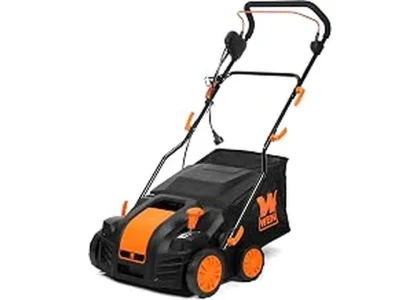
For larger yards, a power aerator is a great tool. You can rent these from garden supply stores. A power aerator has hollow tines that pull plugs of soil out of the ground.
This creates holes that go much deeper than a garden fork can. The plugs of soil are left on the surface to break down.
Using a power aerator is much faster and less tiring than doing it by hand. It’s very effective at breaking up severe compaction. You’ll need to go over the entire lawn area with the aerator.
September Outdoor Sale — Save Up to 52%
A new month means new ways to upgrade your patio, garden & lawn for less. We’ve rounded up popular outdoor picks with savings up to 52%. Don’t wait—these offers can change anytime!
Make sure the holes are spaced closely enough to make a real difference.
Tilling the Soil
Tilling involves using a machine called a tiller or rototiller to break up and mix the soil. This is a more aggressive method that can turn over the soil to a depth of 6-8 inches. It breaks up large clumps and mixes in any amendments you might add.
Tilling can be very effective for severely compacted soil.
However, tilling can sometimes bring weed seeds to the surface. It also breaks up soil structure, which can lead to faster re-compaction if not managed carefully. It’s often best to till once to break up the compaction and then follow up with less disruptive methods.
Adding Soil Amendments
Once you’ve loosened the soil, it’s a good time to add things that will improve its quality. These are called soil amendments. They help make the soil more workable, add nutrients, and improve drainage.
Compost is one of the best amendments you can use. It’s made from decomposed organic matter, like leaves and food scraps.
September Outdoor Sale — Save Up to 52%
A new month means new ways to upgrade your patio, garden & lawn for less. We’ve rounded up popular outdoor picks with savings up to 52%. Don’t wait—these offers can change anytime!
Compost helps to bind soil particles together in a good way. This creates better structure. It also adds valuable nutrients that grass needs to grow strong.
Other amendments include peat moss, which helps retain moisture, and sand, which can improve drainage in clay soils. It’s a good idea to get your soil tested to see what amendments it needs.
Real-life Example: The Miller family bought a new house and their backyard was extremely hard. They rented a power aerator and went over the whole yard. After aerating, they spread a 2-inch layer of compost.
They then lightly tilled it into the top 4 inches of soil. This made a huge difference. The soil was much easier to dig in, and it looked darker and richer.
Preparing the Ground for Planting
After you’ve broken up the compacted soil, the next step is to get the surface ready for grass. This means leveling the ground and making sure it’s smooth. A smooth surface helps the grass grow evenly.
It also makes mowing much easier later on. This preparation is key to getting a nice lawn from the start.
September Outdoor Sale — Save Up to 52%
A new month means new ways to upgrade your patio, garden & lawn for less. We’ve rounded up popular outdoor picks with savings up to 52%. Don’t wait—these offers can change anytime!
You’ll want to remove any large rocks, debris, or roots that might still be in the soil. These can get in the way of grass growth. I’ll go through the simple steps to get your yard perfectly smooth and ready for seed or sod.
Leveling the Lawn Area
You can level the ground using a rake. Start by pulling the soil towards any low spots. Then, push the soil away from any high spots.
Your goal is to create a mostly flat surface. It doesn’t need to be perfectly flat, but it should be free of large bumps and dips.
For very uneven areas, you might need to add a bit of new topsoil. Spread this new soil evenly over the existing ground. Then, rake it smooth.
Be careful not to make the new layer too thick, especially if you’re planning to seed. A thin layer of good topsoil over the loosened native soil is usually best.
Removing Debris
As you rake, pick up any rocks, branches, construction scraps, or roots you find. These items can prevent grass seed from germinating or get tangled in mower blades. Small pebbles are usually okay, but larger rocks should be removed.
September Outdoor Sale — Save Up to 52%
A new month means new ways to upgrade your patio, garden & lawn for less. We’ve rounded up popular outdoor picks with savings up to 52%. Don’t wait—these offers can change anytime!
If you find old roots from trees that I’m removed, try to dig them out as much as possible. Large roots can create dead spots in your lawn. A metal detector can sometimes help find buried metal debris from construction.
Final Raking and Smoothing
Once the area is mostly level and free of debris, do a final raking. This breaks up any remaining small clumps of soil. It also creates a fine, crumbly texture on the surface.
This fine texture is ideal for grass seed to make good contact with the soil.
The surface should feel firm but not hard. You can test this by walking on it. If your footprints sink in very deeply, it’s still too loose, and you might need to let it settle or compact it slightly.
If it’s too hard, you may need to loosen it more.
Choosing the Right Grass Type
The type of grass you choose is very important, especially for tough conditions. For areas with compacted soil or that might experience drought, look for grass varieties that are known to be hardy. Cool-season grasses like Tall Fescue are a good choice for many regions.
September Outdoor Sale — Save Up to 52%
A new month means new ways to upgrade your patio, garden & lawn for less. We’ve rounded up popular outdoor picks with savings up to 52%. Don’t wait—these offers can change anytime!
They have deep root systems that can help them find water.
Warm-season grasses like Bermuda grass or Zoysia grass are also very tough and can handle heat and drought once established. Check with your local garden center or extension office to find out which grass types grow best in your specific climate and soil conditions. They can give you the best advice for your area.
Seeding vs. Sodding
You have two main options for getting grass: seeding or sodding. Seeding is planting grass seed. It’s less expensive and gives you more control over the grass type.
However, it takes longer to establish and requires more care in the beginning.
Sodding involves laying down pre-grown mats of grass. It’s more expensive but provides an instant lawn. Sod needs good contact with the soil underneath to establish roots.
This is why loosening the soil is so important for sod to take hold.
September Outdoor Sale — Save Up to 52%
A new month means new ways to upgrade your patio, garden & lawn for less. We’ve rounded up popular outdoor picks with savings up to 52%. Don’t wait—these offers can change anytime!
Planting Your New Lawn
Now that the ground is ready, it’s time to put the grass in! You can either spread grass seed or lay down sod. Both methods have their own steps to follow.
The goal is to get the grass started and growing strong. It’s an exciting part because you’ll start to see your lawn take shape.
I’ll explain how to do both seeding and sodding so you can choose what’s best for you. Following these steps will help ensure your new grass gets the best possible start.
Seeding Your Lawn
If you’re seeding, spread the grass seed evenly over the prepared area. You can use a broadcast spreader for large areas or a hand spreader for smaller ones. Follow the recommended seeding rate for the type of grass you’re using.
It’s often helpful to divide the seed into two equal parts and spread one half in one direction (e.g., north to south) and the other half perpendicular to that (e.g., east to west). This ensures more even coverage.
After spreading the seed, gently rake it into the top 1/4 inch of soil. This helps the seed make good contact with the soil. Then, lightly water the area.
September Outdoor Sale — Save Up to 52%
A new month means new ways to upgrade your patio, garden & lawn for less. We’ve rounded up popular outdoor picks with savings up to 52%. Don’t wait—these offers can change anytime!
You want the soil to be moist but not waterlogged.
Watering After Seeding
Keep the seeded area consistently moist. This means watering lightly and frequently, perhaps several times a day, especially during dry or hot weather. The goal is to keep the top layer of soil damp so the seeds can sprout.
Once the grass starts to grow, you can gradually reduce the frequency of watering but water more deeply.
Early watering is crucial. If the seedbed dries out, the new seedlings will die. You can use a gentle spray from a hose or a sprinkler.
Avoid heavy watering that could wash the seeds away.
Scenario: Sarah wants to seed her backyard. She aerated and added compost, then raked it smooth. She bought a fescue blend.
September Outdoor Sale — Save Up to 52%
A new month means new ways to upgrade your patio, garden & lawn for less. We’ve rounded up popular outdoor picks with savings up to 52%. Don’t wait—these offers can change anytime!
She used a spreader to put the seed down, going in two directions. Then she lightly raked it in and used a gentle spray to keep it moist for the first two weeks. She saw tiny green sprouts appearing after about a week and a half.
Sodding Your Lawn
If you’re using sod, lay the strips of sod tightly together. Start along one edge of your lawn and work your way across. Make sure there are no gaps between the strips.
You may need to cut the sod to fit around curves or obstacles using a sharp knife or a sod cutter.
After laying the sod, it’s important to press it down. You can do this by walking on it or using a lawn roller. This ensures good contact between the sod and the soil below.
This contact is essential for the sod’s roots to grow into the ground.
Watering After Sodding
Water the newly laid sod immediately and thoroughly. The goal is to moisten the sod and the soil underneath. For the first week or two, keep the sod consistently moist.
Water deeply once a day, or more often if it’s very hot. You should be able to lift a corner of the sod and see that the soil beneath is damp.
As the sod begins to root, you can gradually decrease watering to a normal lawn schedule. You’ll know the sod has rooted when it doesn’t lift easily anymore.
Real-life Example: The Chen family decided to sod their entire front yard because they wanted an instant lawn. After preparing the soil by tilling and adding compost, they had sod delivered. They laid it out carefully, fitting the pieces together.
They then used a rented roller to press the sod down. They watered it twice a day for the first week, and by week three, the sod looked like it had been there for months.
Fertilizing Your New Lawn
A starter fertilizer is a good addition when planting a new lawn. These fertilizers are specially formulated to help new grass establish strong roots. Look for a fertilizer with a higher phosphorus content, often shown as the middle number in the N-P-K ratio on the bag (e.g., 10-20-10).
For seeding, you can mix the starter fertilizer into the soil before seeding or apply it right after. For sod, you can apply it after the sod is in place. Always follow the instructions on the fertilizer bag for the correct application rate.
Caring for Your New Lawn
Once your grass is planted, the work isn’t quite over. You need to take care of it to help it grow strong and healthy. This means proper watering, mowing at the right height, and keeping an eye out for any problems.
Consistent care in the early months is very important for a lasting lawn.
I’ll cover the best practices for watering and mowing. This will help your new lawn thrive and become the beautiful green space you’ve been hoping for.
Watering Your Established Lawn
As your lawn matures, you’ll need to adjust your watering schedule. The goal is to water deeply but less often. This encourages the grass roots to grow deeper into the soil, making the lawn more drought-tolerant.
Aim for about 1 inch of water per week, which might mean watering once or twice a week, depending on the weather.
Water in the early morning hours. This reduces water loss due to evaporation. It also helps prevent fungal diseases that can grow in damp conditions overnight.
Check the soil moisture by pushing a screwdriver into the ground. If it goes in easily to about 6 inches, the soil is moist enough.
Mowing Your New Lawn
When mowing for the first time, wait until the grass reaches about 3 inches in height. Always use a sharp mower blade. A dull blade can tear the grass, making it look brown and weak and more prone to disease.
Never cut off more than one-third of the grass blade at a time.
For most grass types, mowing at a height of 2.5 to 3 inches is ideal. Taller grass helps shade the soil, which keeps it cooler and prevents weed seeds from sprouting. It also encourages deeper root growth.
Dealing with Weeds and Pests
New lawns can be susceptible to weeds. As your grass grows thicker, it will naturally crowd out many weeds. For persistent weeds, you might need to use a weed killer.
Look for products that are safe for new lawns. Spot-treating weeds is often more effective and safer than treating the entire lawn.
Pests can also be an issue. Common lawn pests include grubs and chinch bugs. If you notice patches of dead or dying grass that aren’t explained by lack of water, inspect the grass roots and stems for signs of insects.
There are various treatments available for common lawn pests.
Statistical Insight: According to the Lawn Institute, proper lawn maintenance, including correct watering and mowing, can reduce the need for chemical fertilizers and pesticides by up to 50%.
Statistics on Soil Compaction: Studies have shown that soil compaction can reduce water infiltration rates by as much as 70%, significantly increasing runoff and erosion.
Frequently Asked Questions
Question: How long does it take for grass seed to sprout in compacted soil?
Answer: In severely compacted soil, grass seed may take longer than the usual 7-21 days to sprout, and germination rates might be lower. Loosening the soil first is key to faster and better sprouting.
Question: Can I just put topsoil over compacted soil without breaking it up?
Answer: While adding topsoil can help, it’s not a complete solution. If the underlying soil is heavily compacted, water and roots will still struggle to penetrate. Loosening the original soil first is always recommended for the best results.
Question: How often should I water a new lawn?
Answer: For new seed, water lightly multiple times a day to keep the surface moist. For new sod, water deeply once a day for the first 1-2 weeks. Once the grass is established, water deeply 1-2 times a week.
Question: Is it better to seed or sod a new construction lawn?
Answer: Seeding is more budget-friendly and offers more grass variety choice, but takes longer and needs careful watering. Sodding provides an instant lawn but is more expensive and requires good soil contact to establish.
Question: What is the best time of year to start a lawn on new construction?
Answer: Fall is generally the best time for cool-season grasses, as the soil is still warm from summer, but the air is cooler, which is ideal for germination and establishment. Spring is also a good option.
Conclusion
Starting a lawn on compacted soil from new construction is manageable. You’ve learned that loosening the soil is the most important step. Proper preparation, choosing the right grass, and consistent watering and mowing will lead to success.
You can create a beautiful, healthy lawn with these simple steps.