Last Updated on June 7, 2026 by D. Ruddy
I’ve personally tested several products to find the ones that actually deliver. After putting each through real-world use, here are my honest picks to help you choose with confidence.
Getting Started: Preparing Your Paver Gaps
This section is all about setting the stage for successful grass growth. Before you can even think about seeds, you need to make sure the spaces between your pavers are ready. This means cleaning them out and getting the right stuff in there. Doing this part right makes a huge difference later on. It’s the foundation for your beautiful, muddy-free grassy walkway. I’ll talk about what you need to remove and what you should add.
Clearing Out Old Debris
First things first, you need to get rid of anything that’s already in those paver gaps. This usually means dirt, old weeds, and any loose bits that have fallen in over time. You can use a stiff brush or even a shop vac for this. It’s important to get the gaps as clean as possible. This makes sure the new soil has a good place to settle and helps prevent old weed seeds from popping up later.
A clean gap is a happy gap for new grass. Imagine trying to plant flowers in a pile of old leaves – it wouldn’t work I’ll! The same idea applies here.
Getting rid of the old stuff ensures your new grass roots have room to grow without fighting for space or nutrients.
September Outdoor Sale — Save Up to 52%
A new month means new ways to upgrade your patio, garden & lawn for less. We’ve rounded up popular outdoor picks with savings up to 52%. Don’t wait—these offers can change anytime!
Choosing the Right Base Material
What you put into the gaps before the soil matters a lot. You don’t want water to just sit there. Adding a layer of gravel or small stones at the very bottom can help with drainage. This is key to preventing that muddy situation you’re trying to avoid. Think of it like building a good foundation for a house; it needs to be solid and allow water to flow away.
A good drainage layer stops water from pooling. This is super important because standing water is what turns soil into mud. It can also harm grass roots.
Using small, angular gravel pieces is often best because they lock together and create channels for water to move through.
Selecting the Best Soil for Paver Gaps
Now for the actual growing medium. You can’t just use any old dirt. You need a soil mix that drains I’ll but also holds enough moisture for grass to grow. A common choice is a mix of sand and compost. Sometimes, adding a bit of topsoil is also good. The goal is a light, airy mix that lets water pass through without washing away.
Using a good soil blend is critical. Regular garden soil can be too heavy and might compact easily, which is bad for drainage. A mix designed for containers or a sandy loam is often a good bet.
This helps the soil stay loose and breathable. It also gives grass the nutrients it needs without getting waterlogged.
September Outdoor Sale — Save Up to 52%
A new month means new ways to upgrade your patio, garden & lawn for less. We’ve rounded up popular outdoor picks with savings up to 52%. Don’t wait—these offers can change anytime!
Grass Selection: What Grows Best Here?
Once your gaps are prepped, it’s time to pick the right grass. Not all grass types are suited for growing between pavers. Some need a lot of space or very specific conditions. We need grass that can handle a bit of shade, foot traffic, and growing in a narrow space. Choosing wisely means less frustration for you.
Drought-Tolerant and Low-Maintenance Varieties
Look for grass types that don’t need constant watering and can bounce back if they dry out a bit. Fescues are often a good choice. Fine fescue varieties, like Chewings fescue or creeping red fescue, are tough and can handle some shade, which is common near walkways. They also have a finer blade that looks nice in tight spots.
These grasses are hardy. They are bred to survive in less-than-ideal conditions. This makes them perfect for the challenging environment between pavers.
They won’t turn into a sad, dry patch easily if you forget to water them one day.
Why Certain Grasses Fail
Some common lawn grasses, like Kentucky bluegrass, need a lot of sun and consistent moisture. They also tend to spread aggressively, which might be unwanted between pavers. If you try to grow these, they’ll likely struggle. They might turn yellow, thin out, or simply die. This is where the muddy mess can start if the soil isn’t draining I’ll.
The key is to match the grass to the environment. A grass that loves being in a wide-open, sunny lawn might not do I’ll in the confined, often shaded, and sometimes dry spaces between pavers. Picking the right type sets you up for success from the start.
September Outdoor Sale — Save Up to 52%
A new month means new ways to upgrade your patio, garden & lawn for less. We’ve rounded up popular outdoor picks with savings up to 52%. Don’t wait—these offers can change anytime!
Mixing Seeds for Best Results
Sometimes, using a blend of different grass seeds can give you the best outcome. A good mix might include a fescue for hardiness and perhaps some perennial ryegrass for quicker establishment. Ryegrass also helps to fill in gaps quickly. Just make sure the blend is suited for your climate and the light conditions of your walkway.
Think of it like making a team. You want different players with different strengths. A blend means if one type of grass struggles a bit, the others can pick up the slack.
This makes your grassy path more resilient and looks fuller. A good blend can also help prevent disease.
Planting and Initial Care
With your gaps ready and your seeds chosen, it’s time to get planting. This is the exciting part! Following these steps carefully will give your new grass the best chance to grow strong and healthy. I’ll focus on getting the seeds in the ground and giving them the right start.
Sowing the Seeds
You can spread the grass seed by hand. Make sure to distribute it evenly across the prepared gaps. Don’t put too much in one spot, or you’ll get thick clumps that might not grow I’ll. A good rule of thumb is to follow the directions on your seed packet for the best coverage.
Sprinkle the seeds lightly. You want them to have space to grow. Overcrowding is a common mistake that leads to weak plants.
September Outdoor Sale — Save Up to 52%
A new month means new ways to upgrade your patio, garden & lawn for less. We’ve rounded up popular outdoor picks with savings up to 52%. Don’t wait—these offers can change anytime!
Even distribution ensures each seed has a fair chance.
Raking and Light Compaction
After scattering the seeds, gently rake them into the soil. You want them to be covered by about a quarter-inch of soil. This protects them from birds and helps them stay moist. Then, lightly press the soil down. You can do this with your hands or by gently walking on the pavers. This ensures good seed-to-soil contact.
This step is vital for germination. The seeds need to feel secure and have direct contact with moist soil to sprout. A light press helps achieve this.
It’s not about packing it down hard, just firming it up a little.
Watering for Germination
This is probably the most critical part of initial care, especially if you want to avoid mud. You need to keep the seedbed consistently moist, but not soaking wet. Use a gentle spray from a hose or a watering can. Water several times a day, especially in warm weather. The goal is to keep the top layer of soil damp, like a wrung-out sponge.
Too much water leads to mud and can wash away seeds. Too little water means the seeds won’t sprout. It’s a delicate balance.
September Outdoor Sale — Save Up to 52%
A new month means new ways to upgrade your patio, garden & lawn for less. We’ve rounded up popular outdoor picks with savings up to 52%. Don’t wait—these offers can change anytime!
Mist the area frequently. This encourages germination without creating a muddy mess.
Ongoing Care: Keeping it Green and Mud-Free
Once your grass starts to grow, the work isn’t over. You need to keep up with a few simple things to keep it looking good and to prevent that dreaded mud. This is where consistent, but not difficult, care comes in.
Watering Wisely
As your grass gets established, you can gradually reduce watering frequency but water more deeply. Aim for the soil to be moist an inch or two down, rather than just damp on the surface. This encourages deeper root growth, making the grass stronger and more resilient. Check the soil moisture with your finger before watering. If it feels dry an inch down, it’s time to water.
Deep watering promotes strong roots. Shallow, frequent watering encourages weak, shallow roots. This makes the grass more susceptible to drying out and is a common reason for lawns failing.
For paver gaps, ensure the water has a chance to drain away after watering.
Mowing and Trimming
You’ll need to mow the grass when it gets tall enough. Set your mower to a higher setting. This helps the grass stay healthier and thicker. Be careful not to cut too much at once. Trim the edges of the grass where it meets the pavers to keep it looking neat. A string trimmer can be useful for this.
September Outdoor Sale — Save Up to 52%
A new month means new ways to upgrade your patio, garden & lawn for less. We’ve rounded up popular outdoor picks with savings up to 52%. Don’t wait—these offers can change anytime!
Mowing at a higher height shades the soil. This helps keep it cooler and retain moisture. It also discourages weed growth.
Regular trimming keeps the walkway looking tidy and prevents the grass from becoming overgrown and unruly.
Fertilizing Appropriately
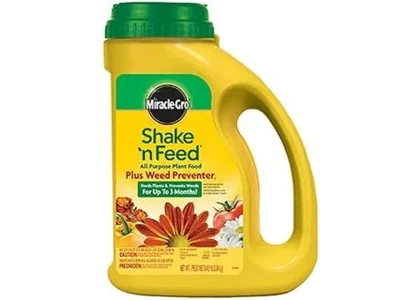
Grass needs nutrients to grow. Use a slow-release fertilizer designed for lawns. Apply it according to the product’s instructions, usually in spring and fall. Avoid over-fertilizing, as this can harm the grass and wash into the surrounding areas. The right fertilizer will help the grass fill in the gaps and stay a vibrant green.
Fertilizer provides essential food for grass. A balanced fertilizer helps with root development and leaf growth. This leads to a denser, healthier lawn that can better withstand foot traffic and environmental stress.
Proper application is key to avoiding damage.
Weed Control and Pest Management
Keep an eye out for weeds. Pull them out by hand as soon as you see them. This prevents them from spreading and competing with your grass. If you have pest problems, identify them and use targeted treatments. Natural methods are often best, especially in areas where people walk.
September Outdoor Sale — Save Up to 52%
A new month means new ways to upgrade your patio, garden & lawn for less. We’ve rounded up popular outdoor picks with savings up to 52%. Don’t wait—these offers can change anytime!
Weeds steal water and nutrients from your grass. Removing them early is the easiest and most effective method. Pests can weaken grass, making it more prone to disease.
Vigilance is your best defense.
Troubleshooting Common Issues
Even with the best intentions, you might run into a few snags. Knowing how to deal with common problems will save you headaches and help your grassy paver walkway thrive.
Dealing with Muddy Areas
If you notice muddy spots forming, it means the drainage isn’t working as I’ll as it should. This is often due to the soil becoming compacted or a lack of a proper drainage layer. You might need to carefully remove some of the soil, add more gravel, and then
Mud is a sign of poor drainage. Water needs a way to escape. Addressing the underlying cause, like adding more drainage material or adjusting the slope, is crucial.
Sometimes, simply loosening the compacted soil can help.
September Outdoor Sale — Save Up to 52%
A new month means new ways to upgrade your patio, garden & lawn for less. We’ve rounded up popular outdoor picks with savings up to 52%. Don’t wait—these offers can change anytime!
Addressing Bare Patches
Bare spots can appear due to heavy foot traffic, lack of water, or disease. For small bare patches, simply reseed the area following the planting steps. For larger areas, you might need to investigate the cause. Is there too much shade? Is the soil too dry? Addressing the root problem will help the new grass establish.
Bare patches are an invitation for weeds. Repairing them quickly is important. Re-seeding and ensuring proper conditions for growth will restore the look of your walkway.
Consider a more resilient grass blend if these issues are recurring.
Preventing Erosion
Wind and heavy rain can sometimes wash away soil from the gaps. If this is happening, you might need to add some sort of edging or use a ground cover that spreads I’ll. Some very fine, low-growing ground covers can help hold the soil in place between the pavers without becoming a tripping hazard.
Erosion can be a persistent problem. Using plants that spread and bind the soil is an effective solution. It keeps the soil in place and adds to the aesthetic appeal of your walkway.
It’s a natural way to manage this issue.
September Outdoor Sale — Save Up to 52%
A new month means new ways to upgrade your patio, garden & lawn for less. We’ve rounded up popular outdoor picks with savings up to 52%. Don’t wait—these offers can change anytime!
Frequently Asked Questions
Question: How often should I water grass between pavers?
Answer: Initially, water several times a day to keep the soil consistently moist but not soggy. Once established, water deeply a few times a week, or when the top inch of soil feels dry. Always ensure good drainage.
Question: Can I use regular garden soil between pavers?
Answer: It’s generally not recommended. Regular garden soil can be too heavy and compact, leading to poor drainage and potential mud. A mix of sand, compost, and topsoil, or a specialized potting mix, is usually better.
Question: What is the best time of year to plant grass between pavers?
Answer: Spring and fall are usually the best times. The weather is cooler, and there’s more consistent moisture, which helps the seeds germinate and the grass establish roots without drying out too quickly.
Question: How do I stop weeds from growing in the paver gaps?
Answer: Regularly pull weeds by hand as soon as you see them. Keeping the grass thick and healthy also helps outcompete weeds for space, light, and nutrients.
Question: My grass is turning brown, what’s wrong?
Answer: This could be due to a lack of water, too much sun, or disease. Check if the soil is dry. If it’s consistently dry, increase watering.
If it’s too wet, you might have drainage issues. Observe the conditions and adjust your care routine.
September Outdoor Sale — Save Up to 52%
A new month means new ways to upgrade your patio, garden & lawn for less. We’ve rounded up popular outdoor picks with savings up to 52%. Don’t wait—these offers can change anytime!
Summary
Growing grass between pavers without mud is achievable with careful preparation and ongoing care. Focus on good drainage with a gravel layer and a suitable soil mix. Choose hardy grass seeds that tolerate your conditions.
Water wisely, fertilize moderately, and manage weeds. This approach keeps your walkway green and beautiful.