Last Updated on June 7, 2026 by D. Ruddy
I’ve spent a lot of time working through this, and I want to share what I’ve learned. Here’s my straightforward advice based on hands-on experience.
Understanding Wild Violets and Why They’re Tricky
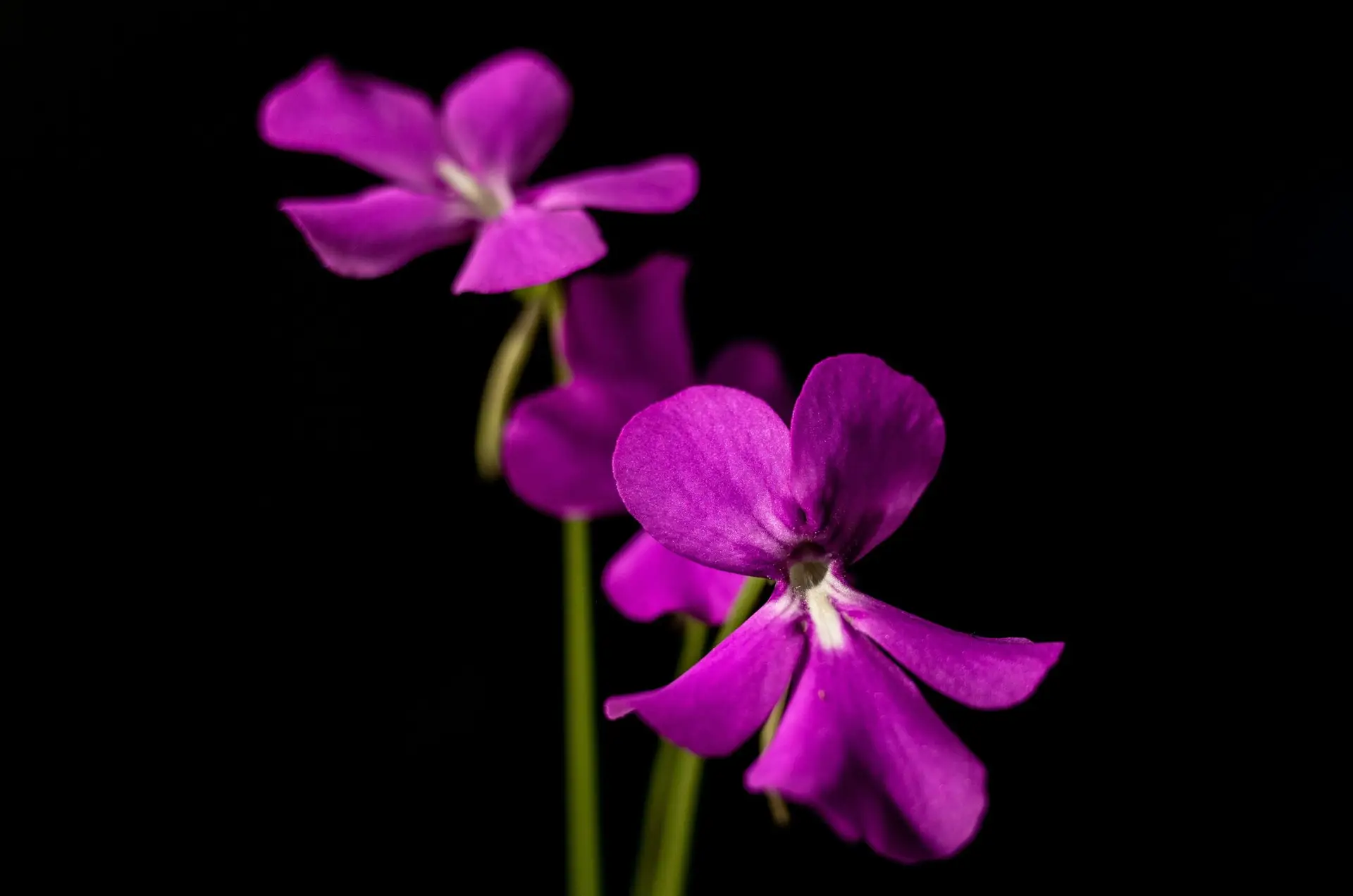
Wild violets are small, pretty plants with heart-shaped leaves and lovely purple flowers. While they might look nice, they are considered weeds in most lawns. They spread through seeds and also through underground stems called rhizomes.
This means they can pop up in many places and create dense patches. Getting rid of them can be a challenge because they are quite hardy and can regrow easily.
Many people struggle with this question, How do I get rid of wild violets in my lawn without killing the grass, because common weed killers can sometimes harm or even kill good grass. You want your lawn to look healthy and green, so using harsh chemicals that damage the grass is not an option. This is why finding the right approach is so important for homeowners.
This section will cover what makes wild violets so persistent. I’ll look at their growth habits. I will also explain why they are tough to remove compared to other weeds.
September Outdoor Sale — Save Up to 52%
A new month means new ways to upgrade your patio, garden & lawn for less. We’ve rounded up popular outdoor picks with savings up to 52%. Don’t wait—these offers can change anytime!
Understanding these points helps me choose the best way to tackle them.
The Biology of Wild Violets
Wild violets, scientifically known as Viola sororia or similar species, are perennial plants. This means they live for many years. They have a fibrous root system and often spread via underground stems called rhizomes.
These rhizomes allow the plant to spread horizontally and to survive winter. They can also store food, helping the plant regrow even if the top parts are damaged or removed.
The seeds of wild violets are another way they spread. The plant produces small, non-showy flowers that develop into seed pods. When these pods mature, they can burst open, scattering seeds.
Some species even have seeds that are dispersed by ants, which is a fascinating but effective way for them to colonize new areas of your lawn. This dual-pronged approach makes them very successful at spreading.
These plants also thrive in certain conditions. They often prefer shady, moist areas of the lawn. However, they can adapt and grow in sunnier spots too.
September Outdoor Sale — Save Up to 52%
A new month means new ways to upgrade your patio, garden & lawn for less. We’ve rounded up popular outdoor picks with savings up to 52%. Don’t wait—these offers can change anytime!
Their ability to grow in a variety of light conditions and soil types makes them adaptable weeds.
Why Wild Violets are Tough to Erase
One of the main reasons wild violets are hard to get rid of is their extensive root system. The rhizomes can grow deep into the soil and are often difficult to pull out completely by hand. If even a small piece of the rhizome is left behind, the plant can regrow.
This makes manual removal a long and often frustrating process.
Another factor is their resilience. Wild violets are tough plants. They can often withstand some level of neglect or damage without dying.
This is partly due to the stored energy in their rhizomes. Even when the leaves are gone, the plant can use this energy to sprout new growth.
Furthermore, the seeds can remain dormant in the soil for a long time. This means that even if you manage to get rid of all the existing plants, new ones can sprout from seeds that I’m already there. This long-term seed bank contributes to their persistent nature and makes complete eradication a difficult goal for many gardeners.
September Outdoor Sale — Save Up to 52%
A new month means new ways to upgrade your patio, garden & lawn for less. We’ve rounded up popular outdoor picks with savings up to 52%. Don’t wait—these offers can change anytime!
Common Mistakes When Trying to Remove Them
Many people make the mistake of trying to pull wild violets by hand without digging deep enough. They might pull the leaves and flowers, but leave the important rhizomes in the ground. This means the plant will likely return very quickly.
It’s like pruning a tree but not removing the roots; it will just grow back.
Another common error is using a broad-spectrum herbicide that kills all plants. While this might get rid of the violets, it will also kill your grass. This leaves bare patches in your lawn that can then be invaded by other weeds.
The goal is to target the violets specifically, not to nuke the entire lawn.
Timing is also a key factor that many overlook. Trying to treat wild violets at the wrong time of year can make your efforts less effective. For example, applying treatments when the plant is not actively growing might not yield the best results.
This is a detail that can make a big difference in success.
September Outdoor Sale — Save Up to 52%
A new month means new ways to upgrade your patio, garden & lawn for less. We’ve rounded up popular outdoor picks with savings up to 52%. Don’t wait—these offers can change anytime!
Effective Methods to Tackle Wild Violets
When you ask, How do I get rid of wild violets in my lawn without killing the grass, you’re looking for solutions that are safe for your lawn. There are several effective ways to tackle these persistent plants. These methods range from manual removal to using specific treatments.
The key is to be persistent and use the right techniques.
Look for products that list wild violets or other similar broadleaf weeds on their label. Common active ingredients that are effective against violets include triclopyr, 2,4-D, or dicamba. Always follow the instructions on the product label carefully.
This ensures both effectiveness and safety for your lawn.
Apply herbicides when the violets are actively growing, typically in the spring or fall. Avoid applying them during hot, dry weather, as this can stress both the weeds and your grass. It’s also a good idea to spot-treat the violets rather than spraying your entire lawn, which helps conserve resources and minimizes potential impact on beneficial insects.
Timing Your Treatments for Maximum Impact
The effectiveness of any treatment, whether manual or chemical, is greatly influenced by the timing. Wild violets are most vulnerable when they are actively growing and have plenty of leaves to absorb a treatment. This generally occurs in the spring and again in the fall.
September Outdoor Sale — Save Up to 52%
A new month means new ways to upgrade your patio, garden & lawn for less. We’ve rounded up popular outdoor picks with savings up to 52%. Don’t wait—these offers can change anytime!
In the spring, treating violets after they have flowered but before they go to seed can be very effective. This prevents them from spreading further through seeds. The plant is actively taking in nutrients at this time, making it more receptive to herbicides.
In the fall, applying treatments after the first frost can also be beneficial. This is when the plant is storing energy in its roots for the winter. Getting the herbicide into the roots at this stage can weaken or kill the plant for good.
Aim for a cool, sunny day in the fall for the best results.
Natural and Organic Approaches
If you prefer to avoid chemical herbicides, there are several natural methods you can try. These often involve horticultural vinegar, corn gluten meal, or simply consistent manual effort. While they might take more time, they are gentler on the environment and your lawn.
Horticultural vinegar, which is a stronger concentration than household vinegar, can be used as a spot treatment. It works by burning the foliage of the plant. However, it can also burn grass if not applied carefully, so precise application is key.
It’s best used on young weeds.
September Outdoor Sale — Save Up to 52%
A new month means new ways to upgrade your patio, garden & lawn for less. We’ve rounded up popular outdoor picks with savings up to 52%. Don’t wait—these offers can change anytime!
Corn gluten meal is a pre-emergent weed suppressant. It works by inhibiting root formation in germinating seeds. Applying it in early spring can help prevent new violet seedlings from establishing.
It also acts as a mild fertilizer for your lawn.
Preventing Wild Violets from Returning
Once you’ve managed to get rid of wild violets, the next important step is to prevent them from coming back. This involves creating a healthy, dense lawn that can naturally outcompete weeds. A strong lawn is your best defense against unwelcome invaders like violets.
I will cover practices that promote a healthy lawn. This includes proper mowing, watering, and fertilizing. I’ll also discuss how to address the conditions that wild violets prefer.
By making your lawn less inviting to them, you can enjoy a more beautiful and weed-free space.
Promoting a Thick, Healthy Lawn
A lush, dense lawn is the most effective barrier against wild violets and other weeds. When grass is thick and healthy, it crowds out weeds, preventing them from getting the sunlight, water, and nutrients they need to grow. This means focusing on overall lawn care.
September Outdoor Sale — Save Up to 52%
A new month means new ways to upgrade your patio, garden & lawn for less. We’ve rounded up popular outdoor picks with savings up to 52%. Don’t wait—these offers can change anytime!
Key practices include mowing your grass at the proper height. Taller grass shades the soil, which helps prevent weed seeds from germinating. For most cool-season grasses, this means mowing at about 3 inches.
Always use a sharp mower blade to get a clean cut that helps the grass heal quickly.
Proper watering is also crucial. Water deeply and less frequently. This encourages grass roots to grow deeper into the soil, making the grass more resilient to drought and competition.
Avoid shallow, frequent watering, which can promote shallow root systems and favor weeds.
Fertilizing and Aeration
Giving your lawn the right nutrients through fertilization is essential for its health and density. A I’ll-fertilized lawn will grow stronger and thicker, making it harder for weeds to establish. Use a slow-release fertilizer and follow a schedule based on your grass type and local climate.
Aeration is another important lawn care practice. Aerating your lawn means creating small holes in the soil. This helps to reduce soil compaction, which improves air, water, and nutrient penetration to the grass roots.
September Outdoor Sale — Save Up to 52%
A new month means new ways to upgrade your patio, garden & lawn for less. We’ve rounded up popular outdoor picks with savings up to 52%. Don’t wait—these offers can change anytime!
Compacted soil is less hospitable to healthy grass and can favor weeds.
Aerating typically involves using a core aerator, which pulls out plugs of soil. It’s best to aerate when the grass is actively growing, usually in the early fall or spring. After aerating, you can overseed with grass seed to fill in any thin spots and further thicken your lawn, making it even more competitive against weeds.
Addressing Shady and Moist Areas
Wild violets often thrive in areas of the lawn that are shady or consistently moist. These conditions are less ideal for many types of grass. If these problem areas are widespread, you might need to adjust your lawn care strategy for those specific spots.
For shady areas, consider planting shade-tolerant grass varieties. These grasses are better equipped to handle low light conditions and can form a denser turf. You can also prune overhanging trees and shrubs to allow more sunlight to reach the lawn.
Increasing sunlight is a great way to make the area less favorable for violets.
If certain areas of your lawn stay wet, drainage might be an issue. Improving drainage can help reduce the moisture levels that violets prefer. This could involve amending the soil with organic matter or installing a drainage system in severe cases.
September Outdoor Sale — Save Up to 52%
A new month means new ways to upgrade your patio, garden & lawn for less. We’ve rounded up popular outdoor picks with savings up to 52%. Don’t wait—these offers can change anytime!
Sometimes, simply reducing watering in these specific spots can make a big difference.
Dealing with Established Patches
For stubborn patches of wild violets that keep returning, a combination of methods is often the most successful. Don’t get discouraged if one approach doesn’t work perfectly the first time. Persistence is key when dealing with these tenacious plants.
You might start by manually removing as much of the violet plant and its roots as possible. Then, apply a selective herbicide to any remaining growth. Follow up by overseeding the area with grass seed to ensure the grass fills in quickly.
Keep a close eye on the spot and pull any new sprouts as soon as you see them.
Regular lawn maintenance, including proper mowing, watering, and fertilizing, will also help the grass in these areas become more competitive. Over time, a healthy lawn will naturally suppress the growth of wild violets and other weeds, making your yard a more enjoyable place to be.
Frequently Asked Questions
Question: Can I just dig up all the wild violets?
Answer: Yes, you can dig them up, but it’s important to get as much of the root system (rhizomes) as possible. If you leave roots behind, they can grow back. Doing this when the soil is moist helps.
September Outdoor Sale — Save Up to 52%
A new month means new ways to upgrade your patio, garden & lawn for less. We’ve rounded up popular outdoor picks with savings up to 52%. Don’t wait—these offers can change anytime!
Question: What is the best time of year to treat wild violets?
Answer: The best times are when the violets are actively growing. This is usually in the spring after they flower and before they make seeds, or in the fall after the first frost when they are storing energy in their roots.
Question: Will weed killer for dandelions kill wild violets too?
Answer: Many weed killers that work on dandelions will also work on wild violets because they are both broadleaf weeds. However, always check the product label to ensure it’s safe for your type of grass.
Question: How can I stop wild violets from spreading to other parts of my yard?
Answer: Keep your grass healthy and dense, as this crowds out weeds. Regularly remove any new violet plants you see before they can flower and spread seeds. Also, be careful not to spread soil that might contain violet seeds or root fragments.
Question: Are there any natural sprays that actually work on wild violets?
Answer: Horticultural vinegar can work as a spot treatment, but it can also harm grass. Corn gluten meal can help prevent new seeds from sprouting if applied in early spring. Consistent manual removal is also a very effective natural method.
Wrap Up
Tackling wild violets so they don’t harm your grass is achievable. Focus on consistent, targeted removal. Keep your lawn thick and healthy to prevent new ones from taking hold.
With the right steps, you can enjoy a beautiful, green yard free from these persistent purple flowers.
September Outdoor Sale — Save Up to 52%
A new month means new ways to upgrade your patio, garden & lawn for less. We’ve rounded up popular outdoor picks with savings up to 52%. Don’t wait—these offers can change anytime!