Last Updated on June 7, 2026 by D. Ruddy
I’ve spent a lot of time working through this, and I want to share what I’ve learned. Here’s my straightforward advice based on hands-on experience.
Understanding Why Your Lawn Stays Patchy
It’s a common puzzle for many homeowners: you’ve tried seeding, but bare patches persist. The question of How do I fix a patchy lawn that never fills in even after seeding comes up because the reasons can be varied. Sometimes, it’s just about the wrong grass seed for your climate, or the soil isn’t quite right for growth.
Other times, even small things like not watering enough, or too much, can stop those little seeds from becoming strong blades of grass. I’ll break down these issues so you can see exactly what’s going wrong and how to fix it.
The Importance of the Right Grass Seed
Picking the right grass seed is like choosing the right ingredients for a recipe; it makes all the difference. Different types of grass are built for different places and weather. If you live in a hot area, you’ll need a different kind of grass than someone in a cooler region.
Using a seed that isn’t suited for your climate might mean it struggles to grow, or even dies off when the weather changes. This is a big reason why a patchy lawn never fills in. It’s not that you’re doing a bad job; it’s that the grass itself isn’t the best fit for its home.
September Outdoor Sale — Save Up to 52%
A new month means new ways to upgrade your patio, garden & lawn for less. We’ve rounded up popular outdoor picks with savings up to 52%. Don’t wait—these offers can change anytime!
When you look at grass seed bags, you’ll see names like Fescue, Ryegrass, or Bluegrass. Each of these has its own needs. Some like lots of sun, while others do better in shade.
Some can handle heavy foot traffic, and others are best left for decoration. For example, Tall Fescue is known for being tough and good in many climates, while Perennial Ryegrass germinates quickly, giving you fast results but might not be as hardy long-term as some other types. Understanding these differences helps you pick a winner.
Here are some popular grass types and what they are good for:
- Kentucky Bluegrass: Great for cooler climates, forms a dense carpet. It likes full sun and can recover from damage. However, it needs a lot of water and takes a while to establish.
- Perennial Ryegrass: Germinates very quickly, giving you faster results. It’s good for overseeding and mixes I’ll with other grasses. It prefers cooler weather and can struggle in extreme heat or drought.
- Tall Fescue: Very hardy and drought-tolerant, making it a good choice for many areas. It has deep roots and can handle a lot of wear and tear. It can look a bit coarser than other grasses.
- Fine Fescues: These include Creeping Red, Chewings, and Hard Fescues. They do I’ll in shady spots and cooler temperatures. They are low-maintenance but can’t handle heavy foot traffic I’ll.
Choosing the right type ensures your grass has the best chance to grow and fill in those bare spots. It’s a fundamental step in fixing a patchy lawn.
Soil Health: The Foundation for Growth
Think of your soil as the pantry for your grass. If the pantry is bare or the food is stale, nothing will grow I’ll. This is a huge part of why a patchy lawn never fills in.
The soil might be too hard, have too many rocks, or lack the right nutrients. Good soil is loose enough for grass roots to grow down deep. It also holds water and air, which grass needs to live.
September Outdoor Sale — Save Up to 52%
A new month means new ways to upgrade your patio, garden & lawn for less. We’ve rounded up popular outdoor picks with savings up to 52%. Don’t wait—these offers can change anytime!
Without healthy soil, even the best grass seeds will struggle to get started.
To check your soil, you can do a simple squeeze test. Grab a handful of soil and squeeze it. If it crumbles easily, it’s likely good.
If it forms a hard, dense ball that doesn’t break apart, your soil is probably too compacted. Compacted soil makes it hard for air, water, and nutrients to get to the grass roots. You might also notice it doesn’t drain I’ll, leaving water sitting on the surface for too long.
Nutrients are also vital. Grass needs things like nitrogen, phosphorus, and potassium to grow strong. If your soil is missing these, the grass will be weak and won’t fill in those empty spaces.
You can get your soil tested by a local garden center or university extension office. They can tell you exactly what your soil needs. Based on the test, you can add amendments like compost or specific fertilizers to make it healthy again.
Here’s what good soil offers:
September Outdoor Sale — Save Up to 52%
A new month means new ways to upgrade your patio, garden & lawn for less. We’ve rounded up popular outdoor picks with savings up to 52%. Don’t wait—these offers can change anytime!
- Proper Drainage: Water flows through easily, preventing root rot and soggy spots.
- Airflow: Roots need oxygen to breathe, just like we do. Loose soil allows air to reach them.
- Nutrient Retention: Healthy soil acts like a sponge, holding onto the food your grass needs.
- Support for Roots: It provides a stable place for grass roots to anchor and grow deep.
Addressing soil issues is just as important as picking the right seed. It’s a basic step to solving the problem of a patchy lawn.
Preparing Your Lawn for Seeding
Getting the ground ready is a key step to make sure your seeds sprout and grow into a full lawn. When you’re asking How do I fix a patchy lawn that never fills in even after seeding, preparation is a big part of the answer. If the soil isn’t ready, the seeds have a tough time.
This means we need to clear out old stuff, loosen the ground, and make sure it’s smooth for the new grass to start.
Clearing Out the Old
Before you can put down new seeds, you need to clean up the area. This means getting rid of any dead grass, weeds, or debris. These old things can block sunlight and nutrients from reaching the new seeds.
It’s like clearing a table before you set a new meal. If you leave the old stuff, it just gets in the way of growth.
You can start by raking the bare patches. Use a stiff rake to pull up any thatch, which is a layer of dead grass and organic matter that builds up on the soil surface. Too much thatch can prevent water and air from getting to the soil.
September Outdoor Sale — Save Up to 52%
A new month means new ways to upgrade your patio, garden & lawn for less. We’ve rounded up popular outdoor picks with savings up to 52%. Don’t wait—these offers can change anytime!
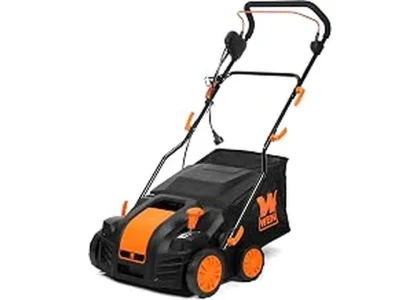
For larger areas or if you have a lot of weeds, you might consider using a power rake or a dethatcher. These machines do a more thorough job of removing the dead material and loosening the top layer of soil.
If weeds are a big problem, you might need to address them before seeding. Some weeds can be pulled by hand, especially if the soil is moist. For tougher weeds or if you have many of them, a weed killer might be necessary.
However, be careful! Some weed killers can prevent grass seeds from germinating. Always read the label and choose products that are safe for seeding or wait the recommended time after using a weed killer before you sow your seeds.
Here’s a simple process for clearing:
- Remove Debris: Pick up sticks, leaves, and any other junk.
- Dethatch: Use a rake or machine to remove the layer of dead grass.
- Weed Control: Pull weeds by hand or use a safe weed killer if needed.
Getting the area clean sets the stage for success.
Loosening the Soil and Leveling
Once the area is clean, the next step is to make sure the soil is ready to welcome new life. This means loosening it up so roots can grow easily. If your soil is hard and packed, seeds can’t push through, and water won’t get down to them.
September Outdoor Sale — Save Up to 52%
A new month means new ways to upgrade your patio, garden & lawn for less. We’ve rounded up popular outdoor picks with savings up to 52%. Don’t wait—these offers can change anytime!
Loosening the soil is a crucial part of fixing a patchy lawn that never fills in.
You can loosen the soil with a shovel or a garden fork. Just push the tool into the ground and wiggle it around to break up clumps. For larger areas, a tiller can be very helpful.
It churns up the soil, making it much easier for seeds to sprout. After loosening, it’s a good idea to add some compost or other organic matter. This improves the soil’s texture and adds valuable nutrients.
After loosening and adding amendments, you need to level the ground. Use a rake to smooth out any bumps or holes. You want a nice, even surface.
This helps with drainage and ensures that seeds are in contact with the soil. If there are dips, water can collect and drown the seeds. If there are high spots, the soil can dry out too quickly.
A smooth surface means the seeds will get consistent moisture and grow evenly.
September Outdoor Sale — Save Up to 52%
A new month means new ways to upgrade your patio, garden & lawn for less. We’ve rounded up popular outdoor picks with savings up to 52%. Don’t wait—these offers can change anytime!
When leveling:
- Break Up Clods: Use a rake to break large chunks of soil into smaller pieces.
- Fill Low Spots: Add a little soil or compost to any dips.
- Remove High Spots: Rake away excess soil from bumps.
- Create a Smooth Finish: Rake the entire area until it looks even.
This careful preparation helps give your seeds the best chance to grow.
Seeding and Early Care for New Grass
Now that your lawn is prepped, it’s time for the exciting part: seeding! Getting this right is key to answering How do I fix a patchy lawn that never fills in even after seeding. It’s not just about throwing seeds around.
There are specific ways to do it and take care of them in the first few weeks to make sure they grow into strong, healthy grass.
Proper Seeding Techniques
Spreading the seed evenly is vital. If you put too much seed in one spot, the grass will grow too thick, and the plants will compete for resources, often leading to weak growth or death. If you don’t put enough, you’ll still have bare spots.
Using a spreader is the best way to get an even coat. You can rent or buy one.
September Outdoor Sale — Save Up to 52%
A new month means new ways to upgrade your patio, garden & lawn for less. We’ve rounded up popular outdoor picks with savings up to 52%. Don’t wait—these offers can change anytime!
There are broadcast spreaders and drop spreaders. Broadcast spreaders cast seed in a wide arc, while drop spreaders drop seed in a straight line. For small areas, you can even do it by hand, but be sure to walk back and forth in a pattern to cover the area I’ll.
After spreading the seed, gently rake it into the soil. You want the seeds to be about a quarter-inch deep. They need to be in contact with the soil to get moisture.
Many people make the mistake of just scattering seed on top of the ground and expecting it to grow. However, seeds on the surface are vulnerable. They can be washed away by rain, blown by the wind, or eaten by birds.
Gently raking them in helps protect them and ensures they are in the ideal spot for germination. You can also lightly walk over the seeded area or use a roller to press the seeds into the soil, ensuring good seed-to-soil contact.
Key seeding steps include:
- Even Distribution: Use a spreader for consistent coverage.
- Correct Depth: Rake seeds in to about 1/4 inch deep.
- Good Contact: Ensure seeds are touching the soil by light raking or rolling.
- Follow Seeding Rates: Use the amount of seed recommended for your lawn size.
Doing this correctly sets up your new grass for success.
September Outdoor Sale — Save Up to 52%
A new month means new ways to upgrade your patio, garden & lawn for less. We’ve rounded up popular outdoor picks with savings up to 52%. Don’t wait—these offers can change anytime!
Watering New Seed
Watering is perhaps the most critical part of caring for new grass seed. If you don’t water enough, the seeds will dry out and won’t sprout. If you water too much, you can wash the seeds away or cause fungal diseases.
This balance is essential to answering How do I fix a patchy lawn that never fills in even after seeding.
For the first week or two, after seeding, you need to keep the top inch of soil consistently moist. This doesn’t mean flooding the area. Instead, use a fine mist from your hose or a sprinkler on a low setting.
You should water lightly several times a day – perhaps two to three times daily, depending on the weather. The goal is to keep the surface damp, not waterlogged.
As the grass begins to grow and establish, you can gradually reduce the frequency of watering. Once the seedlings are about an inch tall, you can start watering once a day, but with a bit more water each time. This encourages the roots to grow deeper in search of moisture, making the grass stronger.
As the grass gets older, you can move to a more normal watering schedule, watering deeply but less often.
September Outdoor Sale — Save Up to 52%
A new month means new ways to upgrade your patio, garden & lawn for less. We’ve rounded up popular outdoor picks with savings up to 52%. Don’t wait—these offers can change anytime!
A good watering guide for new seed:
- First 1-2 Weeks: Mist lightly 2-3 times a day. Keep the surface moist.
- Weeks 3-4: Water once a day, a little more deeply.
- After Establishment: Water deeply and less often.
Proper watering helps those tiny seeds become a lush lawn.
Feeding and Protecting Your New Grass
Once your grass starts to grow, it needs food and protection to become strong and fill in those bare spots. This is the final piece of the puzzle for fixing a patchy lawn that never fills in even after seeding. Feeding your grass gives it the nutrients it needs to grow thick and healthy.
Protection means keeping weeds and pests away.
You can use a starter fertilizer when you seed. These fertilizers have a bit more phosphorus, which helps with root development. After the grass has been mowed a few times, you can switch to a regular lawn fertilizer.
Follow the instructions on the fertilizer bag carefully. Over-fertilizing can burn the new grass, while under-fertilizing means it won’t get the nutrients it needs to grow dense.
September Outdoor Sale — Save Up to 52%
A new month means new ways to upgrade your patio, garden & lawn for less. We’ve rounded up popular outdoor picks with savings up to 52%. Don’t wait—these offers can change anytime!
Weeds are tough competitors. They steal water, nutrients, and sunlight from your new grass. It’s best to remove weeds by hand when they are small.
As your grass gets more established, you can use weed killers, but be sure they are safe for new lawns. Some pre-emergent herbicides, which prevent weed seeds from sprouting, can also be used once the grass is mature enough.
Pests can also damage young grass. Grubs, for instance, can eat the roots, causing entire patches of grass to die. If you notice areas of grass that are easily pulled up like a carpet, you might have grubs.
Insecticides can help control these pests. Regularly inspecting your lawn will help you catch any problems early.
To feed and protect your grass:
- Starter Fertilizer: Apply at seeding time for root growth.
- Regular Feeding: Fertilize after the first few mows to promote green growth.
- Weed Management: Remove weeds by hand or use safe herbicides.
- Pest Control: Watch for signs of insects and treat if necessary.
These steps ensure your new grass grows strong and healthy.
September Outdoor Sale — Save Up to 52%
A new month means new ways to upgrade your patio, garden & lawn for less. We’ve rounded up popular outdoor picks with savings up to 52%. Don’t wait—these offers can change anytime!
When Seeding Fails: Alternative and Advanced Solutions
Sometimes, even with the best efforts, your lawn can remain patchy. If you’ve tried seeding multiple times and are still asking How do I fix a patchy lawn that never fills in even after seeding, it might be time to look at other options. There are more advanced techniques that can help if basic seeding just isn’t cutting it.
These methods can provide quicker results and address underlying issues that might be preventing growth.
Overseeding vs. Patch Repair
When you have a generally okay lawn with just a few thin or bare spots, overseeding is a common practice. This involves spreading grass seed over your existing lawn. It helps to fill in thin areas and improve the overall density.
You can do this with a spreader, as mentioned before. For overseeding to be most effective, the soil should be loosened, and thatch removed.
Patch repair is different. It’s for those stubborn spots that just won’t grow. This usually involves digging out the dead grass and soil in the bare patch, loosening the soil beneath, adding some good quality topsoil or compost, and then seeding that small area.
Some products combine grass seed, fertilizer, and a soil amendment into a single bag for easy patch repair.
September Outdoor Sale — Save Up to 52%
A new month means new ways to upgrade your patio, garden & lawn for less. We’ve rounded up popular outdoor picks with savings up to 52%. Don’t wait—these offers can change anytime!
The key difference lies in the scale. Overseeding aims to improve the entire lawn’s thickness, while patch repair targets specific, problematic areas. If your lawn is mostly good but has a few persistent bare spots, patch repair might be more efficient.
If your lawn is generally thin all over, overseeding is the way to go.
Consider these approaches:
- Overseeding: For overall lawn thinning, spread seed across the entire lawn.
- Patch Repair: For stubborn bare spots, focus on preparing and seeding small areas.
Choosing the right method helps you tackle your lawn issues more effectively.
Resodding Your Lawn
Resodding is a much faster way to get a full, green lawn compared to seeding. It involves laying down rolls of pre-grown grass, called sod, directly onto your prepared soil. If you’re looking for instant results and want to avoid the long waiting period that comes with seeding, resodding is a great option.
The process begins with thorough preparation of the soil, similar to preparing for seeding. This includes removing old grass, weeds, leveling the ground, and ensuring the soil is healthy and loose. Once the ground is ready, sod rolls are laid down like a carpet.
September Outdoor Sale — Save Up to 52%
A new month means new ways to upgrade your patio, garden & lawn for less. We’ve rounded up popular outdoor picks with savings up to 52%. Don’t wait—these offers can change anytime!
They need to be placed tightly next to each other to avoid gaps, and then they are gently pressed into the soil to ensure good root-to-soil contact.
After resodding, immediate and consistent watering is crucial. The sod needs to establish its roots into the underlying soil. This usually involves watering multiple times a day for the first week or two, then gradually reducing the frequency.
Resodding is generally more expensive than seeding because you are paying for the grown grass. However, it provides an immediate transformation and bypasses the challenges of germination and early seedling care.
Resodding offers:
- Instant results: A green lawn right away.
- Reduced risk: Bypasses germination failures.
- Faster establishment: Grass is already mature.
It’s a more costly, but quicker, solution.
Frequently Asked Questions
Question: Why does my grass seed not grow even when I water it?
Answer: There could be several reasons. The soil might be too hard for roots to grow, or it might lack nutrients. Also, the grass seed might not be the right type for your climate, or it could be old and no longer viable.
Sometimes, the seeds are washed away by too much water or eaten by birds if they aren’t covered properly.
Question: How often should I water newly seeded areas?
Answer: For the first week or two, keep the top inch of soil consistently moist but not waterlogged. This usually means watering lightly two to three times a day with a fine mist. As the grass grows taller, you can gradually water less often but more deeply to encourage stronger roots.
Question: Can I use regular lawn fertilizer on new grass seed?
Answer: It’s generally better to use a starter fertilizer that is specially formulated for new seed. These have more phosphorus to help with root growth. Once the grass has been mowed a few times, you can switch to a regular lawn fertilizer, but always follow the product instructions carefully to avoid burning the new grass.
Question: What is thatch, and why should I remove it?
Answer: Thatch is a layer of dead grass, roots, and stems that builds up on top of the soil. A thin layer is okay, but too much thatch can prevent water, air, and nutrients from reaching the soil and grass roots. Removing thatch, or dethatching, is important for healthy lawn growth and proper seed germination.
Question: How long does it take for grass seed to sprout?
Answer: This depends on the type of grass seed and the conditions. Some seeds, like Perennial Ryegrass, can sprout in as little as 5 to 7 days. Others, like Kentucky Bluegrass, can take 2 to 3 weeks or even longer.
Proper soil temperature and moisture are key for germination.
Final Thoughts
Fixing a patchy lawn takes a bit of know-how, but it’s totally doable. By picking the right seed, making your soil happy, preparing the ground I’ll, and caring for your new grass, you can get a full, green lawn. Don’t get discouraged by stubborn spots; try these steps and watch your lawn fill in beautifully.