Last Updated on June 7, 2026 by D. Ruddy
I’ve personally tested several products to find the ones that actually deliver. After putting each through real-world use, here are my honest picks to help you choose with confidence.
The Big Question: Seeding Before Heavy Rain
So, you’re standing there with your new grass seed, and the sky is looking dark. You’re wondering, Can I seed a lawn right before a heavy rain in the me? It’s a common situation for new homeowners or anyone trying to improve their lawn.
On one hand, rain is good for seeds because it gives them water to start growing. On the other hand, a really hard rain can be a problem. It might wash the seeds away to places where they won’t grow, or it could even wash away the top layer of soil where the seeds are.
This is why knowing a little bit about how rain and soil work together is helpful. When seeds get the right amount of water and are held in place, they have a much better chance of sprouting and growing into strong grass. I’ll talk about how to get your soil ready so the rain actually helps your seeds, rather than hinders them.
This will help you feel confident about whether to seed or wait.
September Outdoor Sale — Save Up to 52%
A new month means new ways to upgrade your patio, garden & lawn for less. We’ve rounded up popular outdoor picks with savings up to 52%. Don’t wait—these offers can change anytime!
Understanding Soil and Seed Interaction
When you put grass seed down, it needs to make good contact with the soil. The soil needs to be moist, but not soaking wet. Think of it like a cozy bed for the tiny seeds.
If the soil is too loose or there isn’t enough of it, the heavy rain can act like a little bulldozer, pushing the seeds around or even burying them too deep.
The goal is to make sure the seeds stay right where you put them. This means the soil needs to be firmed up a bit after seeding, but not packed down so hard that water can’t get in. We want the rain to be a gentle watering can, not a fire hose.
Factors Affecting Seed Washout
Several things can make seeds wash away. The steepness of your lawn is a big one. If you have a sloped yard, water will run downhill faster, taking seeds with it.
The type of soil also plays a role. Clay soils can get a hard crust when they dry out, but they can also hold water I’ll. Sandy soils drain faster, which might mean seeds dry out too quickly.
The intensity of the rain is also important. A light shower is usually fine. A downpour, though, is what can cause problems.
September Outdoor Sale — Save Up to 52%
A new month means new ways to upgrade your patio, garden & lawn for less. We’ve rounded up popular outdoor picks with savings up to 52%. Don’t wait—these offers can change anytime!
The duration of the rain matters too. A short, heavy burst is different from rain that lasts for hours.
- Slope of the Land: Hills and slopes increase the risk of seeds being washed away by rain runoff. The steeper the slope, the faster the water flows, and the more likely seeds are to be carried downhill.
- Soil Type: Different soils have different drainage rates and can become compacted differently by rain. Clay soils might hold seeds better but can also form a hard crust. Sandy soils drain quickly, which can lead to seeds drying out if not properly covered.
- Rain Intensity and Duration: A light, steady rain is ideal for hydrating seeds. Heavy, sudden downpours can dislodge seeds, while prolonged rain can oversaturate the soil, creating conditions for washout.
The Role of Soil Preparation
This is where you have the most control. Before you even think about seeding, you need to prepare your soil. This means loosening it up.
You can do this with a rake or a tiller. This helps the seeds get a good start and makes it easier for them to sink in just a little bit.
After seeding, gently rake the area again. This covers the seeds with a thin layer of soil. This is like tucking them into bed.
Then, lightly pat down the soil. This helps them stay put and ensures good seed-to-soil contact. This simple step makes a huge difference when rain comes.
How Much Rain is Too Much?
This is the million-dollar question when asking Can I seed a lawn right before a heavy rain in the me? Generally, if you’re expecting more than an inch of rain in a short period, it can be risky. A good, soaking rain of about a quarter to half an inch is often perfect for newly seeded areas.
September Outdoor Sale — Save Up to 52%
A new month means new ways to upgrade your patio, garden & lawn for less. We’ve rounded up popular outdoor picks with savings up to 52%. Don’t wait—these offers can change anytime!
It provides enough moisture to get the germination process started without creating a flood.
If the forecast calls for a deluge, it might be wiser to wait. However, if you’ve done good soil prep, you might be able to get away with a bit more rain. It’s a judgment call based on your specific lawn and the predicted weather.
- Moisture Absorption: The rain gently soaks into the prepared soil, providing the necessary hydration for the grass seed’s outer shell to soften.
- Germination Trigger: This moisture acts as a signal for the seed to start growing, sending out a root to anchor itself and a shoot to reach for the sun.
- Seed Stabilization: If the soil was properly loosened and lightly covered, the gentle rain helps settle the seed into its new home without displacing it.
The Advantage of a Light Rain
A light rain after seeding is actually beneficial. It helps settle the seed into the soil, ensuring good contact. It also provides the moisture that seeds need to begin their germination process.
This is crucial because seeds will dry out if they don’t get enough water. A gentle rain is like a perfect drink for them.
Think of it this way: if you water by hand, you try to water gently. You don’t blast the soil with a hose. A light rain does this naturally.
It keeps the soil consistently moist, which is ideal for new grass.
September Outdoor Sale — Save Up to 52%
A new month means new ways to upgrade your patio, garden & lawn for less. We’ve rounded up popular outdoor picks with savings up to 52%. Don’t wait—these offers can change anytime!
When to Hold Off
If the forecast is for a severe thunderstorm or a long period of heavy downpour, it’s usually best to wait. A heavy rain can create streams on your lawn, washing seeds into gutters, flower beds, or just piling them up in unwanted areas. This means wasted seed and a patchy lawn.
It’s better to seed when you have a few days of moderate rain or good watering conditions. This allows the seeds to establish themselves before facing harsh weather. So, if it looks like a serious storm is coming, put the seed away for a day or two.
Seeding Strategies for Rainy Weather
If you decide to seed and a heavy rain is on the way, or even if you’re just trying to make the best of it, there are strategies. These help keep your seeds in place. They turn a potential washout into a successful seeding.
The main idea is to give the seeds something to hold onto.
I’ll look at different methods, from preparing your ground to using materials that help. These can make a big difference in whether your seeding effort succeeds or fails when faced with heavy rain.
Soil Loosening and Leveling
Before seeding, the most important step is to loosen the soil. You want it to be about 4-6 inches deep. This allows the grass roots to grow deep and strong.
September Outdoor Sale — Save Up to 52%
A new month means new ways to upgrade your patio, garden & lawn for less. We’ve rounded up popular outdoor picks with savings up to 52%. Don’t wait—these offers can change anytime!
It also helps the seed beds absorb water better. Compacted soil doesn’t drain I’ll and can lead to shallow roots.
After loosening, rake the area smooth. Remove any large rocks or debris. This creates an even surface.
This makes it easier to spread seed evenly. It also helps water flow more predictably.
Covering the Seed
Once the seed is down, it needs a light covering. A thin layer of topsoil, compost, or a seeding mulch is perfect. This helps keep the seed moist.
It also protects it from birds and, importantly, from being washed away by rain. You don’t want to bury the seed too deep, though. Just a quarter-inch is usually enough.
There are also special seeding mulches available. These are often made of straw or peat moss. They are designed to hold moisture and keep seeds in place.
September Outdoor Sale — Save Up to 52%
A new month means new ways to upgrade your patio, garden & lawn for less. We’ve rounded up popular outdoor picks with savings up to 52%. Don’t wait—these offers can change anytime!
They can be spread with a spreader or by hand.
Here’s how a good covering helps:
- Moisture Retention: The covering acts like a blanket, trapping moisture in the soil around the seed. This keeps the seed from drying out between waterings or rainfall.
- Erosion Control: It provides a physical barrier against the force of raindrops and surface water flow. This prevents the seeds from being displaced and washed away.
- Temperature Regulation: The covering can help keep the soil temperature more consistent. This is good for germination, preventing extreme heat or cold from harming the developing seeds.
Using Tackifiers
For slopes or areas prone to heavy runoff, tackifiers can be very helpful. These are sticky substances, often made from natural materials like guar or psyllium. They are mixed with the seed and a little water.
When the tackifier dries, it forms a gel-like substance that holds the seeds to the soil surface.
This creates a mat that is much more resistant to washing away. Many professional lawn care companies use tackifiers on slopes. They can be applied with a special hydro-seeding machine or carefully by hand for smaller areas.
This is a very effective way to secure your seed before heavy rain.
September Outdoor Sale — Save Up to 52%
A new month means new ways to upgrade your patio, garden & lawn for less. We’ve rounded up popular outdoor picks with savings up to 52%. Don’t wait—these offers can change anytime!
Rolling the Seeded Area
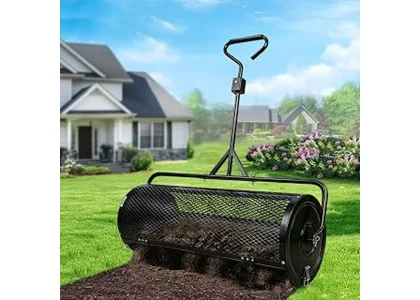
After seeding and applying any covering or tackifier, you can gently roll the area. A lawn roller filled with water can be used. This presses the seed into the soil.
It also firms up the soil surface slightly. This ensures good seed-to-soil contact, which is vital for germination. It also helps prevent the seed from being easily dislodged by wind or light rain.
Make sure not to over-roll, as this can compact the soil too much. The goal is firm contact, not a hard, impenetrable surface. A single pass is usually sufficient.
This step adds an extra layer of security for your seeds.
When Rain is Your Ally, Not Your Enemy
Sometimes, the weather can actually work in your favor. If you seed at the right time, a gentle, consistent rain can be the best thing for your new lawn. It saves you from having to water as often.
It also provides the natural moisture that seeds crave to sprout.
September Outdoor Sale — Save Up to 52%
A new month means new ways to upgrade your patio, garden & lawn for less. We’ve rounded up popular outdoor picks with savings up to 52%. Don’t wait—these offers can change anytime!
I’ll explore how to recognize these good rain scenarios. I will also talk about the ideal types of rain for seeding. This will help you feel more confident in your timing.
It’s all about working with nature.
Ideal Rainfall for Newly Seeded Lawns
The perfect rain for newly seeded lawns is one that is steady and lasts for several hours, providing about a quarter to half an inch of water. This kind of rain soaks into the soil gradually, giving the seeds enough moisture to germinate without causing erosion. It mimics the ideal watering conditions you would provide yourself.
This gentle, consistent moisture is far more effective than short, heavy downpours. It ensures that the entire seed bed remains hydrated. This leads to more uniform germination and a healthier start for your grass.
This is the kind of rain that makes you wish you had seeded!
The Benefits of Natural Watering
When nature waters your lawn, it often does so in a way that is more beneficial than manual watering. Natural rainfall contains trace minerals that can help the soil and the grass. It also helps to wash away any dust or debris that might have settled on the seeds.
September Outdoor Sale — Save Up to 52%
A new month means new ways to upgrade your patio, garden & lawn for less. We’ve rounded up popular outdoor picks with savings up to 52%. Don’t wait—these offers can change anytime!
Plus, it’s free! Relying on rain means less work for you and potentially better results. A I’ll-timed rain can be a real boost to your new lawn’s establishment.
It ensures the seeds get consistent moisture, which is key for germination.
Recognizing a Good Rain Forecast
To know if rain is your friend, look at the forecast. If it predicts light to moderate showers over a day or two, that’s usually good news for seeding. You want to see predictions of less than an inch of rain.
Also, look for consistent moisture rather than intense bursts.
If the forecast shows heavy thunderstorms with high winds or prolonged, torrential downpours, it might be a sign to delay seeding. The best approach is to aim for a period with gentle, consistent rain. This is what helps seeds sprout and establish without getting washed away.
Here’s what to look for in a rain forecast:
September Outdoor Sale — Save Up to 52%
A new month means new ways to upgrade your patio, garden & lawn for less. We’ve rounded up popular outdoor picks with savings up to 52%. Don’t wait—these offers can change anytime!
- Duration of Rain: A longer period of light rain is better than a short burst of heavy rain. This allows for deeper soil penetration.
- Intensity of Rain: Gentle showers are ideal. Avoid forecasts predicting thunderstorms or downpours exceeding 0.5 inches per hour.
- Total Amount of Rain: Aim for a total of 0.25 to 0.5 inches over a 24-hour period. More than 1 inch in a single day can be risky.
Statistics on Rain and Seed Germination
Research indicates that consistent moisture is a primary factor in successful seed germination. Studies have shown that seeds need to remain hydrated for a specific period to sprout. For example, Kentucky Bluegrass, a popular turfgrass in many me regions, can take 14-21 days to germinate if conditions are ideal.
This means steady moisture is crucial.
According to the U.S. Department of Agriculture (USDA) Natural Resources Conservation Service, soil moisture is critical for seed germination and seedling establishment, especially in the first few weeks. They note that while excessive water can lead to soil erosion and seed displacement, adequate moisture is non-negotiable for growth.
This highlights the delicate balance needed when seeding before rain.
Here’s a simplified look at how much water is needed:
| Grass Type | Germination Time (Days) | Moisture Need |
|---|---|---|
| Kentucky Bluegrass | 14-21 | Consistent moisture, never dry |
| Perennial Ryegrass | 7-10 | Moist, but can tolerate brief dry spells |
| Fine Fescues | 10-20 | Consistently moist soil |
Considering Different Grass Types and Regions
When you’re thinking about Can I seed a lawn right before a heavy rain in the me, it’s also smart to think about the type of grass seed you’re using. Some grass seeds are tougher than others. They can handle a bit more rough weather.
September Outdoor Sale — Save Up to 52%
A new month means new ways to upgrade your patio, garden & lawn for less. We’ve rounded up popular outdoor picks with savings up to 52%. Don’t wait—these offers can change anytime!
Also, where you live in the me matters a lot. The typical weather patterns are different across the country.
I will explore how different grass types react to moisture and weather. I will also touch upon how regional weather can influence your decision. This will give you a more complete picture for your specific needs.
Resilience of Various Grass Seeds
Some grass seeds are naturally more resilient. For example, perennial ryegrass germinates quickly, often within a week. This means it can establish roots faster, making it a bit more resistant to light rain washes.
Tall fescue is another hardy option with deep roots that can help anchor it.
Kentucky bluegrass, while beautiful, takes longer to germinate and establish. It might be more susceptible to washout if not carefully managed. When choosing seed, consider its germination rate and overall hardiness.
Regional Weather Patterns in the me
The me has diverse climates. In the Pacific Northwest, rain is common, so seeding before a drizzle is often fine. In the Southeast, heavy summer thunderstorms are frequent, which might make seeding trickier.
September Outdoor Sale — Save Up to 52%
A new month means new ways to upgrade your patio, garden & lawn for less. We’ve rounded up popular outdoor picks with savings up to 52%. Don’t wait—these offers can change anytime!
The Midwest can experience both heavy rains and dry spells.
Understanding your local climate and typical rainfall patterns is key. If your area often gets sudden, intense storms, you’ll need to be more cautious with your seeding times. If your region has gentle, consistent rains, you have more flexibility.
Best Practices for Different Regions
In areas prone to heavy rainfall, like parts of the Gulf Coast, using erosion control methods like tackifiers and mulches is highly recommended. In drier regions, ensuring adequate moisture through careful watering after seeding is more critical, and rain is always welcome, but not if it’s a deluge.
For cooler northern climates, seeding in late summer or early fall is often best. This allows grass to establish before winter. In warmer southern climates, spring or fall seeding is common, but you must be mindful of summer heat and potential heavy rains.
Examples of Successful Seeding Before Rain
Imagine a homeowner in Ohio who seeded their lawn in early September. They prepared the soil I’ll, raked it smooth, and spread their seed. They lightly covered it with compost.
The forecast called for scattered showers over the next few days, totaling about 1 inch of rain. This gentle, consistent rain kept the soil moist and helped the grass seed germinate beautifully, resulting in a thick, green lawn by late September.
September Outdoor Sale — Save Up to 52%
A new month means new ways to upgrade your patio, garden & lawn for less. We’ve rounded up popular outdoor picks with savings up to 52%. Don’t wait—these offers can change anytime!
Another scenario: A homeowner in Colorado, with a yard on a slight slope, seeded in the spring. They used a seed mix containing perennial ryegrass and fescue. After seeding, they applied a thin layer of straw mulch and gently rolled the area.
A forecast of light rain followed, and the mulch and rolling helped keep the seeds in place, leading to good germination despite the gentle rain.
When to Consider Hydroseeding
Hydroseeding is a method where seed, mulch, fertilizer, and water are mixed into a slurry and sprayed onto the lawn. This method is excellent for areas with slopes or where erosion is a concern. The mulch in the slurry acts as a binder, holding the seed in place.
If you know heavy rain is coming and you have a challenging site, hydroseeding can be a very effective option. It provides immediate tackiness to the soil surface, reducing the risk of washout. It’s a professional approach that offers great results.
Frequently Asked Questions
Question: Is it ever a bad idea to seed a lawn right before a heavy rain?
Answer: Yes, it can be a bad idea if the rain is expected to be extremely heavy, like a torrential downpour or thunderstorm. This can wash away the seeds before they have a chance to establish.
Question: How much rain is too much for newly seeded grass?
Answer: More than about an inch of rain in a short period can be too much, especially if the soil hasn’t been properly prepared. Intense downpours are more problematic than steady, lighter rain.
Question: What can I do to help seeds stay in place during rain?
Answer: Loosening and lightly covering the soil with topsoil or mulch, and gently rolling the area after seeding, can help keep seeds in place. Using a tackifier is also a very effective method.
Question: Can I water my lawn after seeding if it’s going to rain?
Answer: If a light to moderate rain is expected, you usually don’t need to water. If only heavy rain is forecast, it’s better to wait until after the rain has passed and the soil has dried slightly before watering.
Question: Will heavy rain cause my grass seed to rot?
Answer: Heavy rain itself doesn’t cause seeds to rot, but if the soil becomes waterlogged and stays that way for a long time, it can create conditions where seeds struggle to get enough oxygen, which can hinder germination or lead to fungal issues.
Final Thoughts
You absolutely can seed a lawn right before a heavy rain in the me, but it requires careful preparation. Loosening the soil, covering the seed, and choosing the right time for the rain are key steps. A gentle, consistent rain is often beneficial.
However, extreme downpours pose a risk of washing away your seeds. By taking simple precautions, you can make rain work for your new lawn.