Last Updated on June 7, 2026 by D. Ruddy
I’ve spent a lot of time working through this, and I want to share what I’ve learned. Here’s my straightforward advice based on hands-on experience.
It seems like they’d just break down and disappear. However, leaving them in place can actually cause more problems than you might think for your new grass.
The Problem with Dead Weeds
Dead weeds, even though they’re no longer growing, can create a thick mat on top of the soil. This mat acts like a barrier. It can stop sunlight and air from reaching the soil surface, which is what grass seeds need to sprout and grow strong.
Imagine trying to grow a tiny plant under a blanket; it’s tough!
This barrier also makes it harder for the grass seed to get good contact with the soil. For seeds to germinate I’ll, they need to be nestled right against the soil. If they’re sitting on top of dead plant material, they might not get the moisture and warmth they need to sprout.
September Outdoor Sale — Save Up to 52%
A new month means new ways to upgrade your patio, garden & lawn for less. We’ve rounded up popular outdoor picks with savings up to 52%. Don’t wait—these offers can change anytime!
This can lead to patches of grass that don’t grow at all.
Furthermore, dead weeds can become a cozy home for bugs and diseases. These little critters and fungi can then easily spread to your new, vulnerable grass seedlings, causing a lot of damage before your lawn even gets a chance to establish itself. It’s like inviting trouble right into your garden.
Here are some key reasons why dealing with dead weeds is important:
- Sunlight and Air Blockage: Dead weeds create a dense layer that prevents sunlight and air from reaching the soil. This is vital for seed germination and root development. Without adequate light and air, new grass struggles to survive.
- Poor Seed-to-Soil Contact: Seeds need to touch the soil to absorb moisture and nutrients for sprouting. A layer of dead weeds creates a gap, hindering this essential connection. This results in low germination rates.
- Pest and Disease Haven: Decaying plant matter can harbor insects and fungal spores. These can easily attack young grass, weakening it or killing it entirely. It provides a perfect breeding ground for problems.
- Competition for Resources: Even in death, weed roots can remain in the soil, competing with new grass for water and nutrients. While they’re not actively growing, their presence still draws from the soil’s limited resources.
- Uneven Lawn Surface: Dead weeds can decompose unevenly, leading to a bumpy and uneven lawn. This makes mowing difficult and can create pockets where water collects, promoting rot or weed regrowth.
Preparing Your Soil: The First Step to a Great Lawn
Before you even think about planting grass seed, preparing the soil is the most important step. This is where you get the ground ready for the new grass to thrive. It’s like getting a good foundation for a house.
This process helps ensure that when you put the seed down, it has the best chance to grow into a lush, green lawn. This includes dealing with any existing vegetation, whether it’s living or dead weeds.
Clearing the Area
When asking Can I plant grass seed directly into dead weeds or do I need to remove them, the answer leans heavily towards removal. Clearing the area is the very first task. You want to get down to bare soil as much as possible.
September Outdoor Sale — Save Up to 52%
A new month means new ways to upgrade your patio, garden & lawn for less. We’ve rounded up popular outdoor picks with savings up to 52%. Don’t wait—these offers can change anytime!
This doesn’t always mean digging up the entire yard, but it does mean getting rid of that old layer of stuff.
There are a few ways to go about clearing. One common method is to simply rake the area very thoroughly. Use a stiff metal rake to pull up all the dead weeds, leaves, and other debris.
You might need to do this several times. The goal is to get as much of the dead plant material off the surface as you can.
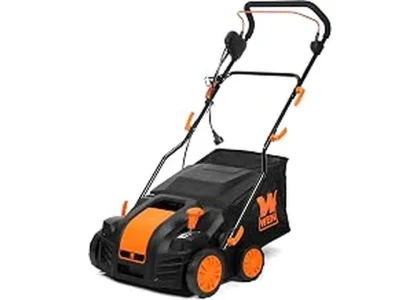
Another option, especially for larger areas or tougher dead weeds, is to use a manual sod cutter or even a rototiller. A sod cutter lifts and cuts away the top layer of sod, including dead vegetation. A rototiller churns up the soil, mixing in the dead material and loosening the ground.
If you use a tiller, it’s a good idea to go over the area again with a rake afterward to break up clumps and remove any larger pieces of debris.
Addressing Lingering Issues
Sometimes, even after raking, you might have areas where the dead weeds are really matted down, or you might have concerns about what’s left behind. If you suspect a lot of weed seeds are still in the soil, or if you have a history of tough perennial weeds, you might consider a more active approach to clearing.
September Outdoor Sale — Save Up to 52%
A new month means new ways to upgrade your patio, garden & lawn for less. We’ve rounded up popular outdoor picks with savings up to 52%. Don’t wait—these offers can change anytime!
One method is to cover the area with a thick layer of plastic sheeting (like clear plastic tarps) for several weeks during a warm, sunny period. This process, called solarization, uses the sun’s heat to kill off many weed seeds and some existing plants. After this, you would still need to rake to remove the now-dead material.
If you have very stubborn perennial weeds that are hard to kill, you might need to use a non-selective herbicide. These kill everything they touch, so you’d apply them to the weeds and wait until they are completely dead. After they are thoroughly dead and dried out, you would then rake them away.
Always follow product instructions carefully if you choose this route, and be mindful of environmental impact.
After clearing, take a look at your soil. Is it hard and compacted? If so, you’ll want to loosen it up.
This helps new roots grow deep and strong. You can do this with a garden fork or a tiller. Aim to break up any hard clumps.
Here are the steps to properly clear your area:
September Outdoor Sale — Save Up to 52%
A new month means new ways to upgrade your patio, garden & lawn for less. We’ve rounded up popular outdoor picks with savings up to 52%. Don’t wait—these offers can change anytime!
- Rake Vigorously: Use a stiff metal rake to pull up all dead weeds, leaves, and debris. Repeat this process until the area is as clean as possible.
- Consider a Tiller (Optional): For compacted soil or thick dead weed layers, a rototiller can break up the ground and incorporate some organic matter. However, ensure you rake out larger debris afterward.
- Remove Debris: Bag up all the dead weeds and plant material you’ve removed. This prevents weed seeds from re-seeding or diseases from lingering.
- Loosen the Soil: Use a garden fork or rake to loosen the top 2-4 inches of soil. This improves drainage and aeration, which is crucial for seed germination.
- Level the Ground: Rake the area smooth, filling in any low spots and removing high ones. This creates an even surface for seeding.
What Happens If You Don’t Remove Dead Weeds
So, what’s the real outcome if you decide against removing those dead weeds and plant your grass seed right on top? The question Can I plant grass seed directly into dead weeds or do I need to remove them has a practical answer based on what happens next. It’s not just about aesthetics; it’s about the health and success of your new lawn.
Reduced Germination Rates
One of the biggest problems you’ll face is poor seed germination. As mentioned, the dead weeds form a barrier. Grass seeds need direct contact with the soil to absorb moisture and warmth.
This moisture is what triggers the seed to sprout. Without this direct contact, many seeds will simply dry out and fail to germinate, or they might sprout weakly and then die.
Imagine trying to start a tiny campfire on top of a pile of damp leaves. It would be incredibly difficult to get the kindling to catch and burn. Planting seed on dead weeds is similar.
The seed is not getting the optimal conditions it needs to get its start.
This means you’ll end up with thin patches in your lawn. Instead of a thick, green carpet, you’ll have bare spots where the seeds couldn’t sprout. You’ll have to go back and reseed those areas, which means more work and a longer time until your lawn looks complete.
September Outdoor Sale — Save Up to 52%
A new month means new ways to upgrade your patio, garden & lawn for less. We’ve rounded up popular outdoor picks with savings up to 52%. Don’t wait—these offers can change anytime!
Increased Weed Pressure
Leaving dead weeds means you are also leaving behind potential weed seeds that I’m on those plants. While the weeds are dead, their seed heads might have been present, scattering seeds all over the area. Your new grass will then have to compete with brand new weeds that sprout alongside it.
Furthermore, dead weed roots can still hold moisture and nutrients. This can actually encourage new weed growth from any seeds already in the soil, or from the roots of perennial weeds that might not be completely dead. Your new grass will be fighting for resources with these unwanted guests from day one.
This competition is a major reason why lawns look sparse and unhealthy. The grass is struggling to get enough water, sunlight, and nutrients because the weeds are taking most of it. It’s a battle your new grass is likely to lose.
Nutrient and Moisture Competition
Even dead plant material will decompose, and as it does, it will absorb moisture and nutrients from the soil. While this might sound like it’s contributing to the soil, it’s doing so at the expense of your new grass seeds. The decomposing weeds can create a layer that holds water but releases it very slowly, or it can wick moisture away from the seeds.
Think of it like this: if you I’m trying to give a drink of water to a thirsty person, but there was a sponge between you and them, the sponge would soak up most of the water before it reached the person. The dead weeds act like that sponge. The grass seeds don’t get the full benefit of any water or fertilizer you might apply.
This competition for resources means your grass seedlings won’t grow as strong or as quickly. They might become stunted or more susceptible to stress from heat, drought, or foot traffic. A strong root system is built in the early stages, and if that system is weak due to competition, the entire plant will suffer.
September Outdoor Sale — Save Up to 52%
A new month means new ways to upgrade your patio, garden & lawn for less. We’ve rounded up popular outdoor picks with savings up to 52%. Don’t wait—these offers can change anytime!
Here’s a look at the consequences of not removing dead weeds:
- Poor Seed Germination: Seeds struggle to get moisture and light, leading to many failing to sprout.
- Uneven and Patchy Lawn: Bare spots appear where seeds couldn’t establish, requiring reseeding.
- Persistent Weed Problems: Dead weeds can still harbor seeds and roots, encouraging new weed growth.
- Weak Grass Growth: New grass competes with decaying matter for essential water and nutrients.
- Increased Risk of Pests and Diseases: The decaying matter can attract harmful insects and fungi.
Best Practices for Seeding Over Prepared Soil
Now that I’ve looked at why removing dead weeds is so important, let’s talk about what to do once you have a clean, prepared soil bed. This is where the magic happens, and answering the question Can I plant grass seed directly into dead weeds or do I need to remove them becomes clear: remove them for the best results. Having a clean surface means your new grass has the best start possible.
Choosing the Right Seed
The type of grass seed you choose is very important. Different grass types are suited for different climates, sun exposures, and uses. For example, fescues are good for shady areas, while Bermuda grass loves full sun.
It’s always a good idea to pick a seed mix that is appropriate for your specific yard conditions and that is known to be hardy in your region.
Read the seed bag carefully. It will tell you what type of grass it is, how much area it covers, and when the best time to plant it is. Sometimes, local garden centers have experts who can help you choose the best seed for your area.
They might also recommend a blend of different grass types for resilience.
September Outdoor Sale — Save Up to 52%
A new month means new ways to upgrade your patio, garden & lawn for less. We’ve rounded up popular outdoor picks with savings up to 52%. Don’t wait—these offers can change anytime!
Consider grass seed that is coated with a starter fertilizer. This coating can help the seeds absorb moisture and provides some initial nutrients to help them sprout and grow. This is especially helpful in areas where the soil might be less than ideal.
Applying the Seed
Once your soil is ready and you have your seed, it’s time to plant. You can spread grass seed by hand or use a spreader. For a more even application, a broadcast spreader is a good tool.
These spreaders cast the seed in a wide arc, helping you cover the area uniformly.
Follow the instructions on the seed bag for the correct application rate. Putting down too much seed can lead to overcrowding and weak grass. Not putting down enough will result in a thin lawn.
Aim for an even distribution across the entire area you want to seed.
After spreading the seed, you can gently rake it into the top layer of soil. You want to barely cover the seed, about 1/8 to 1/4 inch deep. You can also walk over the seeded area with a roller to press the seeds into the soil.
September Outdoor Sale — Save Up to 52%
A new month means new ways to upgrade your patio, garden & lawn for less. We’ve rounded up popular outdoor picks with savings up to 52%. Don’t wait—these offers can change anytime!
This ensures good seed-to-soil contact, which is critical for germination.
Watering and Care
Watering is crucial after seeding. You need to keep the top inch of soil consistently moist, but not waterlogged. This means watering lightly and frequently, especially during dry spells.
If the soil dries out, newly sprouted seedlings can die very quickly.
For the first few weeks, try to water gently. A strong spray can wash away the seeds. Once the grass starts to grow and becomes established, you can gradually reduce the frequency of watering but increase the duration.
This encourages the roots to grow deeper.
Continue to keep the area free of weeds as much as possible. If any weeds do sprout, pull them out by hand before they get too large and start competing with your new grass. This early effort will pay off in the long run.
September Outdoor Sale — Save Up to 52%
A new month means new ways to upgrade your patio, garden & lawn for less. We’ve rounded up popular outdoor picks with savings up to 52%. Don’t wait—these offers can change anytime!
Here are the essential steps for successful seeding:
- Select Appropriate Seed: Choose grass types suited to your climate, sunlight, and soil conditions.
- Calibrate Your Spreader: Ensure you apply the correct amount of seed as recommended on the bag.
- Distribute Seed Evenly: Use a spreader for uniform coverage, or hand-sow carefully.
- Lightly Rake or Roll: Gently incorporate seeds into the soil for optimal seed-to-soil contact.
- Maintain Consistent Moisture: Keep the soil surface consistently damp, but not soggy, until grass is I’ll-established.
- Water Wisely: Use a gentle spray initially, then water deeper and less frequently as grass grows.
Let’s consider a comparison of two common approaches:
| Method | Pros | Cons | Outcome |
|---|---|---|---|
| Planting directly into dead weeds | Seems quicker upfront. | Poor germination, patchy growth, increased weed competition, weak grass. | Likely a thin, uneven lawn that needs extensive repair. |
| Removing dead weeds and preparing soil | Requires more initial work. | More time-consuming initial preparation. | Strong, even germination, healthy grass, fewer weed problems, a beautiful lawn. |
Real-World Lawn Transformation: Case Study
In a suburban neighborhood, one homeowner, Sarah, was eager to revamp her front yard. She had a patchy, weed-infested lawn and wanted to start fresh with grass seed. Sarah’s biggest question was, Can I plant grass seed directly into dead weeds or do I need to remove them?
She decided to test two methods on different sections of her yard.
In the front-left section, Sarah followed a shortcut. She mowed the existing weeds down low, then spread grass seed directly on top, figuring the dead material would just decompose. She watered it consistently.
In the front-right section, Sarah put in more effort. She spent a weekend raking up all the dead weeds and debris. She then loosened the soil with a garden fork and raked it smooth.
September Outdoor Sale — Save Up to 52%
A new month means new ways to upgrade your patio, garden & lawn for less. We’ve rounded up popular outdoor picks with savings up to 52%. Don’t wait—these offers can change anytime!
She used the same type of grass seed and watering schedule as the other section.
After four weeks, the difference was striking. The section where Sarah had removed the dead weeds was showing thick, even germination. The new grass blades I’m a vibrant green and standing strong.
The soil looked healthy and dark.
The section where she had planted directly into dead weeds was a disappointment. Only a few scattered patches of grass had managed to sprout. Most of the seed lay on the dead plant matter, failing to germinate.
The area looked sparse and still had a lot of dead weed material visible.
Sarah learned a valuable lesson: taking the time to remove dead weeds and prepare the soil properly is absolutely essential for a successful lawn. The extra work upfront saved her a lot of frustration and guaranteed a much better outcome.
September Outdoor Sale — Save Up to 52%
A new month means new ways to upgrade your patio, garden & lawn for less. We’ve rounded up popular outdoor picks with savings up to 52%. Don’t wait—these offers can change anytime!
Frequently Asked Questions
Question: Will dead weeds eventually break down and improve the soil for grass seed?
Answer: While dead plant material does break down over time, it happens slowly. When you plant grass seed, you need the best conditions immediately. Leaving a thick layer of dead weeds creates a barrier that prevents seed-to-soil contact and moisture absorption for too long, hindering germination.
It’s better to remove them so the seed can reach the soil directly.
Question: How deep should I rake to remove dead weeds?
Answer: You want to rake vigorously enough to pull up all the loose, dead material from the surface. Aim to expose the bare soil beneath. You don’t need to dig deep into the soil, but you should remove the entire layer of dead vegetation so the seeds can make contact with the soil itself.
Question: Can I just burn off the dead weeds before seeding?
Answer: Burning off dead vegetation is generally not recommended for most residential lawns. It can be dangerous, is often illegal in urban areas, and can harm the soil by killing beneficial microorganisms. It also doesn’t guarantee complete removal of weed roots and can leave ash that affects soil pH, which might not be ideal for grass seed.
Question: What if I have living weeds along with dead ones?
Answer: If you have living weeds, it’s even more important to remove them. You can try to dig them out by hand, making sure to get the roots. If you have a lot of living weeds, you might need to use a herbicide specifically designed to kill weeds before you prepare the soil for seeding.
Always follow product instructions carefully.
September Outdoor Sale — Save Up to 52%
A new month means new ways to upgrade your patio, garden & lawn for less. We’ve rounded up popular outdoor picks with savings up to 52%. Don’t wait—these offers can change anytime!
Question: How soon after removing dead weeds can I plant grass seed?
Answer: You can usually plant grass seed immediately after removing dead weeds and preparing the soil. Once the area is cleared, loosened, and leveled, it’s ready for seeding. The key is to have that clean soil surface ready to receive the seed.
Final Thoughts
When you ask Can I plant grass seed directly into dead weeds or do I need to remove them, the clear answer is to remove them. Preparing the soil by getting rid of dead weeds gives your grass seed the best chance to sprout and grow strong. It leads to a thicker, healthier lawn with fewer problems down the road.
Put in that little bit of extra work for beautiful results.