Last Updated on June 7, 2026 by D. Ruddy
I’ve spent a lot of time working through this, and I want to share what I’ve learned. Here’s my straightforward advice based on hands-on experience.
Why Raking Matters for Overseeding
Overseeding is a fantastic way to fill in bare spots and make your lawn look fuller. When you ask, “Can I overseed without raking up all the dead grass first?”, you’re hitting on a really important point that trips up many new lawn owners. The dead grass, often called thatch, can create a barrier. This barrier makes it hard for the new seeds to reach the soil. Think of it like trying to plant a tiny seed on top of a thick blanket – it might not get the moisture and contact it needs to sprout.
For beginners, the idea of raking up all that dead grass can seem like a lot of work. It looks messy, and you might worry about damaging the existing lawn. But even a little bit of raking or dethatching can make a big difference. It helps ensure the new grass seeds have a chance to touch the dirt. This direct contact is vital for germination, meaning when the seed starts to grow. I’ll look at how to do this without turning your lawn into a construction site.
This section explores why that layer of dead grass is a problem and what you can do about it. I’ll talk about what thatch is and why it’s important to manage it. You’ll learn that you don’t always need to remove every single bit of dead grass. The goal is to create enough space for the new seeds to grow.
What is Thatch and Why It’s an Issue
Thatch is the layer of dead and living organic matter, like grass blades, stems, and roots, that builds up between your green grass and the soil surface. A thin layer of thatch, about half an inch thick, is actually good for a lawn. It helps insulate the soil, retain moisture, and protect the grass crowns from damage. It also adds nutrients back into the soil as it decomposes.
September Outdoor Sale — Save Up to 52%
A new month means new ways to upgrade your patio, garden & lawn for less. We’ve rounded up popular outdoor picks with savings up to 52%. Don’t wait—these offers can change anytime!
However, when thatch gets too thick, it can cause big problems for your lawn’s health and for overseeding. A thick thatch layer, usually more than half an inch, acts like a waterproof mat. This mat prevents water, air, and nutrients from reaching the soil where the grass roots live. It can also become a cozy home for pests and diseases.
When you want to overseed, a thick thatch layer is your enemy. The tiny grass seeds will land on top of this dense layer of dead material. They won’t be able to make contact with the soil. Without good soil contact, the seeds can dry out easily, get washed away by rain, or simply not germinate at all. This means all your hard work overseeding might not result in the thicker lawn you’re hoping for.
For instance, imagine trying to grow a plant in a pot filled with dry sponge instead of soil. The seed would likely shrivel up before it could sprout. Similarly, seeds on thick thatch miss out on the moisture and nutrients found in the soil.
This is why managing thatch is a key step for successful overseeding.
The Importance of Soil Contact
Soil contact is the most critical factor for successful seed germination when overseeding. Grass seeds need a few things to start growing: moisture, the right temperature, and direct contact with soil. When you throw seeds onto a thick carpet of dead grass, they are suspended above the soil. They might get a little moisture from rain or watering, but it’s often not enough.
The dead grass acts as a physical barrier. It can prevent the seed from settling into a position where its roots can anchor into the soil. This makes the seed vulnerable. It can easily be blown away by wind, washed away by water runoff, or eaten by birds. Even if it does sprout, the tiny roots might struggle to penetrate the thatch layer.
September Outdoor Sale — Save Up to 52%
A new month means new ways to upgrade your patio, garden & lawn for less. We’ve rounded up popular outdoor picks with savings up to 52%. Don’t wait—these offers can change anytime!
Having seeds in direct contact with soil ensures they get the consistent moisture they need. It also allows the developing root to anchor itself firmly. This gives the new seedling the best possible start to establish itself. This is why, even if you’re wondering, “Can I overseed without raking up all the dead grass first?”, you need to think about how to achieve this soil contact.
Consider a farmer planting wheat. They don’t just scatter seeds on top of last year’s crop residue; they use machines that till the soil and place the seeds directly into the earth. While your lawn project isn’t as industrial, the principle is the same.
You need to help the seeds connect with the soil.
Methods for Overseeding with Less Raking
If the thought of completely clearing your lawn of dead grass seems overwhelming, you’re not alone. The good news is that you can still achieve good results with overseeding without a massive cleanup effort. The key is to find a balance. You want to reduce the thatch layer enough to allow for soil contact, but you don’t necessarily need to strip your lawn bare.
Several methods can help you do this. Some involve using tools to break up the thatch and get seeds into the soil. Others rely on timing and the natural settling of seeds. The best approach for you will depend on the thickness of your thatch, the type of grass you have, and how much effort you’re willing to put in.
I will explore different ways to overseed that minimize the need for heavy raking. This will give you options to choose from. You’ll learn that “Can I overseed without raking up all the dead grass first?” has a more positive answer than you might think, especially with the right techniques.
September Outdoor Sale — Save Up to 52%
A new month means new ways to upgrade your patio, garden & lawn for less. We’ve rounded up popular outdoor picks with savings up to 52%. Don’t wait—these offers can change anytime!
Light Dethatching and Raking
One of the most effective ways to prepare your lawn for overseeding, without going overboard, is light dethatching and raking. Dethatching involves using a tool to pull up and remove some of the thatch layer. This doesn’t mean removing every single bit, but rather creating slits or openings.
You can use a garden rake for a lighter approach. Vigorously rake the lawn in a couple of directions. This will loosen the thatch and pull up some of the dead grass. It also helps to open up the soil surface. Don’t worry if it looks a bit messy afterward; that’s part of the process.
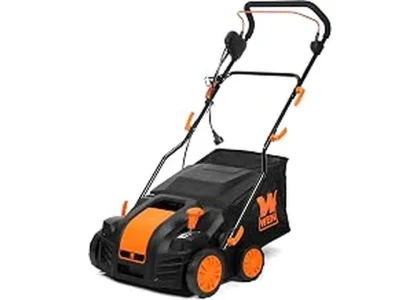
A more effective tool for light dethatching is a power dethatcher or a manual dethatching rake. These tools have tines that dig into the thatch layer and pull it up. You don’t need to go very deep, especially if your thatch isn’t excessively thick. The goal is to create channels for the seeds.
After dethatching or raking, you’ll have a good amount of loose debris on the lawn. Rake this material off to the side or collect it. This cleared thatch is organic matter that can be added to your compost bin.
Leaving too much of this debris on the lawn can still create a barrier for the seeds.
Using a Spreader with Seed Drop
Some modern lawn care equipment can help with overseeding by combining seed distribution and soil penetration. These are often called slit seeders or overseeders. They are machines that have blades that cut small grooves into the soil. As the machine moves, it drops the grass seed directly into these grooves.
September Outdoor Sale — Save Up to 52%
A new month means new ways to upgrade your patio, garden & lawn for less. We’ve rounded up popular outdoor picks with savings up to 52%. Don’t wait—these offers can change anytime!
This method is incredibly effective because it guarantees excellent soil contact for every seed. It bypasses the need for extensive raking because the machine does the work of disturbing the thatch and soil simultaneously. You essentially drive the machine over your lawn, and it plants the seeds for you.
While these machines can be rented, they are an investment. If you have a large area or plan to overseed regularly, it might be worthwhile. For smaller areas or occasional use, renting might be more economical. This method directly answers “Can I overseed without raking up all the dead grass first?” with a resounding yes, provided you have the right equipment.
Think of it like a tiny plow and seeder all in one. It makes neat little rows, puts the seed right where it needs to be, and covers it up a bit, all in one pass. This is why it’s so successful.
Broadcast Spreading and Light Cultivation
Another approach involves broadcasting your grass seed over the lawn and then using a light cultivation method to help it settle. You can use a broadcast spreader to evenly distribute the seed across the entire area. This is the easy part.
The next step is crucial: getting the seed into the soil. If you have a very thin thatch layer, you might be able to get away with just walking over the lawn or lightly dragging a mat or a garden rake. The idea is to gently press the seed into the soil surface.
For slightly thicker thatch, you could use a spring-tine rake. Gently pull the rake across the lawn in a crisscross pattern. This will help to comb the seeds through the thatch and into contact with the soil. You are not trying to rip up the lawn, just create enough movement to push the seeds down a little.
September Outdoor Sale — Save Up to 52%
A new month means new ways to upgrade your patio, garden & lawn for less. We’ve rounded up popular outdoor picks with savings up to 52%. Don’t wait—these offers can change anytime!
After spreading the seed, a light watering will help settle the soil around them. The seeds will naturally work their way down a little more as the soil gets moist and settles. This method is less intensive than dethatching but requires careful execution.
Ensuring Seed Germination and Growth
Once you’ve put down the seed, your job isn’t quite done. You’ve asked, “Can I overseed without raking up all the dead grass first?” and learned how to prepare. Now, we need to make sure those seeds actually sprout and grow into healthy grass. This stage requires attention to moisture, protection, and patience.
The new grass seedlings are very delicate. They need consistent conditions to survive and thrive. Even with good soil contact, if the environment isn’t right, they won’t develop properly. This means paying attention to watering, avoiding activities that could harm the new grass, and giving it time.
This section will cover the essential steps to take after you’ve spread your seed. I’ll discuss how to water effectively, how to protect your new grass, and what to expect as it grows. Getting these details right will help your overseeding efforts pay off.
Watering New Seed Effectively
Water is the lifeblood of new grass seed. For seeds to germinate and establish, the soil needs to stay consistently moist. This doesn’t mean flooding the area, which can wash the seeds away or suffocate them. It means keeping the top inch of soil damp, like a wrung-out sponge.
For the first week or two after overseeding, you’ll likely need to water lightly multiple times a day, especially if the weather is warm and dry. A gentle spray from your hose or sprinkler is best. You want to moisten the surface without creating puddles.
September Outdoor Sale — Save Up to 52%
A new month means new ways to upgrade your patio, garden & lawn for less. We’ve rounded up popular outdoor picks with savings up to 52%. Don’t wait—these offers can change anytime!
As the new grass seedlings grow taller, you can gradually reduce the frequency of watering and increase the amount of water each time. The goal is to encourage the roots to grow deeper into the soil. Deep roots make for a more drought-tolerant and resilient lawn.
Avoid letting the seedbed dry out completely. This is a common mistake that can undo all your hard work. If you see the soil surface starting to lighten in color, it’s time to water again.
Protecting New Grass Seedlings
New grass seedlings are very fragile. They are easily damaged by foot traffic, pets, and heavy rain. It’s important to protect the newly seeded areas as much as possible for the first few weeks.
If you have pets, especially dogs, keep them off the newly seeded lawn entirely. Their urine can burn the delicate grass, and their running around can dislodge seeds and seedlings. Set up temporary fencing or barriers if needed.
Heavy rain can also be a problem. If you overseed on a slope, water runoff can carry the seeds downhill, causing uneven growth. If a very heavy rain is forecast shortly after seeding, you might consider using straw mulch very lightly over the seeded areas. A light layer of straw can help hold the seeds in place and retain moisture.
The goal is to create a safe environment for the new grass to get established. This means minimizing any disturbance until the seedlings are a few inches tall.
September Outdoor Sale — Save Up to 52%
A new month means new ways to upgrade your patio, garden & lawn for less. We’ve rounded up popular outdoor picks with savings up to 52%. Don’t wait—these offers can change anytime!
What to Expect as Grass Grows
After overseeding, you’ll start to see tiny green shoots emerging from the soil. This is the most exciting part! Germination times can vary depending on the type of grass seed you used and the weather conditions, but it typically takes anywhere from 5 to 14 days.
As the new grass grows, it will start to fill in the bare spots and thicken the lawn. It might take several weeks for the new grass to become fully established and blend in with your existing lawn. You’ll notice the new growth is often a brighter green than older grass.
Be patient during this process. It takes time for the new grass to mature. You might be tempted to mow very soon after germination, but it’s best to wait until the new grass is at least 2-3 inches tall. When you do mow, set your mower to a higher setting. This helps to encourage deeper root growth and prevents you from cutting the new grass too short.
Remember that overseeding is often an ongoing process. Doing it year after year, even with lighter thatch, will continue to improve your lawn’s density and health over time.
When to Avoid Overseeding
While overseeding is generally a great practice, there are times when it’s not the best idea. Knowing when to hold off will save you time, money, and frustration. The question “Can I overseed without raking up all the dead grass first?” also implies a certain level of urgency, but sometimes waiting is the smarter choice.
The health of your existing lawn, the weather, and specific lawn conditions all play a role in determining the right time to overseed. If your lawn is already struggling with disease or severe pest infestations, overseeding might just add more stress. It’s important to address underlying problems first.
September Outdoor Sale — Save Up to 52%
A new month means new ways to upgrade your patio, garden & lawn for less. We’ve rounded up popular outdoor picks with savings up to 52%. Don’t wait—these offers can change anytime!
I’ll look at a few common scenarios where it’s better to wait or take a different approach before overseeding. Understanding these situations will help you make the best decisions for your lawn care.
Dealing with Lawn Diseases and Pests
If your lawn is currently suffering from a significant disease or pest infestation, it’s usually best to hold off on overseeding. Overseeding introduces new, young grass that is often more susceptible to diseases and pests than mature grass. Trying to grow new grass in an environment that’s already hostile to grass can lead to failure.
For example, if you have a fungal disease like brown patch or dollar spot, the conditions that favor the disease are likely still present. Spreading new seed will only provide more vulnerable targets for the fungus to attack. Similarly, if you have grubs or other soil-dwelling pests, they could feast on your new seeds and seedlings before they have a chance to establish.
It’s far more effective to address the disease or pest problem first. This might involve using appropriate fungicides or insecticides, or making cultural changes to the lawn’s environment. Once the existing problem is under control and the lawn is healthier, then you can proceed with overseeding. You want to give your new grass the best possible chance to grow.
Think of it like trying to start a new garden when the soil is already full of weeds and has bad nutrients. You wouldn’t expect your new plants to thrive. First, you clear out the weeds and improve the soil.
Then, you plant.
September Outdoor Sale — Save Up to 52%
A new month means new ways to upgrade your patio, garden & lawn for less. We’ve rounded up popular outdoor picks with savings up to 52%. Don’t wait—these offers can change anytime!
Extreme Weather Conditions
Extreme weather can also make overseeding a poor choice. Overly hot and dry conditions, for instance, can make it very difficult to keep new grass seed adequately moist. Even with diligent watering, the heat can cause the soil to dry out too quickly, killing the seeds or young seedlings.
Conversely, overseeding too close to the first hard frost in the fall can also be problematic. Grass seed needs a certain amount of time to germinate and establish a root system before winter sets in. If it’s too cold for too long, the young grass won’t have enough time to develop the strength it needs to survive the winter.
The best times for overseeding are typically spring and fall, when temperatures are mild and there’s usually adequate rainfall. These conditions are ideal for germination and establishment. Always check your local climate and typical weather patterns when deciding on the best time to overseed.
For example, overseeding in the peak of summer in a hot climate is usually a recipe for disappointment. The young grass simply can’t withstand the intense heat and rapid drying of the soil.
Existing Lawn Health Concerns
Beyond diseases and pests, other underlying health concerns with your existing lawn might make overseeding a bad idea. If your lawn has very poor soil quality, such as compacted soil or soil that lacks nutrients, overseeding might not yield the results you expect. The new grass will struggle to establish deep roots in compacted soil, and it won’t thrive without essential nutrients.
Also, if your existing grass is very weak and thin due to factors like poor mowing practices, improper fertilization, or lack of sunlight, overseeding might not be enough to fix the core problem. You might be better off addressing these fundamental issues first. This could involve aerating compacted soil, improving your fertilizing schedule, or assessing the amount of sunlight your lawn receives.
September Outdoor Sale — Save Up to 52%
A new month means new ways to upgrade your patio, garden & lawn for less. We’ve rounded up popular outdoor picks with savings up to 52%. Don’t wait—these offers can change anytime!
Sometimes, a lawn might need more than just overseeding. It might require a more comprehensive renovation, which could involve removing old turf, amending the soil extensively, and then establishing a new lawn from scratch or a more aggressive overseeding approach.
If your lawn looks generally unhealthy, like it’s always struggling, it’s worth investigating the root cause before adding more grass seed to the mix.
Frequently Asked Questions
Question: Can I overseed my lawn in the summer?
Answer: It’s generally not recommended to overseed in the peak of summer heat, as it’s very difficult to keep the new seed moist enough to germinate and survive. Fall or spring are usually the best times.
Question: How often should I water newly seeded grass?
Answer: You should water lightly multiple times a day for the first week or two, keeping the soil consistently moist but not soggy. As the grass grows, you can water less often but more deeply.
Question: Will overseeding without raking make my lawn look patchy?
Answer: It might, if the dead grass is too thick and prevents good seed-to-soil contact. A little raking or dethatching greatly improves your chances of an even germination.
Question: How soon can I mow the new grass?
Answer: Wait until the new grass is at least 2-3 inches tall. When you mow, set your mower to a higher setting.
September Outdoor Sale — Save Up to 52%
A new month means new ways to upgrade your patio, garden & lawn for less. We’ve rounded up popular outdoor picks with savings up to 52%. Don’t wait—these offers can change anytime!
Question: What if I have pets?
Answer: It’s very important to keep pets off newly seeded areas. Their urine can damage young grass, and they can disrupt the seeds and soil.
Final Thoughts
You can overseed without completely removing all dead grass, but you need to make sure seeds can reach the soil. A light raking or dethatching makes a big difference for seed-to-soil contact. Proper watering and protection will help your new grass grow strong. This approach gives you a greener lawn with less fuss.