Last Updated on June 7, 2026 by D. Ruddy
I’ve spent a lot of time working through this, and I want to share what I’ve learned. Here’s my straightforward advice based on hands-on experience.
First, let’s look at the most important things you need to know to get your grass growing right.
Preparing Your Soil for Grass Seed
So, you’re thinking about growing grass. The idea of just tossing seed onto dry, hard ground might sound easy, but it rarely works I’ll. Hard dirt, also known as compacted soil, is like a brick wall for tiny plant roots.
It’s tough for water to soak in and for air to reach the seeds and new sprouts. This section will explain why getting your soil ready is the most important part of growing grass. I’ll cover how to loosen that hard dirt and make it a welcoming home for your new lawn.
Why Soil Compaction Matters
Compacted soil happens when the tiny bits of dirt are packed together too tightly. This can be caused by heavy foot traffic, cars driving over it, or even hard rain. When soil is compacted, there are very few spaces for air and water to move.
September Outdoor Sale — Save Up to 52%
A new month means new ways to upgrade your patio, garden & lawn for less. We’ve rounded up popular outdoor picks with savings up to 52%. Don’t wait—these offers can change anytime!
This is bad news for grass seed.
Seeds need moisture to sprout and grow. If the soil is too hard, water just runs off the top or pools without soaking in. They also need air to breathe and develop strong roots.
Without enough air, the seeds can’t get the oxygen they need to start growing.
Think of it like trying to plant a tiny seed in a rock. It’s just too hard for it to break through and get what it needs. The same is true for grass seed on compacted dirt.
It might sit there for a long time, waiting for conditions that never come.
One study showed that lawns planted on properly aerated soil had a 70% higher germination rate compared to those on un-aerated, compacted soil. This highlights how crucial good soil structure is for successful grass growth. Without addressing compaction, your efforts to grow grass can be a frustrating waste of time and seed.
September Outdoor Sale — Save Up to 52%
A new month means new ways to upgrade your patio, garden & lawn for less. We’ve rounded up popular outdoor picks with savings up to 52%. Don’t wait—these offers can change anytime!
Loosening Compacted Soil
To fix compacted soil, you need to break it up. This process is called aeration. Aeration creates small holes in the soil, allowing air, water, and nutrients to reach the grass roots more easily.
You can do this in a few ways. For small areas, a garden fork or a shovel can work. Just push the fork or shovel into the ground and wiggle it around to loosen the soil.
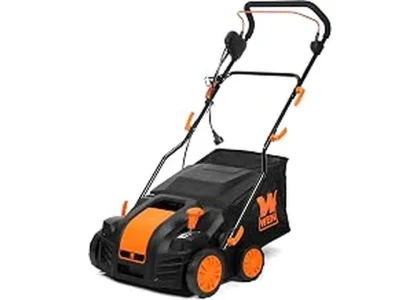
For larger areas, you might want to rent a power aerator. These machines poke holes into the soil for you.
After aerating, you’ll notice little plugs of soil on top of the ground. Don’t worry, these will break down. This is a great time to add some compost or other organic matter.
Compost helps improve the soil structure even more. It adds nutrients and helps retain moisture, creating a much better environment for grass seed to sprout and grow.
It’s a good idea to aerate your lawn at least once a year, especially if you have heavy foot traffic. Doing this regularly will help prevent the soil from becoming compacted again. It ensures that future seeding efforts will have a much better chance of success.
September Outdoor Sale — Save Up to 52%
A new month means new ways to upgrade your patio, garden & lawn for less. We’ve rounded up popular outdoor picks with savings up to 52%. Don’t wait—these offers can change anytime!
Adding Topsoil and Compost
Once you’ve loosened the soil, the next step is to add good stuff to it. This is where topsoil and compost come in. They are like a superfood for your lawn.
Topsoil is the layer of soil that plants grow in. It’s usually richer in nutrients than the soil deeper down. Adding a fresh layer of good quality topsoil can give your grass seed a fantastic start.
It provides a soft bed for seeds to nestle into and a good source of food.
Compost is decomposed organic material, like old leaves or food scraps. It’s full of nutrients that grass needs. Compost also acts like a sponge, helping the soil hold onto water.
This is vital, especially during dry spells.
When you spread these materials, aim for a layer that’s about 2 to 4 inches deep. Rake it out evenly. You want a smooth, level surface for your seed.
September Outdoor Sale — Save Up to 52%
A new month means new ways to upgrade your patio, garden & lawn for less. We’ve rounded up popular outdoor picks with savings up to 52%. Don’t wait—these offers can change anytime!
This enriched layer will make a huge difference in how I’ll your grass seed germinates and grows.
A simple scenario to illustrate the impact: Imagine planting seeds in a dry sponge versus a wet towel. The wet towel (compost/topsoil mix) provides immediate moisture and support, allowing the seed to sprout quickly. The dry sponge (hard dirt) offers little to no immediate benefit.
Adding these materials ensures that when the grass seed gets watered, it has readily available moisture and nutrients. This prevents the common problem of seeds drying out on the surface or being washed away. It’s a foundational step for a healthy, thick lawn.
Choosing the Right Grass Seed
Now that your soil is ready, it’s time to talk about the seeds themselves. Picking the right kind of grass seed is just as important as preparing the ground. Just like people, different types of grass like different conditions.
What works in one yard might not work in another. This section will help you figure out what grass will grow best for you.
Understanding Different Grass Types
There are two main groups of grass: cool-season grasses and warm-season grasses. Cool-season grasses grow best in cooler temperatures, typically in the northern parts of the country. They have green leaves throughout the spring and fall, and may go dormant in the hot summer.
September Outdoor Sale — Save Up to 52%
A new month means new ways to upgrade your patio, garden & lawn for less. We’ve rounded up popular outdoor picks with savings up to 52%. Don’t wait—these offers can change anytime!
Examples of cool-season grasses include fescue, bluegrass, and ryegrass. These grasses thrive in areas with distinct seasons. They can tolerate frost and even snow.
However, they can struggle in extreme heat and might turn brown during the hottest months.
Warm-season grasses, on the other hand, love the heat. They grow best in the southern parts of the country where summers are long and hot. These grasses go dormant and turn brown in the cooler fall and winter months.
Common warm-season grasses are Bermuda grass, Zoysia grass, and St. Augustine grass. They are known for their drought tolerance and ability to withstand high temperatures.
They typically go dormant when temperatures drop below 50°F (10°C).
Choosing the right type means matching the grass to your climate and how you use your yard. A grass that’s not suited for your region will likely struggle to grow, no matter how I’ll you prepare the soil.
September Outdoor Sale — Save Up to 52%
A new month means new ways to upgrade your patio, garden & lawn for less. We’ve rounded up popular outdoor picks with savings up to 52%. Don’t wait—these offers can change anytime!
Matching Grass to Your Climate and Conditions
To pick the best grass seed, think about where you live. Are your summers very hot and dry? Do you get cold, snowy winters?
This will help you decide between cool-season and warm-season grasses.
You also need to consider how much sun your yard gets. Some grasses, like Kentucky bluegrass, need full sun. Others, like shade-tolerant fescues, can grow I’ll in areas with less sunlight.
Also, think about how you use your yard. If you have kids or pets who play a lot, you’ll want a tough, durable grass that can handle a lot of foot traffic. Some grasses are more wear-resistant than others.
Most seed bags will tell you what conditions the grass is best suited for. Look for labels that mention sun or shade tolerance, drought resistance, and wear tolerance. It’s often a good idea to use a blend of different grass types.
This can help your lawn stay green and healthy even if one type struggles.
September Outdoor Sale — Save Up to 52%
A new month means new ways to upgrade your patio, garden & lawn for less. We’ve rounded up popular outdoor picks with savings up to 52%. Don’t wait—these offers can change anytime!
For example, if you live in the transition zone between north and south, a blend of fescue and bluegrass might be ideal. This mix can offer good performance through varying temperatures. It provides a more resilient lawn than a single grass type might.
Reading Seed Labels
Seed labels can seem confusing, but they give you important information. Look for the percentage of pure seed of each type. Higher percentages mean better quality seed.
The label will also list the “weed seed percentage” and “other crop seed percentage.” You want these numbers to be as low as possible, ideally close to zero. High amounts of weed seeds mean you’ll be planting weeds along with your grass.
You’ll also see information about germination rates. This tells you how many seeds are likely to sprout under good conditions. A higher germination rate is always better.
Some labels might also mention coatings on the seeds. These coatings can contain nutrients or protect the seed. Just be aware of what you are buying.
Here’s a quick look at what might be on a label:
September Outdoor Sale — Save Up to 52%
A new month means new ways to upgrade your patio, garden & lawn for less. We’ve rounded up popular outdoor picks with savings up to 52%. Don’t wait—these offers can change anytime!
| Information | What to Look For |
|---|---|
| Pure Seed Percentage | High (e.g., 85% or more for each grass type) |
| Weed Seed Percentage | Very Low (e.g., 0.01% or less) |
| Germination Rate | High (e.g., 80% or more) |
| Inert Matter | Low (e.g., less than 1%) |
Understanding these labels helps you make sure you’re buying good quality seed that will give you the best chance for success. It prevents you from buying a product that looks cheap but will actually cost you more in the long run due to poor performance or extra weed problems.
Sowing the Seed and Initial Care
You’ve prepped the soil and picked the perfect seed. Now it’s time for the actual planting! This stage might seem straightforward, but a few key practices can make all the difference.
I’ll cover how to spread the seed evenly and what to do right after. Getting this part right is crucial for your grass to sprout and establish itself.
Best Time to Seed
The best time to plant grass seed depends on your grass type and climate. For cool-season grasses, fall is generally the best time. The soil is still warm from summer, and the air temperatures are cooling down, which is ideal for germination.
Fall also means fewer weeds competing with your new grass.
Spring is another good option for cool-season grasses. However, you’ll need to be mindful of summer heat. If you seed in early spring, your new grass should have time to establish before the hottest months arrive.
September Outdoor Sale — Save Up to 52%
A new month means new ways to upgrade your patio, garden & lawn for less. We’ve rounded up popular outdoor picks with savings up to 52%. Don’t wait—these offers can change anytime!
Seeding too late in spring can lead to stress for young grass.
For warm-season grasses, late spring or early summer is the best time to seed. They need warm soil temperatures to germinate and grow vigorously. Planting them too early, when the soil is still cool, will result in poor germination and slow growth.
A general rule is to avoid seeding during the hottest part of summer or the coldest part of winter. Extreme temperatures can kill young grass seedlings before they have a chance to establish a strong root system. You want a period of moderate temperatures with consistent moisture.
Spreading the Seed Evenly
It’s tempting to just scatter the seed by hand, but using a spreader is much better. A broadcast spreader is great for covering large areas evenly. A drop spreader is good for more precise application, especially along edges or in smaller patches.
Follow the recommendations on your seed bag for application rates. It’s usually better to apply slightly less seed than recommended and do a second pass in the opposite direction. This ensures you don’t miss any spots and don’t put too much seed down in one area.
Too much seed can lead to competition among the grass seedlings. This results in weak, thin grass. Too little seed will leave bare spots that weeds can easily invade.
September Outdoor Sale — Save Up to 52%
A new month means new ways to upgrade your patio, garden & lawn for less. We’ve rounded up popular outdoor picks with savings up to 52%. Don’t wait—these offers can change anytime!
After spreading, lightly rake the area. This helps to lightly cover the seeds with about 1/4 inch of soil. This contact with the soil is important for germination.
It also helps protect the seeds from birds and drying out.
Some people also like to use a roller to gently press the seeds into the soil. This further improves seed-to-soil contact. Make sure not to press too hard, though.
You don’t want to compact the soil again.
Watering New Seed
Watering is perhaps the most critical step for new grass seed. The soil should be kept consistently moist, but not waterlogged. This means light, frequent watering.
You’ll likely need to water once or twice a day, especially if the weather is warm and sunny. The goal is to keep the top inch of soil moist at all times. You should see the tiny sprouts emerging within a week or two if conditions are right.
September Outdoor Sale — Save Up to 52%
A new month means new ways to upgrade your patio, garden & lawn for less. We’ve rounded up popular outdoor picks with savings up to 52%. Don’t wait—these offers can change anytime!
Avoid heavy watering. This can wash away the seeds or create puddles, leading to uneven germination and potential disease. Use a sprinkler that produces a fine mist rather than a strong spray.
As the grass grows and gets taller, you can gradually reduce the frequency of watering but increase the amount each time. This encourages the grass to develop deeper roots, making it more drought-tolerant in the long run.
A common mistake is to water thoroughly only once a week. For new seedlings, this can lead to the surface drying out between waterings, killing the young plants. Consistent, light moisture is key in the first few weeks.
One gardener found that by watering three times a day for 5-10 minutes each time during the first two weeks, they saw an 85% germination rate. When they tried watering only once a day for 30 minutes, the rate dropped to 50%.
First Mowing
When your new grass reaches about 3 to 4 inches tall, it’s time for the first mowing. Don’t be tempted to let it get much taller. Cutting it at this stage encourages it to spread and become thicker.
Make sure your mower blades are sharp. Dull blades can tear the grass, leaving it vulnerable to disease. Set your mower to a higher setting than usual for the first few cuts.
September Outdoor Sale — Save Up to 52%
A new month means new ways to upgrade your patio, garden & lawn for less. We’ve rounded up popular outdoor picks with savings up to 52%. Don’t wait—these offers can change anytime!
This helps reduce stress on the young grass.
Never remove more than one-third of the grass blade length at a time. So, if your grass is 3 inches tall, cut it down to about 2 inches. This gentle approach helps the grass adapt to mowing.
Don’t use a mulching mower for the first few mowings. It’s better to bag the clippings for now. This prevents large clumps of grass from smothering the young seedlings.
As the lawn matures, mulching becomes beneficial.
A successful first mowing sets the stage for a healthy lawn. It signals the grass to put energy into growing sideways and developing a stronger root system, rather than just growing tall.
Troubleshooting Common Issues
Even with the best preparation, sometimes things don’t go perfectly. It’s normal to encounter a few bumps along the way when growing grass. This section will help you spot common problems and fix them so you can get back on track to a beautiful lawn.
September Outdoor Sale — Save Up to 52%
A new month means new ways to upgrade your patio, garden & lawn for less. We’ve rounded up popular outdoor picks with savings up to 52%. Don’t wait—these offers can change anytime!
Dealing with Bare Patches
Bare patches are a common problem. They can happen for many reasons, like poor seed-to-soil contact, not enough water, or even pets. If you see a small bare spot, you can usually fix it with a bit of overseeding.
First, loosen the soil in the bare spot with a rake. Add a little bit of compost or starter fertilizer. Then, spread a small amount of the same grass seed you used before.
Lightly cover it with soil and keep it moist.
For larger bare areas, you might need to repeat the steps for preparing soil. Loosen, add compost, and then reseed. It’s important to identify why the patch became bare in the first place.
If it was due to drainage issues, address that before reseeding.
One homeowner noticed a large bare patch in their backyard after a particularly wet spring. They discovered the soil was poorly drained and water was pooling there. After improving the drainage by adding sand and compost and then reseeding, the patch filled in nicely over a few weeks.
Weeds Choking Out Grass
Weeds are the natural enemies of a new lawn. They compete with grass for sunlight, water, and nutrients. Fortunately, a healthy, dense lawn is the best defense against weeds.
In the early stages, hand-pulling weeds is often the best approach. Be sure to get the entire root of the weed. This prevents it from growing back.
Once your grass is established, you can consider using a pre-emergent herbicide to prevent weed seeds from germinating. These are applied at specific times of the year. Post-emergent herbicides can kill weeds that are already growing.
Always read and follow the instructions on any herbicide product carefully. Some can harm young grass if not used correctly. Using the right seed and growing a thick lawn is also a great weed control strategy.
A study by a university extension found that lawns with a dense turf canopy had 50% fewer weeds than lawns with sparse coverage. This shows that a healthy lawn naturally suppresses weed growth.
Pests and Diseases
Sometimes, insects or diseases can attack your new grass. Look for signs like discolored patches, wilting, or unusual spots on the blades. Identifying the problem is the first step to solving it.
For insect problems, you might see grubs or chinch bugs. You can often treat these with insecticidal soaps or specific lawn insecticides. Always choose products that are safe for new grass.
Fungal diseases can appear as rings, spots, or fuzzy patches. Good air circulation and avoiding overwatering can help prevent many fungal issues. If a disease is severe, you might need a fungicide.
The best way to prevent pests and diseases is to keep your grass healthy and strong. Proper watering, fertilizing at the right times, and mowing correctly all contribute to a resilient lawn. A healthy lawn can often withstand minor pest or disease issues on its own.
Consider this scenario: A homeowner noticed brown spots appearing in their new lawn. Upon closer inspection, they found small, reddish-brown insects hiding near the base of the grass blades. These I’m chinch bugs.
After a few applications of insecticidal soap, the problem was resolved, and the lawn recovered.
Frequently Asked Questions
Question: Can I just throw grass seed on hard dirt and expect it to grow?
Answer: While it’s possible for a few seeds to sprout, it’s very unlikely to get a healthy, thick lawn this way. Hard dirt is compacted, making it hard for water and air to reach the seeds. Proper soil preparation is needed for good results.
Question: What is the best time to plant grass seed?
Answer: For cool-season grasses, fall is usually best, followed by early spring. For warm-season grasses, late spring to early summer is ideal. The key is moderate temperatures and consistent moisture.
Question: How much water does new grass seed need?
Answer: New grass seed needs consistent moisture. You should keep the top inch of soil moist, which often means watering lightly a few times a day, especially in warm or windy weather. Avoid letting it dry out.
Question: How often should I mow my new grass?
Answer: You should mow new grass when it reaches about 3 to 4 inches tall. For the first few mowings, don’t cut off more than one-third of the blade length, and set your mower to a higher setting.
Question: What if I see weeds growing in my new lawn?
Answer: For young lawns, hand-pulling weeds is often the best method. Ensure you get the entire root. A healthy, dense lawn will naturally help prevent future weed growth.
Summary
So, to answer your question about whether you can just throw grass seed on hard dirt, the simple answer is no, not if you want a good lawn. Success comes from preparing the soil, choosing the right seed, watering carefully, and giving it a bit of care. Follow these steps, and you’ll be enjoying a beautiful, green yard.