I have a big maple tree in my front yard. Every fall, it drops enough leaves to fill 30 bags. For years, I raked them all by hand. It took entire weekends and my back hated me. Then I learned smarter ways to handle leaves. Now fall cleanup takes half the time with half the effort.
Here are the fastest, most efficient ways to clean up fall leaves. These techniques work whether you have one tree or twenty.
Why Leaf Cleanup Actually Matters
Leaves left on the lawn over winter smother the grass. They block sunlight, trap moisture, and create perfect conditions for snow mould and other fungal diseases. A thick layer of leaves can kill patches of grass outright – you will find bare spots in spring where the leaves were deepest.
But you do not need to remove every single leaf. A thin scattering of leaves is fine and actually beneficial – they decompose and add organic matter to the soil. The problem is thick layers. If you cannot see the grass blades through the leaves, you have too many.
The goal is to reduce the leaf layer to where grass is visible and can still get light. This can be achieved by removing leaves or by mulching them into small pieces that fall between the grass blades.
Method 1: Mulch-Mow (The Easiest Method)
This is my primary leaf management technique. Instead of raking and bagging, I run the mower over the leaves and chop them into dime-sized pieces. Those small pieces filter down between the grass blades and decompose over winter, feeding the soil.
Mulch-mowing works best when the leaf layer is 1 to 2 inches deep or less. For thicker layers (3 to 6 inches), you may need to make multiple passes or bag some leaves first. The mower blade needs to be sharp for effective mulching. A dull blade just scatters leaves without chopping them.
For best results, use a mulching blade (curved design with extra cutting edges) and close the discharge chute on your mower so the leaves stay under the deck to be chopped multiple times. Mow when the leaves are dry – wet leaves clump and clog the mower. Mow slowly to give the blade time to chop thoroughly. You should see mostly grass with tiny leaf pieces, not a layer of half-chopped leaves.
If after mulching you still have a solid layer of leaf pieces, you need to bag some. The leaf pieces should be small enough that you can see grass between them. Run the mower over the area again with the bagger attached to pick up the excess.
Method 2: Blower (The Fastest Method for Large Areas)
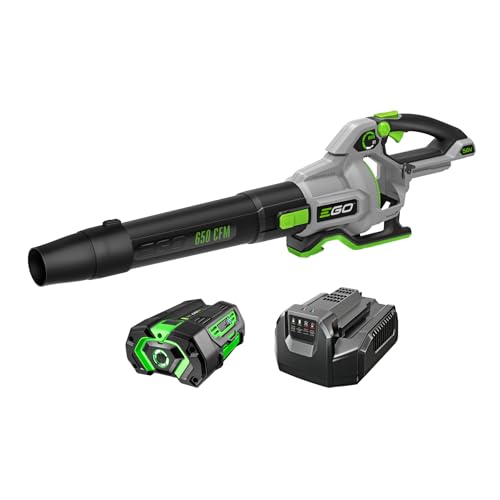
A good leaf blower moves leaves 5 times faster than a rake. For large lawns with many trees, a backpack blower is worth the investment ($150-$300). For typical suburban lots, a handheld blower ($50-$100) works fine.
Blow leaves into piles, then bag them. Work with the wind, not against it. Start at the edges of the property and blow toward a central collection area. Do not try to blow leaves into a single giant pile from 50 feet away – it does not work. Move the pile in stages.
Blow leaves onto a tarp. Lay a large tarp (8×10 feet or bigger) at the edge of your work area. Blow leaves onto the tarp. When it is full, drag the tarp to your compost pile or curbside collection. This eliminates the bagging step and is much faster. One person can drag a tarp full of leaves that would fill 5 bags.
Wear hearing protection with gas blowers. They are loud enough to damage hearing over time. Wear safety glasses – debris gets blown into your face more often than you would expect.
Method 3: Raking (Old School but Effective)
Raking still has its place. For small lawns. For tight spaces where a blower cannot reach. For wet leaves that do not blow well. And for people who want the exercise.
Use the right rake: A wide, lightweight leaf rake (24 to 30 inches wide) with flexible plastic or bamboo tines. Do not use a stiff garden rake – it is designed for soil, not leaves, and it tears up the grass.
Use proper technique: Stand up straight. Do not hunch. Use your arms, not your back. Rake with short strokes in front of you. Walk forward as you rake – do not stand in one spot and reach far forward. Switch hands periodically to avoid overworking one side of your body. Take breaks. Raking is surprisingly strenuous and back injuries are common.
Rake onto a tarp: Same tarp technique as with the blower. Rake leaves onto a tarp, then drag the tarp to your disposal area. Bending over to bag leaves is the most time-consuming and back-straining part of raking. The tarp eliminates it.
Method 4: Lawn Sweeper (The Low-Effort Option)
A lawn sweeper is a push tool with rotating brushes that pick up leaves and deposit them in a hopper. It works like a manual vacuum cleaner for your lawn. Lawn sweepers cost $100 to $200 and are towed behind a riding mower or pushed by hand.
Sweepers work best on relatively flat lawns with dry leaves. They struggle on slopes, in wet conditions, and with sticks or large debris. They are faster than raking but slower than a blower for large areas. They are a good middle-ground option for people who want mechanical help without the noise and maintenance of a blower.
What to Do With the Leaves
Compost them. Leaves are excellent compost material. They are “browns” (carbon-rich) that balance “greens” (nitrogen-rich kitchen scraps and grass clippings). Shredded leaves compost faster than whole leaves. Pile them in a compost bin or in an out-of-the-way corner. By next fall, you will have leaf mould – one of the best soil amendments available.
Use as mulch. Shredded leaves make excellent mulch for garden beds and around trees and shrubs. Spread a 2 to 3-inch layer. It suppresses weeds, retains moisture, and feeds the soil as it breaks down. Whole leaves can mat and block water – always shred them first (run the mower over them before spreading).
Curbside collection. If your municipality collects leaves, follow their guidelines. Some require paper bags. Some allow loose piles at the curb. Some require clear plastic bags. Check before you bag.
Leave some on the lawn. As mentioned, a light scattering of leaves mulched into the lawn is beneficial. Do not remove every last leaf. The organic matter improves your soil.
Cleanup Schedule
Do not wait until all the leaves are down. Leaves that sit on the lawn for weeks before you clean them up do more damage than leaves you clean up quickly. A leaf layer that sits for 2 to 3 weeks starts to smother and yellow the grass underneath.
Plan on 2 to 4 cleanup sessions during fall. Clean up when about half the leaves have fallen. Clean up again when most of the rest have fallen. Do a final cleanup before the first significant snowfall. This schedule keeps leaves from accumulating into thick, damaging layers between cleanups.
Frequently Asked Questions
Can I just leave the leaves on the lawn all winter?
No. A thick layer smothers the grass and promotes snow mould. A very light scattering is fine. If you can see grass blades between the leaves, you are okay. If the leaves form a solid mat, they need to be removed or mulched.
Are mulched leaves good for the lawn?
Yes, in moderation. Mulched leaves add organic matter to the soil, feed earthworms, and return nutrients. The key is that the leaf pieces must be small enough to filter down between grass blades. If the mulched leaves sit on top of the grass as a solid layer, they still block light. Make multiple mower passes if needed to get the pieces small enough.
Why do my leaves blow back onto the lawn after I clean them up?
Wind direction. Work with the wind when blowing or raking – push leaves in the direction the wind is already blowing. If you fight the wind, leaves blow back. Also, create windbreaks with temporary snow fencing or straw bales if you border a particularly windy open area.
Should I bag or mulch leaves from a diseased tree?
Bag and remove them. Fungal spores from diseases like apple scab, tar spot, and anthracnose overwinter in fallen leaves. Mulching diseased leaves into the lawn spreads the spores and guarantees reinfection next year. Remove diseased leaves entirely from the property – do not compost them unless your compost pile gets hot enough to kill pathogens (140+ degrees F).
What is the best leaf blower for a typical yard?
For yards under 0.25 acres with a few trees, a corded electric blower ($40-$60) is fine if you have outdoor outlets. For yards 0.25 to 0.5 acres with several trees, a battery-powered blower ($100-$200, 40V or higher) gives you cordless freedom. For over 0.5 acres with many trees, a gas backpack blower ($200-$300) provides the power and runtime for serious leaf volume.