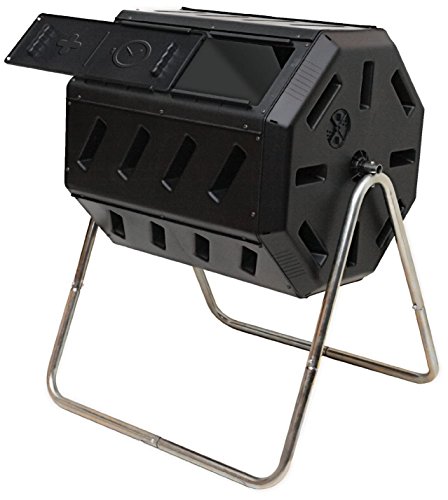
You do not need a big backyard to compost. I composted on a balcony for two years. An apartment with no yard. Just a small tumbler and a worm bin. I made enough compost for my container garden and houseplants.
Small-space composting is different from backyard composting. You need the right system. You need to manage odor. And you need a plan for the finished compost. Here is how to do it.
Best Composting Methods for Small Spaces
1. Worm Bin (Best for Apartments)
A worm bin fits under the kitchen sink, in a closet, or on a balcony. It processes kitchen scraps into worm castings. No smell. No mess. No outdoor space needed.
A 10-gallon bin with one pound of worms handles the scraps from one to two people. The bin is about the size of a shoe rack. Find apartment-friendly worm bins on Amazon.
2. Compact Compost Tumbler (Best for Balconies and Patios)
A small tumbler holds about 18 to 35 gallons. It sits on a stand. You spin it by hand. The sealed drum keeps out pests and contains odors. It fits on a balcony or in the corner of a small patio.
The FCMP IM4000 and Envirocycle are both small enough for balcony use. Make sure your balcony can handle the weight. A full 35-gallon tumbler weighs about 100 pounds.
3. Bokashi Composting (Best for All Food Waste)
Bokashi is a Japanese fermentation method. You layer food scraps with bran that contains beneficial microbes. You press it down to remove air. The scraps ferment instead of rotting. No smell. No pests.
Bokashi handles all food waste. Meat. Dairy. Cooked food. Stuff you cannot put in regular compost. The bucket is small. About the size of a kitchen trash can. It fits in a cabinet.
After two weeks of fermenting, you bury the contents in soil or add them to an outdoor compost pile. The fermented material breaks down completely in two to four weeks in soil.
4. Electric Composter (Best for Ultra-Convenience)
Electric composters like the Lomi or FoodCycler dry and grind food scraps into a soil-like material in a few hours. They are countertop appliances about the size of a bread machine.
The output is not true compost. It is dehydrated food. But you can mix it into soil where it finishes breaking down. Electric composters are expensive at $300 to $500. But they are the easiest method. Dump in scraps. Press a button. Come back to dirt.
Small-Space Composting Comparison
| Method | Space Needed | Cost | Time to Compost |
|---|---|---|---|
| Worm bin | 2 sq ft (indoor) | $50-$120 | 2-4 months |
| Compact tumbler | 4 sq ft (outdoor) | $60-$150 | 4-8 weeks |
| Bokashi | 1 sq ft (indoor) | $40-$80 | 2 weeks + bury |
| Electric composter | 1 sq ft (countertop) | $300-$500 | 4-8 hours |
What to Do With Finished Compost in a Small Space
This is the question nobody asks until they have a bin full of compost and nowhere to put it. Here are options.
Container plants: Mix compost into potting soil for balcony planters and houseplants. A little goes a long way. You will use more than you think.
Give it away: Neighbors with gardens love free compost. Community gardens accept compost donations. Post on a local gardening group. Someone will want it.
Indoor plants only: If you have no outdoor space at all, compost feeds houseplants. A small apartment-sized worm bin produces just enough castings for a collection of houseplants.
Frequently Asked Questions
Can I compost on a balcony?
Yes. A compact tumbler or worm bin works on a balcony. Check the weight limit of your balcony. A full tumbler is heavy. Also check your building rules. Some apartments ban composting even on balconies. Worm bins indoors usually do not break any rules.
How do I keep my small-space compost from smelling?
Keep a 3-to-1 ratio of browns to greens. Bury food scraps under bedding. Do not add meat or dairy. Turn the pile regularly. A properly managed small compost system has no odor. If it smells, add more browns and turn more often.
What is the best composting method for a studio apartment?
Bokashi is the best for tiny apartments. The bucket is small and sealed. It fits in a cabinet. No smell. No worms to care for. You do need a place to bury the fermented material. A friend with a yard or a community garden works.