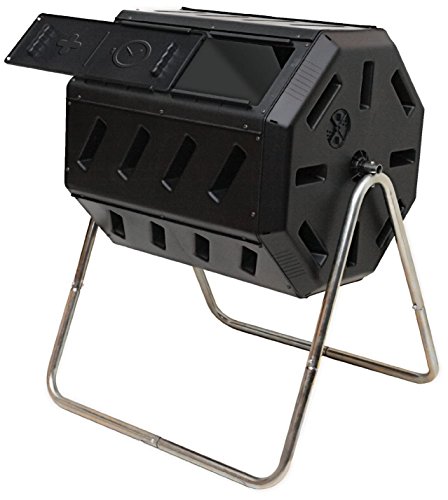
When I started composting, I threw everything in. Orange peels, bread crusts, old pasta, dog hair. I thought anything that was once alive could be composted. Then my pile started to stink. Flies showed up. A raccoon visited. I learned that not everything belongs in a compost bin.
Here is exactly what to put in your compost. What to leave out. And a few items that surprise people.
What to Put in Your Compost (Green Materials)
Green materials are fresh and moist. They provide nitrogen that feeds the bacteria breaking down your pile.
Fruit and vegetable scraps. Peels, cores, rinds, and leftovers. Chop large pieces into smaller chunks. They break down faster.
Coffee grounds and filters. Coffee grounds are a great nitrogen source. Worms love them. The paper filter composts too.
Tea bags. Remove any staples first. Some tea bags contain plastic. If in doubt, tear open the bag and compost only the leaves.
Grass clippings. Fresh grass is pure nitrogen. Mix it well with browns. A thick clump of grass clippings alone turns into a slimy stinky mess.
Fresh plant trimmings. Weeds (before they go to seed), spent flowers, vegetable plants at the end of the season.
Eggshells. Rinse and crush them. Eggshells add calcium. They break down slowly but help soil structure.
What to Put in Your Compost (Brown Materials)
Brown materials are dry and carbon-rich. They give compost structure and feed the fungi.
Dead leaves. The backbone of any good compost pile. Shred them with a mower first. Whole leaves mat together and block airflow.
Shredded newspaper and cardboard. Avoid glossy paper and colored ink. Plain brown cardboard and black-and-white newspaper are perfect.
Straw and hay. Straw is better than hay. Hay often contains weed seeds. Straw is just stems.
Sawdust and wood chips. Use sparingly. These break down very slowly. Mix small amounts into the pile. Do not add treated or painted wood.
Paper towels and napkins. As long as they are not soaked in grease or cleaning chemicals.
What NOT to Put in Your Compost
| Material | Why Not |
|---|---|
| Meat, fish, bones | Attracts rats, raccoons, flies. Smells terrible. |
| Dairy products | Rots and stinks. Attracts pests. |
| Oils and grease | Coats materials and blocks air. Slows decomposition. |
| Diseased plants | Disease can survive composting and infect your garden. |
| Weeds with seeds | Seeds survive all but the hottest compost piles. |
| Pet waste | Contains pathogens. Not safe for food gardens. |
| Treated wood or sawdust | Contains chemicals you do not want in your soil. |
Surprising Things You Can Compost
Hair and fur. Human hair from a haircut. Pet fur from brushing. Both are nitrogen-rich and break down over time.
Dryer lint. Only if your clothes are natural fibers like cotton and wool. Synthetic lint from polyester does not break down.
Wine corks. Natural cork only. Chop them into small pieces. They break down very slowly.
Used matches. The wood and the burnt head are both compostable. Small amounts only.
Cotton balls and swabs. Only 100% cotton. No plastic stems. No synthetic blends.
Frequently Asked Questions
Can I compost citrus peels?
Yes, in moderation. Citrus peels break down slowly. Too many can make the pile acidic and slow decomposition. Worms do not like citrus. If you vermicompost, limit citrus.
Can I compost bread and pasta?
Small amounts are fine. Bury them deep in the pile under a layer of browns. Bread and pasta attract rodents if left on top. I do not compost them because my bin is open. If you have a sealed tumbler, small amounts are okay.
Should I add compost starter or activator?
Not necessary. A shovel of finished compost or garden soil contains all the microbes you need. Commercial compost starters are mostly just dehydrated bacteria. They work but are not worth the money. Nature provides everything for free.
Shop What to Put in Compost Bin: Complete Do and Dont List on Amazon