Last Updated on June 17, 2026 by D. Ruddy
I Almost Fell for a Fake Prime Day Deal. Do Not Be Me.
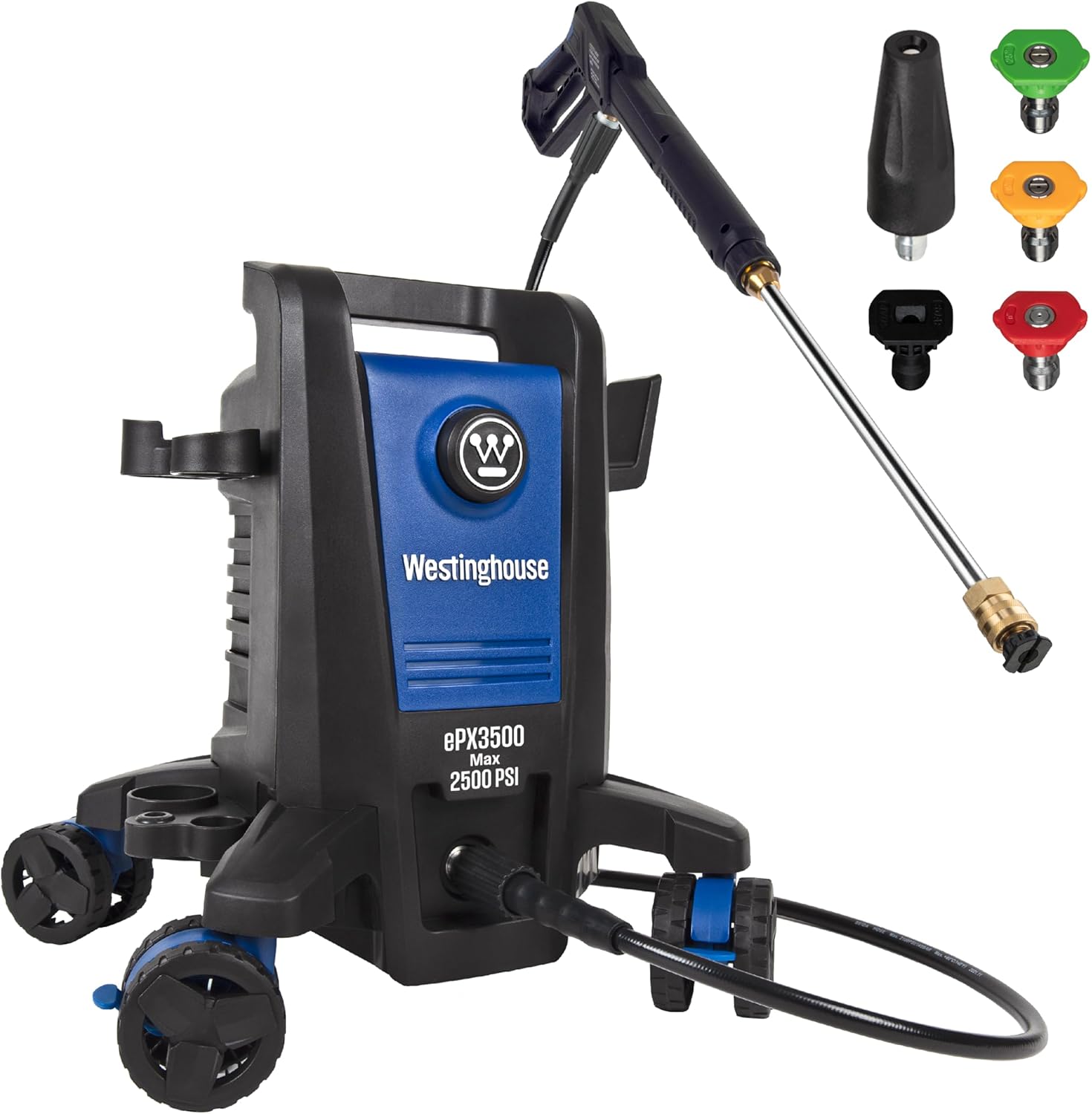
Last Prime Day, I saw a pressure washer listed at $499 with a big red badge that said “50% off — Now $249.” I was seconds away from clicking buy. Then I checked the price history on CamelCamelCamel. That same washer had been selling for $239 every single day for the last 3 months. The “deal” was actually $10 more than the normal everyday price. The seller raised the list price a week before Prime Day just to make the fake discount look huge.
Fake discounts are everywhere on Prime Day. But here is the good news. They are incredibly easy to spot once you know what to look for. This guide teaches you exactly how to tell real deals from fake ones in 60 seconds or less. You will save money and stop second-guessing every purchase.
How Amazon Sellers Create Fake Discounts
Here is exactly how the trick works. A seller lists a pressure washer at $199 for months. Two weeks before Prime Day, they change the “list price” to $399. Then on Prime Day, they show it at $199 with a big flashy “50% off” badge. You think you just saved $200. The truth is you saved zero dollars. The price never actually changed from what it has been all year.
Amazon does not stop this because the seller technically showed a higher list price at some point. The discount badge is calculated based on that list price, not the actual historical selling price. And Amazon does not verify whether the list price was ever a real price that anyone actually paid. It is a well-known loophole. Sellers exploit it on every single Prime Day without fail.
Another common trick is the “was” price. You see “Was $299, now $199.” But what does “was” actually mean? It could mean the price from 2 years ago. It could mean the price at some other store that nobody shops at. It definitely does not mean the price yesterday. Sellers cherry-pick the highest past price they can find anywhere and use it to make the current discount look bigger than it really is.
Use These Free Tools to Check Price History
I use two free tools. Both take less than 10 seconds to check any deal. Both have saved me hundreds of dollars.
CamelCamelCamel: Go to camelcamelcamel.com. Paste any Amazon product URL. You instantly see a price history chart going back years. Look at the price over the last 30 days. That is the real price. If the Prime Day deal is meaningfully lower than the 30-day average, it is a real discount. If it is the same or higher, skip it. No exceptions.
Keepa: Keepa is a browser extension that adds a price history chart directly onto the Amazon product page. You see the full price chart without ever leaving Amazon. The extension is free. The premium version lets you set price alerts. For Prime Day shopping, the free version does everything you need. Install it right now so you are ready when deals go live.
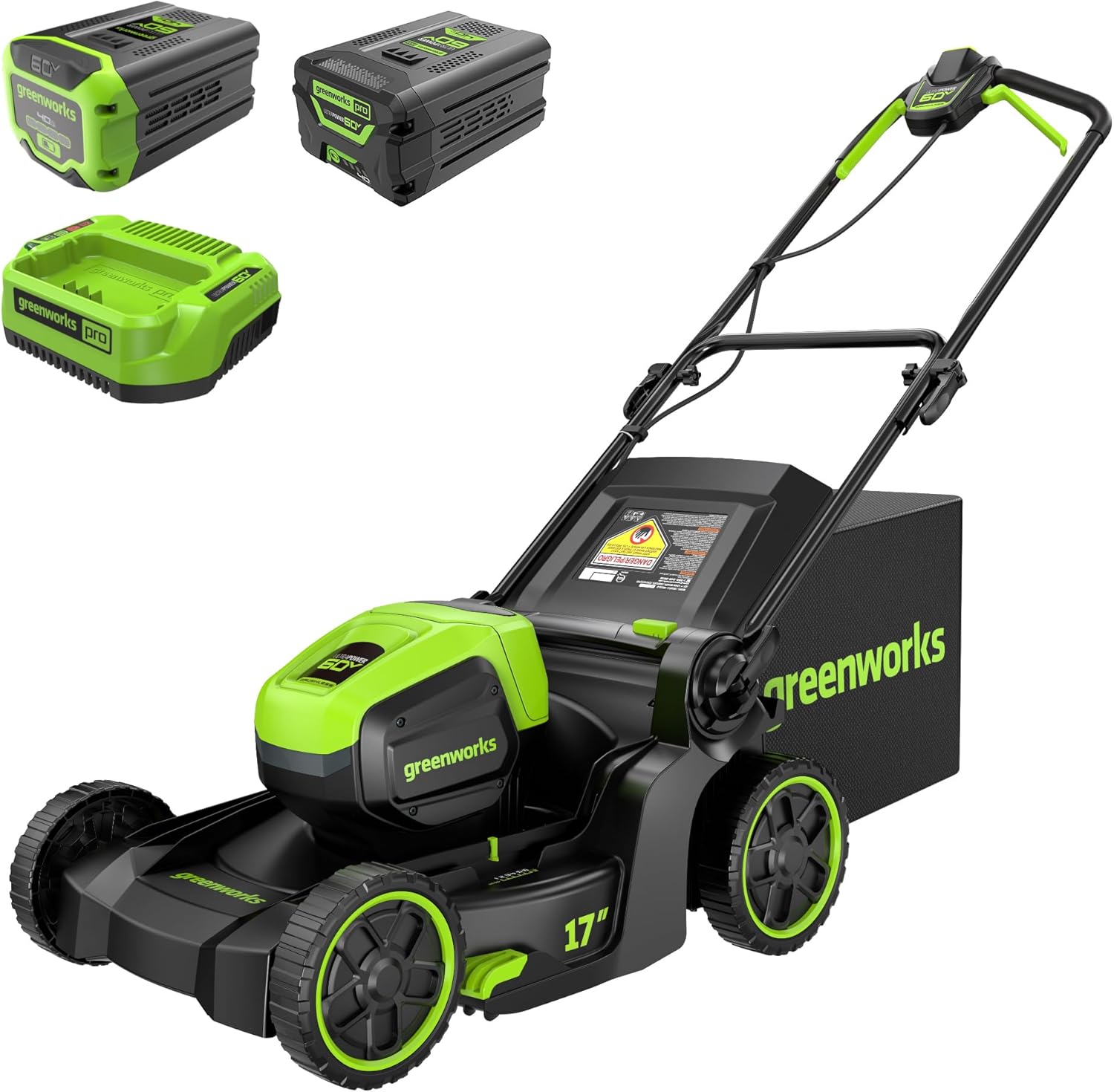
I also check prices at other major stores. Home Depot, Lowe’s, and Walmart often match or even beat Amazon on Prime Day. Open a browser tab for each store. Search the exact same model number. If the Home Depot price is lower, buy it there instead. Amazon is not always cheapest. A quick 5-minute price check across stores saves you $20 to $50 on big-ticket tools like EGO mowers and Greenworks mowers.
5 Red Flags That Scream Fake Deal
1. The discount is 60 percent or more
Amazon sellers do not give away products at a loss. A 60, 70, or 80 percent discount on a major brand tool is almost always a fake deal. The list price was artificially inflated. Or the product is a low-quality knockoff. Real Prime Day discounts on lawn tools and power equipment usually fall between 15 and 40 percent. A $200 mower dropping to $140 is a normal, real deal. A $200 mower dropping to $60 is not.
2. The seller has no reviews or a weird store name
Check who is actually selling the product. Look under the “Buy Now” button for the text “Sold by.” If it says something like “BestDeals4You_88” or “ShenzhenElectronicsTrade,” be extremely careful. Real brands like EGO, Greenworks, DeWalt, and Sun Joe have official Amazon storefronts. Buy from the brand directly or from Amazon.com. Third-party sellers with no history and strange names are a gamble you do not need to take on Prime Day.
3. The product has very few reviews
Popular lawn tools have hundreds or even thousands of reviews. If a “deal” shows a tool with just 12 reviews and every single one of them is 5 stars, something is wrong. Real products have mixed reviews. Some 5 stars. Some 1 star. That is normal. Always check the 1-star and 2-star reviews first. They tell you exactly what goes wrong with the product. If all reviews are glowing but vague, they might be fake.
4. The list price is way above the normal price everywhere else
A $149 tool with a “list price” of $399 is a fake list price. That tool sells for $149 every day of the year. The $399 list price was never real. Compare the Prime Day price to the price at other major retailers. If Home Depot and Lowe’s both sell it for $149, and Amazon shows a $399 list price with a $149 “deal,” it is pure marketing trickery.
5. The deal countdown timer resets or extends
Real Lightning Deals have a countdown timer. When it hits zero, the deal ends permanently. Some sellers use fake countdown timers on their own product pages. These timers reset when they hit zero. If you see a timer that restarts, or a “limited stock” bar that never actually moves, the urgency is completely fake. Real Lightning Deals end when the timer hits zero or when the stock bar fully empties.
How to Spot Real Amazon Prime Day Deals
Real deals are actually easy to spot once you know the patterns. Here are the clear signs of a genuine Prime Day deal.
Products with the official Prime Day badge: Amazon puts an official blue “Prime Day Deal” badge on genuine promotions. It sits right next to the price. If the product does not have this specific badge, the discount might just be a normal sale with Prime Day marketing language slapped on top.
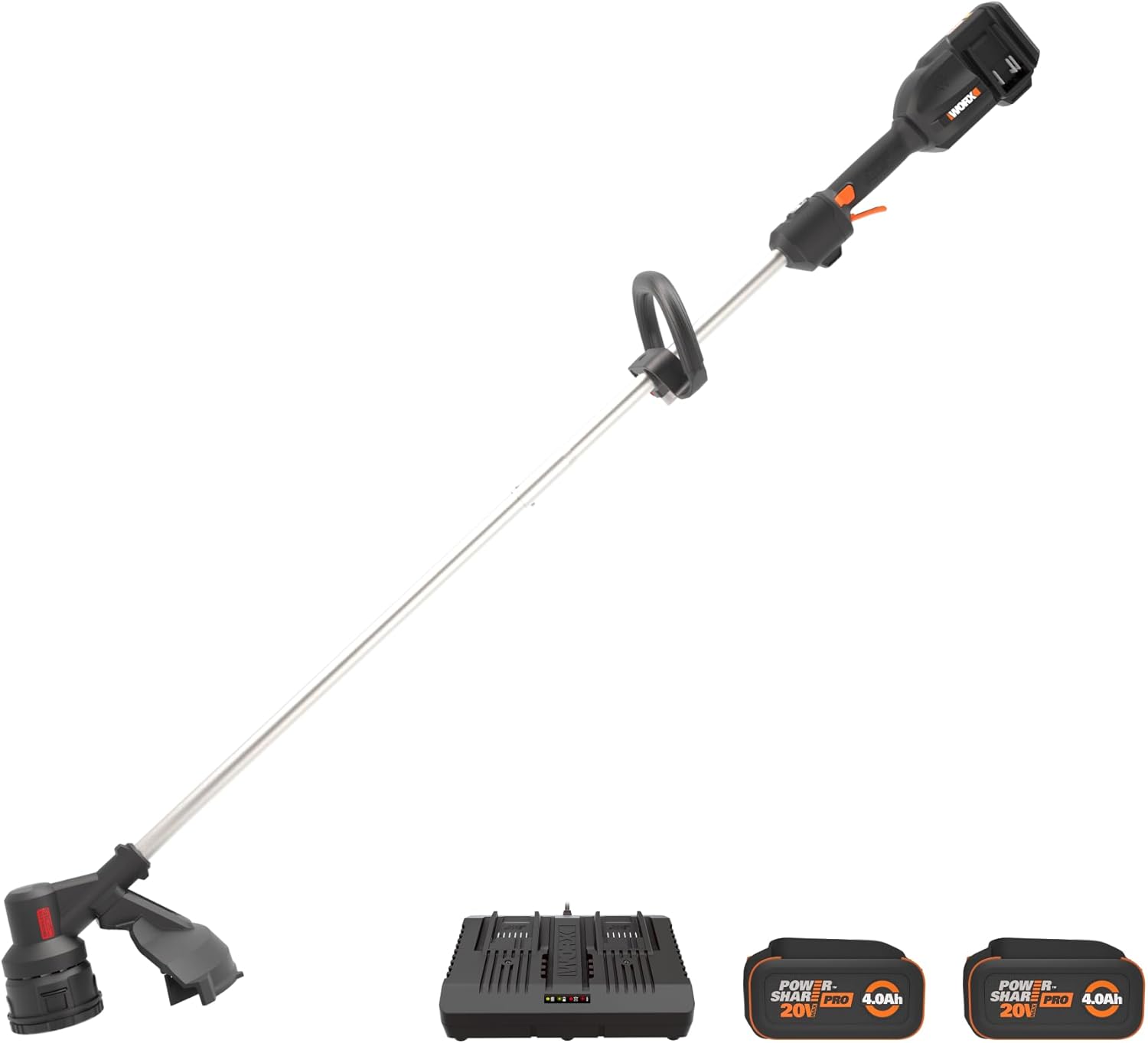
Big brands with deep discounts: EGO, Greenworks, Ryobi, DeWalt, BLACK+DECKER, Sun Joe. These major brands compete aggressively on Prime Day. Their discounts are real because they are fighting for market share. If a Greenworks mower drops from $300 to $200, that is a real $100 savings. Big established brands do not play the fake list price game nearly as much as no-name sellers.
Discounts between 15 and 35 percent: This is the sweet spot for real deals. A 25 percent discount on a $300 tool saves you $75. That is a solid, legitimate deal. A 40 percent discount on a premium product does happen but it is rare. A 15 percent discount on a tool you were planning to buy anyway is still a win.
Price drops that match historical lows: Check CamelCamelCamel. If the Prime Day price matches or beats the absolute lowest price that product has ever been on Amazon, it is a fantastic deal. Buy it immediately. It will not go any lower. I have seen Sun Joe tools and BLACK+DECKER tools hit all-time lows on Prime Day that never came back.
3 Steps to Check Any Prime Day Deal in 60 Seconds
I use this exact process for every deal I see. It takes about a minute and has saved me from buying junk more times than I can count.
Step 1: Copy the Amazon product URL. Paste it into CamelCamelCamel. Check the price chart. Is the current deal below the 30-day average price? If yes, continue to step 2. If no, the deal is fake. Close the tab and move on.
Step 2: Search the exact same product on Home Depot, Lowe’s, and Walmart. Open tabs for each store. Is Amazon’s price actually the lowest? If yes, Amazon wins. If another store is cheaper, buy it there instead. Loyalty to one store costs you money.
Step 3: Scroll down to the reviews. Click “Most recent” instead of “Top reviews.” New reviews matter more than old ones. Look for clear patterns. Do multiple people mention the same defect? Does it arrive broken? Does the actual product look different from the listing photos? Recent negative reviews that repeat the same specific complaint are a major red flag.
When to Pull the Trigger vs When to Wait
Lightning Deals and Deals of the Day are time-sensitive. The stock bar runs out fast on popular items. If a Lightning Deal on a high-demand product like an EGO self-propelled mower matches the all-time low price, buy it immediately. Waiting even 30 minutes can mean the difference between getting it and missing out completely.
Regular Prime Day deals without the flashing stock bar are much less urgent. You have the full 48 hours of Prime Day to decide. Take your time. Check the price history. Compare prices with other stores. Read the most recent reviews. Make a smart, informed choice. The deal is not going anywhere in the next few hours.
Here is my personal rule after 4 years of Prime Day shopping. If a tool I genuinely need hits 25 percent off or more and matches the historical low price, I buy it without hesitation. Tools like DeWalt outdoor tools and Ryobi 40V tools rarely drop below 25 percent. If the discount is 15 to 25 percent and I do not urgently need the tool, I wait. More Prime Days will come. More Black Fridays will come. Tools get cheaper every year as battery technology improves and new models replace old ones.
Frequently Asked Questions
Are all Amazon Prime Day deals fake?
No. Most deals from established name brands like EGO, Greenworks, DeWalt, Ryobi, and Sun Joe are completely real. The fake deals overwhelmingly come from unknown third-party sellers and no-name brands using artificially inflated list prices. Stick to well-known brands and always check the price history. You will find plenty of real savings.
How do I check if a Prime Day deal is good?
Use CamelCamelCamel or Keepa to check the full price history. Compare the Prime Day price to the 30-day average selling price. If it is meaningfully lower, the deal is real. Also check the exact same product at Home Depot, Lowe’s, and Walmart. Sometimes Amazon is not the cheapest option.
Do Prime Day Lightning Deals sell out fast?
Yes, the popular ones sell out in hours or even minutes. Lawn tools from EGO, Greenworks, and Sun Joe are especially fast to disappear. If you see a deal you genuinely want and the stock bar is actively moving down, buy it. Amazon’s 30-day return policy protects you if you change your mind or find a better deal later.
Can I return Prime Day purchases?
Yes. Amazon Prime Day purchases have the exact same 30-day return policy as normal purchases. If you buy something and later find a better deal, you can return the first purchase. Just keep the product unopened and in original condition.
Should I wait for Black Friday instead of buying on Prime Day?
Prime Day lawn tool deals are usually just as good as Black Friday deals. The big advantage of Prime Day is simple. Timing. You buy tools in July and use them all summer and fall. Black Friday deals arrive in November when lawn season is over for most of the country. If you need tools now, buy on Prime Day. If you can wait 4 months and do not need them until next spring, Black Friday works too.
Disclosure: Some links in this article are affiliate links. If you click and make a purchase, I may earn a small commission at no extra cost to you. This does not affect my recommendations. I only recommend products I have tested or thoroughly researched.