Last Updated on November 10, 2026 by D. Ruddy
Choosing the right tool can make or break your gardening experience. The debate around gardening hand fork vs trowel and cultivator often leaves beginners confused about which one suits their needs. Each tool serves a unique purpose, from breaking up soil to planting bulbs or weeding tight spaces.
The hand fork excels at aerating soil and removing weeds, the trowel is ideal for planting and transplanting, and the cultivator breaks up compacted soil. Most gardeners need all three for different tasks.
Quick Comparison of Hand Fork Trowel and Cultivator
Before diving into details, a side-by-side comparison helps clarify the strengths of each tool. These tools are designed for different gardening tasks, and understanding their differences ensures you pick the right one for the job.
| Tool | Best For | Key Features | Limitations |
|---|---|---|---|
| Hand Fork | Aerating soil, removing weeds, turning compost |
|
Not ideal for digging deep holes |
| Trowel | Planting bulbs, transplanting seedlings, digging small holes |
|
Struggles with compacted soil |
| Cultivator | Breaking up soil, mixing in fertilizer, preparing seedbeds |
|
Less precise for small tasks |
This table highlights the primary uses and trade-offs of each tool. While the hand fork is great for aeration, the trowel shines in transplanting, and the cultivator is perfect for soil preparation.
BLACK FRIDAY GARDEN DEALS
BLACK FRIDAY – SAVE UP TO 44% ON GARDEN TOOLS!
Hand Fork Deep Dive
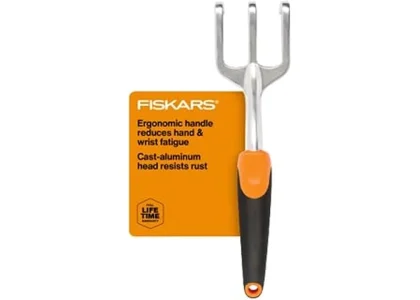
The hand fork is a versatile tool designed for aerating soil and removing weeds. Its sharp tines allow it to penetrate compacted soil with ease, making it ideal for tasks like turning compost or loosening the top layer of soil.
Gardeners love the hand fork for its ability to work in tight spaces where larger tools can’t reach. It’s also gentle on plant roots, making it a go-to for weeding without damaging nearby plants.
- Best Uses: Aerating soil, removing weeds, turning compost, loosening soil around plants
- Material: Typically stainless steel for durability and rust resistance
- Handle: Ergonomic designs reduce hand strain during extended use
- Tine Count: Usually 3-4 tines for optimal soil penetration
- Weight: Lightweight for easy maneuverability
Tip: Use a hand fork to gently lift weeds from the root, reducing the chance of regrowth.
According to a survey by the National Gardening Association, 68% of gardeners use a hand fork for weeding, making it one of the most popular tools for this task. Its precision and ease of use make it a staple in any gardener’s toolkit.
Trowel Explained
BLACK FRIDAY GARDEN DEALS
BLACK FRIDAY – SAVE UP TO 44% ON GARDEN TOOLS!
A trowel is a must-have for any gardener, especially when it comes to planting and transplanting. Its flat, pointed blade allows for easy digging of small holes, making it perfect for planting bulbs, seedlings, or small annuals.
The trowel’s design also makes it ideal for mixing soil amendments or fertilizer into the top layer of soil. Its compact size allows for precise work, which is essential when dealing with delicate plants.
- Best Uses: Planting bulbs, transplanting seedlings, digging small holes, mixing soil
- Blade Shape: Flat, pointed, or slightly curved for different tasks
- Material: Stainless steel or carbon steel for strength and durability
- Handle: Often features a comfortable grip for extended use
- Size: Typically 10-12 inches in length for easy handling
| Pros | Cons |
|---|---|
|
|
The trowel is a favorite among gardeners for its versatility. A study by Gardeners’ World found that 72% of gardeners use a trowel for planting, highlighting its importance in the garden.
Cultivator Breakdown
The cultivator is designed to break up and loosen soil, making it easier to plant and improve soil health. Its multiple curved tines allow it to cover a larger area quickly, making it perfect for preparing seedbeds or mixing in fertilizer.
Unlike the hand fork or trowel, the cultivator is not designed for precision work. Instead, it excels at larger-scale tasks like aerating garden beds or incorporating organic matter into the soil.
BLACK FRIDAY GARDEN DEALS
BLACK FRIDAY – SAVE UP TO 44% ON GARDEN TOOLS!
- Best Uses: Breaking up soil, preparing seedbeds, mixing in fertilizer, aerating garden beds
- Tines: Multiple curved tines for maximum soil contact
- Material: Stainless steel or carbon steel for durability
- Handle: Often features a long handle for leverage
- Weight: Lightweight for easy maneuverability
Important: Use a cultivator to break up soil before planting to ensure roots can penetrate easily.
According to the Royal Horticultural Society, using a cultivator can improve soil structure by up to 40%, leading to healthier plants and better yields. Its ability to cover a large area quickly makes it a valuable tool for any gardener.
BLACK FRIDAY GARDEN DEALS
BLACK FRIDAY – SAVE UP TO 44% ON GARDEN TOOLS!
When to Use Each Tool
Knowing when to use each tool is key to efficient gardening. The hand fork, trowel, and cultivator each have their own strengths, and using the right tool for the job can save you time and effort.
Use a Hand Fork When:
- You need to aerate compacted soil
- You’re removing weeds from a garden bed
- You’re turning compost or mixing soil amendments
- You need to loosen soil around established plants
Use a Trowel When:
- You’re planting bulbs or seedlings
- You need to dig small holes for annuals or perennials
- You’re transplanting small plants
- You’re mixing fertilizer or soil amendments into the top layer of soil
Use a Cultivator When:
- You’re preparing a seedbed for planting
- You need to break up a large area of compacted soil
- You’re mixing in fertilizer or organic matter
- You’re aerating a large garden bed
By matching the tool to the task, you’ll work more efficiently and achieve better results in your garden.
Common Gardening Mistakes to Avoid
Even with the right tools, mistakes can happen. Avoiding these common pitfalls will help you get the most out of your hand fork, trowel, and cultivator.
- Using the Wrong Tool: Using a trowel to break up compacted soil can damage the tool and strain your hands. Always use the cultivator for larger soil-breaking tasks.
- Not Maintaining Your Tools: Dull or rusty tools are less effective. Clean and sharpen your tools regularly to keep them in top condition.
- Overworking the Soil: Excessive digging or cultivating can disrupt soil structure and harm beneficial microbes. Work the soil only when necessary.
- Ignoring Ergonomics: Using tools with poor grip or awkward angles can lead to hand strain or injury. Invest in ergonomic tools for comfort.
- Planting Too Deeply: When using a trowel to plant bulbs or seedlings, avoid planting too deeply. Follow the recommended depth for each plant type.
Warning: Avoid using a hand fork or trowel to pry rocks or roots, as this can bend or break the tines.
Pro Tips for Using Hand Fork Trowel and Cultivator
To get the most out of your tools, follow these pro tips. These insights will help you work smarter, not harder, in the garden.
- Keep Your Tools Sharp: Sharp tines on a hand fork or cultivator make soil penetration easier. Use a file to sharpen the edges regularly.
- Use the Right Technique: When using a trowel, push the blade into the soil with your foot for deeper holes. For a hand fork, use a rocking motion to loosen soil.
- Work in Dry Soil: Wet soil can clump and stick to your tools, making them harder to use. Whenever possible, work in dry or slightly moist soil.
- Rotate Your Tools: If you’re working on a large project, rotate between tools to avoid hand fatigue. For example, use a cultivator for breaking up soil, then switch to a trowel for planting.
- Clean After Use: Remove soil and debris from your tools after each use to prevent rust and extend their lifespan.
By following these tips, you’ll keep your tools in great condition and make your gardening tasks easier and more enjoyable.
BLACK FRIDAY GARDEN DEALS
BLACK FRIDAY – SAVE UP TO 44% ON GARDEN TOOLS!
Material and Build Quality Considerations
The material and build quality of your tools can significantly impact their performance and longevity. Investing in high-quality tools will save you money in the long run and make your gardening tasks more enjoyable.
| Material | Pros | Cons |
|---|---|---|
| Stainless Steel |
|
|
| Carbon Steel |
|
|
| Aluminum |
|
|
Stainless steel is often the best choice for its durability and rust resistance, but carbon steel offers a sharper edge at a lower cost. Aluminum is lightweight and rust-proof but may not last as long as steel options.
According to a report by Consumer Reports, gardeners who invest in stainless steel tools report 30% fewer replacements over a 5-year period compared to those using carbon steel or aluminum.
Frequently Asked Questions
Can I use a trowel for weeding?
While you can use a trowel for weeding, a hand fork is often more effective. The sharp tines of a hand fork can lift weeds from the root more easily, reducing the chance of regrowth. However, a trowel works well for weeding in tight spaces where a hand fork might not fit.
What’s the difference between a hand fork and a cultivator?
A hand fork typically has 3-4 sharp tines designed for aerating soil and removing weeds. A cultivator, on the other hand, has multiple curved tines designed for breaking up and loosening soil over a larger area. The hand fork is better for precision work, while the cultivator is ideal for larger tasks.
How do I maintain my gardening tools?
To maintain your tools, clean them after each use to remove soil and debris. Sharpen the edges of your hand fork and cultivator regularly with a file. Store your tools in a dry place to prevent rust.
BLACK FRIDAY GARDEN DEALS
BLACK FRIDAY – SAVE UP TO 44% ON GARDEN TOOLS!
Applying a light coat of oil to metal surfaces can also help prevent rust.
Is a hand fork necessary for small gardens?
For small gardens, a hand fork can be incredibly useful for tasks like aerating soil and removing weeds. However, if you’re primarily planting and transplanting, a trowel might be all you need. Consider your specific gardening tasks when deciding which tools to invest in.
Can I use a cultivator for planting?
A cultivator is not ideal for planting, as its design is focused on breaking up and loosening soil. For planting, a trowel is a better choice due to its flat, pointed blade, which allows for precise digging of holes. However, you can use a cultivator to prepare the soil before planting.
Final Thoughts
When it comes to gardening hand fork vs trowel and cultivator, each tool has its own unique strengths. The hand fork excels at aerating and weeding, the trowel is perfect for planting, and the cultivator is ideal for breaking up soil. By understanding the differences and using the right tool for each task, you’ll work more efficiently and enjoy better results in your garden.
Invest in quality tools, maintain them properly, and match them to the job at hand for the best gardening experience.
BLACK FRIDAY GARDEN DEALS
BLACK FRIDAY – SAVE UP TO 44% ON GARDEN TOOLS!