Last Updated on November 10, 2026 by D. Ruddy
Choosing between bypass vs anvil loppers can make a huge difference in your pruning efficiency and plant health. The right choice depends on the type of branches you’re cutting and the precision you need. Bypass loppers deliver clean, precise cuts ideal for live wood, while anvil loppers crush through thicker, dead branches with brute force.
This guide breaks down the differences, pros, cons, and best use cases to help you pick the perfect tool for your garden.
Use bypass loppers for clean cuts on live wood and anvil loppers for crushing tough, dead branches. Bypass models are sharper and more precise, while anvil loppers handle thicker, harder wood with ease.
How Bypass Loppers Work and Their Best Uses
Bypass loppers operate like a pair of scissors, with two sharp blades that pass by each other to make a clean, precise cut. This design minimizes damage to live wood, making them ideal for pruning healthy branches, shaping shrubs, or trimming small trees. The sharp blades ensure smooth cuts that promote faster healing for the plant, reducing the risk of disease or pest infestations.
BLACK FRIDAY GARDEN DEALS
BLACK FRIDAY – SAVE UP TO 44% ON GARDEN TOOLS!
These loppers are particularly effective for green, flexible branches up to about 2 inches in diameter. They’re a favorite among gardeners who prioritize plant health and precision. However, they may struggle with thicker, harder, or dead wood, where the crushing force of anvil loppers would be more effective.
Key Features of Bypass Loppers
- Sharp, precision blades: Designed to slice cleanly through live wood without crushing the fibers.
- Lightweight design: Often easier to handle for extended pruning sessions.
- Ergonomic handles: Many models feature cushioned grips for comfort and reduced hand fatigue.
- Adjustable pivot points: Some loppers allow you to adjust the tension for smoother cuts.
- Non-stick coatings: Prevent sap and debris from sticking to the blades, making cleanup easier.
| Pros | Cons |
|---|---|
| Clean, precise cuts for live wood | Struggles with thick or dead wood |
| Promotes faster plant healing | Blades may dull faster with heavy use |
| Lightweight and easy to maneuver | Less effective for crushing hard wood |
Bypass loppers are best for gardeners who need precision and care for live plants. They’re perfect for shaping hedges, pruning fruit trees, or maintaining ornamental shrubs.
Tip: Always clean the blades after use to prevent sap buildup and maintain sharpness.
How Anvil Loppers Work and Their Best Uses
Anvil loppers feature a single sharp blade that presses down onto a flat, wide surface (the anvil). This design generates a crushing force, making it ideal for cutting through thick, dead, or tough branches that bypass loppers might struggle with. The crushing action is less precise but highly effective for removing old growth, clearing brush, or tackling hardwood.
These loppers are built for power and durability, often handling branches up to 3 or 4 inches in diameter. They’re a go-to tool for heavy-duty pruning tasks, such as cutting firewood, clearing fallen branches, or maintaining larger trees. However, the crushing action can leave jagged cuts, which may not be ideal for live wood as it can slow down healing and increase the risk of disease.
BLACK FRIDAY GARDEN DEALS
BLACK FRIDAY – SAVE UP TO 44% ON GARDEN TOOLS!
Key Features of Anvil Loppers
- Heavy-duty construction: Built to withstand the force needed to cut through thick, hard wood.
- Crushing mechanism: Uses a flat anvil surface to crush branches, providing maximum cutting power.
- Longer handles: Often come with extended handles for added leverage and reach.
- Durable blades: Typically thicker and more robust to handle tougher materials.
- Non-stick or coated blades: Helps prevent sap and debris from sticking, making maintenance easier.
| Pros | Cons |
|---|---|
| Handles thick, dead, or hard wood with ease | Crushing action can damage live wood |
| Provides maximum cutting power | Leaves jagged cuts that may slow healing |
| Durable and long-lasting | Heavier and bulkier than bypass loppers |
Anvil loppers are best suited for heavy-duty tasks like cutting firewood, clearing brush, or pruning thick, dead branches. They’re less ideal for precision work on live plants.
Warning: Avoid using anvil loppers on live wood if you want to maintain plant health, as the crushing action can damage tissues and slow healing.
Side-by-Side Comparison Bypass vs Anvil Loppers
To help you decide which type of loppers is right for your needs, here’s a detailed comparison of bypass vs anvil loppers across key categories. This table highlights the differences in design, cutting action, best uses, and more.
| Feature | Bypass Loppers | Anvil Loppers |
|---|---|---|
| Cutting Action | Scissor-like, two blades pass by each other | Single blade presses onto a flat anvil |
| Best For | Live wood, precision pruning, shaping shrubs | Dead wood, thick branches, heavy-duty cutting |
| Cut Quality | Clean, smooth cuts | Crushing cuts, may be jagged |
| Branch Thickness | Up to 2 inches | Up to 3-4 inches |
| Weight | Lightweight, easy to maneuver | Heavier, bulkier |
| Plant Health Impact | Promotes faster healing | May slow healing, higher risk of disease |
This table makes it clear that bypass loppers are the better choice for precision and plant health, while anvil loppers excel in power and handling tougher materials.
When to Choose Bypass Loppers Over Anvil Loppers
Bypass loppers are the ideal choice for gardeners who prioritize clean cuts and plant health. They’re perfect for pruning live wood, shaping shrubs, or maintaining ornamental plants. If your tasks involve working with green, flexible branches up to 2 inches in diameter, bypass loppers will provide the precision and clean cuts needed to keep your plants healthy.
BLACK FRIDAY GARDEN DEALS
BLACK FRIDAY – SAVE UP TO 44% ON GARDEN TOOLS!
Here are some scenarios where bypass loppers shine:
- Pruning fruit trees: Clean cuts help prevent disease and promote better fruit production.
- Shaping hedges: Allows for precise trimming to maintain the desired shape.
- Maintaining ornamental shrubs: Ensures that cuts are clean and the plant can heal quickly.
- Thinning out dense foliage: Helps improve airflow and light penetration without damaging the plant.
- General garden maintenance: Ideal for regular upkeep of live plants and small trees.
Important: For best results, always use sharp bypass loppers and clean the blades after each use to maintain their effectiveness.
DealBLACK FRIDAY GARDEN DEALS
BLACK FRIDAY – SAVE UP TO 44% ON GARDEN TOOLS!
00Days 00Hrs 00Min 00SecGrab Your Amazon Deal As an Amazon Associate I earn from qualifying purchases.
When to Choose Anvil Loppers Over Bypass Loppers
Anvil loppers are the go-to tool for heavy-duty cutting tasks. They’re designed to handle thick, dead, or hard wood that bypass loppers might struggle with. If your work involves cutting firewood, clearing brush, or pruning thick, dead branches, anvil loppers will provide the power and durability you need.
Here are some scenarios where anvil loppers are the better choice:
- Cutting firewood: Handles thick, hard wood with ease, making it ideal for preparing firewood.
- Clearing fallen branches: Can crush through dead or tough branches that are too thick for bypass loppers.
- Maintaining large trees: Effective for pruning thick, dead branches from mature trees.
- Brush clearing: Perfect for cutting through dense, woody vegetation.
- Heavy-duty landscaping: Suitable for tasks that require maximum cutting power.
While anvil loppers are powerful, their crushing action can leave jagged cuts that may not be ideal for live wood. However, for tasks where power and durability are more important than precision, they’re an excellent choice.
Top Brands and Models to Consider
When shopping for loppers, it’s important to choose a reputable brand known for quality and durability. Here are some of the top brands and models for both bypass and anvil loppers, along with their key features and benefits.
Bypass Loppers
- Felco F-700: Known for its precision and durability, the Felco F-700 features high-quality Swiss-made blades and ergonomic handles. It’s ideal for professional gardeners and serious hobbyists who need reliable performance.
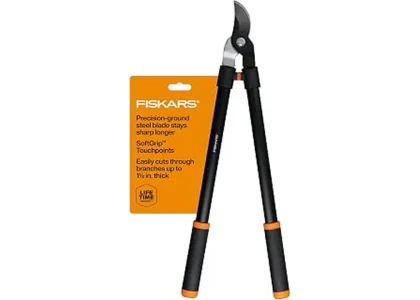
- Fiskars 32-Inch Bypass Lopper: Offers a lightweight design with a non-stick coating to prevent sap buildup. It’s a great choice for home gardeners looking for a balance of performance and affordability.
- ARS LP-1000: Features a unique gear-driven mechanism for added cutting power. It’s perfect for tackling thicker branches with ease.
- Corona SL 3264: Designed for comfort and efficiency, this model includes cushioned grips and a compound action mechanism for smoother cuts.
- Tabor Tools GG12A: A budget-friendly option with a telescopic handle for extended reach. It’s ideal for gardeners who need versatility and affordability.
Anvil Loppers
- Fiskars 32-Inch Anvil Lopper: Combines power and precision with a non-stick coating and a durable design. It’s a popular choice for heavy-duty cutting tasks.
- Corona SL 3484: Features a forged steel blade and a comfortable grip. It’s designed for durability and ease of use, making it a great option for regular use.
- Tabor Tools GG11: Offers a telescopic handle for extended reach and a heavy-duty design for cutting thick branches.
- Razor-Back 24-Inch Anvil Lopper: Known for its rugged construction and sharp blade, this model is ideal for tough cutting jobs.
- Spear & Jackson 8290RS: Features a carbon steel blade and a comfortable grip. It’s a reliable choice for gardeners who need a durable tool for heavy-duty tasks.
Each of these models has its own strengths, so consider your specific needs and budget when choosing the right loppers for your garden.
Common Mistakes to Avoid When Using Loppers
Using loppers incorrectly can lead to inefficient cutting, damage to your tools, or even injury. Here are some common mistakes to avoid, whether you’re using bypass or anvil loppers.
BLACK FRIDAY GARDEN DEALS
BLACK FRIDAY – SAVE UP TO 44% ON GARDEN TOOLS!
- Using the wrong type of loppers: As discussed, bypass loppers are for live wood, while anvil loppers are for dead or tough wood. Using the wrong type can result in poor cuts, damage to your tools, or harm to your plants.
- Neglecting maintenance: Failing to clean and sharpen your loppers regularly can lead to dull blades, which make cutting harder and less effective. Always clean the blades after use and sharpen them as needed.
- Cutting branches that are too thick: Pushing your loppers beyond their intended capacity can damage the blades or handles. Stick to the recommended branch thickness for your specific model.
- Improper cutting technique: Always position the loppers so that the cutting action is as close to the base of the branch as possible. Avoid cutting at an angle, as this can result in jagged or uneven cuts.
- Ignoring safety precautions: Loppers have sharp blades and can cause injury if not used carefully. Always wear gloves, keep your hands and body clear of the cutting path, and use both hands to maintain control.
- Storing loppers improperly: Storing your loppers in damp or humid conditions can lead to rust and corrosion. Store them in a dry, clean place, and consider using a blade cover to protect the edges.
Warning: Always wear protective gloves and eyewear when using loppers to prevent injuries from flying debris or sharp blades.
Pro Tips for Extending the Life of Your Loppers
With proper care and maintenance, your loppers can last for many years. Here are some pro tips to help you get the most out of your investment.
- Clean the blades after each use: Sap, dirt, and debris can build up on the blades, making them less effective and harder to sharpen. Use a damp cloth to wipe down the blades after each use, and consider using a mild soap solution for tougher grime.
- Sharpen the blades regularly: Dull blades make cutting harder and can damage your plants. Use a file or sharpening stone to maintain a sharp edge. Follow the manufacturer’s guidelines for sharpening your specific model.
- Oil the pivot point: The pivot point where the blades meet can become stiff or squeaky over time. Apply a few drops of lubricating oil to keep it moving smoothly.
- Store loppers properly: Store your loppers in a dry, clean place to prevent rust and corrosion. Consider hanging them on a tool rack or storing them in a toolbox to keep them protected.
- Inspect for damage: Regularly check your loppers for signs of wear or damage, such as bent blades, loose handles, or rust. Address any issues promptly to prevent further damage.
- Use the right tool for the job: Avoid using your loppers for tasks they’re not designed for, such as cutting metal or plastic. Stick to their intended use to prolong their lifespan.
By following these tips, you can keep your loppers in top condition and ensure they’re always ready for your next pruning task.
Frequently Asked Questions
Can I use bypass loppers for dead wood?
While bypass loppers can cut through dead wood, they’re not ideal for this purpose. The scissor-like action is designed for live wood, and using them on dead or tough branches can dull the blades quickly or damage the tool. For dead wood, anvil loppers are the better choice due to their crushing action and durability.
How often should I sharpen my loppers?
The frequency of sharpening depends on how often you use your loppers and the type of wood you’re cutting. As a general rule, sharpen the blades at least once a season or whenever you notice they’re not cutting as cleanly as they should. Regular maintenance will extend the life of your loppers and improve their performance.
What’s the maximum branch thickness for bypass loppers?
Most bypass loppers are designed to handle branches up to about 2 inches in diameter. However, this can vary depending on the model and brand. Always check the manufacturer’s specifications for your specific loppers to ensure you’re not exceeding their capacity.
BLACK FRIDAY GARDEN DEALS
BLACK FRIDAY – SAVE UP TO 44% ON GARDEN TOOLS!
Are anvil loppers safer than bypass loppers?
Neither type of lopper is inherently safer than the other. Safety depends on how you use the tool. Both types have sharp blades and require proper handling to avoid injury.
Always wear protective gear, such as gloves and eyewear, and follow safety guidelines when using loppers.
Can I use loppers for cutting small trees?
Loppers can be used for cutting small trees, but it depends on the thickness of the branches. For small trees with branches up to 2 inches in diameter, bypass loppers are a good choice. For thicker branches, anvil loppers may be more effective.
However, for larger trees or thicker branches, consider using a pruning saw or chainsaw for better results.
Final Thoughts
Choosing between bypass vs anvil loppers depends on your specific pruning needs. Bypass loppers are the best choice for clean, precise cuts on live wood, promoting plant health and faster healing. Anvil loppers, on the other hand, excel at crushing through thick, dead, or tough branches, making them ideal for heavy-duty tasks.
Consider the type of wood you’ll be cutting, the thickness of the branches, and your priorities for precision or power. With the right loppers and proper maintenance, you can keep your garden thriving and your tools lasting for years.
BLACK FRIDAY GARDEN DEALS
BLACK FRIDAY – SAVE UP TO 44% ON GARDEN TOOLS!