Last Updated on November 10, 2026 by D. Ruddy
If you’ve ever wondered will a hedge trimmer cut branches, the answer depends on the thickness and type of branches you’re dealing with. Hedge trimmers are designed for shaping hedges and shrubs, but their effectiveness with branches varies by model and blade capacity. This guide explains when a hedge trimmer works, when it doesn’t, and what alternatives to consider for thicker growth.
A hedge trimmer can cut small branches up to its maximum blade gap, typically ½ to ¾ inch thick. Thicker branches require pruning shears or a saw. Always check your trimmer’s specs for the exact capacity.
How Thick of Branches Can a Hedge Trimmer Handle
Hedge trimmers are built for precision trimming, not heavy-duty branch removal. Most electric and battery-powered models cut branches up to ½ inch in diameter, while some heavy-duty gas trimmers handle up to ¾ inch. The blade length also matters—longer blades (18-24 inches) cover more area but don’t necessarily increase cutting power.
- Electric trimmers: ⅜ to ½ inch max branch thickness
- Battery-powered trimmers: ½ inch (some premium models reach ⅝ inch)
- Gas-powered trimmers: ½ to ¾ inch, with some commercial models up to 1 inch
- Blade type: Dual-action blades cut cleaner than single-action
- Blade gap: The space between blades determines max thickness
Warning: Forcing a hedge trimmer to cut branches thicker than its capacity can damage the blades, overheat the motor, or create jagged cuts that harm plant health.
DealBLACK FRIDAY GARDEN DEALS
BLACK FRIDAY – SAVE UP TO 44% ON GARDEN TOOLS!
00Days 00Hrs 00Min 00SecGrab Your Amazon Deal As an Amazon Associate I earn from qualifying purchases.
Signs Your Hedge Trimmer Can Cut the Branch
Not all branches are created equal. Before attempting to cut, check these visual and physical cues to determine if your hedge trimmer is up to the task.
First, measure the branch diameter with a ruler or caliper. If it’s within your trimmer’s specified range, proceed. Also, observe the wood type—green, fresh growth cuts easier than dry, hardened wood.
Older branches often exceed a trimmer’s capacity, even if they appear thin.
| Sign | What It Means |
|---|---|
| Branch bends easily | Likely young, soft wood—good for trimming |
| Branch is brittle or snaps | Too dry or thick—avoid with hedge trimmer |
| Diameter under ½ inch | Safe for most trimmers |
| Diameter over ¾ inch | Requires pruning shears or saw |
If the branch feels stiff or requires significant pressure to bend, it’s probably too thick for a clean cut. In these cases, switching to the right tool prevents damage to both the plant and your trimmer.
What Happens If You Use a Hedge Trimmer on Thick Branches
Attempting to cut branches beyond your hedge trimmer’s capacity leads to several problems. The most immediate issue is a jagged, uneven cut that leaves the plant vulnerable to disease and pests. According to the University of Florida IFAS Extension, improper pruning cuts can delay healing and invite pathogens.
- Blade damage: Thick branches can bend or chip the blades, reducing their lifespan. Replacing blades costs $20-$50, depending on the model.
- Motor strain: Electric and battery trimmers may overheat or burn out if pushed too hard. Gas models can stall or suffer engine stress.
- Poor cut quality: Instead of a clean slice, you’ll get a crushed or torn end, which takes longer to heal.
- Safety risk: The trimmer may kick back or jam, increasing the risk of injury.
- Plant harm: Ragged cuts can lead to dieback, splitting, or disease entry points.
Important: If your trimmer jams on a branch, turn it off immediately and remove the branch manually. Never try to force it through.
DealBLACK FRIDAY GARDEN DEALS
BLACK FRIDAY – SAVE UP TO 44% ON GARDEN TOOLS!
00Days 00Hrs 00Min 00SecGrab Your Amazon Deal As an Amazon Associate I earn from qualifying purchases.
Best Tools for Cutting Thicker Branches
When your hedge trimmer isn’t up to the task, these tools offer better results for thicker branches. Each has its own ideal use case based on branch size and location.
Pruning Shears
Also called hand pruners, these are perfect for branches up to ¾ inch thick. They provide precise control and clean cuts, making them ideal for shaping shrubs and small trees. Look for bypass pruners, which cut like scissors for a cleaner edge.
- Best for: Branches ¼ to ¾ inch thick
- Types: Bypass (clean cuts), Anvil (crushing cuts)
- Brands: Felco, Fiskars, Corona
- Price range: $15-$40
| Pros | Cons |
|---|---|
| Precise cuts | Limited to smaller branches |
| Lightweight and portable | Requires hand strength |
| Affordable | Not for thick branches |
Best For: Small to medium branches on shrubs, roses, and young trees.
Loppers
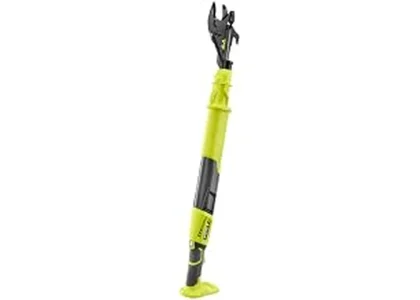
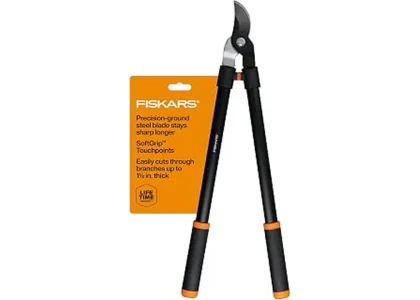
Loppers are like oversized pruning shears with long handles, designed for branches ½ to 2 inches thick. The extended reach and leverage make them ideal for cutting higher branches without a ladder. Choose between bypass or anvil styles, with bypass being better for clean cuts.
- Best for: Branches ½ to 2 inches thick
- Handle lengths: 16 to 32 inches
- Brands: Fiskars, Corona, Tabor Tools
- Price range: $25-$60
| Pros | Cons |
|---|---|
| Extended reach | Bulky for small spaces |
| More cutting power | Heavy for some users |
| Clean cuts on medium branches | Not for very thick branches |
Best For: Medium branches on trees and large shrubs, especially those out of easy reach.
BLACK FRIDAY GARDEN DEALS
BLACK FRIDAY – SAVE UP TO 44% ON GARDEN TOOLS!
Pruning Saws
For branches over 2 inches thick, a pruning saw is your best bet. These saws have sharp, coarse teeth designed to cut through wood efficiently. Some models fold for easy storage, while others have curved blades for better access to tight spaces.
- Best for: Branches 2+ inches thick
- Types: Folding, straight, curved
- Brands: Bahco, Silky, Corona
- Price range: $20-$80
| Pros | Cons |
|---|---|
| Handles thick branches | Requires more effort |
| Durable and long-lasting | Slower than powered tools |
| Precise control | Not ideal for large-scale pruning |
Best For: Thick branches on mature trees and large shrubs where precision is key.
BLACK FRIDAY GARDEN DEALS
BLACK FRIDAY – SAVE UP TO 44% ON GARDEN TOOLS!
How to Safely Cut Branches With a Hedge Trimmer
Even for branches within your trimmer’s capacity, safety is paramount. According to the U.S. Consumer Product Safety Commission, gardening tools cause over 400,000 injuries annually, many of which are preventable with proper precautions.
- Wear protective gear: Safety glasses shield your eyes from debris, while gloves protect your hands from sharp edges and sap. Long sleeves and pants prevent scratches.
- Inspect the trimmer: Check that blades are sharp, clean, and free of damage. Dull blades require more force and create ragged cuts.
- Secure your stance: Stand on firm, level ground with both feet planted. Never operate a trimmer from a ladder.
- Clear the area: Remove obstacles, pets, and bystanders from the work zone. Falling branches can cause injury.
- Use the right technique: Hold the trimmer with both hands, and let the blades do the work—don’t force it. Cut at a slight angle for cleaner results.
- Take breaks: Fatigue leads to mistakes. Pause every 20-30 minutes to rest and hydrate.
Tip: If the branch is near a power line, contact a professional arborist. Never attempt to trim branches near electrical wires.
When to Use a Hedge Trimmer vs Other Tools
Choosing the right tool saves time and prevents damage. Use this quick reference to decide between a hedge trimmer and other options based on the task at hand.
| Task | Best Tool | Why |
|---|---|---|
| Shaping hedges | Hedge trimmer | Designed for even, precise cuts on soft growth |
| Pruning small branches (under ½ inch) | Hedge trimmer or pruning shears | Both can handle thin branches; shears offer more control |
| Cutting medium branches (½ to 2 inches) | Loppers | Provide leverage and clean cuts for thicker wood |
| Removing thick branches (2+ inches) | Pruning saw | Necessary for branches beyond trimmer/snipper capacity |
| Deadwood removal | Pruning saw or loppers | Dead branches are often thicker and harder |
For large-scale pruning jobs, consider a pole saw or chainsaw for efficiency. However, these tools require additional safety precautions and experience.
Common Mistakes to Avoid When Using a Hedge Trimmer
Even experienced gardeners make errors that reduce efficiency or risk injury. Avoid these common pitfalls to get the best results from your hedge trimmer.
BLACK FRIDAY GARDEN DEALS
BLACK FRIDAY – SAVE UP TO 44% ON GARDEN TOOLS!
- Using a dull blade: Dull blades tear rather than cut, leading to jagged edges and plant stress. Sharpen blades at the start of each season or after 10-15 hours of use.
- Cutting at the wrong angle: Always cut at a slight angle (10-15 degrees) to allow water runoff and prevent disease. Flat cuts can trap moisture.
- Ignoring the branch collar: The branch collar is the swollen area where a branch meets the trunk. Never cut flush with the trunk—leave the collar intact to promote healing.
- Overreaching: Stretching too far reduces control and increases the risk of accidents. Use a ladder only if necessary, and ensure it’s stable.
- Skipping maintenance: Clean blades after each use to remove sap and debris. Apply a light oil to prevent rust during storage.
- Cutting in wet conditions: Wet branches are heavier and more slippery, increasing the risk of injury. Also, moisture can damage electric trimmers.
- Using the wrong trimmer for the job: Gas trimmers are powerful but noisy; electric trimmers are quieter but limited by cord length. Choose based on your needs.
Important: If your hedge trimmer vibrates excessively or makes unusual noises, stop using it immediately and inspect for damage or wear.
Frequently Asked Questions
Can a hedge trimmer cut hardwood branches?
Most hedge trimmers struggle with hardwood branches like oak or maple, even if they’re within the thickness limit. Hardwoods are denser and require more power. For these, use loppers or a pruning saw instead.
What’s the thickest branch a hedge trimmer can cut?
Typically, ½ to ¾ inch is the maximum for most hedge trimmers. Some heavy-duty gas models can handle up to 1 inch, but check your trimmer’s specifications to be sure.
Can I use a hedge trimmer to cut small tree branches?
Yes, but only for very small branches under ½ inch. For anything thicker, switch to pruning shears or loppers to avoid damaging the trimmer or the tree.
How do I know if my hedge trimmer blades are dull?
Signs of dull blades include torn or ragged cuts, requiring more effort to trim, or visible nicks on the blade edges. If the trimmer leaves brown, crushed ends on plants, it’s time to sharpen or replace the blades.
Is it safe to use a hedge trimmer for branches above shoulder height?
It’s generally not recommended. Operating a hedge trimmer above shoulder height reduces control and increases the risk of injury. Use a pole saw or ladder with extreme caution, ensuring stability and proper safety gear.
BLACK FRIDAY GARDEN DEALS
BLACK FRIDAY – SAVE UP TO 44% ON GARDEN TOOLS!
Final Thoughts
So, will a hedge trimmer cut branches? Yes, but only for smaller branches within its capacity—usually up to ½ or ¾ inch thick. For anything larger, switch to pruning shears, loppers, or a saw to ensure clean cuts and avoid damaging your tools.
Always prioritize safety, use the right tool for the job, and maintain your equipment for the best results. Happy trimming!