

Last Updated on January 13, 2026 by D. Ruddy
Unearthing the Magic of Compost
Discover the black gold that transforms gardens and nurtures our planet.
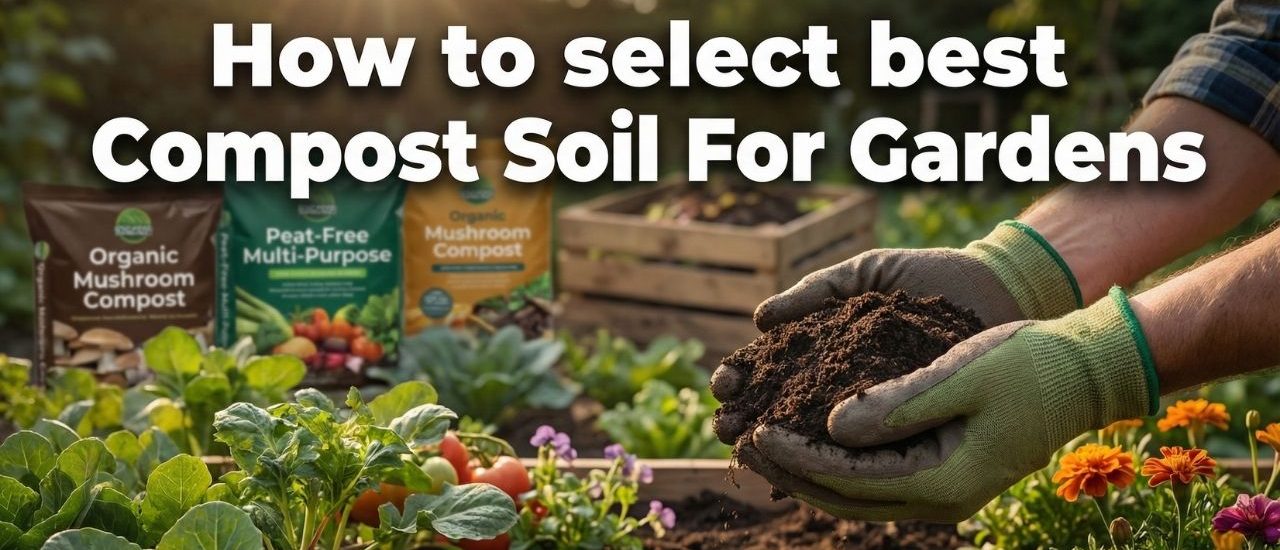
Ever wondered what separates a “meh” garden from a “WOW!” garden? It’s not just green thumbs, it’s black gold! I’m talking about compost – that dark, crumbly, earthy-smelling stuff that can transform your garden. It’s decomposed organic material, bursting with life and waiting to unleash its magic on your soil.
Why bother with this “black gold,” you ask? Because it can transform tired soil into a thriving paradise for your plants. It’s not just fertilizer; it’s a soil amendment, a living ecosystem, and a sustainable practice all rolled into one.
Today, we’ll delve into the fascinating world of compost. We’ll explore its surprising history, what both seasoned experts and everyday gardeners are saying about it, any prickly issues that might arise, and what exciting innovations the future holds for this incredible soil booster.
Compost Through the Ages: A Brief (and Surprising!) History
Did you know composting is as old as farming itself? The wisdom of transforming waste into nourishment isn’t some modern invention; it’s etched into the very fabric of human agriculture.
Archaeological evidence suggests that even Stone Age Scots understood the value of decayed organic matter. The Egyptians, with their sophisticated understanding of agriculture, undoubtedly utilized composting techniques to nourish their crops along the fertile Nile. Even Roman emperors understood the value of a well-nourished soil and advocated for the use of compost.
During the Dark Ages, monasteries became the unlikely keepers of this ancient art. Monks, with their self-sufficient communities, meticulously managed their waste, transforming it into life-giving compost for their gardens and fields.
Across the Atlantic, American founding fathers like George Washington and Thomas Jefferson were ardent compost advocates. These agricultural innovators understood that healthy soil was the foundation of a prosperous nation.
But then came the early 20th century and the rise of shiny, new chemical fertilizers. These quick-fix solutions promised instant results, threatening to relegate compost to the history books.
Thankfully, a few visionaries rekindled the organic flame. Sir Albert Howard, often called the “father of modern composting,” championed the holistic approach to agriculture, emphasizing the importance of healthy soil teeming with life. Simultaneously, Rudolph Steiner, the founder of biodynamic agriculture, promoted compost preparations designed to enhance soil fertility and plant health.
Then came the late 20th century with growing environmental concerns which thrust compost back into the spotlight. Suddenly, this ancient practice became a cornerstone of sustainable living, a way to reduce waste, improve soil health, and lessen our reliance on synthetic inputs.
The Verdict: What Everyone’s Saying About Compost Today
Today, the chorus of voices praising compost is louder than ever. Experts and gardeners alike agree on its transformative power.
[Image of soil food web diagram]Soil Structure Superhero
Transforms heavy clay soils into well-draining havens and enables sandy soils to retain precious moisture.
Nutrient Nirvana
Slowly releases essential nutrients to plants, reducing the need for synthetic fertilizers.
Microbe Metropolis
Fosters a bustling underground city of beneficial organisms that promote healthier roots and happier plants.
Natural Defense
Boosts plant immunity against pests and diseases and helps balance soil pH.
Environmental MVP
Reduces waste in landfills, returning it to the soil to be reused.
But what kind of compost should you choose?
- General Purpose: Your everyday go-to for most gardening needs.
- Manure-Based Magic: Farmyard, chicken, mushroom – these offer serious nutrient power!
- Worm Wonders: Vermicompost and castings deliver an extra dose of oomph.
- Specialty Blends: Need compost for seedlings? Acid-loving plants? Hanging baskets? There’s a compost for that!
Homemade vs. Store-Bought
Each has its pros and cons. Homemade allows for control over ingredients and reduces waste, while store-bought offers convenience and consistency.
Despite all the benefits, it’s important to tread carefully:
- Quality Roulette: The variability of purchased compost can be a concern. You might find uncomposted bits or even plastic surprises lurking within.
- It’s an Amendment, Not a Replacement: Straight compost isn’t usually the best growing medium. It’s best used as an amendment to improve existing soil.
- DIY Dilemmas: Homemade compost requires time, space, and effort. Plus, there’s the potential for unpleasant odors or unwanted pests if not managed properly.
- Hidden Dangers: Watch out for high salts, nutrient imbalances, and, most importantly, herbicide contamination. Always inquire about the sources of the compost to avoid potential issues.
Debunking Myths & The “Dirty” Debates Around Compost
Let’s dispel some common misconceptions about compost:
- “It always stinks!”: A properly managed compost pile smells earthy, not foul.
- “It’s too complicated/time-consuming!”: Low-maintenance options exist, and nature does most of the work.
- “You need a strict recipe!”: While ratios help, a variety of materials still works wonders.
- “It attracts rodents!”: Only if improperly managed (avoid meat/dairy in open piles).
- “Coffee grounds acidify soil!”: Used grounds are actually pretty neutral.
There are also some hot topics in the compost community:
- Food Safety Fears: The debate over pathogen control in backyard piles versus commercial operations raises concerns about the safety of using home compost on edible crops.
- The “Too Much” Problem: Over-composting your garden can lead to nutrient runoff and other problems.
- The Herbicide Horror Story: Persistent herbicides surviving the composting process and destroying sensitive crops has become a major concern.
The Future of “Black Gold”: Smart Gardens and a Greener Planet
The future of compost is looking bright, with technology playing an increasingly important role.
Innovations in Compost Production:
- Smart Bins & Sensors: IoT, AI, and machine learning are revolutionizing decomposition for faster, higher-quality compost.
- Automated Wonders: Enclosed systems and turning machines are making year-round, urban-friendly composting a reality.
- Microbial Magic: Custom microbial solutions are being developed to supercharge decomposition and nutrient enrichment.
Smarter ways to use compost in the garden:
- Beyond the Pile: Innovations like trench composting, compost tea, and precise topdressing techniques are gaining popularity.
- Home Sweet Compost: New “in-bed” composters and smart garden apps are catering to the needs of the modern gardener.
Compost is poised to be a climate change champion:
[Image of carbon cycle in soil diagram]- Circular Economy Star: Turning waste into a valuable resource, closing the loop.
- Methane Fighter: Diverting organic waste from landfills, reducing planet-warming emissions.
- Carbon Capture King: Healthy, compost-rich soil storing carbon and supporting robust plant growth.
- Resilient Gardens: Creating ecosystems that are better equipped to handle droughts, floods, and other environmental challenges.
Conclusion: Your Green Path to a Thriving Garden
Compost is a powerful ally for any gardener, but choosing and using it wisely is key. Tailor your compost choice to your soil type and plant needs. Whether you choose to DIY or buy from a store, always aim for quality.
Embrace the black gold, enrich your soil, and grow a greener, more sustainable future, one compost heap at a time!
